

In an era defined by skyrocketing domestic healthcare costs and increasingly complex bureaucratic hurdles, a growing number of Americans are looking beyond their borders for medical solutions. Medical tourism—once a niche endeavor reserved for the ultra-wealthy seeking experimental treatments—has evolved into a multi-billion-dollar global industry. Today, millions of U.S. citizens are boarding flights to seek everything from life-saving cardiac surgeries to routine dental procedures, driven by the dual necessity of affordability and accessibility.
The Catalyst: Why the U.S. Healthcare System Is Losing Patients
The primary driver of the medical tourism boom is simple economics. In the United States, high-deductible insurance plans, surprise billing, and the absence of universal price transparency have made essential procedures prohibitively expensive for millions of Americans.
Beyond cost, the "red tape" of the Western medical system—long wait times for specialists, restricted access to certain elective procedures, and the lack of coverage for cutting-edge treatments—has created a vacuum. Patients are increasingly disillusioned by a system where they must wait months for an MRI or pay out-of-pocket for dental work that costs more than a luxury vehicle. Consequently, private hospitals in destinations like Turkey, Thailand, and South Korea have stepped in to offer high-quality care, often at 30% to 70% of the cost of their U.S. counterparts.
Chronology of a Trend: From Niche to Mainstream
The evolution of medical tourism did not happen overnight. The timeline of this global phenomenon tracks alongside the rising costs of U.S. insurance premiums:
- Early 2000s: Medical tourism was largely confined to "border hopping." Americans living in states like California, Arizona, and Texas began crossing into Mexico for dental work and inexpensive pharmaceuticals.
- 2010–2015: As globalization and digital connectivity grew, specialized clinics in India and Thailand began marketing themselves to international patients. The focus shifted toward high-acuity surgeries, such as heart valve replacements and orthopedic procedures, which were performed by surgeons often trained in the U.S. or U.K.
- 2016–2020: The rise of aesthetic medicine and "wellness travel" brought countries like Turkey to the forefront. Hair transplant packages, inclusive of flights and hotel stays, became a viral marketing success.
- 2021–Present: Post-pandemic, the trend has accelerated. The democratization of travel and the ease of booking via digital platforms have normalized seeking healthcare as a component of the "digital nomad" or "work-cation" lifestyle.
Regional Snapshots: Where Americans Are Heading
Mexico: The Proximity Powerhouse
For many Americans, Mexico remains the primary destination due to its geographical convenience. Border towns like Los Algodones—famously dubbed "Molar City"—host a dense concentration of dental clinics that cater almost exclusively to North Americans. The ability to drive across the border eliminates the stress of international air travel, making it the most accessible entry point for dental and cosmetic services.
Turkey: The Global Hub for Aesthetics
Turkey has positioned itself as the world’s leading destination for cosmetic surgery. In 2022 alone, the country reported one million medical tourists specifically for hair transplants, generating $2 billion in revenue. With all-inclusive packages often costing around $3,000—compared to upwards of $13,000 in the U.S.—Turkey offers a compelling value proposition, though experts warn of a "wild west" effect where the market’s popularity has attracted unlicensed practitioners.
The Caribbean: A Warning Tale
The Dominican Republic is a major hub for plastic surgery, particularly for liposuction and breast augmentation. However, it also serves as a cautionary tale. The Centers for Disease Control and Prevention (CDC) has flagged the country for significant post-operative complications, noting that between 2009 and 2022, at least 93 U.S. citizens died following cosmetic surgeries there, largely due to fat embolisms and blood clots.
Asia: The Gold Standard of Specialized Care
South Korea, Thailand, and India represent the "high-end" tier of medical tourism. South Korea is celebrated for its advanced diagnostic technology and cosmetic expertise, increasingly attracting Black American women seeking gynecological and cardiovascular screenings free from the systemic biases often encountered in U.S. clinics. Meanwhile, Thailand and India have built world-class, multi-specialty hospitals that cater to international patients, offering complex surgeries like hip replacements and fertility treatments (IVF) with internationally accredited safety standards.

Official Responses and Safety Implications
The CDC maintains a rigorous stance on medical tourism, urging extreme caution. The primary risks include the inability to verify the credentials of foreign surgeons, the high risk of post-operative infection, and the legal nightmare of seeking recourse if a procedure goes wrong.
"The main danger is the lack of continuity," says one healthcare analyst. "If a patient gets a procedure in Bangkok and develops an infection upon returning to New York, the local surgeon here may refuse to treat them because they were not the original operator."
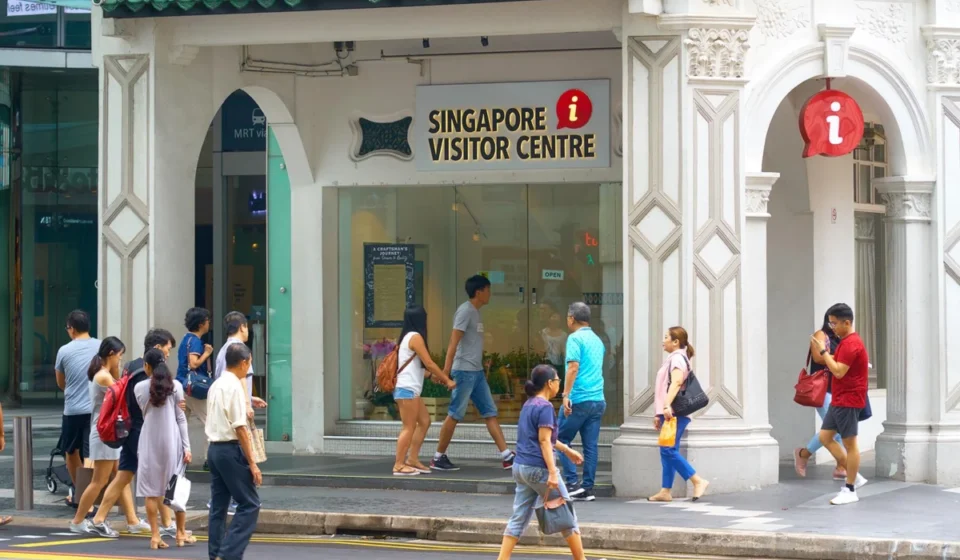
Furthermore, some nations are beginning to push back. Singapore, once a top-tier medical tourism destination, has actively discouraged the practice to ensure that local citizens are not crowded out of their own healthcare systems and to prevent inflationary pressure on local medical costs.
Data-Driven Insights: Cost vs. Quality
The financial data remains the most compelling argument for patients. A hysterectomy that might cost $15,000 in a U.S. hospital can be performed in Colombia for roughly $4,000, including pre- and post-operative care. This massive delta in pricing is often attributed to lower labor costs, reduced malpractice insurance overhead, and the absence of the "middleman" administrative costs that inflate U.S. healthcare bills.
However, the "true" cost must include the price of travel, potential follow-up care, and the risk of lost wages if a recovery takes longer than expected.
Ethical and Systemic Implications
The rise of medical tourism creates a profound ethical dilemma for the United States. Does the outsourcing of healthcare suggest a failure of domestic policy?
- Market Competition: Proponents argue that the exodus of patients will eventually force U.S. hospitals to become more competitive and transparent.
- Health Equity: There is a concern that medical tourism is a "two-tier" solution—available only to those who have the savings to travel, while leaving the most vulnerable behind.
- Global Strain: As seen with the recent surge of Americans seeking Ozempic in Canada, there is a risk that foreign medical systems may suffer from drug shortages or overburdened clinics, potentially straining diplomatic relations and local access to care.
Conclusion: A Double-Edged Scalpel
Medical tourism offers a lifeline for those priced out of the U.S. system, providing access to top-tier care that would otherwise be unattainable. Yet, it remains a high-stakes gamble. For the patient, the decision requires more than just a passport and a credit card; it requires rigorous due diligence, from checking international accreditation (such as Joint Commission International) to ensuring adequate recovery time before boarding a long-haul flight.
As the industry continues to mature, the focus is shifting from "low cost" to "value and quality." For many, the future of healthcare is no longer just the hospital down the street—it is the one across the globe.