The Invisible Appliance: How Narwal’s Flow 2 White Redefines the Aesthetic of Smart Home Automation

In the landscape of modern domestic technology, a quiet revolution is underway. For years, the rapid evolution of robot vacuums has been defined by a relentless arms race of specifications: suction power, battery longevity, navigational mapping, and the complexity of base station automation. Yet, as these machines have become hyper-efficient, they have simultaneously become visual intruders. Their hulking, utilitarian plastic frames often stand out in contemporary living spaces, creating a jarring juxtaposition between sophisticated home design and the clunky equipment tasked with maintaining it.
With the launch of the Narwal Flow 2 White, the company is shifting the discourse. No longer content to treat the robot vacuum as a hidden tool to be shoved into a closet or tucked behind a sofa, Narwal is positioning the device as a deliberate piece of interior design. This evolution marks a pivotal moment where high-performance engineering meets the nuanced demands of residential aesthetics.
The Philosophy of "Quiet" Technology
The premise behind the Flow 2 White is rooted in a fundamental design principle: technology should be powerful, yet unobtrusive. As our homes become increasingly saturated with smart devices—from climate control systems to security sensors—the cumulative "visual noise" of these products can erode the tranquility of a space.
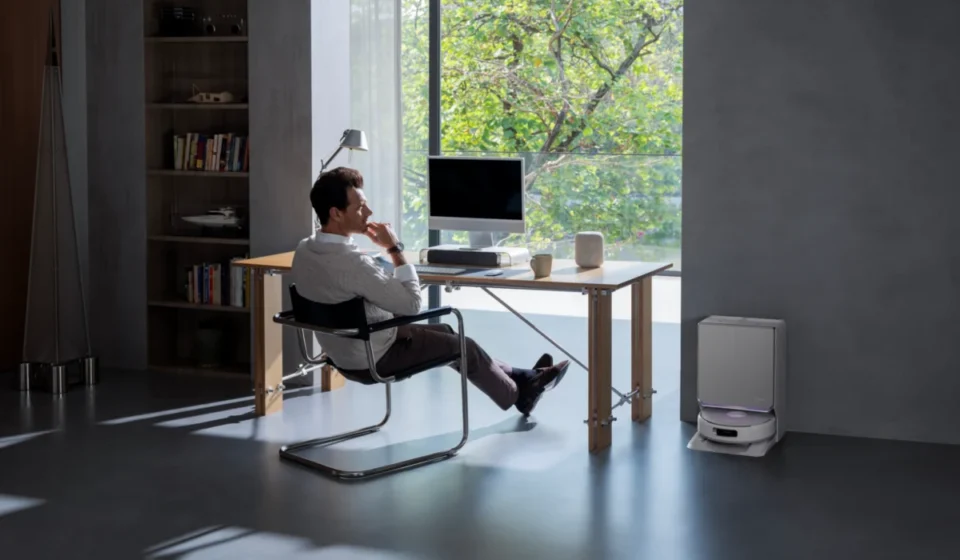
"White wasn’t a simple repaint, but a reflection of how we think a cleaning robot should live in today’s lighter, calmer interiors," explains Junbin Zhang, founder and CEO of Narwal. This shift in color palette—moving away from the industry-standard black or dark charcoal—is a strategic choice to harmonize with the pale wood tones, neutral textiles, and minimalist surfaces favored in current interior design trends.
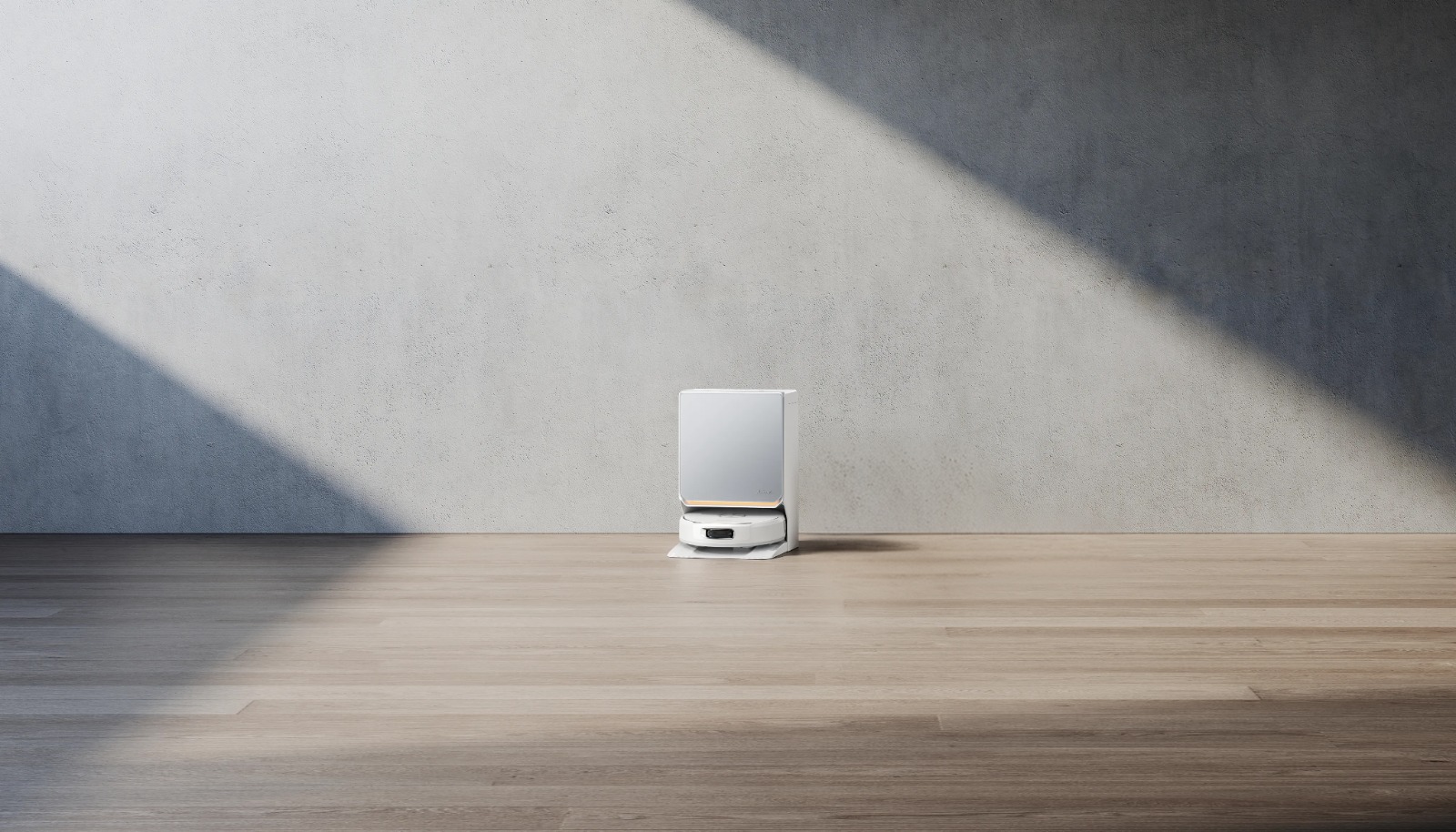
However, the design language extends far beyond the color choice. The Narwal team has meticulously curated the tactile and visual properties of the device to ensure it feels like a high-end appliance rather than a gadget. The incorporation of a frosted glass-textured panel not only softens the way light interacts with the device but also provides a functional advantage: it is remarkably resistant to fingerprints and dust, ensuring that the unit maintains its pristine appearance through daily use.
A Chronology of Integration: From Tool to Furnishing
The trajectory of the robot vacuum has been a long arc of integration. In the early 2000s, these devices were curiosities, often erratic in their movement and limited in their cleaning capabilities. By the 2010s, they became functional tools, but their design remained aggressively technical—often featuring sharp edges, bulky sensors, and unsightly docking stations that looked more at home in a warehouse than a living room.
Phase 1: The Functional Era (2010–2018)
During this period, manufacturers focused almost exclusively on the "workhorse" aspect of the robot. Design was a secondary consideration, resulting in products that were often ignored by interior designers and high-end homeowners.
Phase 2: The Docking Station Revolution (2019–2023)
As base stations began to offer self-emptying and mop-washing capabilities, the "visual footprint" of the device grew exponentially. This period saw the birth of the "robot garage," where the dock became a significant piece of furniture that owners often struggled to hide.
Phase 3: The Aesthetic Synthesis (2024–Present)
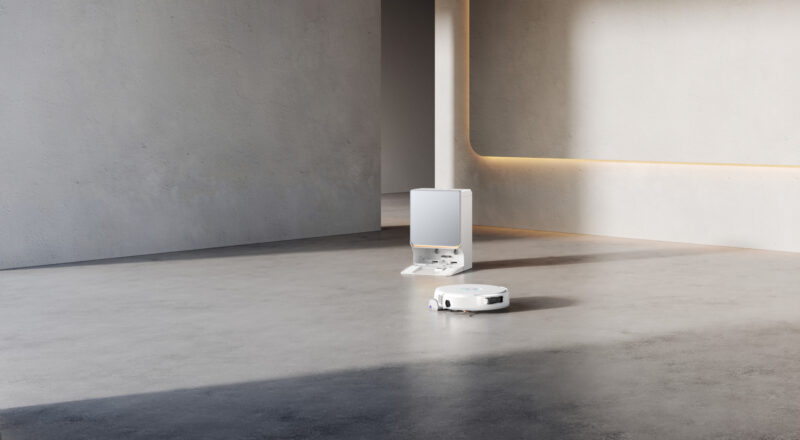
The arrival of the Narwal Flow 2 White represents the maturation of this market. Narwal has moved beyond the idea of the "hideable" robot to the "displayable" robot. By creating a semi-enclosed base station, the company has successfully unified the robot and its dock into a singular, cohesive silhouette. The lines are restrained, the form is compact, and the overall presence is one of quiet competence.
Engineering Beneath the Surface: Supporting Data
While the exterior design is the headline, the efficacy of the Flow 2 White relies on a sophisticated internal architecture. A beautiful device that fails to clean is, ultimately, a failure of design. Narwal has retained its flagship cleaning suite, which remains a benchmark in the industry.
The FlowWash System
The centerpiece of the cleaning performance is the FlowWash technology. Unlike traditional robot vacuums that merely drag a damp cloth across the floor, the Flow 2 utilizes a continuously rotating, track-style mop. This system is augmented by a heated water process that actively cleans the mop during the cycle. By ensuring the mop is constantly refreshed with clean water and sanitized with heat, the device avoids the common pitfall of "dirty water streaking," where a robot inadvertently smears grime from one room to another.
NarMind Pro AI
The intelligence governing the machine, dubbed "NarMind Pro," represents the bleeding edge of domestic AI. By synthesizing onboard sensor data with cloud-based processing, the vacuum is capable of:
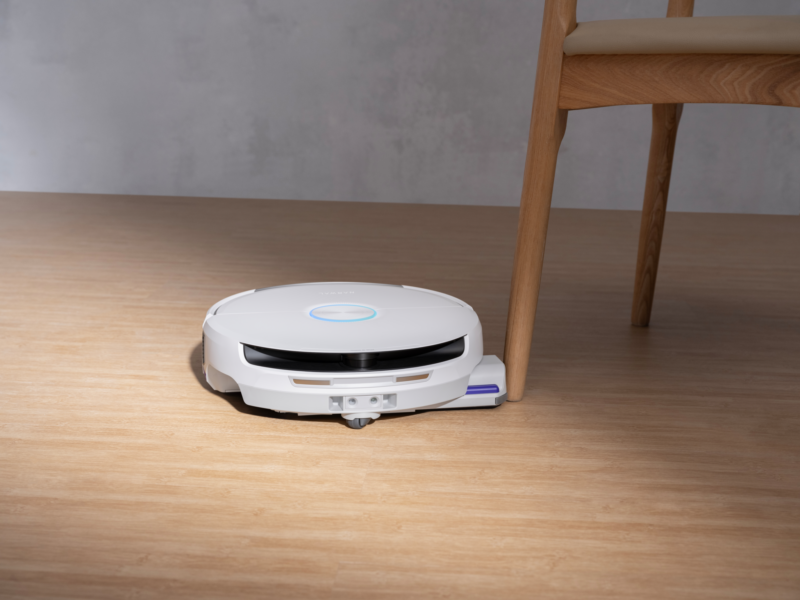
- Object Recognition: Differentiating between a stray sock, a pet bowl, or a fragile chair leg.
- Dynamic Pathing: Adjusting suction and mopping intensity based on the specific surface—whether it is hardwood, tile, or high-pile carpet.
- Behavioral Customization: Offering specialized modes for households with pets, ensuring that shedding and dander are handled without manual intervention.
The base station itself acts as a secondary "brain" and service center, automating the emptying of debris and the maintenance of the mop pads. This reduction in the human labor required to "maintain the maintainer" is the final piece of the user experience puzzle.
Official Perspectives: The Founder’s Vision
In our discussion regarding the product’s market positioning, Junbin Zhang emphasized the psychological impact of design in the home. "We believe home technology should be powerful but unobtrusive," Zhang states. "The Flow 2 White earns its place in the home as decor, not just a tech device."
This vision reflects a broader trend in the smart home sector. Manufacturers are beginning to realize that if a device is to be a permanent fixture, it must respect the architectural language of the home. By utilizing an ambient light bar that communicates status through subtle, diffused glows rather than harsh blinking LEDs, Narwal has managed to replace "technical noise" with "design language."
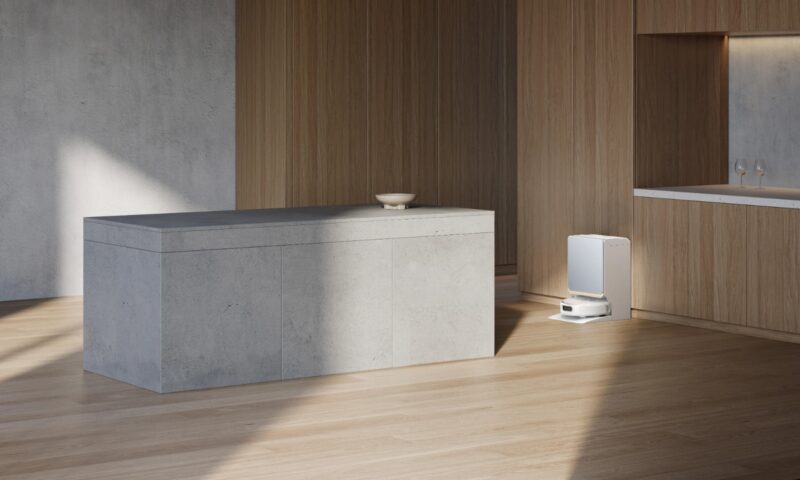
This approach acknowledges that the home is a sanctuary. In a world of increasing digital complexity, the physical objects within that space should provide a sense of calm. When the robot is docked, it ceases to be a piece of moving machinery and becomes a sculptural element in the kitchen or hallway.
Implications for the Future of Smart Homes
The success of the Narwal Flow 2 White signals a shift in consumer expectations. As we move toward a future where robotics are common in every home, the "gadget" aesthetic will likely fall out of favor. Consumers are becoming increasingly discerning, demanding that their smart appliances match the quality of their furniture and the refinement of their interior finishes.
The Death of the "Ugly" Appliance
The implication for competitors is clear: hardware performance is no longer a sufficient differentiator. To compete in the premium segment, companies must invest in industrial design that accounts for the "lifestyle fit." We are likely to see more collaborations between tech firms and design houses, as well as a greater focus on materials—think matte finishes, fabric wraps, and architectural forms.
Seamless Integration
Furthermore, the "unified silhouette" strategy pioneered by the Flow 2 White is likely to become the new standard. Future designs will likely focus on making the base station look like a sideboard, a console, or a built-in cabinetry unit. The goal is to move toward a state of "invisible infrastructure," where the home cleans itself without the occupant ever feeling like they are living in a service facility.
Conclusion: A New Standard for Domestic Automation
The Narwal Flow 2 White is more than a vacuum; it is a manifestation of how technology can mature to meet the human need for order and beauty. By reconciling the aggressive, high-performance needs of robotic cleaning with the soft, inviting requirements of modern interior design, Narwal has set a new benchmark for the industry.
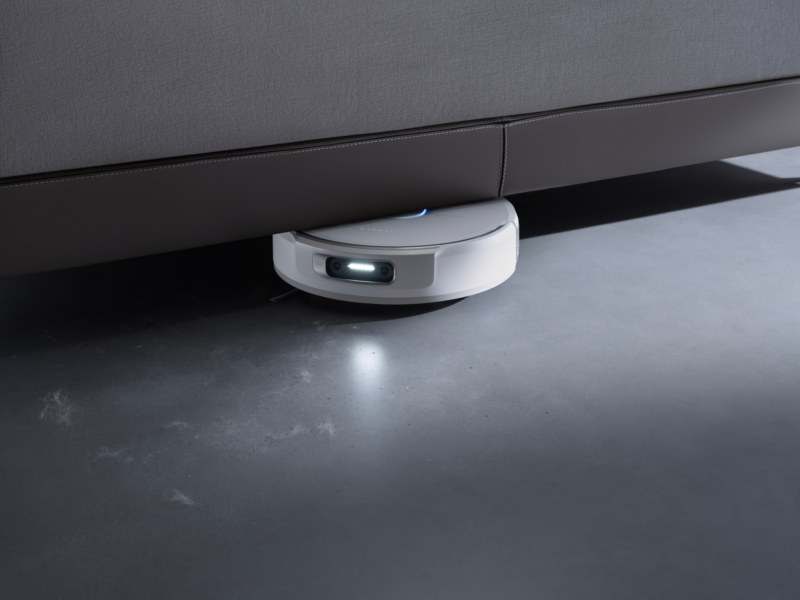
For the homeowner, the implications are profound. It means the end of the "clutter compromise"—the trade-off where one accepts a messy-looking corner in exchange for clean floors. With its frosted textures, integrated form factor, and advanced AI-driven performance, the Flow 2 White proves that we do not have to choose between a smart home and a beautiful one. As this trend continues, the appliances of the future will be defined not by how much attention they demand, but by how seamlessly they disappear into the fabric of our daily lives.
The Narwal Flow 2 White is currently available for those seeking to harmonize their cleaning technology with their home’s aesthetic. For more information, visit us.narwal.com or major retail partners like Amazon.
Editorial Transparency: This article was developed with the assistance of AI tools, which were utilized for the purpose of research, structuring, and linguistic refinement. All technical specifications, quotes, and editorial viewpoints were verified by the Design Milk editorial team to ensure accuracy and journalistic integrity.