The Mini-Product Economy: Why Travel-Sized Beauty and Haircare Are Taking Over Sephora and Transforming Consumer Habits

Introduction: The Shift Toward Accessible Luxury
In the fast-evolving landscape of the global beauty and personal care industry, a quiet revolution has been taking place on vanity tables and inside everyday handbags. Once viewed strictly as throwaway novelties or secondary airline travel conveniences, travel-sized and miniature beauty products have transitioned from an afterthought into a dominant market force.

Today, consumers ranging from budget-conscious novices to seasoned beauty enthusiasts are intentionally opting for the "mini" versions of high-end skincare, makeup, and haircare staples. Retailers like Sephora have capitalized on this consumer shift, curating extensive selections of trial-sized luxury items that offer entry points into prestigious brands without requiring a full-sized financial commitment.
This deep dive examines the phenomenon of the mini-product economy, tracing its growth, analyzing the economic and psychological drivers behind it, and evaluating what this trend means for the future of retail beauty.
Main Facts: The Rise of the Prestige Mini
The market for miniature prestige beauty products has experienced exponential growth over recent years, driven by changing consumer demographics, inflationary pressures, and the desire for versatility in personal care routines.
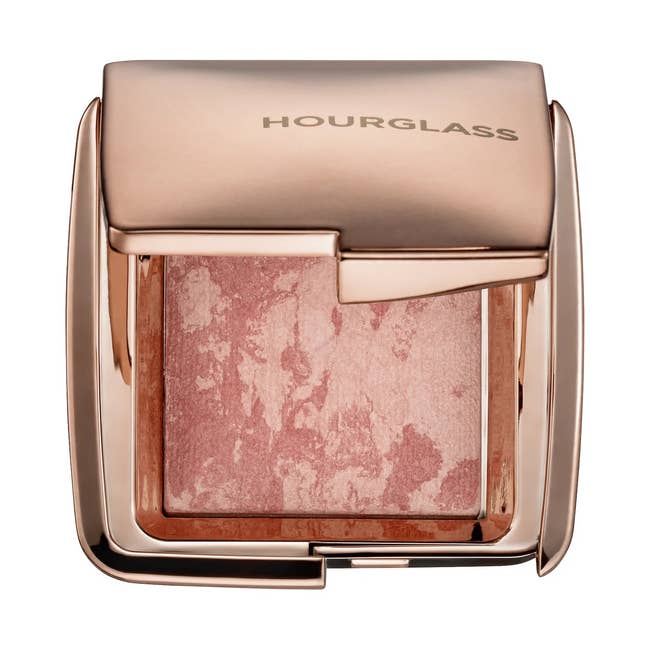
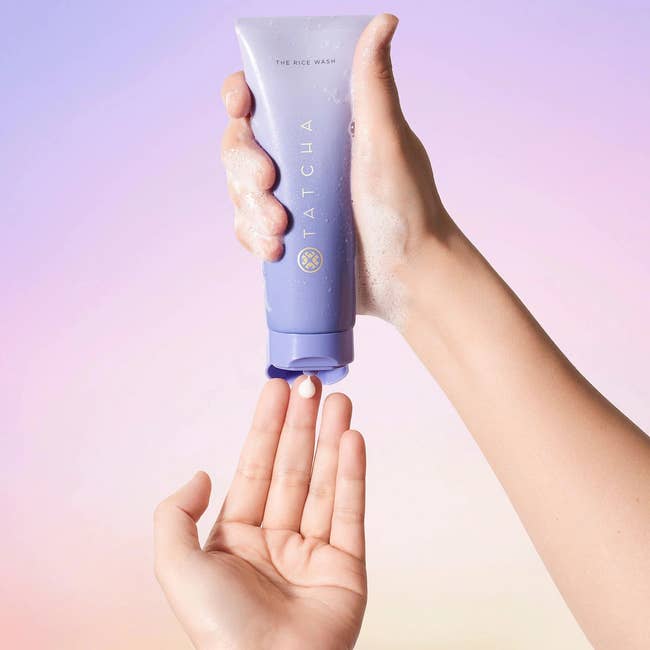
- Democratization of Luxury: High-end brands that were previously gatekept by hefty price tags—such as Westman Atelier, Hourglass, Charlotte Tilbury, and Tatcha—are now accessible at lower entry price points, typically ranging from $10 to $35.
- The "Trial Culture" Driven by Social Media: Platforms like TikTok and Instagram have accelerated product discovery. Consumers frequently encounter viral beauty products online but are hesitant to invest $40 to $60 on a full-sized item they have not yet tested on their specific skin type.
- Product Efficacy and Formulation Density: Unlike older hotel-grade travel toiletries, modern mini-products feature the exact same high-performance formulations, active ingredients (such as niacinamide, hyaluronic acid, and peptides), and luxury packaging as their full-sized counterparts.
- Sustainability and Travel Utility: With post-pandemic travel rebounding and strict TSA liquid regulations remaining in place, compact, leak-proof beauty essentials have become fundamental components of modern mobility.
Chronology: How the Beauty Industry Pivoted to Portability
The transition from giant value sizes to miniature luxury items did not happen overnight. It is the result of a multi-year evolution in consumer behavior and retail strategy.
Phase 1: The Holiday Gifting Tradition (Pre-2018)
Historically, miniature beauty items were largely restricted to seasonal holiday gift sets, promotional "GWP" (Gift with Purchase) events, or airline-compliant amenity kits. Consumers saved up their department store loyalty points specifically to acquire these trial sizes, signaling a latent demand for smaller quantities of expensive goods.
Phase 2: The Rise of the Discovery Kit (2018–2021)
As indie beauty brands proliferated online, direct-to-consumer (DTC) companies realized that lowering the barrier to entry was crucial for conversion. Brands began offering curated "discovery sets" containing multiple trial-sized serums and moisturizers. This period also coincided with the clean beauty movement, where consumers with reactive skin needed to test products for allergic reactions before purchasing full bottles.
Phase 3: The Inflationary Squeeze and Viral TikTok Era (2022–Present)
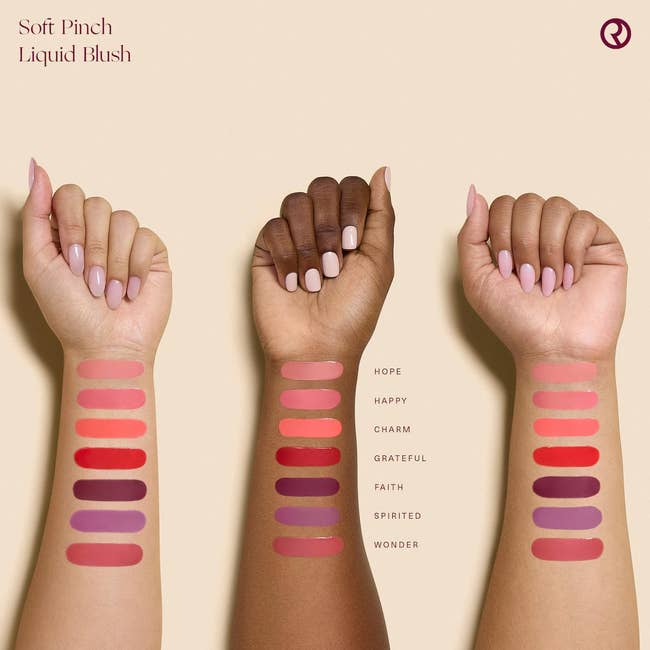
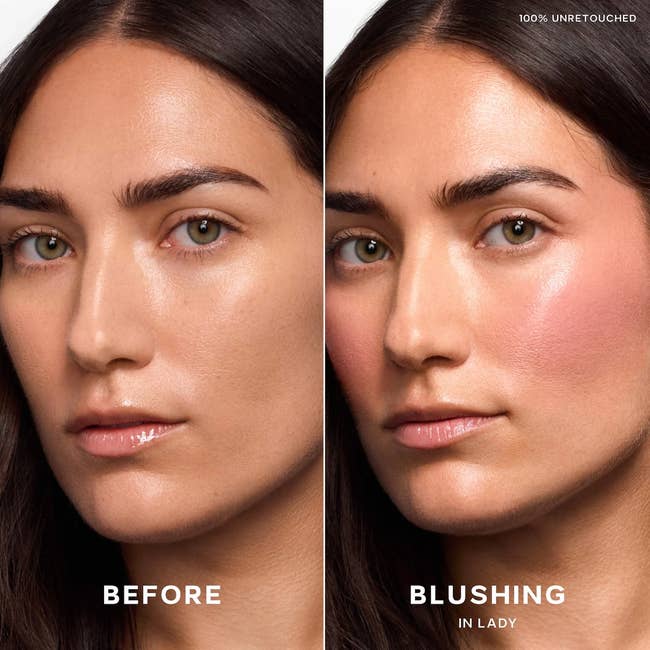
As macroeconomic pressures and inflation impacted consumer spending power, beauty enthusiasts sought ways to maintain their routines without overextending their budgets. Concurrently, viral beauty reviews on social media created instant demand for specific items—such as setting sprays, liquid blushes, and hydrating essences. Brands rapidly expanded their permanent mini-product lineups to capture these micro-purchases, turning trials into long-term customer acquisition funnels.
Supporting Data: What Shoppers Are Buying
A comprehensive look at top-tier miniature products available on the market reveals the breadth of categories currently dominating the trend, spanning complexion enhancers, targeted skincare, and high-performance haircare.
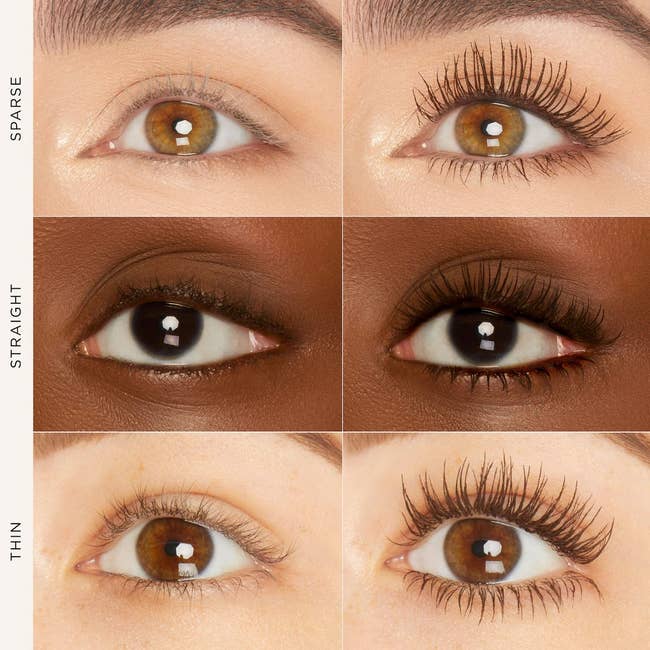
Complexion, Contour, and Setting Essentials
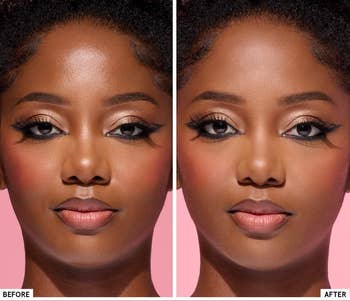
Consumers looking for a sculpted, "snatched" look or an airbrushed finish frequently turn to luxury minis:
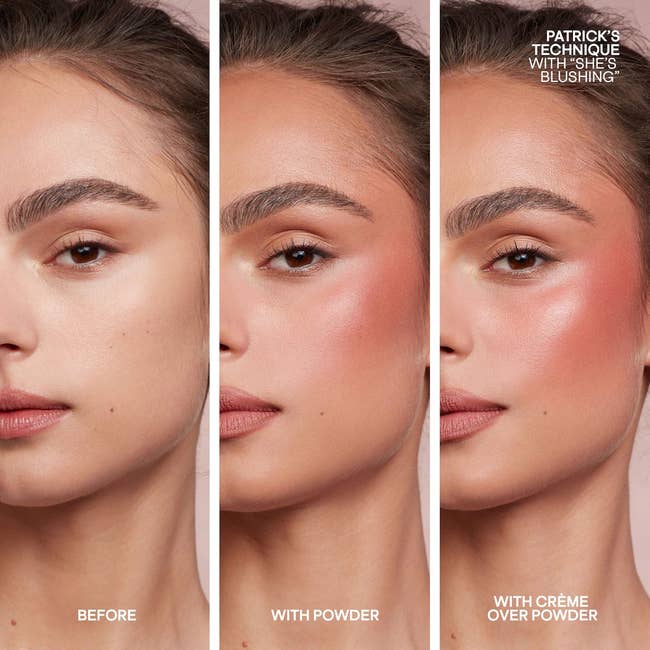
- Westman Atelier Petite Face Trace Contour Stick ($26): Celebrated for its natural finish and ease of blending, offering users a portable tool for daily touch-ups.
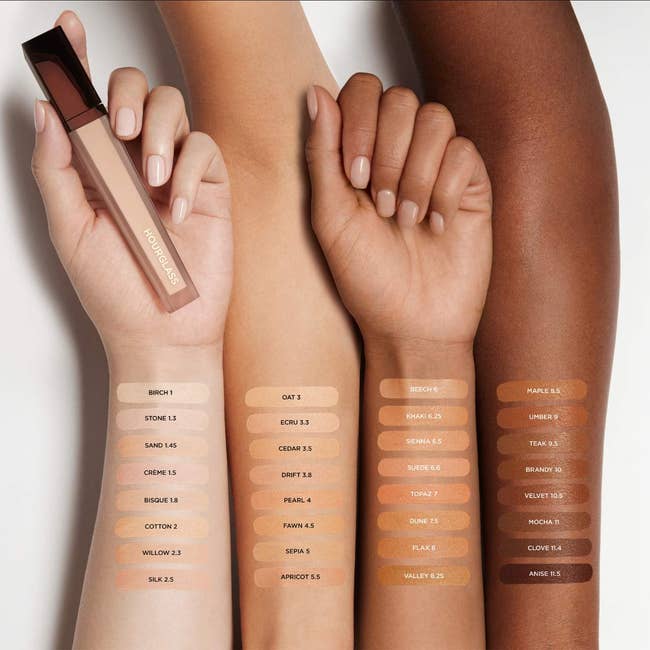
- Hourglass Mini Vanish Airbrush Concealer ($20): Provides high coverage without a cakey texture across 32 diverse shades, serving as a primary gateway to the brand’s full-sized cosmetics.
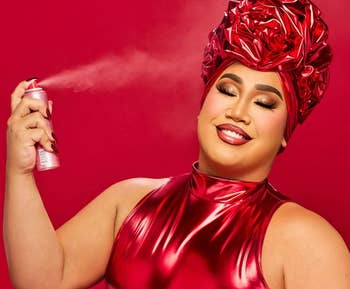
- One/Size by Patrick Starrr Mini On ‘Til Dawn Setting Spray ($18): A viral sensation known for its 16-hour waterproof, mattifying hold, highly praised by consumers dealing with extreme humidity.
- Charlotte Tilbury Mini Airbrush Flawless Finish Setting Powder ($29): A celebrity-backed luxury powder that diffuses light and blurs pores, particularly effective when applied with a dedicated powder puff.
- Huda Beauty Mini Easy Bake Loose Baking Setting/Baking Powder ($24): Finely milled loose powder designed to set makeup through rigorous daily wear and athletic activities.
Skincare and Hydration Boosters
Skincare enthusiasts utilize minis to test active formulations without risking skin irritation or wasting product:
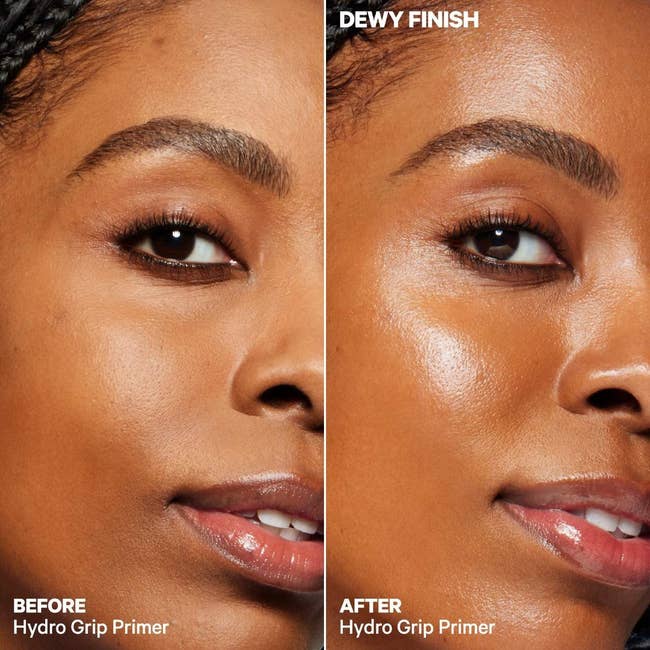
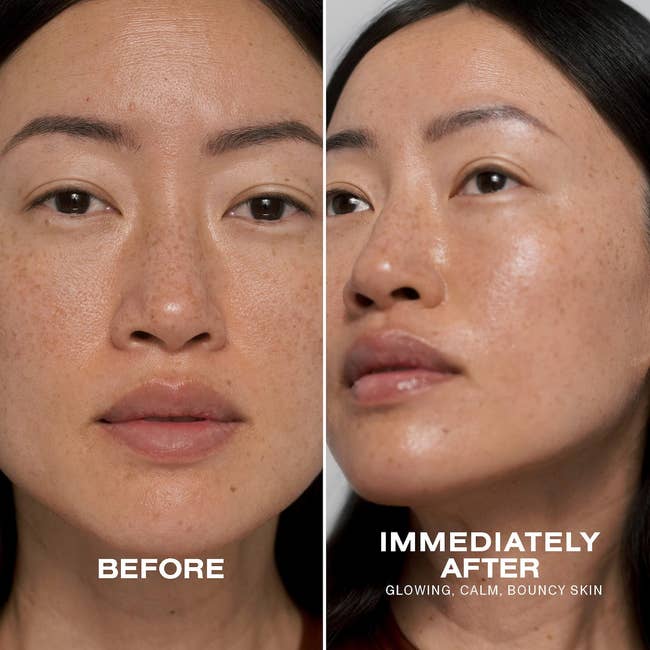
- Merit Great Skin Instant Glow Serum ($19): Combines niacinamide, hyaluronic acid, and cacao seed extract to provide a hydrated, "glazed donut" finish.
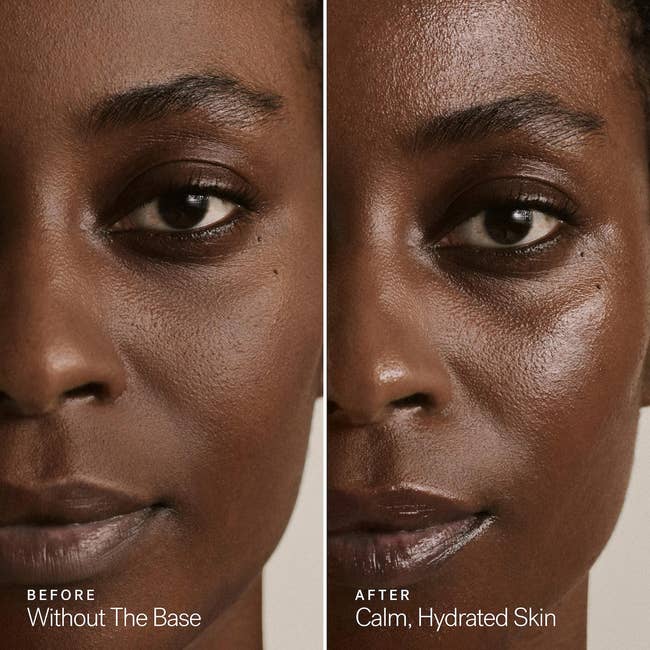
- Ilia Mini Base Face Milk ($28): A 2-in-1 essence and moisturizer that reduces redness and smooths skin texture.
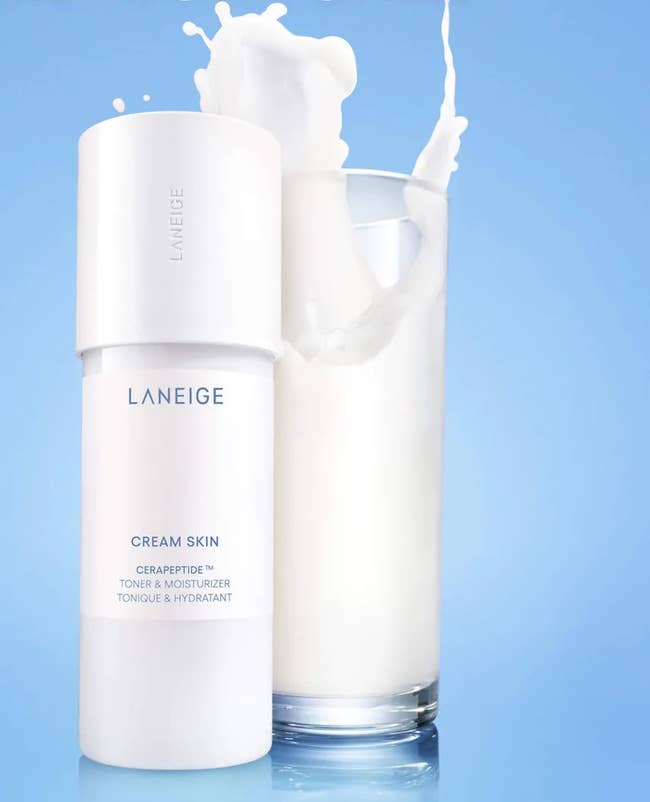
- Laneige Cream Skin Spray Toner & Moisturizer ($12): A milky, peptide- and ceramide-infused mist housed in a refillable, travel-friendly container.
- Glow Recipe Mini Watermelon Glow PHA + BHA Pore-Tight Toner ($16): Uses gentle fruit acids and cactus water to clear pores and resurface skin without stinging.
- The Ordinary Mini Natural Moisturizing Factors + HA ($6.70): An ultra-affordable, amino-acid-rich lightweight hydrator suitable for sensitive skin types.
Haircare Transformations
Hair maintenance has also embraced the mini format, allowing users to combat frizz and restore moisture on the go:
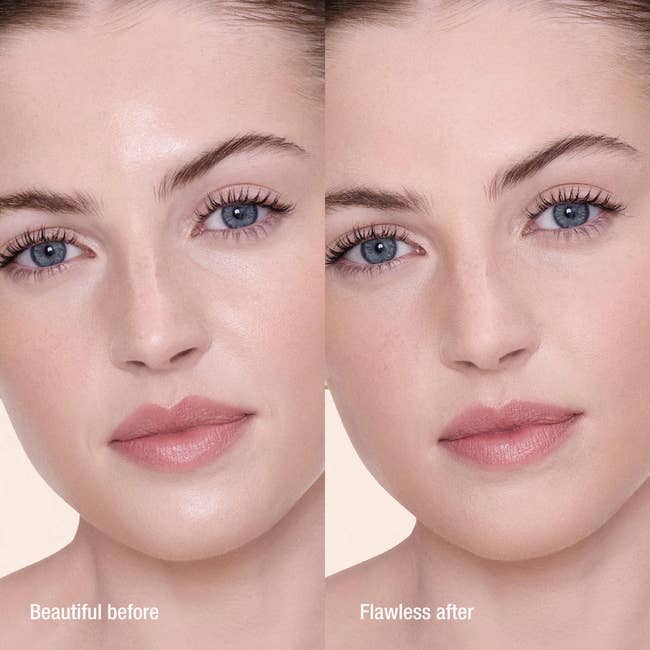
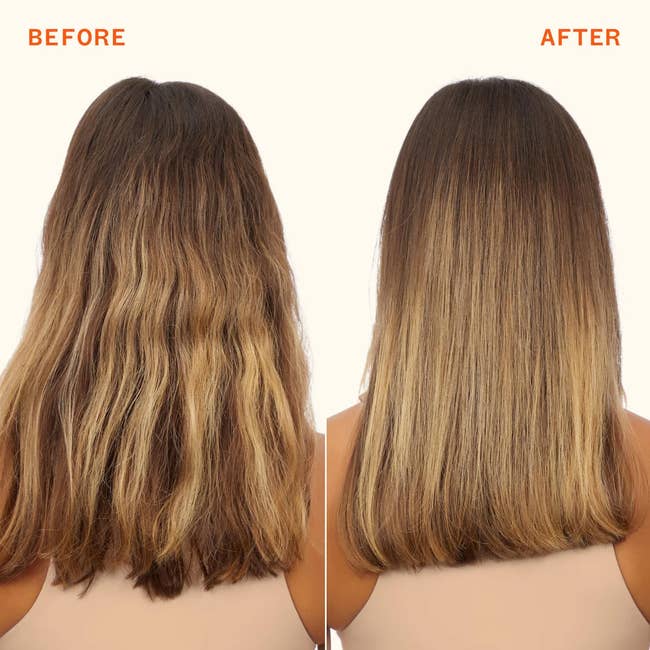
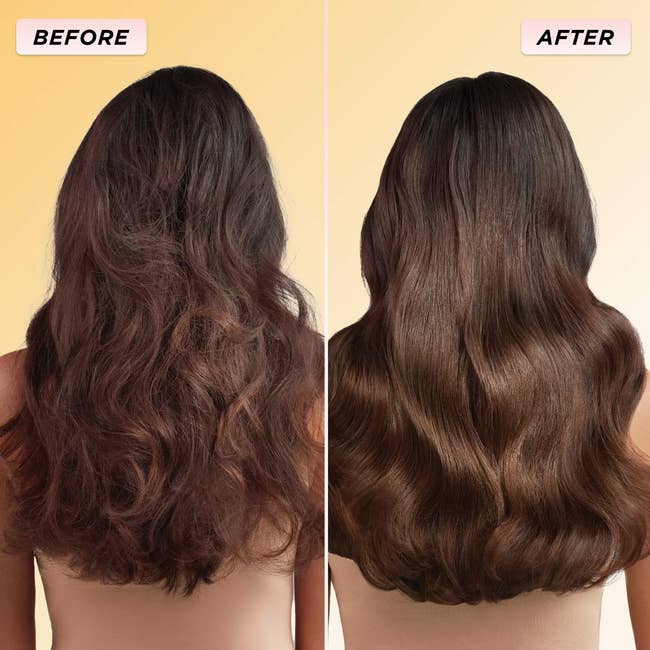
- Amika Soulfood Nourishing Mask ($20): Infused with jojoba seed oil and sea buckthorn to soften coarse or wavy hair instantly.
- Gisou Mini Honey Infused Hair Oil ($25): Utilizes Mirsalehi honey and bee garden oils to lock in shine and control frizz without weighing hair down.
- Kérastase Mini Nutritive 8H Magic Night Hair Serum ($35): An overnight hydrating treatment designed to detangle and nourish dry strands while sleeping.
- Moroccanoil Luminous Hairspray Strong Hold ($14): Offers humidity protection and strong hold without leaving a crunchy residue.
Official Responses and Industry Perspectives
Industry analysts and retail executives view the mini-product category not merely as a temporary fad, but as a structural shift in how consumers interact with luxury goods.
According to retail strategists at major beauty distributors, consumers today prioritize flexibility and curation over brand loyalty alone. "The modern shopper is an active researcher," notes a leading retail analyst specializing in consumer goods. "They do not want to be locked into a single product ecosystem. Minis allow them to build a customized, multi-brand routine tailored precisely to their daily changing needs—whether they are traveling, dealing with seasonal climate shifts, or managing changing skin conditions."
Furthermore, brands report that consumers who purchase miniature items frequently convert to full-sized purchases once they have verified a product’s compatibility with their lifestyle and skin chemistry. This makes the mini economy an exceptionally efficient customer acquisition tool for prestige brands.
Implications: The Future of Beauty Retail
The sustained popularity of travel-sized and miniature beauty products carries significant implications for brands, retailers, and environmental sustainability standards.
1. Economic Resilience for Consumers
As living costs fluctuate, the ability to purchase high-performing, dermatologist-tested, or celebrity-endorsed beauty products at sub-$30 price points ensures that self-care remains accessible. Consumers do not have to sacrifice quality for affordability.
2. Retail Footprint and Shelf Space Optimization
Physical retail spaces, such as checkout lanes and end-caps, are increasingly dedicated to "grab-and-go" beauty minis. This encourages impulse buying and drives higher foot-traffic conversion rates for brick-and-mortar storefronts facing competition from e-commerce platforms.
3. Sustainability Challenges and Innovations
One of the primary criticisms of the mini-product economy is packaging waste; producing smaller plastic containers often consumes more material per ounce of product than standard bulk packaging. In response, forward-thinking brands are introducing refillable mini formats—such as mist sprays and recyclable glass or aluminum packaging—to mitigate environmental concerns while meeting consumer demand for portability.
Conclusion
The evolution of the beauty industry toward accessible, high-performance miniatures reflects a mature consumer base that values flexibility, transparency, and smart spending. Whether it is a viral setting spray that withstands tropical humidity, a nourishing hair oil infused with honey, or a gentle exfoliating toner that clears pores without irritation, travel-sized products have proven that great things truly do come in small packages. As innovation in formulations continues to match consumer mobility, the mini-product economy is poised to remain a cornerstone of modern beauty culture for years to come.