
The landscape of modern matrimony is shifting. Gone are the days when the traditional hometown ballroom wedding was the sole gold standard for nuptials. Today, nearly one-third of all weddings—31%, according to the 2026 Wedding & Honeymoon Travel Trend Report from Honeyfund—are now destination weddings. As couples increasingly prioritize shared experiences over singular events, the "destination wedding" has evolved into a multi-day vacation experience that encompasses welcome dinners, curated group excursions, and farewell brunches.
However, this transition toward global celebrations brings a complex set of challenges. While the desire for "champagne aesthetics" remains high, the economic reality for many couples is a "prosecco budget." This tension between the dream of an exotic backdrop and the limitations of fiscal responsibility has created a new niche in the travel and hospitality industry: the affordable luxury destination wedding.
The Evolution of the Destination Wedding
The appeal of a destination wedding is multifaceted. For many couples, it serves as a "geographic equalizer," bringing together friends and family who are scattered across the globe. By selecting a central location, couples can turn their wedding day into a multi-day getaway, allowing them to spend quality time with their guests—something that rarely happens in the frantic, four-hour timeline of a traditional local wedding.
Yet, the trend is not without its pitfalls. The logistics of long-haul travel, the fluctuating costs of international hospitality, and the potential financial strain on wedding guests can dampen the celebratory spirit. When the cost of attendance becomes a barrier, the bride and groom risk facing a guest list comprised only of those who can afford the travel, potentially excluding close friends and family members.
Supporting Data: What the Trends Tell Us
Honeyfund’s 2026 report, which synthesized data from over 10,000 users, highlights a clear shift in consumer behavior. Couples are moving away from the "event-focused" mindset and toward an "experience-focused" model. Key takeaways from the report include:
- Extended Celebrations: The average destination wedding now spans three to four days, up from the traditional two-day weekend model.
- Cost Sensitivity: Despite the rise in destination weddings, 68% of couples report actively searching for locations where their currency has higher purchasing power.
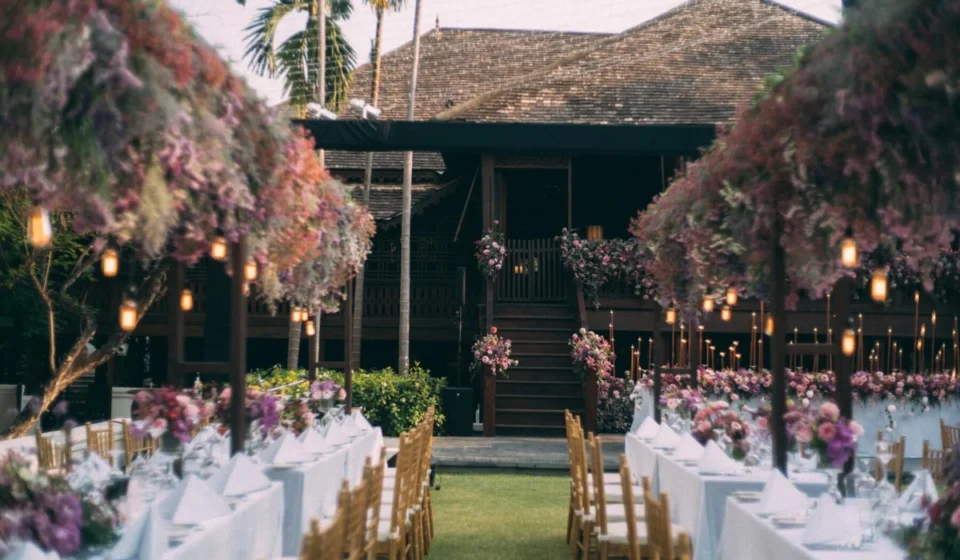
- The "Vibe" Over the "Venue": Couples are prioritizing natural, cinematic backdrops—such as beaches, mountain ranges, and historic ruins—over ornate, expensive indoor ballrooms, effectively offloading the "decor budget" onto the environment itself.
This shift proves that couples are increasingly savvy about where they allocate their funds, favoring scenery that provides built-in aesthetics for photography, thereby reducing the need for elaborate floral installations or rental furniture.
A Chronology of the Modern Wedding Trend
To understand how we arrived at this moment, one must look at the evolution of the wedding industry over the past decade:
2018–2020: The "Instagrammable" Era
Social media began to dictate wedding aesthetics. Couples sought unique, highly visual locations to ensure their photos would stand out in a saturated digital landscape. This drove interest in non-traditional venues, such as cliffsides and remote forests.
2021–2023: The Great Reset
The pandemic forced a global pause on large gatherings. During this period, the "micro-wedding" became the norm. Couples discovered that intimate ceremonies with fewer guests allowed for a higher quality of experience. When travel resumed, the desire for intimate, destination-based experiences remained, but the scale remained smaller than the pre-2020 era.
2024–2026: The Economic Realignment
As inflation impacted the travel and hospitality sectors, the "champagne aesthetics on a prosecco budget" phenomenon emerged. Couples are now demanding the luxury experience of 2018 but are utilizing the lean logistical lessons learned during 2021 to keep costs under control.
Spotlight: Lake Atitlán and the Rise of Value-Luxury
Perhaps the best example of this new trend is found in Guatemala’s Lake Atitlán. Often compared to Lake Como, Italy, Atitlán offers the same dramatic, volcanic, lakeside grandeur but at a fraction of the price.

"The visual reward is identical to the most expensive lakes in Europe," notes travel analyst Marcus Thorne. "But the economic entry point is fundamentally different."
Take, for instance, Casa Palopó. As the first Relais & Châteaux hotel in Guatemala, it provides a high-end, boutique experience that rivals the most exclusive estates in the world. By opting for a full hotel buyout, couples can secure the entire property—hosting 120 to 150 guests—for approximately $21,000 to $24,500. This fee covers not only the venue but also food, non-alcoholic beverages, and service. In a major European or American city, a comparable venue fee alone could easily exceed $50,000, excluding catering.
Official Responses and Industry Implications
Industry professionals are reacting to this trend by restructuring their packages. Hotels in emerging luxury destinations are now offering "all-inclusive boutique" packages that cater specifically to the mid-budget, high-aesthetic couple.
"We are seeing a demand for transparency," says Elena Rossi, a luxury travel consultant. "Couples no longer want to deal with a dozen different vendors. They want a streamlined, all-in-one price that covers the venue, the catering, and the accommodation. If a hotel can offer a ‘buyout’ price that includes the guest rooms, it removes the stress of room blocks and makes the entire wedding feel like a cohesive family reunion."
The implications for the industry are significant:
- Market Expansion: Hotels in developing tourism regions are gaining access to the high-spending international wedding market.
- Sustainability: Smaller, more remote venues are encouraging couples to hold "greener" weddings, as the natural beauty of these locations requires minimal synthetic decoration.
- Guest Satisfaction: When the host couple manages to keep costs low, the burden on guests is reduced, leading to higher attendance rates and a more relaxed atmosphere for all involved.
How to Execute the "Budget-Luxury" Wedding
For couples looking to emulate the success of the Lake Atitlán model, the process requires three key strategic steps:
1. Identify the "Value-Luxury" Geography
Look for locations that are currently in the "growth" phase of tourism. These are regions with high-quality infrastructure and stunning natural beauty that have not yet reached the price saturation of established hubs like Tuscany or the French Riviera. Southeast Asia, Central America, and the Balkans are currently the top contenders for this strategy.
2. Prioritize Full Property Buyouts
As demonstrated by the success of properties like Casa Palopó, a buyout is often the most cost-effective way to secure a venue. By paying for the exclusive use of a boutique hotel, you eliminate the need for expensive security, permit fees for external venues, and the logistical nightmare of coordinating transport for guests between multiple sites.
3. Let Nature Be Your Decorator
The most effective way to save money on a destination wedding is to choose a location where the environment serves as the primary decor. A dramatic cliffside sunset, a lush jungle canopy, or a historic plaza provides a cinematic quality that no amount of rented silk flowers can replicate. By shifting your budget away from physical props and toward guest experiences—such as local excursions or elevated dining—you ensure that the event feels luxurious, regardless of the actual dollar amount spent.
Conclusion: The Future is Shared
The trend toward destination weddings is not merely a passing fad; it is a fundamental shift in how we define a "successful" wedding. By prioritizing the experience of the guests and the beauty of the location over traditional, high-cost ballroom elements, couples are finding that they can indeed have their cake—and eat it too—on a beach in Guatemala or a mountainside in the Balkans.
As we look toward the latter half of the decade, the winners will be the couples who focus on the "shared vacation" aspect of the event. When the wedding is viewed as an opportunity to disconnect from the digital world and reconnect with loved ones in a breathtaking, affordable environment, the budget becomes secondary to the memories created. The "champagne aesthetics" are not bought with money; they are crafted through the intentional selection of time, place, and people.