The Renaissance of Hospitality: How Iconic Properties are Redefining Luxury and Group Travel

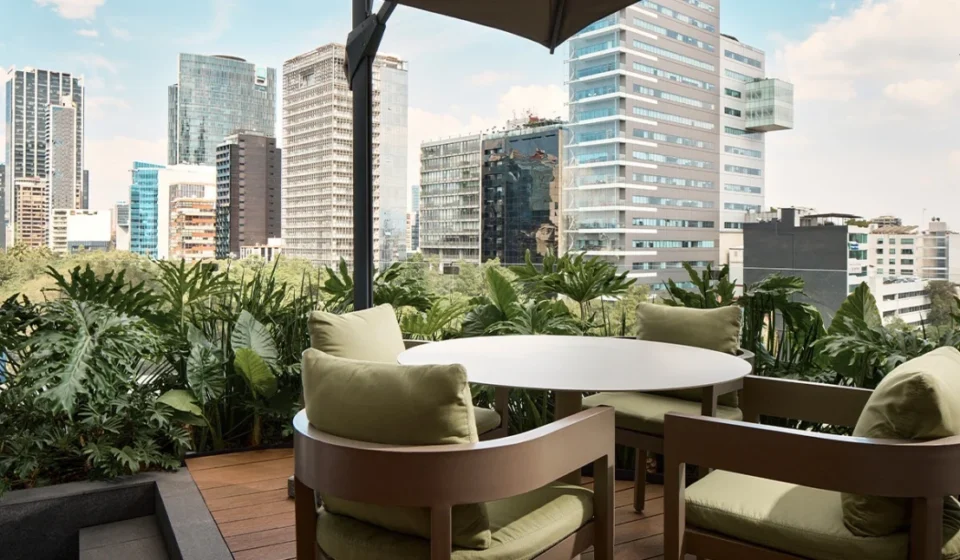
Across the United States and Mexico, a wave of architectural preservation and strategic renovation is fundamentally altering the landscape of luxury hospitality. From the historic corridors of Cincinnati’s business district to the sun-drenched coastlines of Baja California Sur, hotelier giants and independent boutiques alike are investing millions to marry storied legacies with contemporary functionality.
This transformation is not merely aesthetic. It represents a pivot toward "experiential hospitality," where the physical environment—ranging from preserved 1913 marble floors to cutting-edge conference facilities—is curated to tell a story while meeting the rigorous demands of modern business travelers and event planners. As hotels unveil new dining concepts, expanded meeting square footage, and refreshed interiors, they are setting a new benchmark for what it means to host in the 21st century.
The Evolution of the Guest Experience: Main Facts
The current trend in the hospitality sector is defined by a dual focus: honoring architectural heritage while integrating the technological and social amenities required by today’s workforce.
In Cincinnati, the Fidelity Hotel has officially opened its doors, breathing new life into the historic Gwynne Building. By transforming a 1913 Beaux-Arts landmark into a 165-room lifestyle destination, the property has successfully bridged the gap between early 20th-century grandeur and modern, high-tech event hosting.
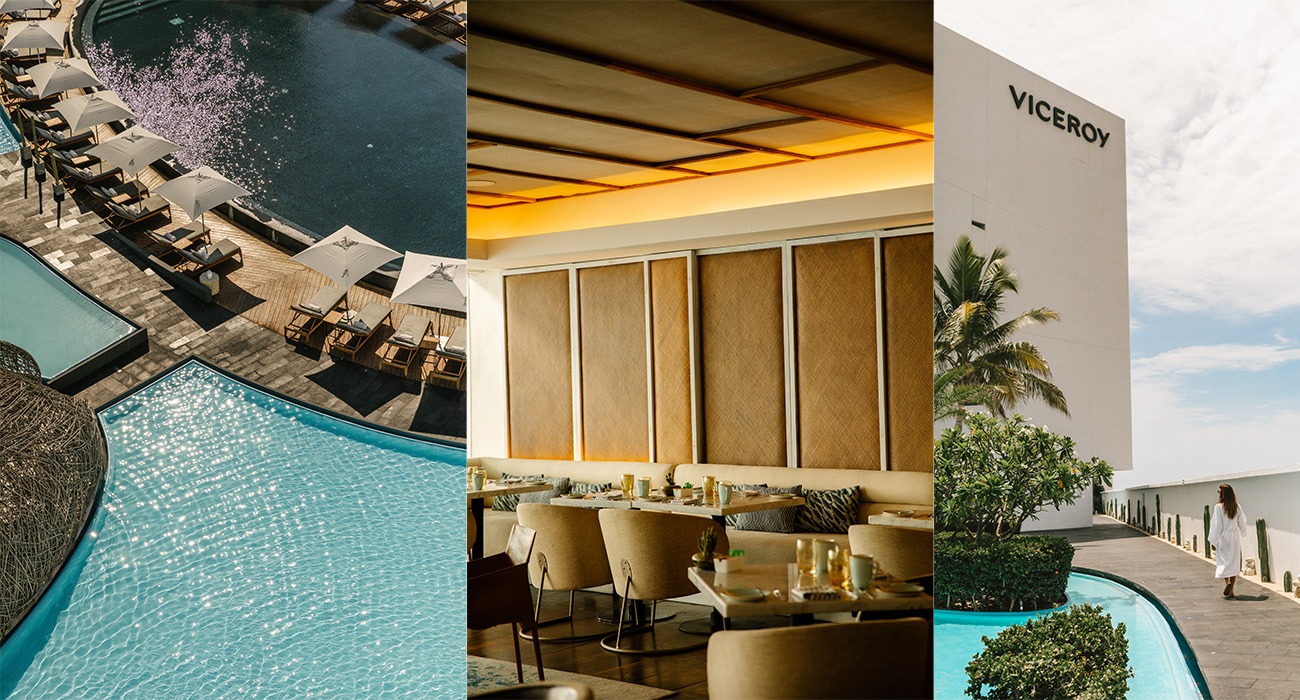
Simultaneously, luxury resorts like the Viceroy Los Cabos are undergoing comprehensive evolutions, focusing on the sensory arrival experience and the integration of hyper-local culinary concepts. In Austin, the AT&T Hotel and Conference Center has completed a $30 million overhaul, signaling that even institutional-adjacent properties are prioritizing a "residential" comfort level for corporate attendees. Meanwhile, the St. Regis Mexico City and the Hotel Du Pont are doubling down on archival storytelling, using their physical renovations to pay homage to their specific regional histories.
A Chronology of Transformation
The timeline of these developments reflects a broader post-pandemic rebound in the travel and events industry, characterized by a steady commitment to capital expenditure.
- 1913: The Gwynne Building (now the Fidelity Hotel) and the Hotel Du Pont both open, establishing the foundations of the architectural legacies being restored today.
- 2025: Hotel Du Pont begins a multi-phase renovation, reimagining its guest rooms and signaling a shift toward curated, intimate luxury.
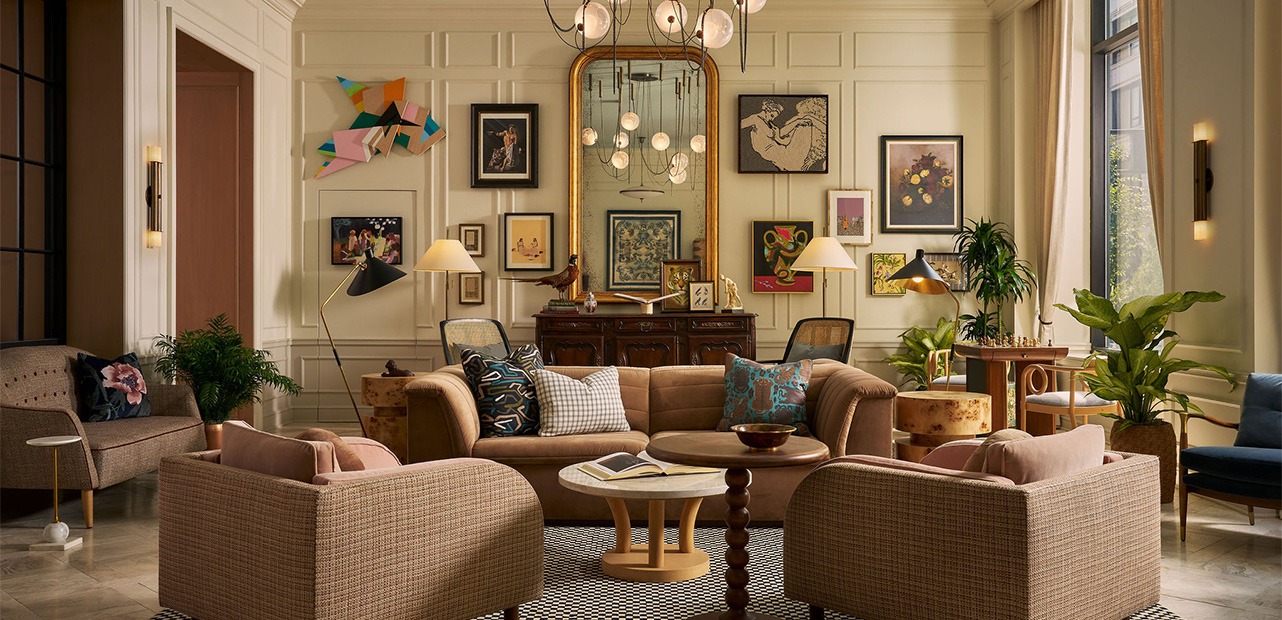
- Summer 2026: The St. Regis Mexico City debuts its multimillion-dollar redesign, moving away from traditional hotel aesthetics toward a "residential living room" model.
- September 2026: The Fidelity Hotel officially opens its doors in downtown Cincinnati, completing a major conversion project.
- Late 2026: The AT&T Hotel and Conference Center unveils its completed $30 million project, including its new junior ballroom, just in time for the peak fall meeting season.
- Future (Late 2026/2027): Hotel Du Pont prepares for a secondary phase involving a comprehensive lobby transformation, continuing the property’s multi-year evolution.
Supporting Data and Technical Specifications
For meeting planners and corporate travel managers, these updates are not just "nice to have"—they are functional assets. The following breakdown highlights the scale of these investments:
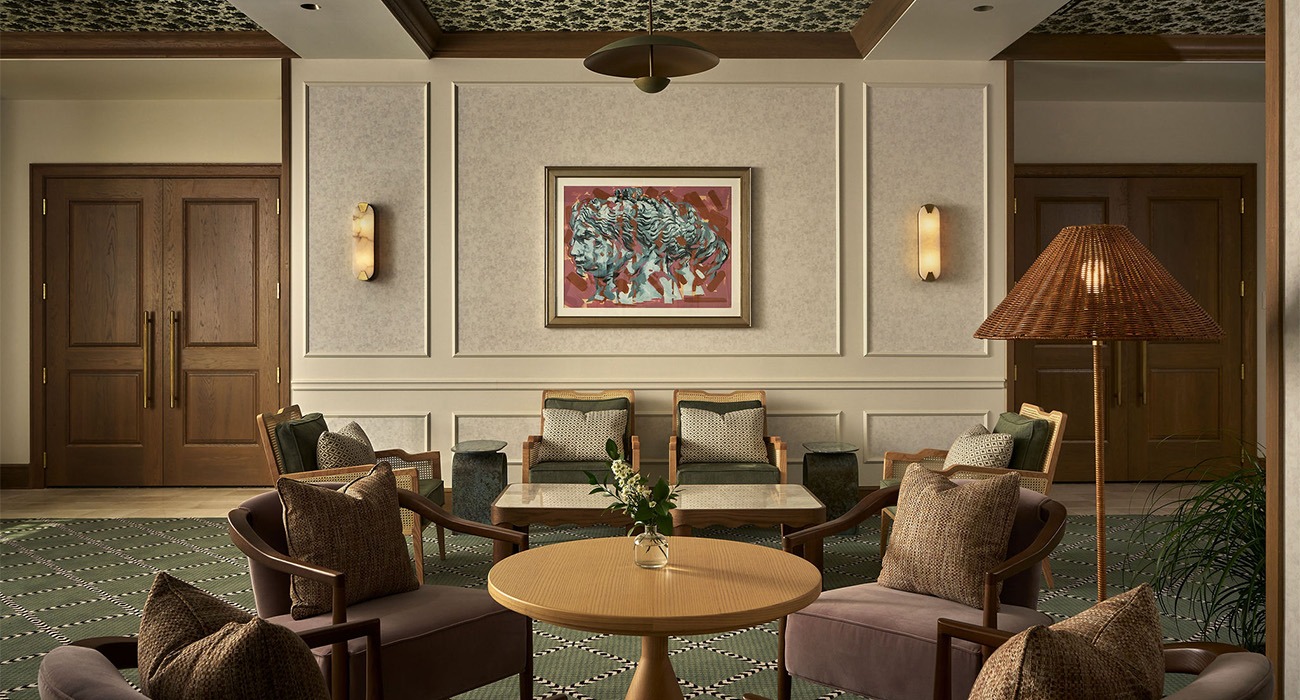
- Fidelity Hotel (Cincinnati): Offers a substantial 7,770 square feet of dedicated event space. The design, spearheaded by Looney & Associates, balances the original Beaux-Arts integrity with high-traffic, durable, yet elegant contemporary finishes.
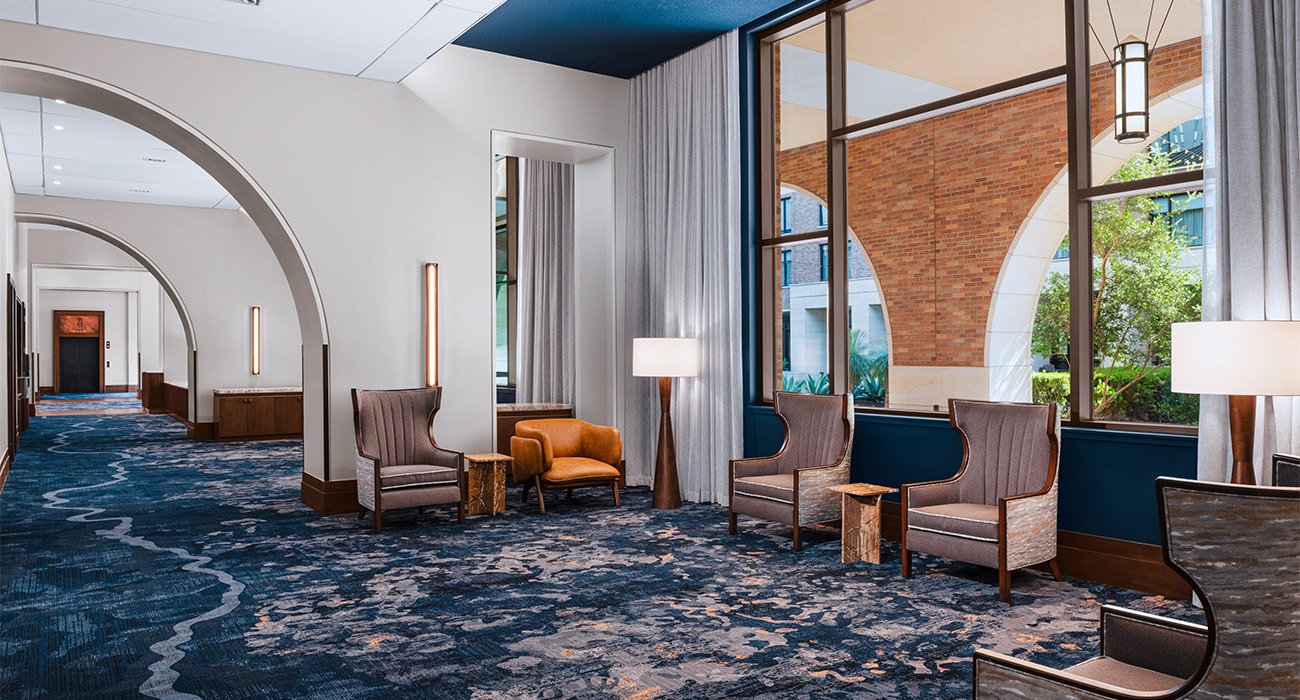
- AT&T Hotel and Conference Center (Austin): The $30 million investment covered 297 guest rooms and a total overhaul of conference facilities. The standout addition is the new junior ballroom, which provides flexible square footage for mid-sized corporate gatherings, a frequent pain point in urban conference center planning.
- Hotel Du Pont (Wilmington): The new 36-seat private dining room is a masterclass in boutique hospitality. By focusing on low-capacity, high-impact dining, the hotel targets executive retreats and high-stakes board meetings rather than just mass-market events.
- St. Regis Mexico City: The redesign encompasses 189 guest rooms and suites, with a focus on high-touch materials such as jade, cacao, stone, and marble. The use of custom furniture and artisanal lighting serves to reduce the "cookie-cutter" feel of global luxury chains.
Voices from the Industry: Official Perspectives
The shift in strategy is being driven by a clear directive: travelers want to feel they are in a specific place, not a generic box.
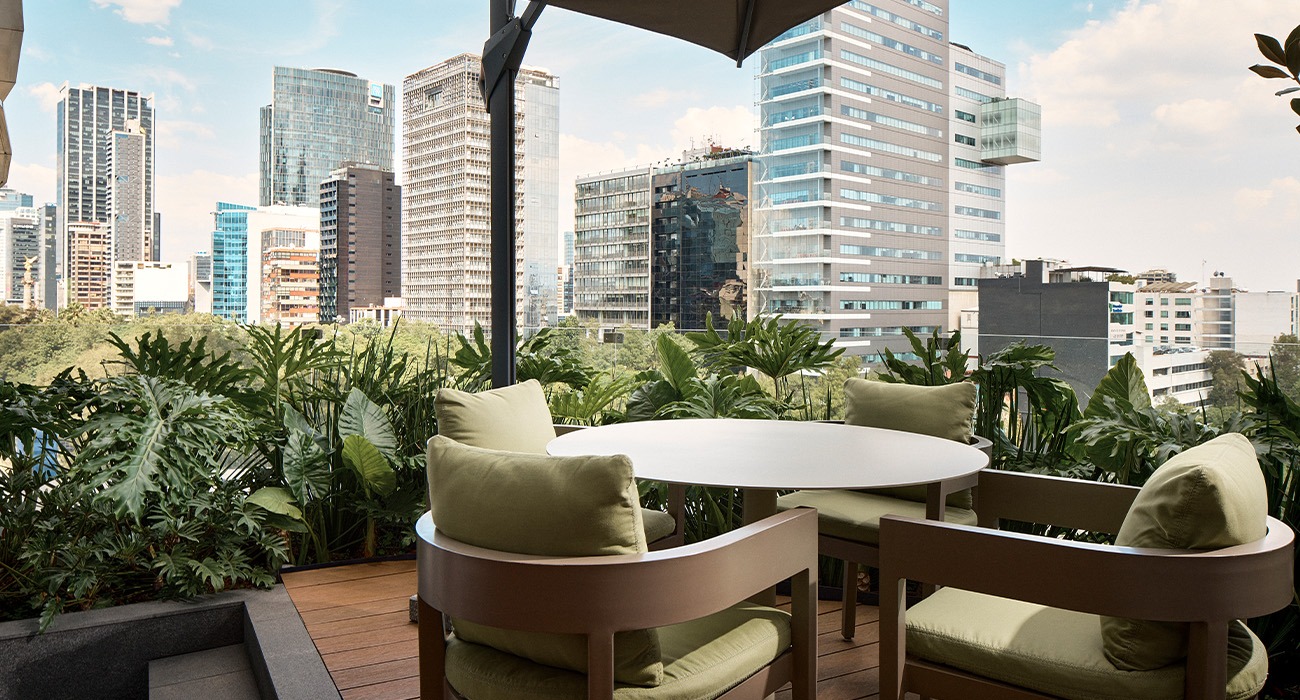
Regarding the St. Regis project, design leads at Kalí Design Group noted that the goal was to synthesize Mexico’s "layered history" with a contemporary perspective. By utilizing sculptural bronze and copper lighting—inspired specifically by the unique sunsets of the Valley of Mexico—the hotel is attempting to anchor the guest experience in the local environment, rather than forcing a global brand identity onto the space.
Similarly, at the Hotel Du Pont, the decision to restore the 1913 hand-clipped marble mosaic flooring was a strategic move to lean into the property’s provenance. By incorporating original sketches by Sophie du Pont into the design of their new dining space, the hotel is positioning itself as a cultural curator. "We aren’t just selling a room; we are selling the history of the DuPont family and the industrial legacy of Wilmington," a property spokesperson remarked.
In the case of the AT&T Hotel, the blend of Texas heritage with a modern, sleek design palette is designed to appeal to both the academic community at the University of Texas and the high-tech corporate sector that has flocked to Austin. The message from ownership is clear: the facility must be a catalyst for professional collaboration, not just a place to sleep.
Implications for the Future of Hospitality
The implications of these renovations are significant for both the traveler and the industry at large:
1. The Death of Generic Luxury
The industry is witnessing a move away from the "international style" that dominated the early 2000s. Whether it is the speakeasy-style vibe of the new Archaea at the Viceroy Los Cabos or the Frida Kahlo-inspired lighting at the St. Regis, the mandate is clear: personality matters. Hotels that fail to integrate local art, history, or materials are finding themselves at a competitive disadvantage against boutique-style, renovated properties.
2. The "Bleisure" Demand
The renovations at the AT&T Hotel and the Fidelity Hotel highlight the rise of the "bleisure" traveler—the professional who mixes business with leisure. By creating "destination dining" and "all-day cafes" (like Cora’s Cafe at the Fidelity), hotels are capturing revenue that would otherwise leak out to local independent restaurants. They are transforming the lobby from a transition space into a social hub.
3. Sustainability through Restoration
The focus on restoring 1913-era flooring and preserving original Beaux-Arts architecture is a win-win for sustainability. Rather than demolition and new construction, these brands are choosing adaptive reuse. This not only preserves the carbon footprint of the existing structures but also provides a level of architectural character that is impossible to replicate with modern concrete and glass.
4. Meeting Space as a Strategic Asset
For the events industry, the increase in flexible, tech-enabled spaces is critical. The addition of a new junior ballroom at the AT&T Center reflects a trend of "right-sizing" events. Meeting planners are moving away from massive, cavernous halls toward more intimate, acoustically refined rooms that encourage engagement and networking.
Conclusion
As the hospitality sector continues to navigate a changing global economy, the properties that thrive will be those that can successfully navigate the tension between the past and the future. By investing in the preservation of architectural history while simultaneously upgrading the technical and culinary offerings of their spaces, hotels like the Fidelity, the Viceroy, and the St. Regis are doing more than just renovating—they are curating.
For the meeting planner, the luxury traveler, and the business executive, this renaissance offers a new standard of excellence: one where the room is not just a place to stay, but a participant in the experience of the destination itself. The next five years will likely see this trend accelerate, as the demand for authentic, high-comfort, and historically grounded hospitality continues to redefine the luxury landscape.