

Late summer serves as a poignant, temporal threshold. As the garden reaches its crescendo—tomatoes heavy with juice and squash vines sprawling with relentless, verdant ambition—there is an inherent urge to gather. It is a season that mirrors the arc of human maturity: a moment to pause, look back at the harvest of one’s own life, and recognize that what we have gathered—our friendships, our failures, and our accumulated wisdom—forms a unique, personal biodiversity.
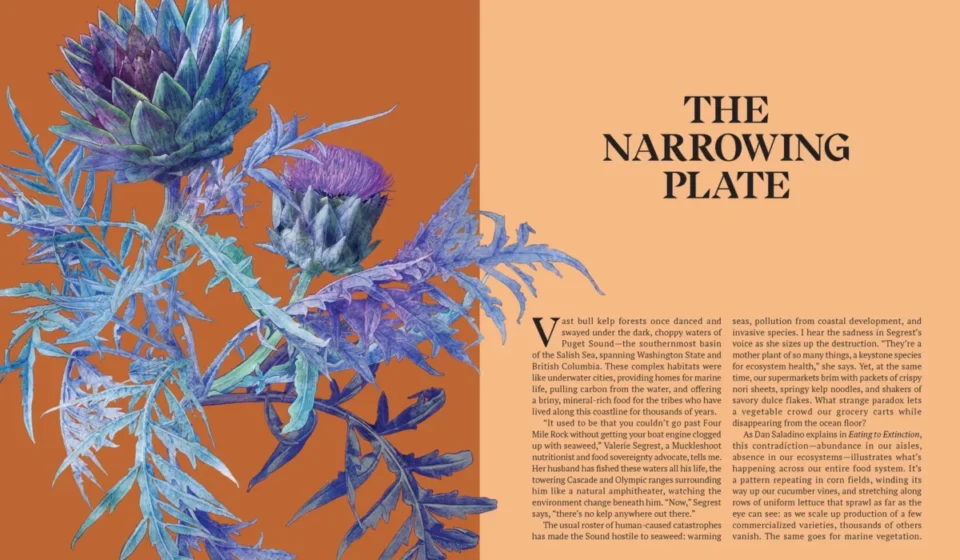
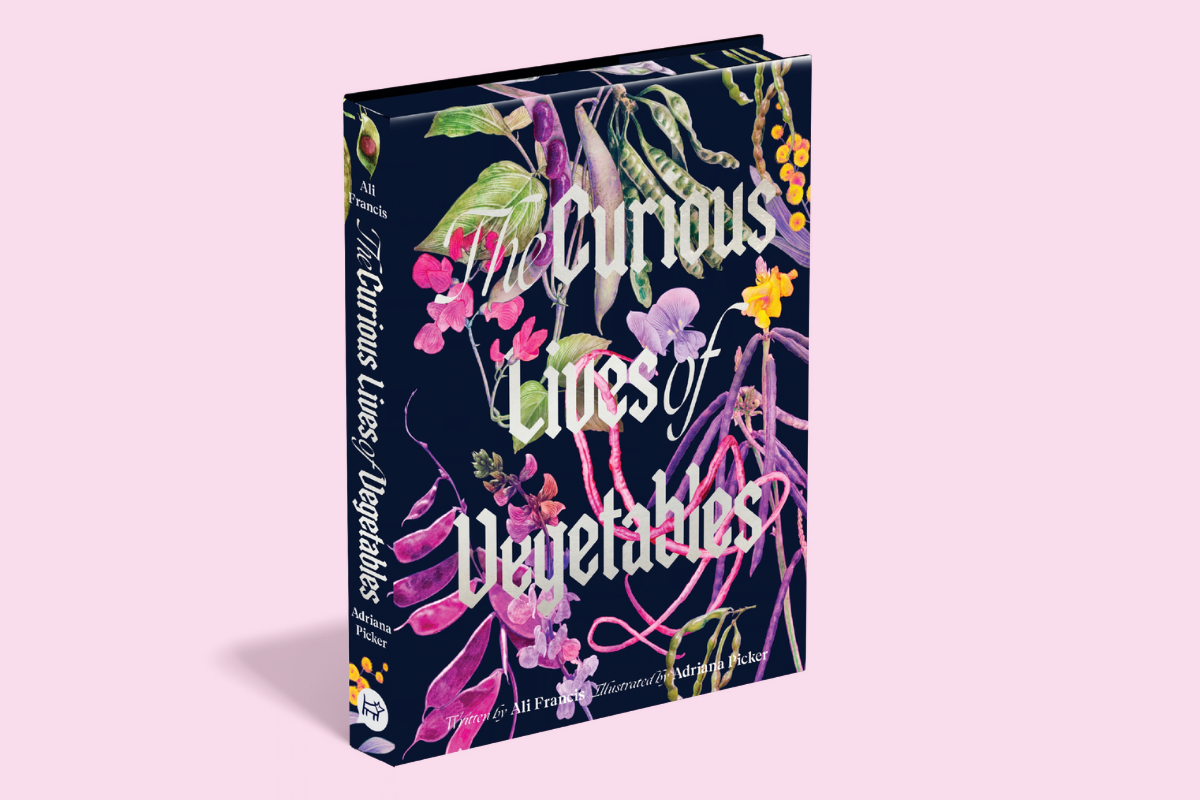
This philosophy of "taking stock" is at the heart of The Curious Lives of Vegetables, a new release from food journalist Ali Francis, featuring the evocative, intimate botanical illustrations of Adriana Picker. Released on September 15, the book is a meditation on the ordinary, urging readers to look past the clinical, uniform produce found in modern supermarkets and engage with the storied, complex, and often endangered history of the vegetables that sustain us.
The Shrinking Palette: A Crisis of Biodiversity
While contemporary consumers enjoy the illusion of infinite choice—strawberries in December and exotic produce imported from across the globe—we are simultaneously experiencing a profound, quiet collapse of agricultural variety.
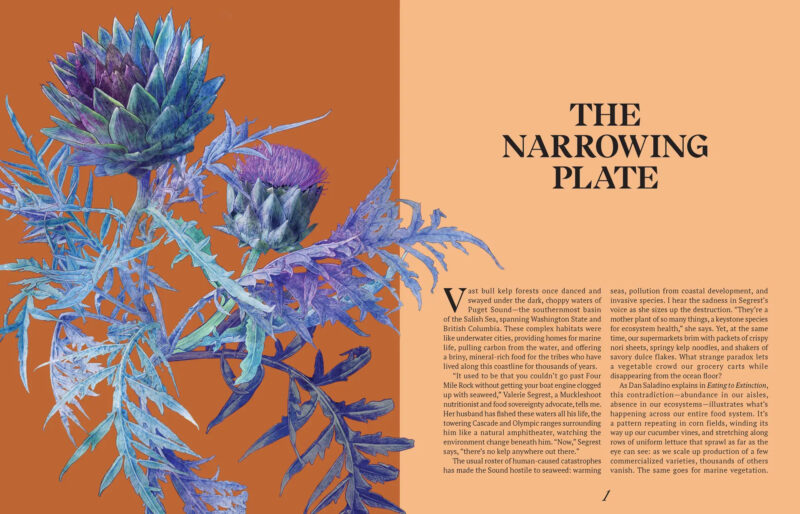
The data is sobering. According to historical agricultural records, more than 90% of the crop varieties documented in the early 20th century have vanished from mainstream supply chains. Our global food system has narrowed to a precarious bottleneck: rice, maize, and wheat now account for roughly 60% of all plant-driven calories consumed by humanity.
This paradox of "abundance without variety" is a central theme in Francis’s work. As we prioritize yield, shelf-life, and ease of transport, we have systematically traded genetic resilience for market-friendly uniformity. This loss is not merely aesthetic or culinary; it is a structural threat to global food security. When we rely on a monoculture, we leave our food systems vulnerable to pests, climate volatility, and pathogens. The Curious Lives of Vegetables posits that the path forward lies in re-embracing the heirloom and the obscure.
The Anatomy of an Ingredient: A Historical and Cultural Ledger
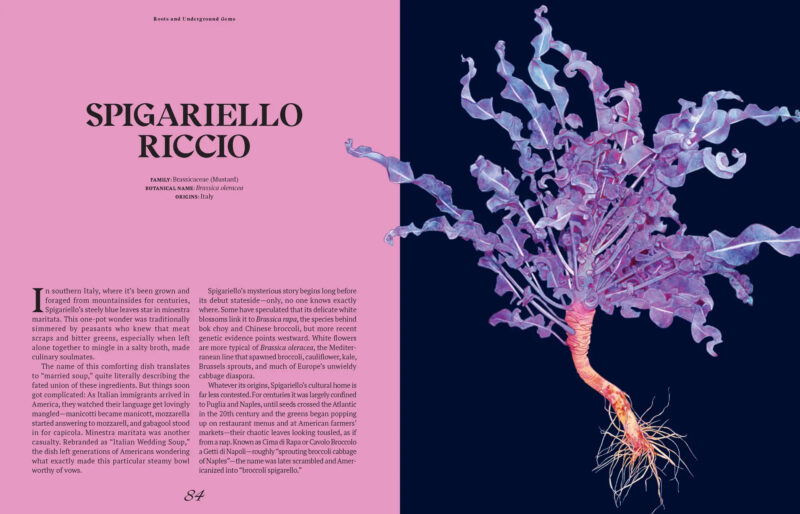
Francis profiles over 125 vegetables, treating each not as a commodity, but as a cultural artifact. The book follows the migration of crops across continents, tracing how changing tastes, imperial trade routes, and human ingenuity have shaped the very shape and flavor of the plants on our dinner tables.
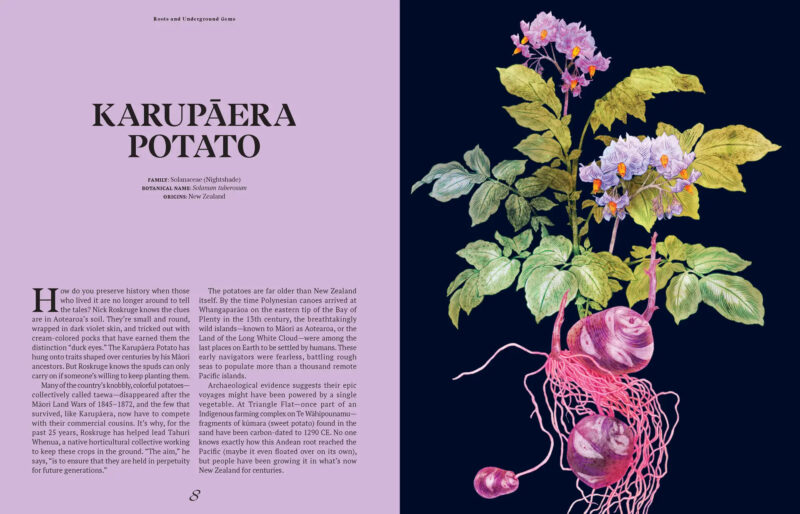
For example, the common carrot or the humble potato is treated with the gravity usually reserved for political history. By investigating the evolution of these vegetables, Francis highlights the "human-vegetable co-evolution." We think we know a carrot, but to understand its specific lineage is to understand the history of agricultural selection—the decisions made by ancestors to preserve certain traits while allowing others to fade into obscurity.
Artistic Documentation as Preservation
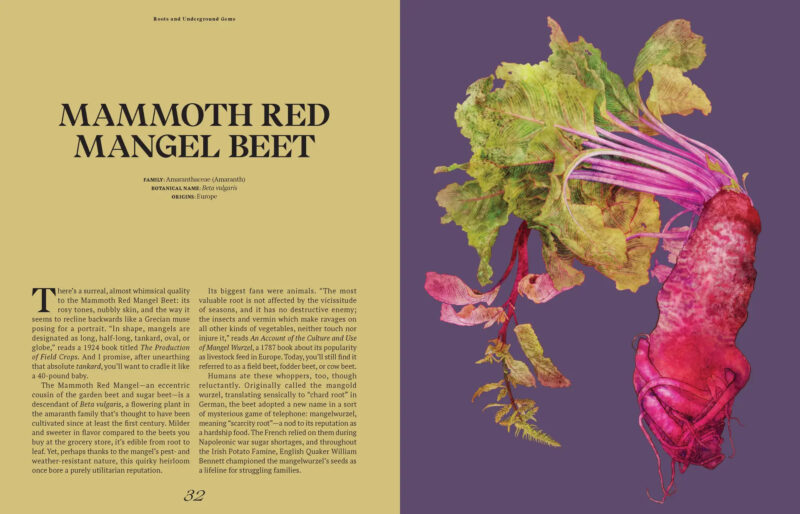
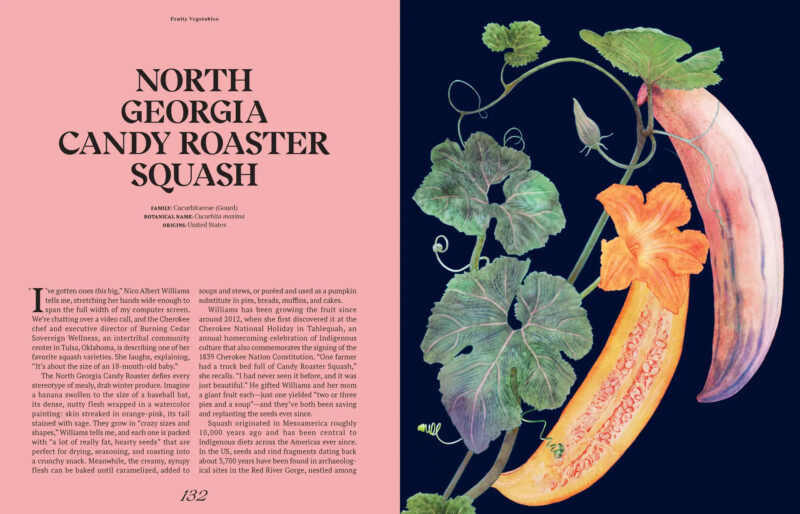
Adriana Picker’s contribution to the volume is essential to this mission. Her illustrations move away from the sterile, diagnostic style of scientific manuals, instead opting for a portrait-like intimacy. By rendering these plants with a sense of "being," Picker invites the reader to develop a relationship with the produce. This artistic approach serves a practical purpose: it dignifies the vegetable, transforming it from a nameless ingredient into an object of fascination worthy of protection.
A Quiet Rebellion: The Modern Seed-Saving Movement
Perhaps the most compelling implication of this study is the act of seed saving. For the vast majority of human history, the act of harvesting seeds to plant in the following spring was the fundamental rhythm of existence. However, the last century has seen this practice stifled by intellectual property laws, patent-heavy industrial agriculture, and the monopolization of seed stocks.
In this context, saving a seed has become a radical act of defiance. It is a refusal to be solely dependent on corporate supply chains and a commitment to maintaining genetic heritage. This movement has gained enough momentum to influence policy, most notably in Maine, where the 2021 "Right to Food" amendment explicitly codified the right to save and exchange seeds into constitutional law.
This resurgence is not limited to rural farmers. Even in modern, urban households, there is a shift toward a "back-to-basics" ethos. As one observer noted, the rebellious spirit once channeled into subcultures—like the D.I.Y. ethics of the punk movement—is increasingly being redirected toward the preservation of native plant life and the curation of heirloom varieties. The Seed Savers Exchange and similar organizations have become the new curators of cultural memory.
Implications for the Future of Food
The implications of The Curious Lives of Vegetables extend far beyond the kitchen. The book argues that biodiversity is not a distant, abstract environmental goal; it is a tangible reality that resides on our plates.
Why Diversity Matters
- Climate Resilience: Diverse crop varieties possess a wider range of genetic traits, allowing them to adapt to extreme weather, droughts, and heat—factors that threaten the survival of standardized industrial crops.
- Cultural Continuity: When a vegetable variety goes extinct, we lose more than a flavor profile; we lose the recipes, the medicinal knowledge, and the traditional farming practices associated with it.
- Nutritional Security: Industrial breeding often prioritizes size and shipping hardiness over nutrient density. Heirloom varieties frequently offer a richer, more complex profile of vitamins and minerals.
As we look toward an uncertain climate future, the preservation of these "curious" plants is an act of hedging our bets. We are keeping possibilities alive for the next generation.
Conclusion: A Pause Between Seasons
The genius of Ali Francis’s work lies in its ability to bridge the gap between the past and the future. By profiling these 125+ plants, she reminds us that the "ordinary" is, in fact, a miracle of human and natural history.
As the year draws toward its inevitable transition, we are reminded that autumn is not an ending. It is a period of reflection—a pause between the harvest and the next planting. We are, much like the heirloom squash or the rare potato, the accumulation of countless seasons. We are the sum of what was planted, what flourished under our care, what was neglected, and what we have chosen to carry forward.
The Curious Lives of Vegetables is an invitation to treat our consumption as an act of stewardship. By choosing to grow, purchase, and consume a wider variety of plants, we are not just expanding our culinary horizons; we are actively participating in the survival of our food systems.
In a world that constantly pushes for the new, the fast, and the standardized, there is a profound, quiet power in the act of saving a seed. It is a promise to the future that we have not forgotten the past, and that we still value the biodiversity that makes life—and dinner—so remarkably distinctive.
About the Author:
TJ Girard is a food designer and creative consultant known for creating theatrical, interactive food and beverage experiences. Based in California, she brings together culinary arts, design, and storytelling to create memorable, multi-sensory events.
The Curious Lives of Vegetables: An Artful Exploration of the Wonderful World of Edible Plants, Their History, and Their Crucial Role in Our Future by Ali Francis, with illustrations by Adriana Picker, is published by Hardie Grant and is available now.