The Return of an Icon: How IHOP is Leveraging Nostalgia and Indulgence to Drive Growth

After a six-year hiatus that sparked thousands of social media pleas, frantic customer inquiries, and persistent requests from its own frontline employees, IHOP has officially answered the call. On September 14, the national breakfast powerhouse officially reintroduced its beloved Stuffed French Toast to menus nationwide.
For the casual diner, it is a return of a favorite sweet treat. For the industry, however, the move represents a calculated strategic pivot. By reviving a legacy product, IHOP is not merely relying on brand heritage; it is doubling down on its "breakfast-first" identity to drive foot traffic, combat economic uncertainty through affordable indulgence, and bridge the gap between long-time loyalists and a new generation of diners.
The Chronology of a Comeback
The road to the return of Stuffed French Toast began long before the marketing campaign hit the airwaves. First introduced in 2003, the item became a hallmark of the IHOP experience, earning a permanent spot on the menu for over a decade. When it was quietly removed six years ago, it left a void that fans were quick to point out.
Lawrence Kim, who stepped into the role of IHOP President two years ago, spent a significant portion of his tenure on a "listening tour." Visiting more than 150 restaurants, he encountered a recurring theme: the demand for the return of the Stuffed French Toast.
"Some people may think that bringing back and relaunching Stuffed French Toast is random, but we all know it is not random," Kim notes. "Every time I speak with guests, every time I speak even with our cooks, they ask me, ‘Can you please bring back Stuffed French Toast?’"
The decision-making process was far from impulsive. IHOP maintains an internal "pantry"—a repository of hundreds of product concepts that have been ideated, tested, and stored for the right moment. The company evaluates these items based on demographic shifts, cultural trends, and brand alignment. With the rise of consumer demand for "affordable luxuries" in an unpredictable economic climate, the timing for the Stuffed French Toast finally aligned.
Engineered for Perfection: The Culinary Evolution
IHOP did not simply reach into the archives and pull out an old recipe. The development team undertook a rigorous process of modernization. By analyzing historical feedback, they identified a clear opportunity for improvement: the ratio of sweet cream filling.
"The overwhelming response was that guests wanted the product they remembered, but they wanted more," says the culinary development team. To meet this demand without compromising the structural integrity of the bread, IHOP tested approximately 100 variations. The solution was a proprietary, state-of-the-art injection process that ensures the sweet cream filling is distributed from corner to corner.
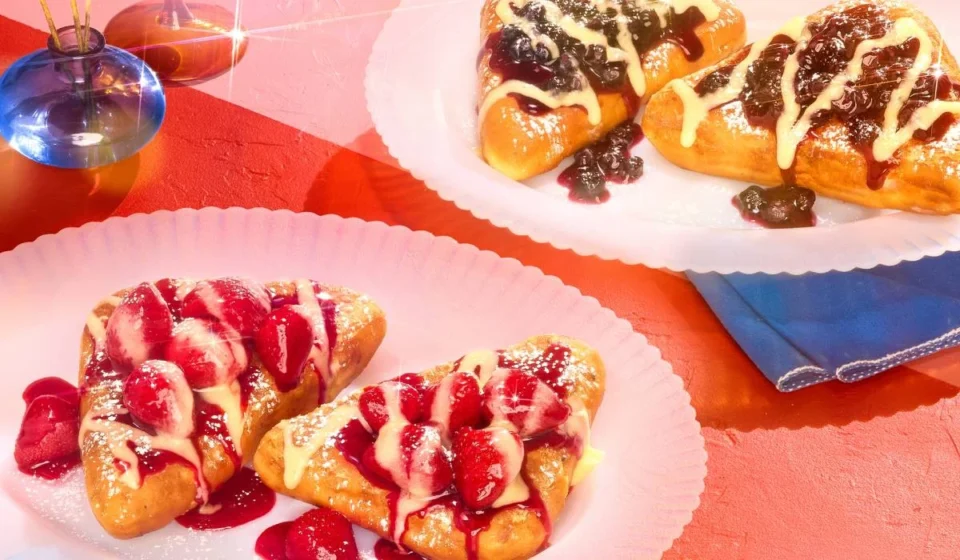
The result is a re-engineered signature item: two thick triangles of bread dipped in vanilla-cinnamon batter, griddled to perfection, and packed with more cream than ever before. Offered in Strawberry Vanilla and Blueberry Vanilla varieties, the dish is designed to be both an indulgent standalone breakfast and a premium addition to the chain’s traditional egg and bacon combinations.
Supporting Data: Why Breakfast Still Rules
The strategic weight of this launch is supported by IHOP’s internal data, which indicates that more than 75% of its orders are breakfast items, regardless of the time of day. This "breakfast-all-day" strength is a unique competitive advantage for the chain.
In a market where many competitors have drifted toward lunch and dinner segments, IHOP’s commitment to its breakfast roots remains its primary traffic driver. The introduction of Stuffed French Toast as its own distinct menu category serves to elevate the category’s perceived value. It follows the successful 2022 rollout of "Thick ’N Fluffy" French Toast and a 2024 refresh of the broader French toast platform, signaling to the market that IHOP intends to own the premium breakfast space.
Furthermore, the launch follows a period of intense focus on an "everyday value" platform. By balancing value-based offerings with premium, "crave-worthy" items, IHOP has managed to outperform industry traffic trends—specifically those tracked by Black Box Intelligence—for six consecutive quarters. The Stuffed French Toast serves as a secondary lever; while value drives frequency, the Stuffed French Toast provides the "indulgence factor" that keeps the brand relevant and exciting.
Official Responses and Strategic Vision
According to Lawrence Kim, the goal of this campaign is to provide "fancy without the compromise." In an era of inflation, where consumers are increasingly selective about where they spend their discretionary income, IHOP is positioning itself as an accessible luxury.
"We are really tied to our breakfast equities," Kim explains. "We’re really driving that combo nature because it’s what people crave. Those eggs, the bacon—it’s just a perfect complement to something like the Stuffed French Toast."
The company’s marketing team has leaned heavily into this theme with its "Fancy a French Toast?" campaign. By utilizing a stylized, Rococo-inspired aesthetic, IHOP is framing its breakfast as a form of elevated dining. To ensure this message reaches a younger demographic, the campaign features the K-pop group KATSEYE, effectively bridging the gap between a 20-year-old menu item and the tastes of Gen Z.
The Implications: A Blueprint for Brand Longevity
The return of the Stuffed French Toast is more than a marketing stunt; it is a case study in how established restaurant chains can leverage "brand equity" to maintain market share.
1. Combating Economic Uncertainty
By branding the product as an affordable luxury, IHOP is addressing the psychological needs of the modern consumer. When people feel the pinch of inflation, they are less likely to book a luxury vacation or a high-end dinner, but they are still willing to treat themselves to a $10–$15 breakfast experience that feels special.
2. Operationalizing Nostalgia
Nostalgia is a powerful emotional hook, but it must be paired with operational excellence to succeed. By refreshing the recipe with the new injection process, IHOP has ensured that the product meets modern standards of quality while honoring the memory of the original.
3. Strengthening the Core
Many restaurant chains falter when they stray too far from their core strengths. IHOP has learned that its identity is inextricably linked to its pancakes and French toast. By putting resources into the "Stuffed" category, the company is doubling down on what it does better than anyone else in the casual dining space.
4. Future-Proofing the Menu
The "pantry" strategy allows IHOP to remain agile. Instead of constantly reacting to fleeting fads, the company can deploy items from its development bank that have already been proven successful. This allows for a steady stream of "new" items that are actually refined classics, minimizing the risk of failure while maximizing the impact of every menu launch.
Conclusion
As IHOP looks toward the future, the Stuffed French Toast stands as a testament to the power of listening to one’s guests. By combining a deep understanding of consumer behavior with a commitment to culinary innovation, the chain has successfully turned a request from the past into a cornerstone of its current growth strategy.
Whether it is the "corner-to-corner" cream or the high-gloss marketing campaign, IHOP is betting that the path to future success is paved with the familiar. As Lawrence Kim aptly puts it, "When you think IHOP, you think the best breakfast items out there. Stuffed French Toast takes our French toast to an elevated level and it brings that fancy to new life." For a brand that has served millions of plates over decades, this latest chapter proves that while the menu may change, the power of a great breakfast remains timeless.