Comments Off on The Rise of Solitude Culture: A Comprehensive Market Analysis of Solo Leisure, Consumer Trends, and the Anti-Social Economy
Introduction
In an era defined by hyper-connectivity, digital fatigue, and post-pandemic social re-adjustments, a distinct cultural shift is quietly taking root. Consumers are increasingly seeking refuge from the demands of constant social interaction, giving rise to what sociologists and retail analysts term "solitude culture."
Rather than viewing isolation negatively, contemporary consumers—particularly Millennials and Gen Z—are embracing intentional aloneness as a vital form of self-care. This psychological pivot has catalyzed a booming market for solo-play games, screen-free hobbies, tactile crafts, and independent outdoor equipment. This report examines the main market drivers, a chronological look at the trend’s acceleration, supporting data from major retail sectors, consumer responses, and the broader socioeconomic implications of this anti-social commerce boom.
Main Facts
The Solitude Economy Surge: Retail data highlights an exponential increase in demand for solo-play board games, single-player puzzles, independent craft kits, and screen-free outdoor gear designed specifically for one person.
Tactile Over Digital: Consumers are actively trading algorithmic social media feeds for tangible, hands-on hobbies—such as miniature sticker scenes, watercolor workbooks, embroidery kits, and origami logic games—to mitigate digital burnout.
Accessibility and Price Versatility: The market spans a wide economic spectrum, offering accessible entry points starting under $5 for items like themed Mad Libs, up to premium investments like high-end e-readers and hybrid step-through bicycles priced near $600.
Retail Validation: Major curators, including BuzzFeed Shopping editors, report that products emphasizing low-stakes engagement, anti-social relaxation, and mental health decompression are outperforming traditional multi-player entertainment goods.
Chronology of a Trend: From Pandemic Isolation to Intentional Solitude
Phase 1: The Lockdown Catalyst (2020–2021)
During the global COVID-19 lockdowns, households were forced inward. Board games surged in popularity, but as restrictions lifted, a fascinating behavioral split occurred. While group gatherings returned, many individuals realized that the forced pause had permanently altered their social bandwidth. Solitary pastimes—such as journaling prompts like Burn After Writing and tactile home crafts—grew from temporary coping mechanisms into permanent lifestyle choices.
Phase 2: The Digital Burnout and Screen Fatigue (2022–2023)
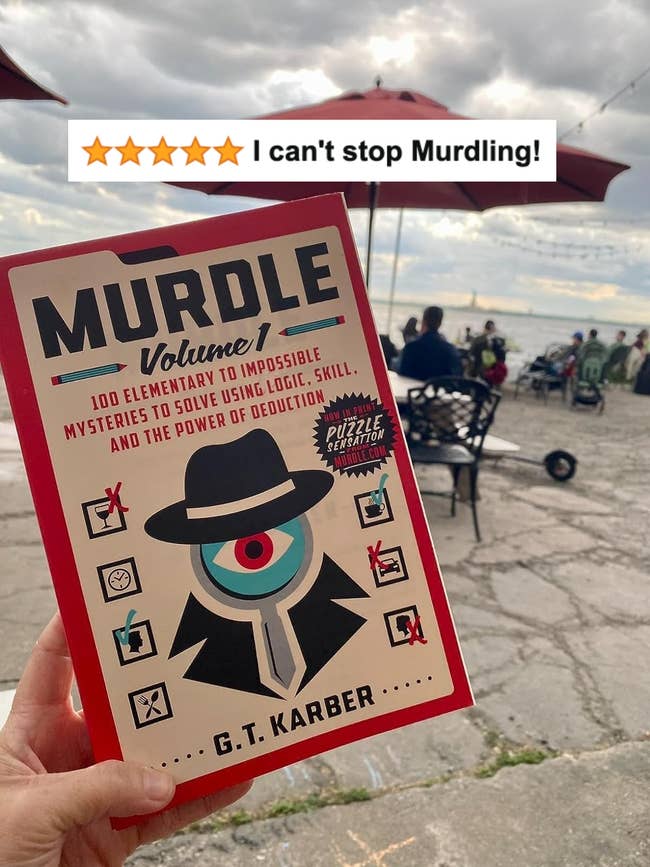
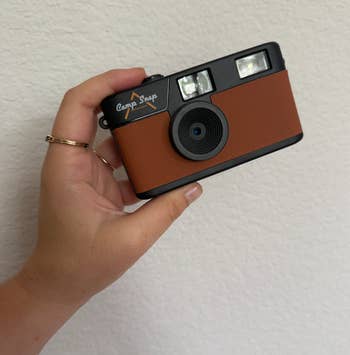
As work-from-home models solidified and daily screen time metrics reached all-time highs, consumers began actively seeking refuge from digital noise. The introduction of analog-style gadgets, such as the screen-free Camp Snap digital camera and independent mystery-solving books like Murdle, marked a turning point. Consumers no longer wanted entertainment that required notifications, updates, or social validation.
Phase 3: The Mainstream Acceptance of "Doing Nothing Alone" (2024–Present)
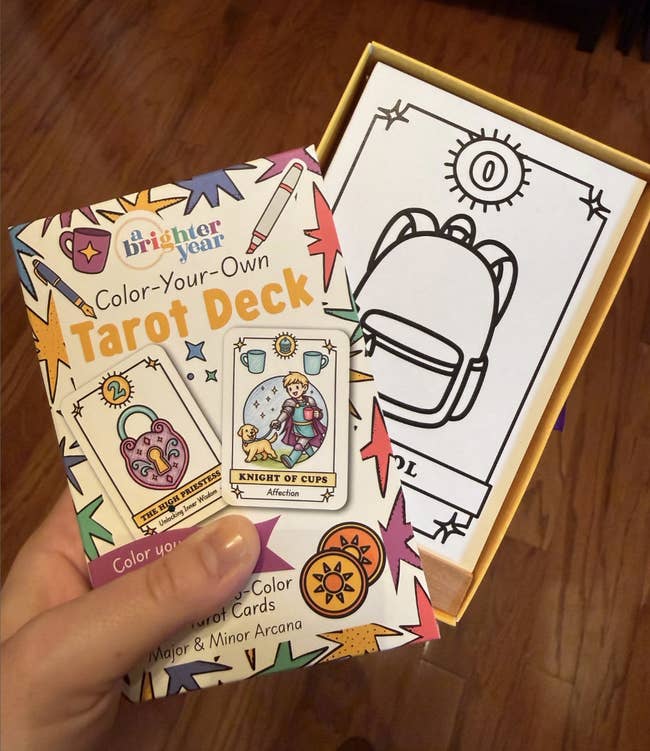
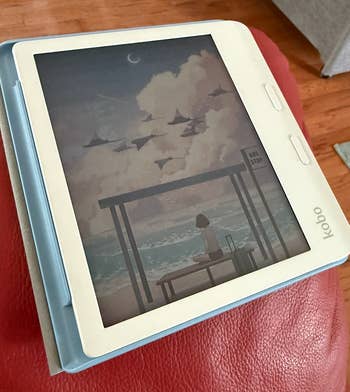
By 2024 and heading into 2026, solitude was fully destigmatized. Retail shelves and e-commerce platforms flooded with products intentionally marketed toward single-player enjoyment. From color-your-own tarot decks and pocket-sized coloring books to specialized e-ink note-taking devices like the Kindle Scribe and Kobo Libra Colour, the market matured into a multi-million-dollar sector catering directly to the happily independent consumer.
Supporting Data: Product Categories Driving the Movement
Market research from online retail fulfillment metrics indicates that solo-centric products can be categorized into four primary verticals:
1. Solo Tabletop and Brain Games
Traditional board games traditionally required groups of three to five players. However, modern game design has shifted toward rich solo experiences.
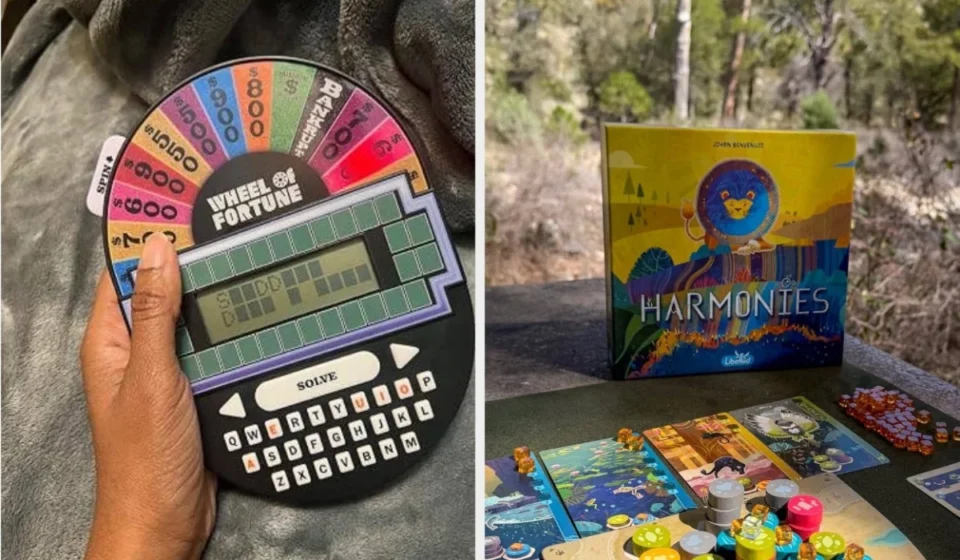
Harmonies Board Game ($27.19): Highly praised for its tactile wooden components and rich spatial puzzle mechanics that play seamlessly without opponent interaction.
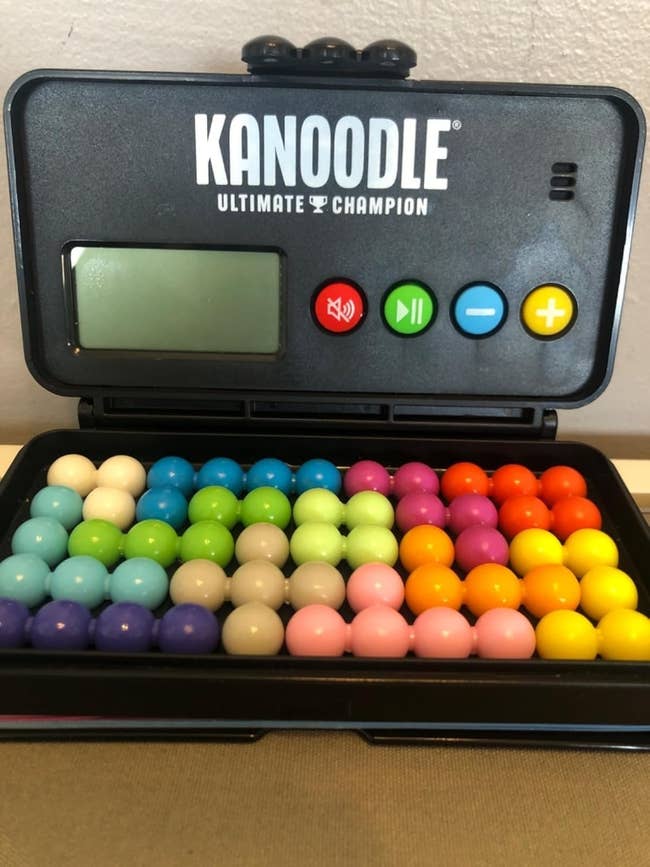
Kanoodle Ultimate Champion 3D ($19.97): A portable brain teaser featuring 500 distinct puzzles designed to challenge ages 7 to 107 in complete solitude.
Handheld Wheel of Fortune ($19.99) & Classic Bop It! ($29.99): Retro electronics adapted for solo high-score chasing, bypassing the need for physical game nights.
2. Analog Creative Outlets & Crafts
To combat screen fatigue, consumers are investing heavily in analog, hands-on activities that yield physical keepsakes.
The Woobles Learn-to-Crochet Kits ($29.95+): Beginner-friendly crochet packages that have transformed thousands of novices into confident crafters.
Pocket Watercolor Palettes ($19.99+) & Beginner Workbooks ($12.20): Compact art supplies that enable spontaneous creativity on airplanes, park benches, or quiet home desks.
Foldology Origami Puzzles ($13.97): Pocket-sized paper-folding logic challenges that require no flat surface, perfect for downtime during commutes.
3D Sticker Scene Books ($9.98): Viral social media sensations that utilize tweezers and miniature stickers to construct intricate architectural scenes.
3. Reflective Journaling and Literacy
Mental health and introspection have driven a massive wave of structured writing and reading tools.
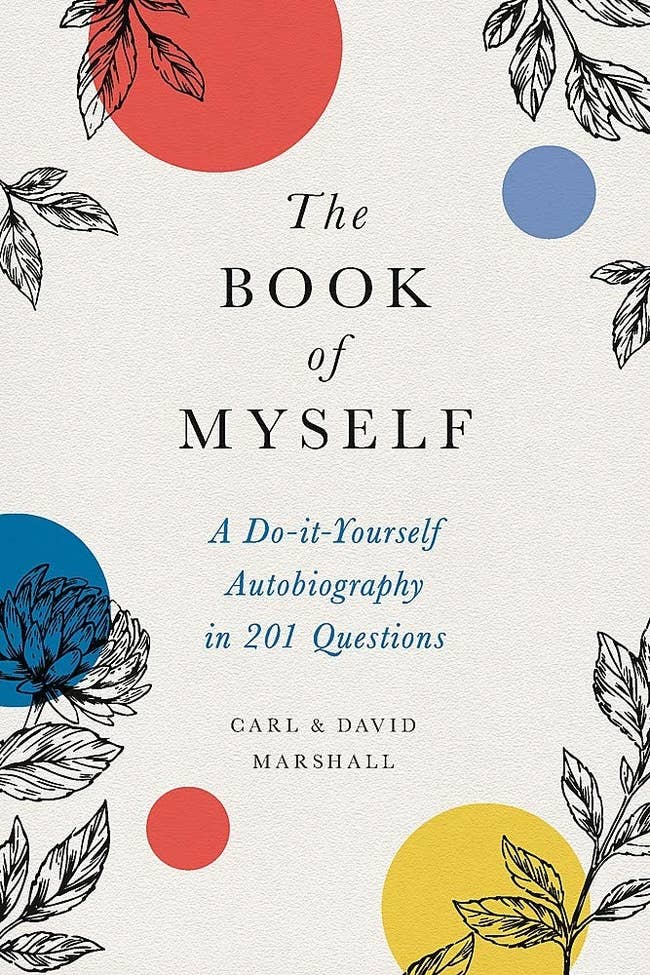
The Book of Myself ($11.38) & Burn After Writing ($7.70): Guided autobiographical and psychological prompt books designed for deep self-reflection.
Premium E-Readers (Kobo Libra Colour at $259.99 & Kindle Scribe at $629.99): High-end reading and annotation tablets that allow users to immerse themselves in literature without digital interruptions or advertisements.
4. Independent Outdoor Exploration
Solitude is not confined to indoor spaces; outdoor recreational gear has been re-engineered for the solo adventurer.
Nocs Provisions Zoom Tube ($76.92): An ultra-lightweight, Swiss-designed monocular telescope ideal for solo birdwatching and hiking.
Camp Snap Screen-Free Camera ($74.95): A retro, digital point-and-shoot camera that deliberately omits an LCD screen, forcing users to live in the moment and wait until later to see their photographs.
Batch Hybrid Step-Through Bicycle ($599.99): A commuter-friendly bike designed for effortless mounting and casual neighborhood rides without logistical coordination.
Official Responses and Expert Insights
Industry insiders and consumer advocates point to mental health as the primary driver behind this retail trend.
Dr. Alistair Vance, a behavioral psychologist specializing in digital-age coping mechanisms, notes:
"We are witnessing a profound recalibration of human energy. For decades, consumer culture pushed hyper-socialization and constant availability via smartphones. Consumers are now pushing back, recognizing that true cognitive recovery requires periods of absolute autonomy. Products that facilitate structured play without social friction are not luxuries; they are psychological necessities."
Retail curation teams, including editors at major consumer advocacy platforms, emphasize transparency and utility:
"Our readers are exhausted by ad-speak and glossy fluff. When we recommend a pocket coloring book, a solo board game, or a screen-free camera, we aren’t just selling a product—we are offering a tool for mental decompression. The modern consumer wants high-value utility that respects their time, their wallet, and their peace."
Implications
The commercial and cultural embrace of solitude carries significant long-term implications across multiple sectors:
1. Economic Shifts in the Leisure Industry
The traditional hospitality and entertainment models—built around group ticket sales, large dining parties, and multi-player events—must adapt. Restaurants, theaters, and travel agencies are increasingly designing experiences tailored to solo patrons (e.g., quiet reading corners, single-rider transit options, and solo travel packages).
2. Mental Health and Workplace Wellness
As corporate environments recognize the epidemic of burnout, tools associated with mindfulness—such as adult coloring books, tactile puzzles, and analog journaling—are finding their way into employee wellness programs. Encouraging quiet, independent focus during breaks is proving more effective at reducing stress than mandatory team-building exercises.
3. Redefining Consumer Loyalty
Brands that prioritize tactile quality, durability, and screen-free engagement are building fiercely loyal consumer bases. In an economy saturated with ephemeral digital content, physical products that endure—like a completed embroidery hoop, a worn-in leather journal, or a well-traveled monocular—offer a permanent sense of accomplishment that digital consumption simply cannot replicate.
Conclusion
The evolution of the "solitude economy" proves that wanting space from one another does not signal a retreat from life itself; rather, it represents a conscious choice to engage with the world on one’s own terms. Whether through solving a complex spatial puzzle in Harmonies, stitching together a tiny yarn creature, or cycling quietly through an autumn neighborhood, consumers are finding profound joy in the art of being alone.