The Rise of the Corduroy Suit: How "Poor Man’s Velvet" Became the Ultimate Symbol of Modern Tailored Rebellion

Main Facts: The Contemporary Tailoring Renaissance
For decades, corduroy was relegated to the sartorial sidelines. Often dismissed as the uniform of eccentric academics, suburban dads in the 1970s, and thrifty students browsing mall clearance racks, the fabric carried a distinctly workaday, unassuming reputation. Immortalized on screen by Robin Williams’s passionate poetry teacher in Dead Poets Society and Donald Sutherland’s burnt-out professor in Animal House, corduroy was a textile defined by its democratic roots rather than luxury pedigree.
Today, that narrative has been entirely upended. The modern corduroy suit has evolved into one of the most coveted, luxurious, and versatile items in contemporary menswear. Far from the rigid, heavy trousers and stiff blazers of the past, today’s corduroy is supple, rich, and sophisticated. Far from signaling drab conformity, the textured fabric provides a relaxed yet elevated elegance, capturing the attention of top-tier designers and high-fashion houses alike.
At the forefront of this movement is a roster of elite menswear brands—including Brunello Cucinelli, Massimo Alba, J. Mueser, Ralph Lauren, Todd Snyder, and Cesare Attolini—that have reimagined the fabric. By introducing everything from fine-wale double-breasted jackets to rich, frosted colorways, these labels have turned corduroy into the "anti-suit suit": a garment that offers all the architectural structure of bespoke tailoring without any of the stuffy corporate stiffness.

Chronology: From Schoolroom Staple to the Runways of Milan
To understand the current obsession with corduroy tailoring, one must trace its journey from humble origins to high-fashion runways:
- The Mid-20th Century Workaday Era: Corduroy establishes itself as a durable, utilitarian fabric. Associated closely with practicality, it becomes the unofficial uniform of blue-collar workers, country squires, and academics who favored durability over cutting-edge style.
- Pop Culture Immortalization (1970s–1980s): The fabric finds a home in Hollywood, worn on-screen by actors portraying unconventional intellectuals and anti-establishment figures. It gains a nostalgic foothold in the collective consciousness through back-to-school shopping trips and campus culture.
- The Modern Tailoring Shift (Late 2010s): Independent tailors and contemporary designers begin experimenting with softer cotton blends and finer wales (the raised parallel ridges of the fabric). Brands like Massimo Alba champion the corduroy suit, demonstrating its effortless adaptability.
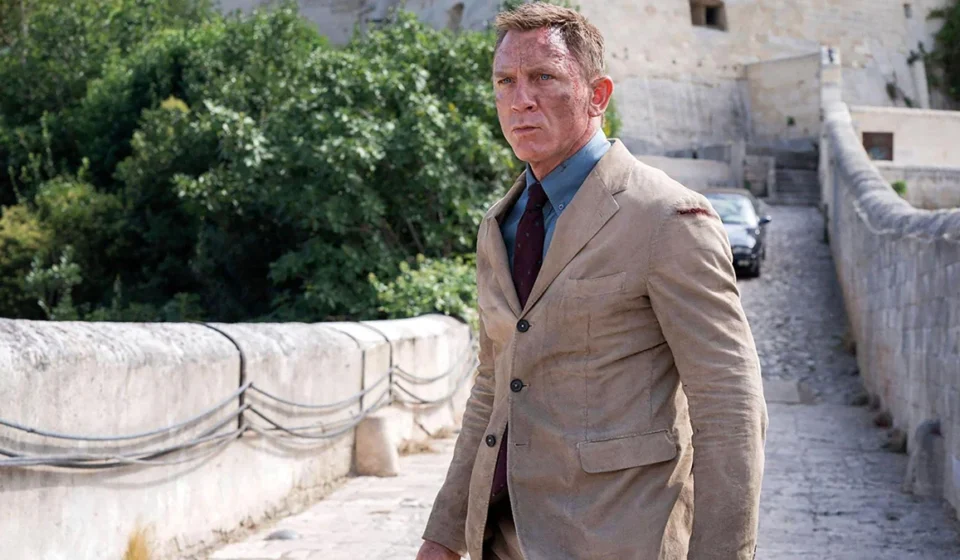
- Cinematic Validation (2021): Daniel Craig’s James Bond wears a striking Massimo Alba corduroy suit during the opening chase sequence of No Time to Die, proving to a global audience that the fabric is rugged enough for action and refined enough for international espionage.
- The Runway Explosion (Present): At recent menswear showcases at Pitti Uomo in Florence and Milan Fashion Week, corduroy dominates collections. Luxury houses present intricate, multi-shaded, and impeccably tailored pieces, cementing corduroy’s status as a staple of modern high fashion.
Supporting Data: The Anatomy of Modern Corduroy
The secret to corduroy’s upscale transformation lies in its tactile complexity. To appreciate why discerning buyers are investing thousands of dollars in these suits, it helps to examine the material specs and market offerings:
- The Wale Factor: Corduroy is defined by its "wales"—the number of ridges per inch. While wide-wale trousers lean casual and nostalgic, modern tailored suits frequently utilize fine-wale cotton. These tighter ridges create a subtle, striated texture that doesn’t scream for attention like a loud pinstripe; instead, it reveals depth only upon close inspection, akin to a luxury watch’s textured dial.
- Pricing and Investment: High-end iterations reflect the fabric’s luxury status. For instance, Brunello Cucinelli’s frosted cotton corduroy one-and-a-half breasted "Tailor" blazer features intricate metal buttons and is priced at $6,150. Meanwhile, bespoke and ready-to-wear institutions like J. Mueser offer single-breasted corduroy jackets (such as their signature Waverly suit) starting around $2,050.
- Versatility Metrics: Unlike traditional worsted wool suits that demand crisp oxfords, silk ties, and formal occasions, corduroy acts as a sartorial chameleon. Enthusiasts routinely dress down these suits with cashmere hoodies, graphic sweatshirts, or chunky combat boots, bridging the gap between high-end tailoring and casual streetwear.
Official Responses: What Designers and Tailors Are Saying
The luxury fashion industry has fully embraced corduroy, viewing it not as a passing trend, but as a fundamental evolution in how men approach formalwear.

At the most recent menswear presentations, designers were eager to explain the meticulous craftsmanship required to elevate the fabric. During a showcase of a fine-wale double-breasted gray suit—featuring subtle, dual-shaded ribs—a senior representative for Brunello Cucinelli emphasized the complex engineering required to achieve visual depth in cotton textiles. The goal, designers note, is to create garments that feel substantial yet weightless, luxurious yet entirely approachable.
Massimo Alba, whose tailoring has long championed relaxed Italian elegance, has consistently argued that corduroy possesses an inherent warmth and vitality that flat wool simply cannot replicate. By softening the internal canvas and shoulder construction of their blazers, these design houses ensure that the resulting suits drape naturally over the body, eschewing the rigid posture traditionally associated with tailored menswear.
Implications: The Psychology of the "Anti-Suit Suit"
The surging popularity of the corduroy suit points to a broader cultural shift in post-pandemic menswear: the death of rigid corporate formality and the rise of "soft power" dressing.

As remote work and flexible office environments redefine professional dress codes, the traditional business suit has increasingly felt obsolete or overly conformist. Enter corduroy. It offers a form of plausible deniability for the modern dresser. By wearing a corduroy suit, an individual can project professionalism and care for their appearance while simultaneously signaling that they reject the stuffy, uniform nature of corporate America.
It is a fabric that bridges contradictions: it is sturdy yet soft, familiar yet eccentric, democratic yet rarefied. For those with a rebellious streak—whether channeling the spirit of punk rock icon Joe Strummer or simply looking to inject personality into a wardrobe dominated by charcoal and navy wool—corduroy offers an ideal compromise. It provides absolute sartorial control with just enough give.
Ultimately, whether one opts for a versatile black J. Mueser jacket, a sophisticated gray Ralph Lauren ensemble, a mustard Alex Mill piece, or takes a bold gamble on an impulse-buy mauve Todd Snyder number, the corduroy suit represents a freeing realization. It is clothing designed not for specific, rigid occasions, but for a life lived with style, comfort, and a subtle wink to convention.
Related posts: