
In the rapidly shifting landscape of digital discourse, few platforms have captured the collective imagination quite like Bluesky. What began as an experimental side project within the halls of Twitter (now X) has blossomed into a formidable force, boasting over 30 million users—a tripling of its user base in less than six months. From artists and journalists to high-profile figures like Barack Obama, a diverse tapestry of users is migrating to this platform, seeking an alternative to the algorithmic-heavy, ad-saturated environments that have defined social media for the past decade.
But is Bluesky merely a fleeting trend, or does it represent a structural shift in how we conceive of digital social spaces? As brands and creators navigate a period of platform fatigue, understanding the technical and cultural underpinnings of this decentralized network is no longer optional—it is a strategic necessity.
A Brief Chronology: From Lab Experiment to Mainstream Contender
The story of Bluesky is one of deliberate, almost academic, design. It was originally incubated by Jack Dorsey and the team at Twitter in 2019 with the explicit goal of creating an "open and decentralized standard for social media." The objective was to decouple the user experience from the corporate control that often dictates the fate of social platforms.

- 2019-2021: The R&D phase. Bluesky operates as a small team dedicated to developing the AT Protocol (Authenticated Transfer Protocol), a framework designed to give users more control over their data and identity.
- 2023: The "Invite-Only" beta. Bluesky generates significant scarcity-driven buzz, establishing a reputation as a curated, high-quality digital enclave.
- Early 2024: The public pivot. By opening its doors to the general public, the platform experiences its first major wave of adoption, shifting from a niche technical experiment to a consumer-facing product.
- Late 2024 – 2025: Explosive growth. Following major shifts in other social networks, Bluesky sees an influx of millions of users, cementing its status as a viable alternative for the "early internet" crowd.
The Technical Edge: Why the AT Protocol Matters
To understand why users are flocking to Bluesky, one must look "under the hood." Most social media platforms are closed systems, or "walled gardens." If a creator builds an audience on TikTok or Instagram, that audience is trapped within the company’s servers. If the platform changes its algorithm or goes bankrupt, the creator loses their reach and their identity.
Bluesky disrupts this model through the AT Protocol. By making the platform decentralized, it treats your digital identity like an email address or a phone number. If you choose to leave Bluesky, you can theoretically take your followers and your content with you to another app built on the same protocol. This radical autonomy is a primary draw for users who are tired of being at the mercy of corporate decision-makers.
Supporting Data: What Drives the Audience?
According to the Q3 2025 Sprout Pulse Survey, the motivations behind the Bluesky migration are clear and distinct from typical social media behavior:

- 51% of users prioritize the ability to curate their own feeds.
- 44% of users are motivated by the ad-free, non-commercial experience.
- 31% of users cite the platform’s focus on niche, community-driven interests as their primary reason for engagement.
Unlike platforms that force-feed content based on engagement bait, Bluesky offers a "choose your own adventure" model. Users can subscribe to "Custom Feeds"—curated timelines maintained by the community—such as "BookSky" for literary discussions or "Quiet Posters" for those who prefer a lower-volume experience. This shifts the focus from passive consumption to active, intentional community building.
The Cultural Implications: A Return to the "Early Internet"
There is a palpable sense of nostalgia on Bluesky. The culture is often described as "lo-fi" and "quirky," reminiscent of the internet before the era of hyper-optimized influencer marketing. Because there are no ads, success on the platform cannot be purchased. Brands cannot simply throw money at a campaign to guarantee impressions.
This necessitates a significant strategic shift. Corporate-speak and mass-produced content often fall flat here. Instead, successful participants are those who treat the platform as a place for genuine, horizontal conversation. The community is highly sensitive to accessibility, with a strong culture around image descriptions (alt text), often using the 2,000-character limit for witty commentary or "Easter eggs."

Moderation and Safety: A Collaborative Approach
The decentralized nature of the network also creates a unique approach to safety. Bluesky utilizes a "stackable moderation" system. Rather than relying on a single, opaque corporate team to decide what is acceptable, the platform allows users to subscribe to different moderation filters. If a user wants a strict, high-curation environment, they can subscribe to a specific filter that blocks certain types of discourse. This empowers the individual to be the architect of their own safety, though it remains a challenge as the platform scales.
Navigating Risks: Misinformation and Scaling
No platform is without its growing pains. The very freedom that allows niche communities to thrive also provides a sandbox for bad actors. In late 2024, the platform faced an influx of spam accounts and impersonators, particularly those targeting public figures.
Bluesky’s response has been to double down on verification. By introducing domain-based handles (where a user can verify their identity by proving they own a website, such as @brand.com) and partnering with trusted institutions like The New York Times, the platform is working to build a baseline of trust. However, for brands, the lesson is clear: Verification is not optional. To protect brand equity on a decentralized network, claiming your digital identity via a domain handle is a critical first step.

Implications for Brands and Strategy
For businesses, the question is no longer "should we be on Bluesky?" but rather "how do we adapt our strategy?"
1. Shift to Conversational Content
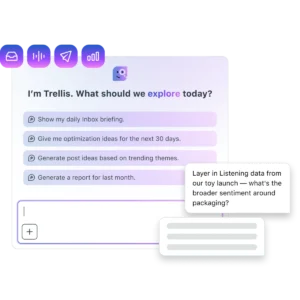
Because the audience prioritizes authenticity, brands should avoid "copy-paste" marketing. Instead, focus on listening. Using tools like Sprout Social, brands can monitor niche conversations to understand what their audience actually cares about, rather than guessing.
2. Leverage "Starter Packs"
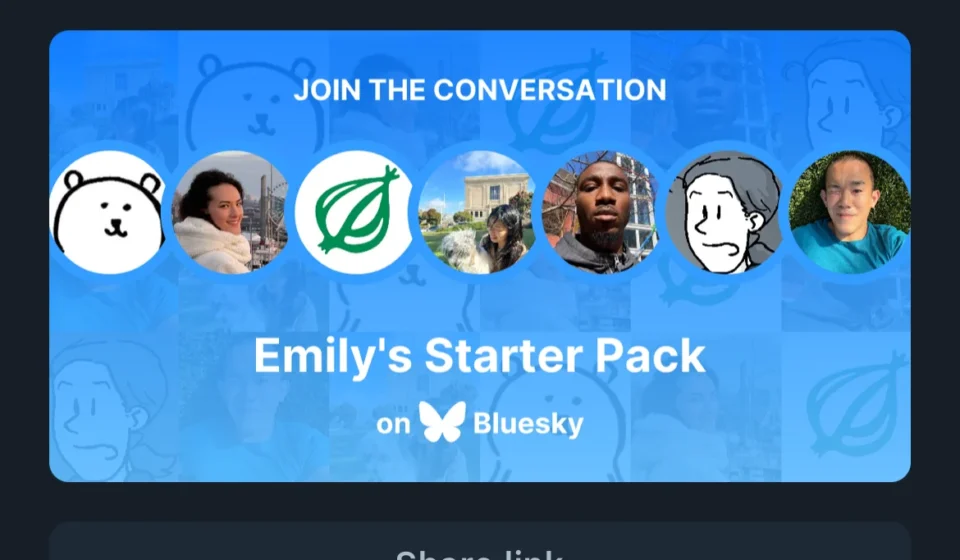
One of the most effective features for new arrivals is the "Starter Pack." Brands can curate lists of accounts and feeds relevant to their industry, acting as a curator for their followers. This establishes the brand as a thought leader and a helpful resource within the ecosystem.

3. Embrace the "Ad-Free" Reality
With Bluesky developing a subscription model for premium features (such as higher-quality video and analytics) rather than an ad-based model, brands need to pivot toward high-value, high-engagement content. Visibility is earned through resonance, not budget.
4. Utilize Advanced Listening
Tools like NewsWhip, integrated with social management platforms, allow brands to track "early signals." Since Bluesky is a hub for journalists and academics, it often acts as an incubator for news stories before they hit the mainstream. By monitoring Bluesky, PR teams can identify reputational risks or emerging trends before they escalate.
Conclusion: A Playground for the Future
Bluesky is not merely a replacement for X or a competitor to Threads; it is an alternative architecture for the social web. Its growth from a side project to a platform of 30 million users demonstrates that there is a significant, unmet demand for a digital space that prioritizes the user over the algorithm.

For brands that are willing to experiment, engage with humility, and prioritize genuine connection over sterile metrics, Bluesky offers a rare opportunity: the chance to participate in the formation of a new digital culture. As the network continues to scale, those who enter with a strategy rooted in community, transparency, and technical savvy will be the ones to thrive. The "Early Internet" may be gone, but on Bluesky, it feels like it’s just being reborn.