The Science of Small Anoyances: A Comprehensive Investigation into Over-the-Counter Solutions for Everyday Body Care

Main Facts: The Growing Consumer Shift Toward Targeted Body Care
In the modern landscape of personal care, consumers are increasingly treating everyday physical maintenance with the clinical precision once reserved for complex dermatological treatments. From persistent body acne and stubborn keratosis pilaris to chronic dandruff and recurring chafing, minor bodily annoyances have long been accepted as immutable parts of the human condition. However, a massive surge in consumer-driven data and viral product efficacy has shifted the paradigm.

Recent market trends indicate a significant pivot toward over-the-counter (OTC) products utilizing active ingredients like hypochlorous acid, ketoconazole, salicylic acid, and encapsulated retinols. Rather than relying on expensive, prescription-only interventions, shoppers are turning to accessible, highly rated consumer products that deliver professional-grade results at a fraction of the cost. This shift is reshaping the beauty and wellness industries, placing high-performance formulations directly into the hands of everyday consumers looking to banish routine discomforts.
Chronology: The Evolution of "Miracle" OTC Skincare
The journey from traditional, rudimentary home remedies to targeted, scientifically backed OTC treatments has evolved rapidly over the past decade:
- Pre-2015: Consumers largely relied on basic drugstore lotions, physical scrubs, and generic soaps to manage skin and hair issues, often experiencing lackluster results or skin irritation from harsh abrasives.
- 2015–2018: The rise of specialized chemical exfoliants (such as glycolic and lactic acids) began trickling down from clinical offices into accessible body scrubs and targeted treatments, fundamentally changing how consumers addressed rough skin and keratosis pilaris.
- 2019–2021: K-beauty staples, including snail mucin, double-cleansing oils, and innovative barrier-repair formulations, went mainstream via social media platforms, proving that high-performance hydration did not require luxury pricing.
- 2022–Present: The democratization of active ingredients—such as introducing medical-grade hypochlorous acid sprays, encapsulated retinols for body use, and targeted spot treatments for piercings and body acne—has mainstreamed clinical-level body maintenance. Shoppers now expect immediate, measurable improvements from products priced under $30.
Supporting Data: Breaking Down the Top-Rated Remedies
To understand why certain products achieve cult-like status among consumers, one must examine the specific mechanisms and active ingredients driving their success. Below is a detailed breakdown of the top-performing solutions addressing various everyday bodily grievances.
1. Scar Reduction & Skin Renewal
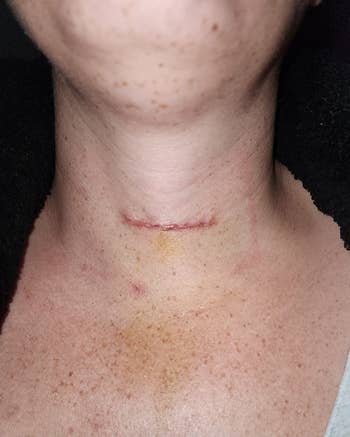
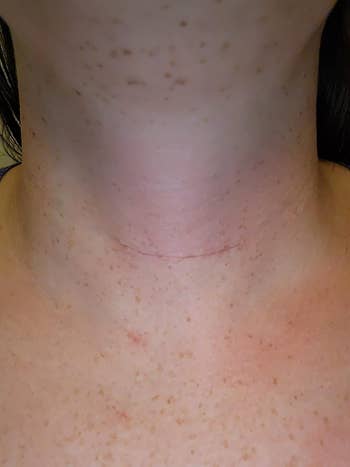
- Derma E Scar Gel ($21.50): Formulated with panthenol to promote new skin cell production and allantoin to accelerate wound healing and moisture retention, this lightweight gel sinks rapidly into the skin, functioning seamlessly under makeup on both new and aging scars.
- Medix Retinol Body Lotion ($19.99): Bringing the cellular turnover benefits of facial retinoids to the entire body, this lotion helps smooth crepey skin, fine lines, and rough patches.
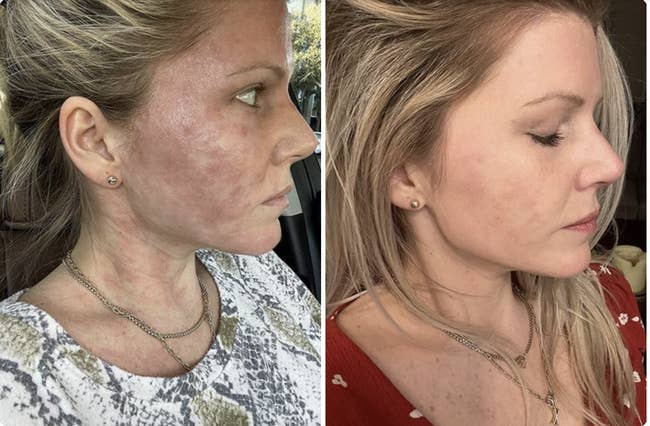
- CeraVe Resurfacing / Retinol Serums ($13.48–$16.49): Utilizing encapsulated retinol systems, these treatments minimize irritation while reducing the appearance of post-acne marks and enlarged pores.
2. Sun Protection & Recovery
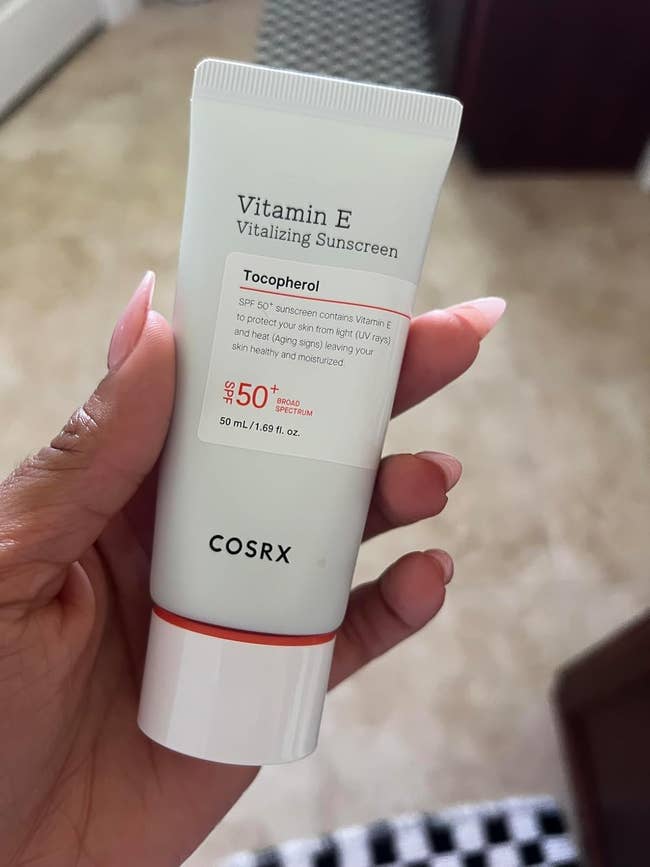
- Cosrx SPF 50+ Sunscreen ($18.40): Addressing the common aversion to heavy, white-cast sunscreens, this sebum-balancing formula features a lightweight, moisturizer-like texture infused with cacao and vitamin E, delivering a breathable, semi-matte finish.
- Sunscreen Application & Recovery Tools: Innovations like roll-on sunscreen sponges ($15.98) simplify reapplication without leaving greasy residue on hands, while soothing options like Burt’s Bees Sunburn Soother ($8.27) combine aloe and coconut oil to rapidly calm UV-damaged skin.
3. Scalp Health & Hair Restoration
- Nizoral Anti-Dandruff Shampoo ($16.88): Powered by 1% ketoconazole, this treatment goes beyond superficial flaking by targeting the underlying fungus responsible for chronic dandruff and seborrheic dermatitis.
- Mielle Organics Rosemary Mint Strengthening Oil ($8.97): Infused with biotin, jojoba oil, and scalp-stimulating rosemary and mint, this viral oil supports root strength and has drawn clinical comparisons to standard hair-growth treatments.
- Elizavecca Ceramide Collagen Coating Hair Treatment ($6.99): An intensive 5-minute deep-conditioning mask that repairs heat- and chemical-damaged hair, offering silk-like softness at a fraction of luxury salon prices.
4. Body Blemishes & Friction Control
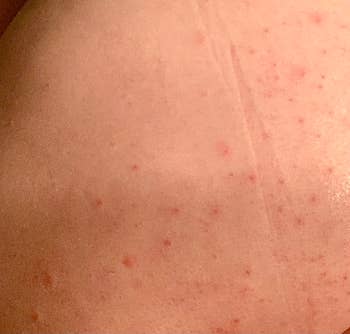
- Targeted Acne Lotions & Sprays: Dedicated body lotions formulated with tea tree oil ($26.99) and antimicrobial Briotech Hypochlorous Acid Sprays ($17.99) offer gentle relief for body acne, back breakouts, and piercing irritation bumps by soothing inflammation and strengthening the skin barrier.
- Gold Bond Friction Defense ($10.33): An unscented, invisible stick that prevents painful thigh chafing in high-heat environments without requiring messy reapplications.
- Exfoliating Solutions: From Korean-style exfoliating mitts ($8.99) to First Aid Beauty’s Bump Eraser Body Scrub ($10.83) featuring 10% AHA blends, physical and chemical exfoliation work in tandem to eliminate keratosis pilaris ("chicken skin").
Official Responses and Dermatological Perspectives
Dermatologists and clinical researchers have increasingly validated the efficacy of active-ingredient-driven OTC products. According to insights from institutions like the Cleveland Clinic and the Mayo Clinic:
- Hypochlorous Acid: Naturally produced by human white blood cells as part of the immune response, topical applications of this compound (found in rescue sprays) provide safe, non-toxic anti-inflammatory and antimicrobial benefits suitable for compromised skin barriers and fresh piercings.
- Ketoconazole: Medical authorities recognize ketoconazole as a gold-standard antifungal agent for treating persistent dandruff that resists standard zinc pyrithione or selenium sulfide shampoos.
- Retinoids: Dermatologists confirm that consistent use of retinoids—whether via prescription-strength Differin gel or consumer-accessible body formulations—effectively normalizes cellular turnover, preventing dead skin cells from clogging pores and forming blemishes or rough patches.
Implications: The Future of Accessible Self-Care
The widespread availability and proven efficacy of these products carry significant implications for the wellness and beauty industries:
- Democratization of Skincare: Consumers no longer need to visit high-end med-spas or secure costly prescriptions to address common aesthetic and physical discomforts like hyperpigmentation, severe dryness, and body acne.
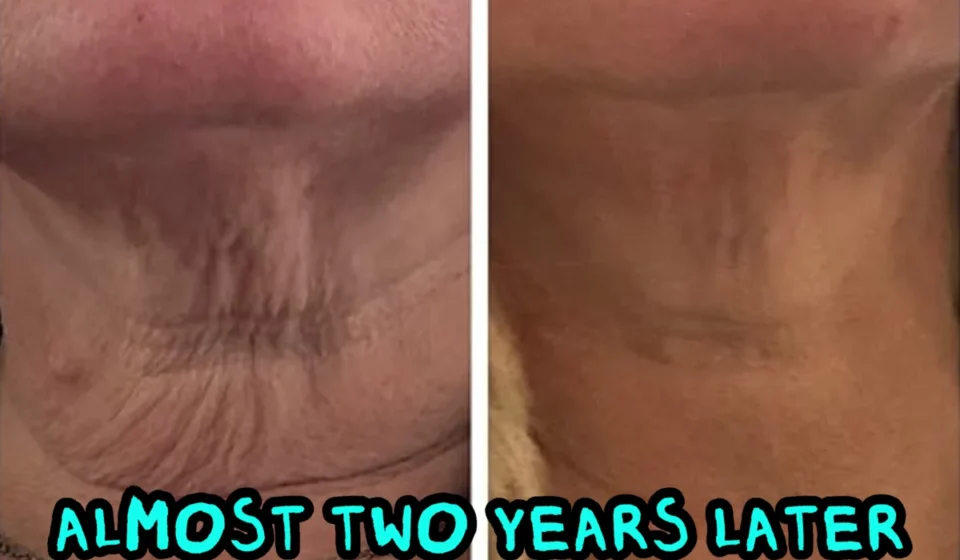
- Rise of Performance-Driven Consumerism: Viral social media reviews, backed by tangible before-and-after photographic evidence, have raised the bar for accountability in the beauty market. Products must deliver demonstrable results to survive.
- Holistic Body Care Integration: The traditional boundary between facial skincare and body maintenance is rapidly dissolving. Consumers are treating their necks, chests, legs, and scalps with the same targeted, active-ingredient-focused regimens previously reserved for the face.
As brands continue to innovate with clinical-grade, accessible formulations, managing everyday physical annoyances has shifted from an exercise in frustration to an empowering routine of self-care.