The Shifting Sands of Consumer Trust: Why Brand Loyalty is Harder to Win and Keep in the Digital Era

By Global Business Correspondent
Brand loyalty has long been the holy grail of corporate strategy. Securing a customer who not only repurchases a product but actively defends the company against competitors provides a steady foundation in an unpredictable marketplace. However, in today’s hyper-connected, fast-moving digital ecosystem, winning loyalty is extraordinarily difficult—and losing it is easier than ever.
As consumers navigate a complex landscape of creator-driven economies, decentralized social networks, and pervasive artificial intelligence, traditional methods of measuring and retaining brand commitment are undergoing a seismic transformation. Companies can no longer rely solely on quarterly reports, historical sales data, or lagging customer surveys to understand public sentiment. By the time these insights reach decision-makers, consumer perception may have already shifted irreversibly.
To survive and thrive in this environment, modern enterprises are turning to real-time social intelligence, advanced media monitoring, and radical transparency to bridge the gap between what brands say and what audiences actually experience.
Main Facts: The New Realities of Consumer Connection
At its core, brand loyalty represents an ongoing preference for one company over its competitors, forged through deep-seated trust and emotional connection. Unlike mere convenience or habitual purchasing—which fall under the broader umbrella of customer loyalty—true brand loyalty is resilient. It manifests when consumers repeatedly choose a specific brand, advocate for it within online communities, and stick with it even when cheaper or more convenient alternatives are readily available.
Yet, nurturing this kind of relationship is increasingly complex. Modern consumers discover products through a decentralized web of influences:
- A user might stumble upon a product review in a niche Reddit thread.
- They might watch a critical or glowing TikTok video before ever visiting the brand’s official website.
- They may encounter conflicting viewpoints across decentralized creator communities that corporations do not control.
Compounding this challenge is a sweeping crisis of digital credibility. According to data from Sprout Social’s Q1 2026 Pulse Survey, 35% of social users report that their trust in online content has decreased over the past year.

The driving forces behind this skepticism are clear and alarming for brand strategists:
- Misinformation: Cited by 30% of respondents as the primary threat to online trust.
- Unregulated AI Content: Named by 20% of users as a major trust barrier.
- AI Video Tools: A striking 88% of consumers agree that the proliferation of AI-generated video tools has significantly eroded their trust in the news and media they encounter on social networks.
When these technologies and skepticism bleed into corporate communications—such as overly polished, AI-assisted testimonials or tone-deaf public relations responses—the modern consumer is quick to spot the disconnect.
Chronology: How the Customer Feedback Loop Broke
To understand how enterprises lost their grip on real-time sentiment, it is necessary to examine how corporate data collection has evolved—and where it continues to fail.
The Traditional Data Lag
Historically, customer feedback operated on a linear, delayed timeline:
- The Experience: A customer encountered a product defect or a frustrating service interaction.
- The Incubation: Weeks or months passed before the customer completed a feedback survey or registered a formal complaint.
- The Aggregation: Customer service teams compiled reports, which were later reviewed during quarterly strategic meetings.
- The Reaction: Months after the initial incident, leadership attempted to patch the leak.
The Real-Time Crisis of the 2020s
Today, this sluggish methodology is obsolete. Social media has accelerated public discourse to internet speed. A minor product flaw or pricing controversy can explode into a viral backlash on TikTok and X (formerly Twitter) within hours, long before a standard quarterly survey registers a dip in satisfaction.
Data from the Sprout Social Intelligence Report highlights the magnitude of this disconnect:
- 86% of business professionals admit they have missed critical opportunities over the past two years because consumer insights were delayed, siloed, or underutilized.
- 33% of respondents cite reacting too slowly to market shifts as their most common missed opportunity.
- Only 10% of organizations report having the structural agility to act on a social insight within hours.
This organizational lag creates a profound empathy gap. While companies may invest heavily in listening tools, consumers frequently feel ignored. Sprout’s Q4 2025 Pulse Survey revealed that 55% of consumers believe brands do a good job listening, but fail to act on what they hear. Only 31% believe brands excel at both listening and executing.
Supporting Data: Dissecting Trust, Channels, and Metrics
The metrics governing modern commerce extend far beyond basic sales figures. Modern brand health relies on a delicate balance between behavioral metrics and attitudinal indicators.
| Metric Type | What It Measures | Example Signal |
|---|---|---|
| Brand Loyalty | A customer’s ongoing preference for a brand | Repeatedly choosing the brand over cheaper competitors |
| Brand Affinity | Engagement and emotional connection | Feeling that the brand’s public values reflect your personal identity |
| Customer Loyalty | Repeat behavior based on the overall relationship | Continuing purchases driven by convenience, rewards, or service |
| Brand Awareness | Familiarity with and recognition of a brand | Instant recognition of a company name, logo, or signature product |
The Creator Economy Paradox
Organizations can no longer rely solely on top-down advertising to build affinity. Influencer marketing dynamics have shifted dramatically toward peer-to-peer authenticity:
- 57% of consumers place their highest trust in everyday users and micro-influencers for genuine product recommendations.
- Only 9% of consumers place significant trust in mega-influencers.
- Despite this skepticism toward mega-celebrities, 67% of consumers have purchased a product in the past year based on an influencer recommendation—provided the partnership felt authentic and transparent.
Furthermore, internal corporate voices are proving to be powerful trust-builders. Sprout’s research indicates that 40% of consumers discover a product or service through employee-generated content at least once a month, proving that humanizing the brand from the inside out yields measurable loyalty dividends.
Official Responses and Industry Case Studies
Forward-thinking enterprises are actively redesigning their operational frameworks to close the loop between audience sentiment and corporate execution. Several major brands demonstrate how real-time social intelligence can transform public discourse into product innovation:
1. e.l.f. Cosmetics: Crowdsourcing Product Development
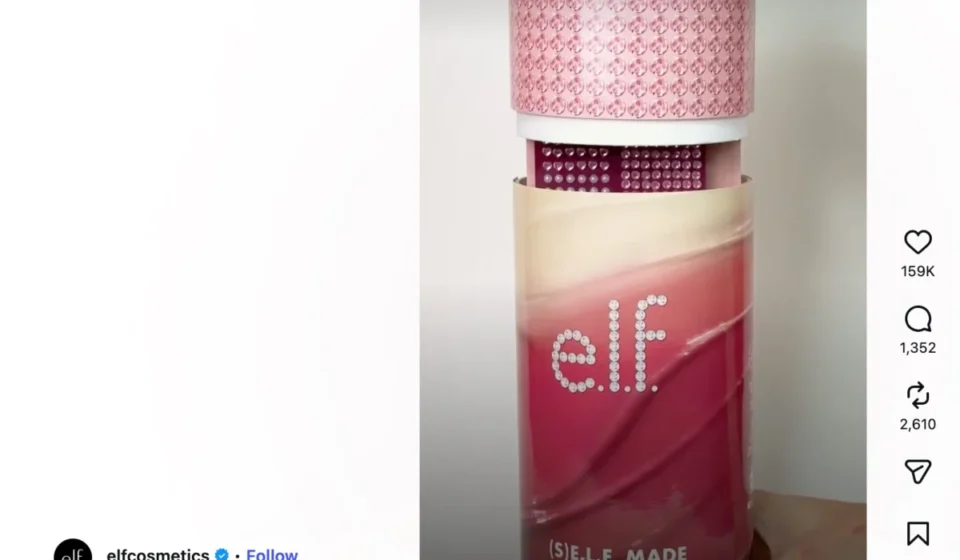
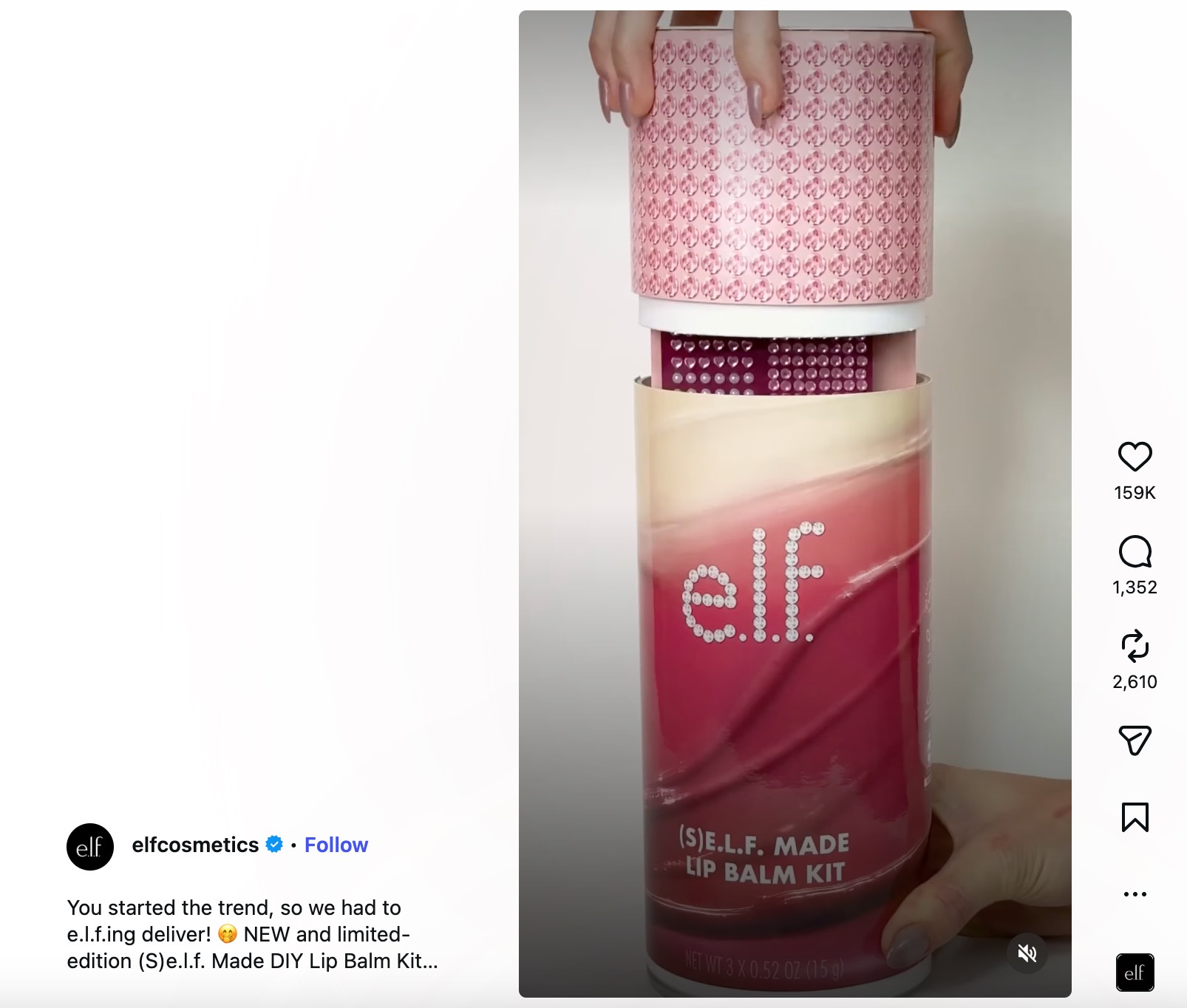
Rather than relying on isolated focus groups, e.l.f. Cosmetics monitors organic social trends to drive product pipelines. When social listening tools captured a massive surge in consumer chatter around DIY lip gloss mixing, the brand bypassed traditional development delays and rapidly engineered a limited-edition DIY lip balm kit. The product launch was a direct translation of unprompted customer behavior into retail reality.
2. Oatly: Validating Innovation Through Social Listening
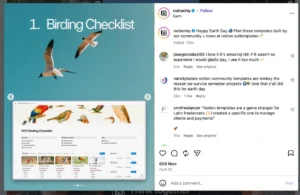
When plant-based beverage giant Oatly prepared to launch its Matcha Latte product, the brand utilized cross-platform social intelligence spanning Reddit, X, Instagram, and TikTok. By analyzing organic videos where creators showcased mixing Oatly with matcha, market research teams provided R&D with undeniable proof of concept before committing capital to a full-scale launch.
3. Burger King: Radical Public Accountability
Acknowledging gaps between a brand promise and consumer reality requires courage. Burger King embraced this challenge with its “There’s a New King and It’s You” campaign. By utilizing real, unfiltered social media commentary within its advertising, the brand explicitly acknowledged past customer pain points, "crowning" consumers as the ultimate arbiters of its future direction. This transparency proved to audiences that public feedback had tangible weight.

Implications: The Future of Brand Survival
As artificial intelligence continues to reshape the digital landscape, the rules of engagement for brand loyalty will only grow more stringent. Enterprises that fail to adapt face three major implications:
1. The Proliferation of AI Fatigue
Consumers are increasingly exhausted by synthetic content. Sprout’s research reveals that 44% of consumers are uncomfortable with brands utilizing AI influencers, and 28% demand that companies stop posting unlabeled AI-generated content entirely. Brands that prize efficiency over transparency risk alienating their most loyal base. Moving forward, clear disclosure of AI tools will be a prerequisite for maintaining credibility.
2. The Danger of Reactive Churn
When customer frustration mounts unchecked, it transforms rapidly into permanent churn. Organizations must deploy predictive media intelligence and proactive social monitoring to intercept negative narratives before they peak. Catching a rising tide of dissatisfaction allows customer care teams to pivot, address root causes, and retain clients who might otherwise defect to agile competitors.
3. The Mandate for Integrated Intelligence
Siloed data is the death knell of modern marketing. When social media analytics, customer service records, and sales data operate in independent bubbles, brands miss the forest for the trees. Integrating real-time social listening tools (such as Sprout Listening and NewsWhip) with customer relationship management platforms (such as Salesforce integrations) ensures that care teams, product developers, and executive leadership operate from a single, unified source of truth.
Conclusion: Loyalty as an Ongoing Journey
Brand loyalty is not a static destination; it is an ongoing, evolving relationship. Enterprises that successfully sustain loyalty over decades are those that continue listening long after the transaction is complete.
By treating social intelligence not merely as a marketing metric, but as an operational compass, businesses can bridge the gap between audience expectation and corporate execution. In an era defined by digital skepticism and fleeting attention spans, the brands that survive will be those that prove, interaction by interaction, that they are truly listening.
Related posts: