
In the world of classic mixology, few drinks possess the visual allure and historical intrigue of the Aviation. With its signature pale violet hue and a flavor profile that balances the sharp botanical notes of gin against the delicate, floral sweetness of maraschino and violette, the Aviation is more than just a drink—it is an experience. Often described as the closest one can get to a high-end cocktail bar atmosphere within the comfort of one’s own home, this pre-Prohibition masterpiece continues to captivate both seasoned bartenders and casual enthusiasts alike.
Main Facts: Deconstructing the Aviation
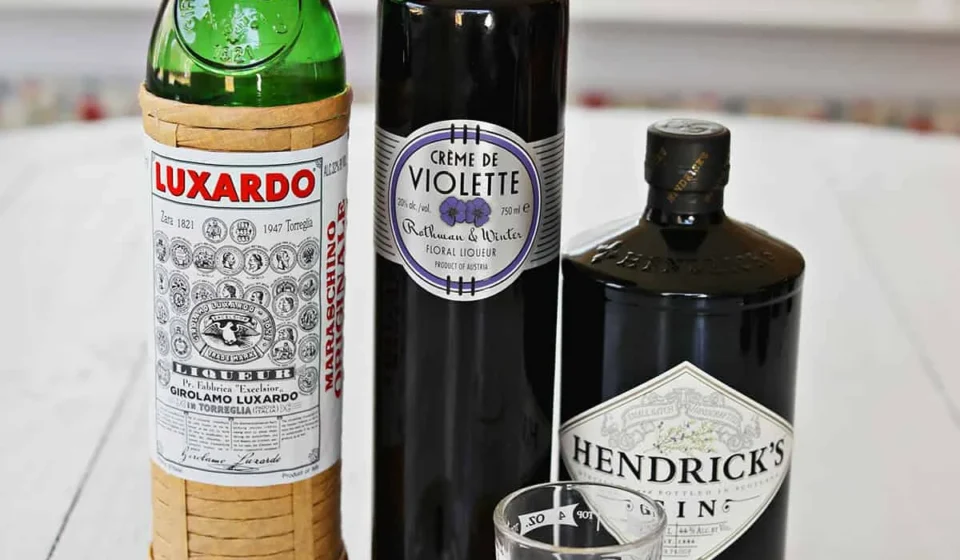
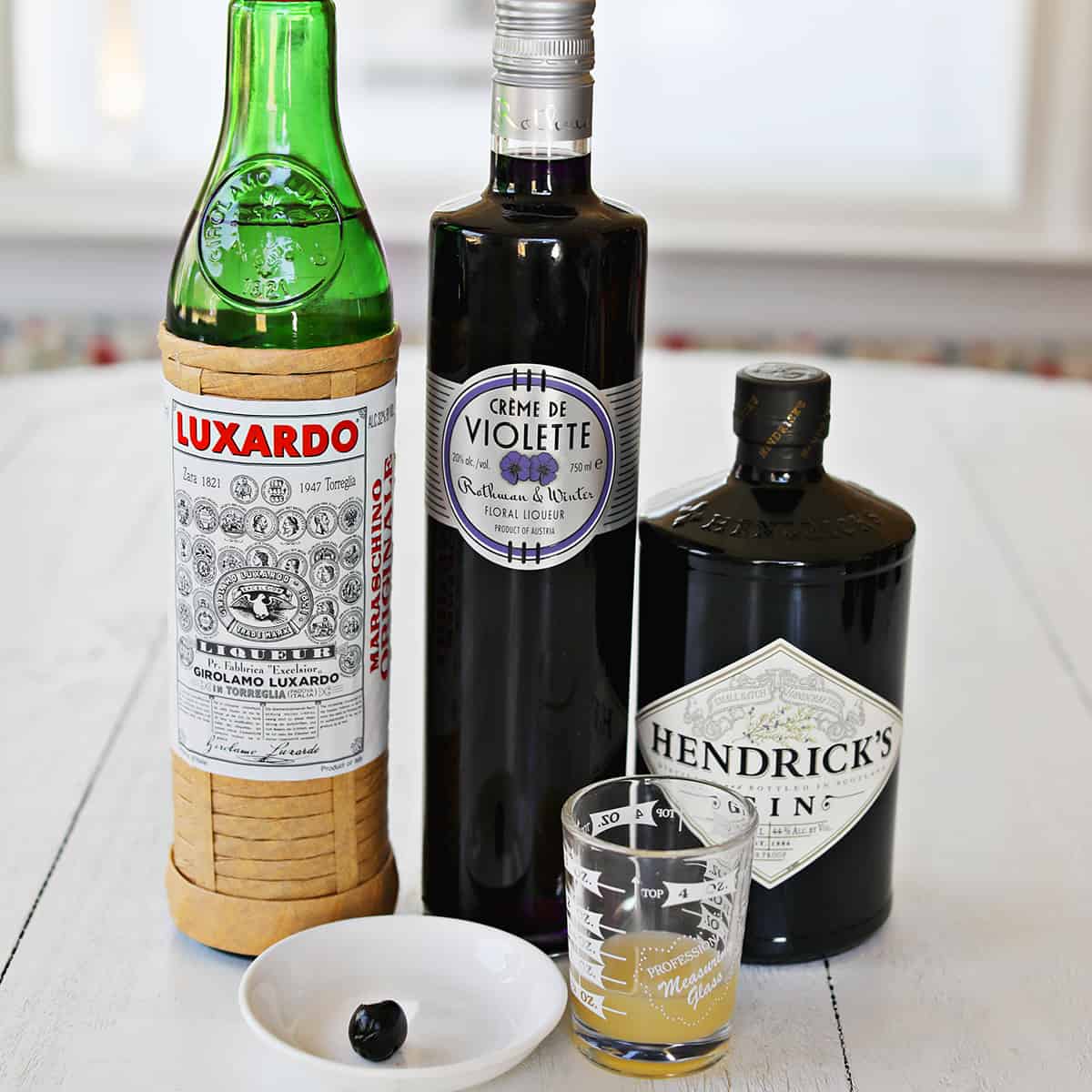
The Aviation is a cocktail that demands precision. It is not merely a mixture of spirits; it is a delicate balancing act. The foundational structure relies on four core ingredients, each serving a specific purpose in the glass:
- Gin: As the primary spirit, the choice of gin is paramount. A classic London Dry gin provides the necessary juniper backbone that keeps the drink grounded.
- Crème de Violette: The defining ingredient. This liqueur, derived from the maceration of violet petals in a neutral spirit, provides the drink’s iconic color and its signature floral aroma, which is often compared to the scent of springtime or vintage violet candies.
- Maraschino Liqueur: This clear, cherry-distilled spirit adds a subtle nuttiness and a dry, complex sweetness that prevents the violet from becoming overly cloying.
- Freshly Squeezed Lemon Juice: The essential acidic component. Without the sharp, bright cut of fresh lemon, the cocktail would be syrupy and unbalanced.
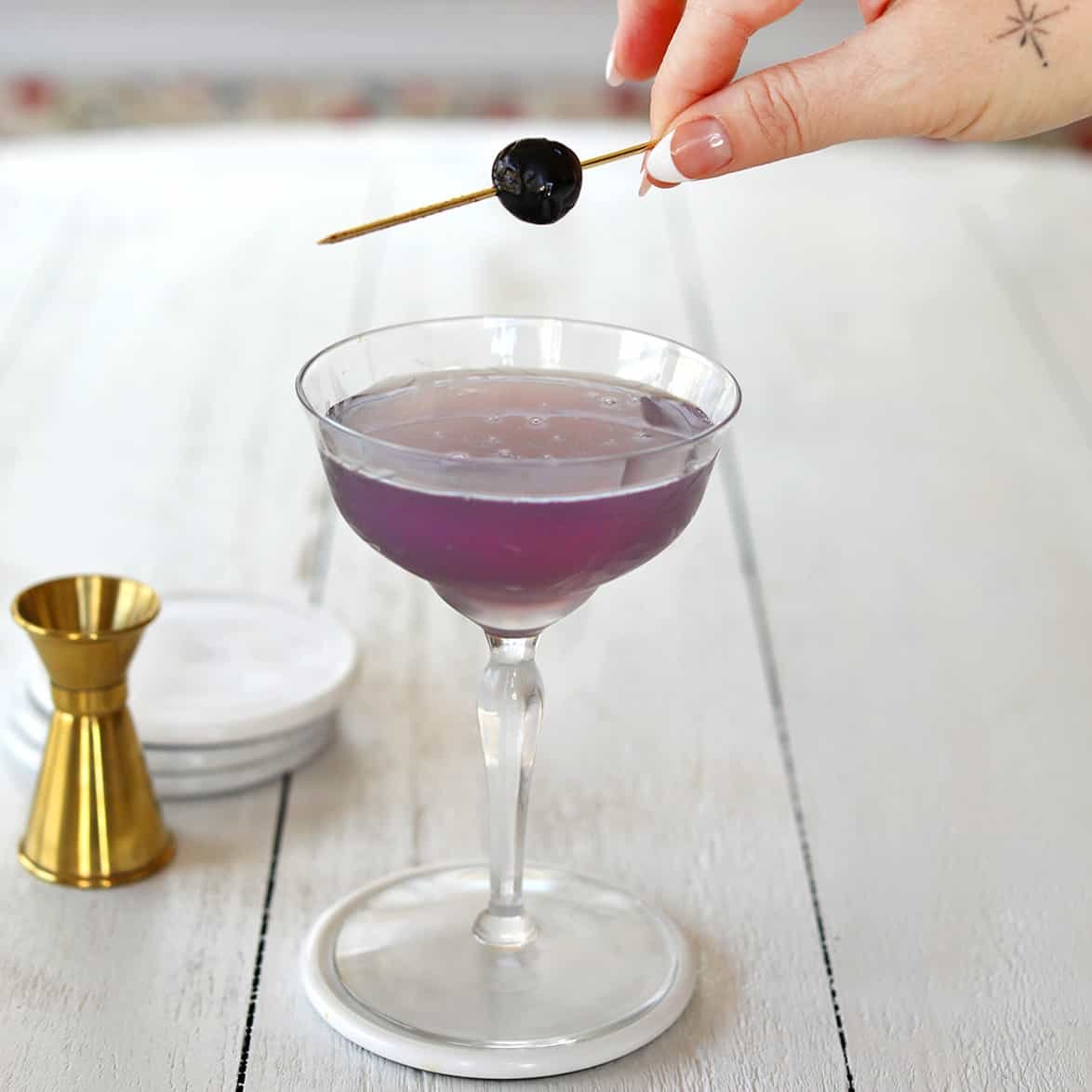
When shaken with ice and strained into a chilled coupe glass, the result is a sophisticated, aromatic, and visually stunning libation that bridges the gap between the robust, spirit-forward drinks of the early 20th century and the floral-forward trends of modern mixology.
Chronology: A Century of Flight
The story of the Aviation is a narrative of rise, fall, and triumphant return.
The Early Days (1916)
The cocktail was first documented in 1916 by Hugo Ensslin, the head bartender at the Hotel Wallick in New York City, in his seminal work, Recipes for Mixed Drinks. At the time, the world was obsessed with the burgeoning field of aviation; the Wright brothers’ first flight was still a fresh memory in the public consciousness, and air travel was a glamorous, elite endeavor. The drink’s name, inspired by the pale blue-purple hue of the morning sky, reflected this era’s romanticized view of flight.
The "Dark Ages" (1960s–2000s)
The middle of the 20th century was not kind to the Aviation. As consumer tastes shifted toward simpler, high-ball style drinks and away from complex, multi-ingredient cocktails, the specific components of the Aviation became harder to source. Most critically, the production of quality Crème de Violette nearly ceased. For nearly four decades, the drink was relegated to obscurity, with many bartenders substituting the violette with blue curaçao or omitting it entirely—a practice famously codified in Harry Craddock’s The Savoy Cocktail Book in the 1930s, which offered a "violet-less" version that many purists argue stripped the drink of its soul.
The Renaissance (2007–Present)
The turning point arrived in 2007. The importer Haus Alpenz began bringing Rothman & Winter’s Crème de Violette from Austria to the United States. This reintroduction was perfectly timed with the global resurgence of interest in "craft" cocktails and historical recipes. Suddenly, bartenders could once again make the drink as Ensslin intended. Today, brands like The Bitter Truth and Giffard provide high-quality violet liqueurs that have solidified the Aviation’s place on cocktail menus from New York to Tokyo.
Supporting Data: The Mechanics of the Perfect Serve
For the home bartender, the difference between a "good" drink and a "great" one often lies in the details.
Temperature Control
The glass matters. A coupe glass—a shallow, rounded glass—is the industry standard for the Aviation. To elevate the experience, the glass should be chilled for at least 30 to 60 minutes in the freezer prior to preparation. This ensures that the cocktail remains at its optimal, crisp temperature from the first sip to the last.
The Shaking Technique
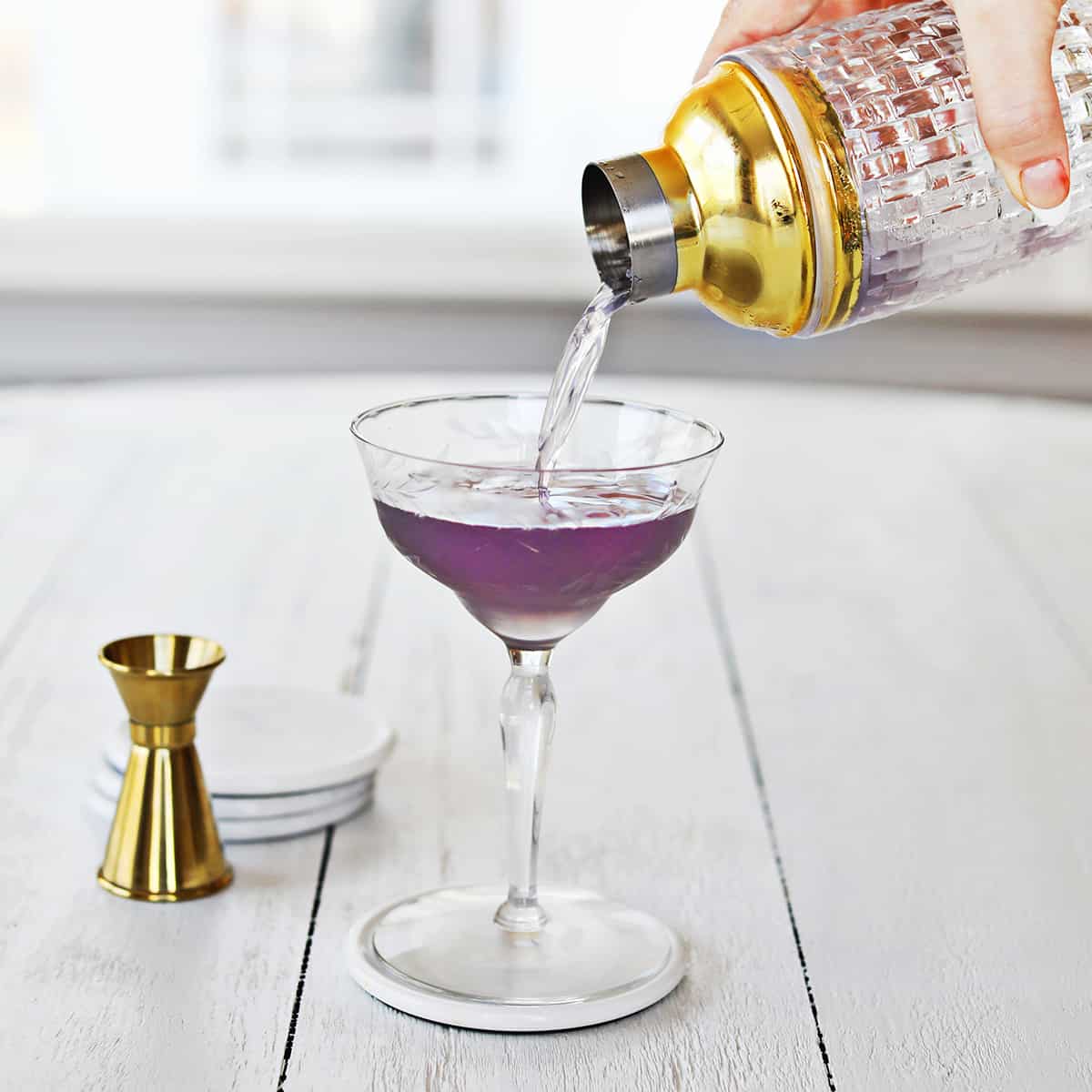
The Aviation is a drink that requires proper aeration. Shaking for 10 to 15 seconds with fresh, high-quality ice is essential. The goal is to reach a temperature that feels "icy cold" to the touch of the shaker tin, creating a fine dilution that marries the floral and citrus notes without watering down the spirit’s intensity.
The Garnish
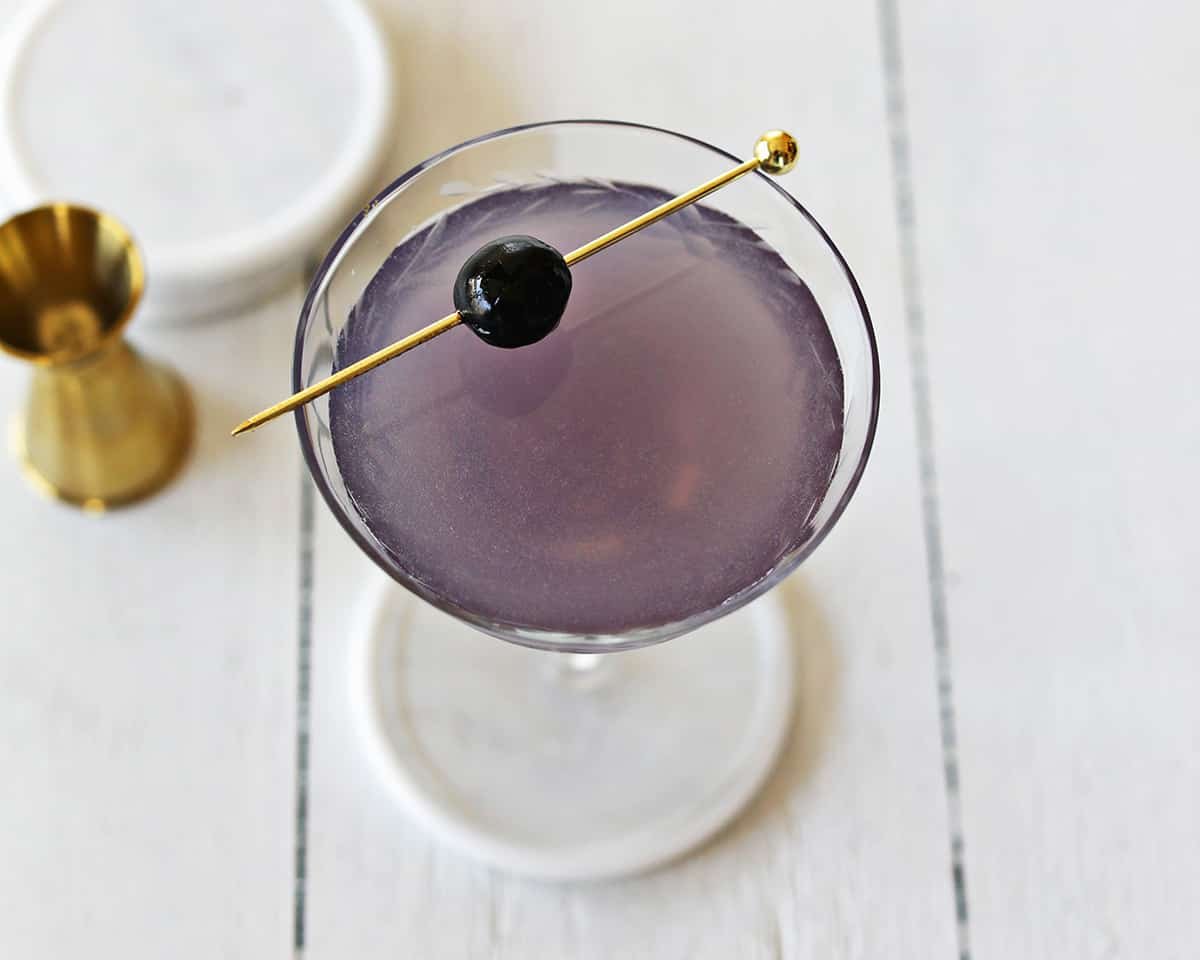
The classic garnish is either a single maraschino cherry (preferably a high-quality brand like Luxardo) or a simple lemon twist. The oils from the lemon peel provide an aromatic lift that complements the violet, while the cherry adds a deep, contrasting sweetness to the bottom of the glass.
Official Perspectives: The Professional Bar Perspective
Leading voices in the mixology community view the Aviation as a "litmus test" for a bartender’s skill. Because the ingredients are so distinct, there is no room for error.
"The Aviation is about balance," says one prominent bar manager. "If you go too heavy on the violette, it tastes like soap. If you don’t use enough lemon, it’s just a sweet mess. It forces you to respect the proportions."
From a professional standpoint, the drink represents a bridge between eras. It satisfies the modern consumer’s desire for "Instagrammable" aesthetics—the purple color is undeniably photogenic—while rewarding the palate of the traditionalist who values the historical integrity of the recipe.
Implications: The Future of Floral Mixology
The revival of the Aviation has had significant implications for the wider spirits industry. It paved the way for a renewed interest in "niche" liqueurs. Before the Aviation’s return, the average back-bar was stocked only with staples. Today, it is common to find an array of floral, herbal, and fruit-based liqueurs, all owing a debt to the success of the violet-forward movement.
Furthermore, the drink’s history serves as a cautionary tale about the fragility of cocktail culture. It reminds us that recipes are not just static lists of ingredients; they are living traditions that require the continued availability of specific products to survive. The success of the Aviation has encouraged other importers to seek out "lost" ingredients, fueling a broader, ongoing investigation into pre-Prohibition cocktail books.
Conclusion: A Timeless Classic
The Aviation cocktail is a testament to the idea that some things are simply timeless. Despite being nearly forgotten for decades, its unique combination of botanicals and its striking appearance have allowed it to soar back into the cultural zeitgeist. Whether you are enjoying one at a dimly lit speakeasy or carefully measuring the ingredients in your own kitchen, the Aviation offers a rare glimpse into a bygone era of elegance and invention. It remains, undeniably, one of the most sophisticated and rewarding cocktails in the modern canon.
Quick Reference Guide
- Primary Spirit: London Dry Gin
- Liqueurs: Crème de Violette, Maraschino Liqueur
- Citrus: Fresh Lemon Juice
- Glassware: Chilled Coupe
- Garnish: Maraschino Cherry or Lemon Twist
Note: For those looking to explore similar classics, the Manhattan, Old Fashioned, Gimlet, Sidecar, Sazerac, The Last Word, and the Pink Squirrel offer excellent alternative profiles for the adventurous drinker.