
In the landscape of American home cooking, few dishes occupy the same hallowed ground as the Tater Tot Casserole. Known by various regional monikers—most notably the "hotdish" in the American Midwest—this unassuming, layered bake has transcended its origins as a mid-century convenience meal to become a cornerstone of family gatherings, potlucks, and weeknight dinner rotations across the country. By masterfully blending the accessible, savory elements of ground meat and condensed soup with the iconic, crown-like crunch of oven-baked potato barrels, this dish remains a masterclass in culinary nostalgia.
Main Facts: The Anatomy of a Classic
At its core, the Tater Tot Casserole is a triumph of simplicity. A successful iteration typically relies on a foundational trinity of protein, binder, and starch. The primary architecture consists of:
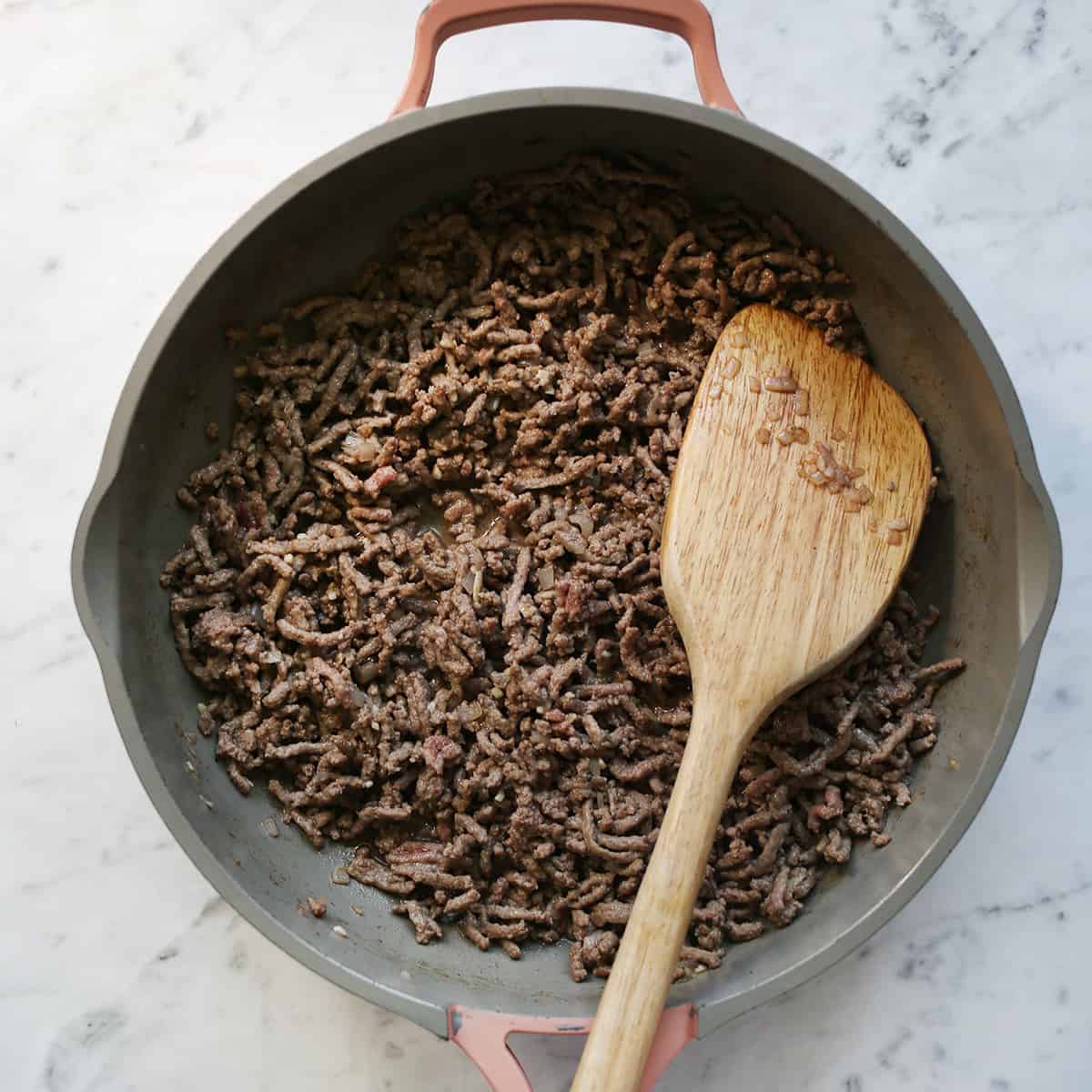
- The Protein Base: Usually lean or standard ground beef, browned to perfection and seasoned with aromatics like garlic or onions.
- The Binding Agent: Typically a condensed cream-based soup (such as cream of mushroom or cream of chicken), which provides a velvety, cohesive texture that binds the meat and cheese together.
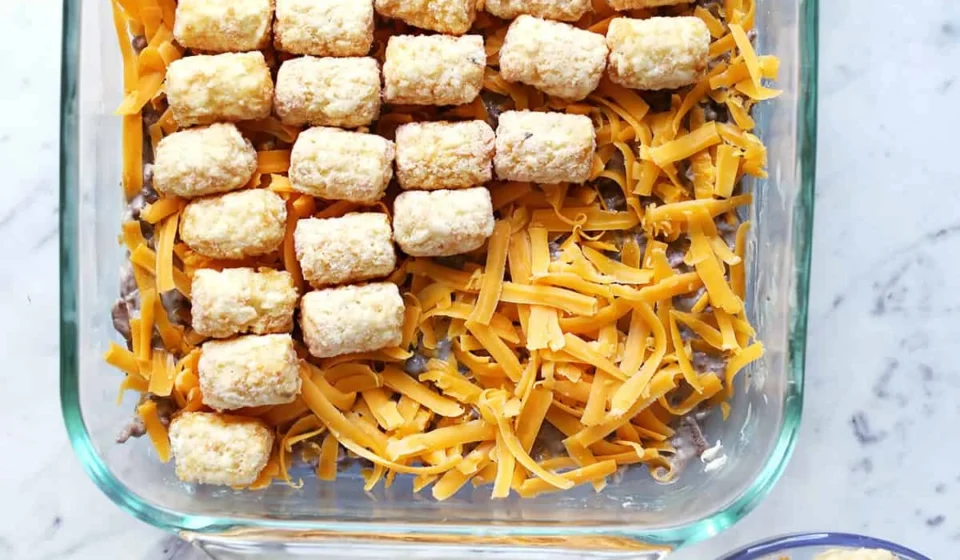
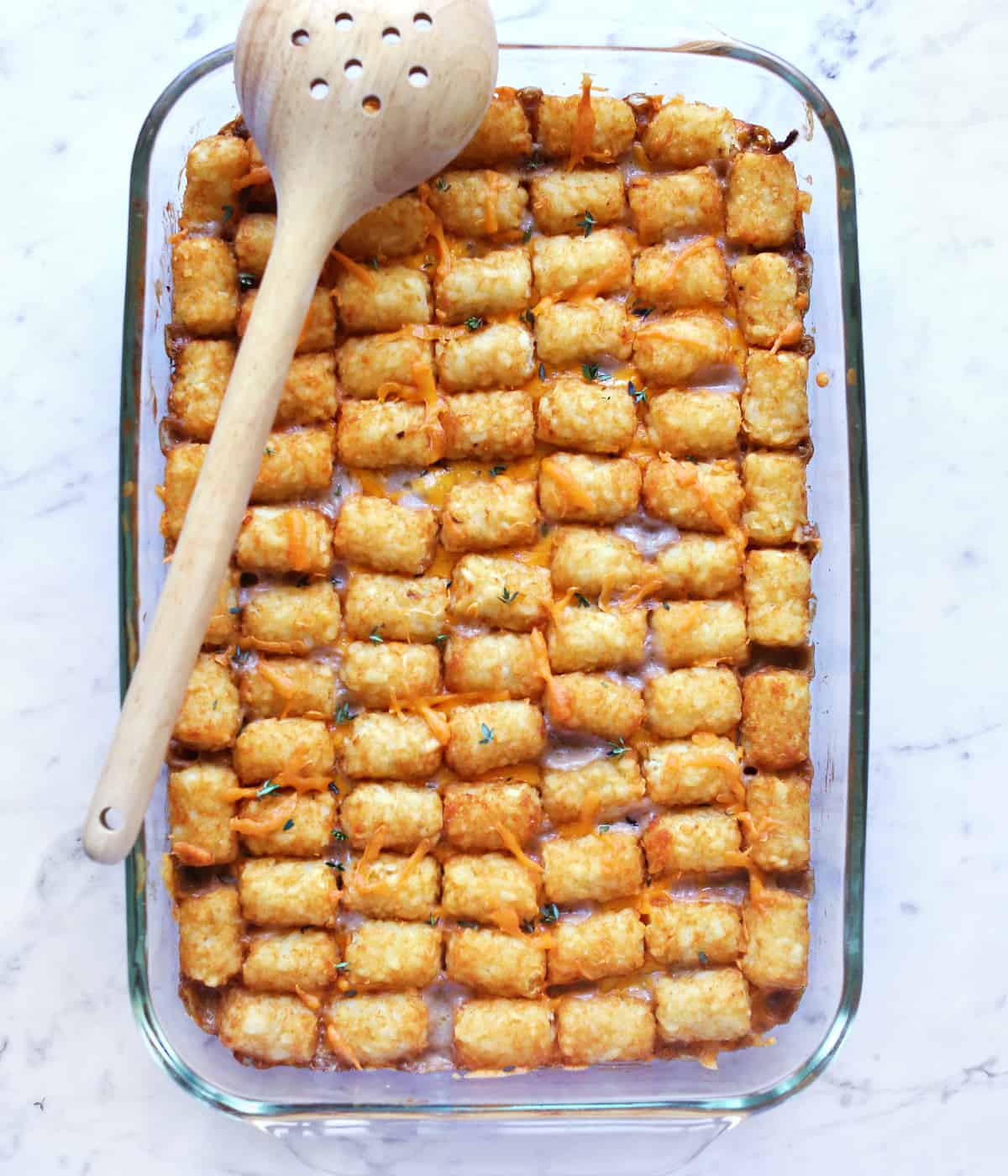
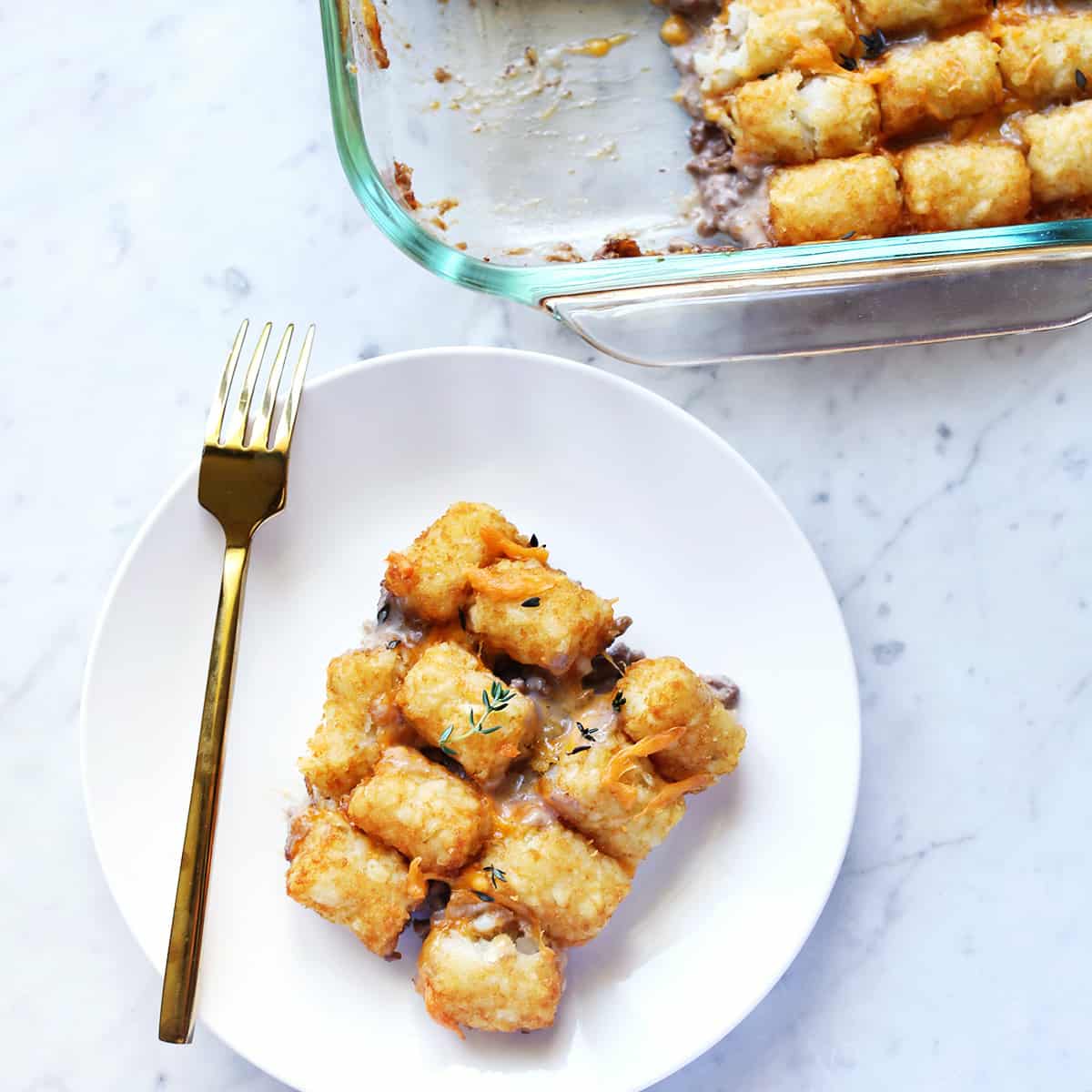
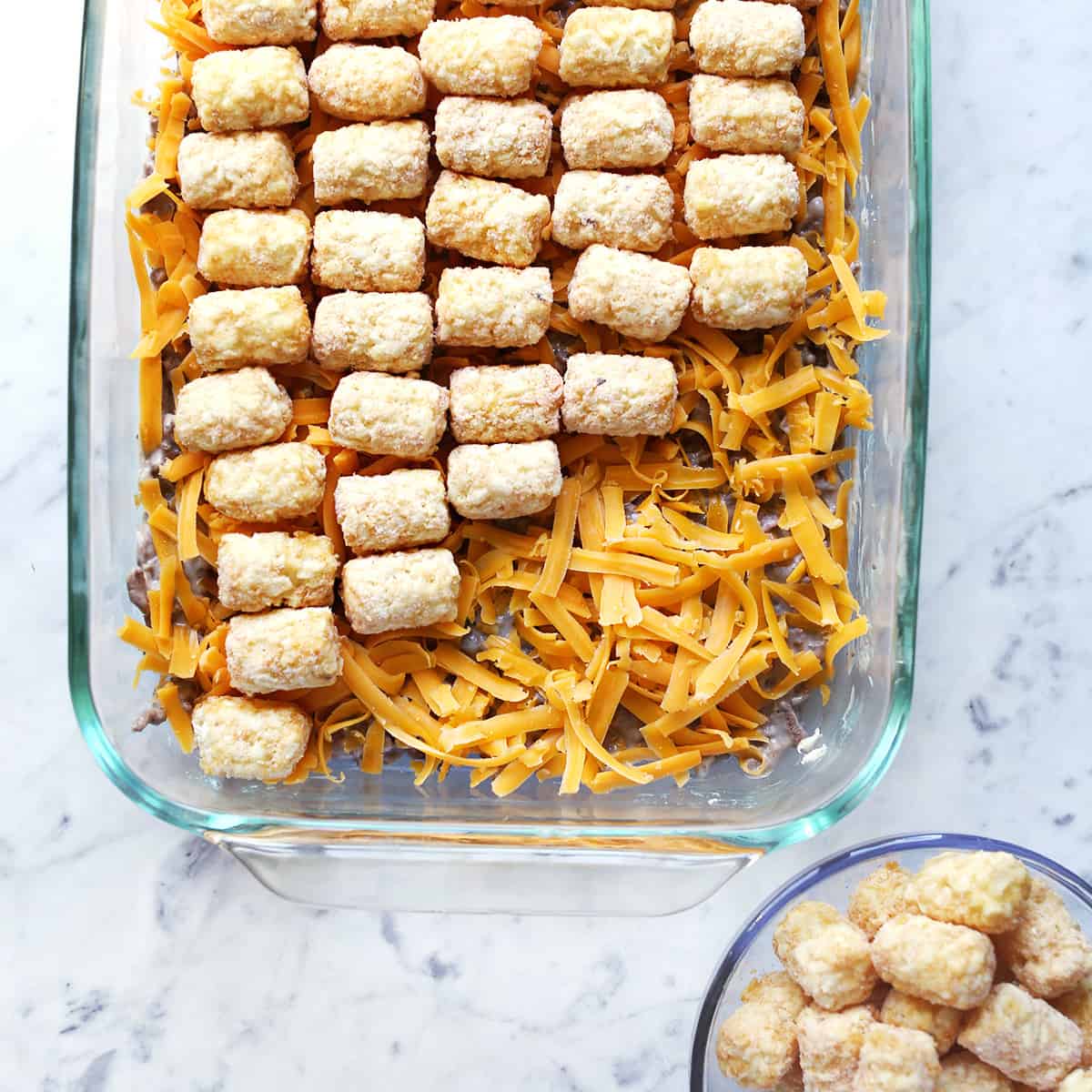
- The Crispy Crown: A dense, uniform layer of frozen tater tots that, when baked, transform into a golden, textured crust.
What makes this dish a "crowd-pleaser" is its inherent versatility. It is a meal that bridges the gap between generations, satisfying the palates of toddlers with its familiar, mild flavors while remaining a staple for older generations who value its consistency and warmth.
Chronology: From Post-War Convenience to Kitchen Staple
The rise of the Tater Tot Casserole mirrors the evolution of the American kitchen. Following the introduction of the tater tot in the 1950s by the Ore-Ida company, home cooks were presented with a convenient way to utilize frozen potatoes.
- The 1950s–1960s: The "Casserole Era" flourished as condensed soups became a standard pantry item. The fusion of these canned goods with frozen potatoes became a logical, time-saving solution for the post-war domestic sphere.
- The 1970s–1990s: The recipe cemented its status in church cookbooks and community newsletters. It became the go-to dish for "covered dish" events and funerals, prized for its ability to feed large groups at a low price point.
- The Modern Era: Today, the dish has undergone a resurgence. Food bloggers and home chefs have revitalized the concept, introducing high-quality ground meats, artisanal cheeses, and fresh herb garnishes to modernize the classic profile without sacrificing the original spirit of the meal.
Supporting Data: Why It Works
The enduring popularity of the Tater Tot Casserole is not merely sentimental; it is rooted in culinary science and economic accessibility.
The Texture Profile
The success of the casserole lies in the "Contrast Principle." The bottom layer consists of a dense, savory, and soft meat-and-soup mixture. In contrast, the top layer provides a high-surface-area potato crust. During the 35–40 minute bake time at 350°F (177°C), the steam from the meat mixture rises, slightly softening the interior of the tots while the dry heat of the oven crisps the exterior. This dual-texture experience is deeply satisfying to the human palate.
Nutritional and Economic Efficiency
From a fiscal perspective, the casserole remains one of the most cost-effective meals for a large family. By utilizing ground meat and pantry staples, a single 9×13 dish can reliably feed 8 to 10 individuals for a fraction of the cost of prepared restaurant meals. While modern versions can be adjusted for dietary preferences—such as swapping beef for ground turkey or using low-sodium soup alternatives—the fundamental cost-per-serving remains highly competitive.
Official Culinary Perspectives: Expert Tips and Variations
Culinary experts and seasoned home cooks alike emphasize that while the recipe is basic, the "soul" of the dish can be elevated through minor adjustments.
Flavor Profiling
The base meat mixture is a blank canvas. Professionals often recommend incorporating:
- Spice Accents: A dash of chili powder, smoked paprika, or cayenne pepper can introduce a subtle complexity that cuts through the richness of the condensed soup.
- Aromatic Depth: While minced garlic is standard, sweating diced yellow onions or leeks alongside the beef provides a necessary sweetness to balance the saltiness of the processed ingredients.
- Herb Finishing: A post-bake garnish is essential. Freshly chopped chives, green onions, or even Italian parsley offer a bright, acidic contrast to the heavy, comforting base.
Structural Integrity
A common mistake in preparation is the "soggy bottom" issue. To ensure the tater tots remain crispy, chefs recommend:
- Reducing Liquid: Ensure the meat and soup mixture is not overly watery before adding the tots.
- Even Layering: Placing the tots in a single, tight layer ensures they bake uniformly rather than steaming each other.
- The "Pre-Brown" Strategy: For those who prefer a crunchier result, some suggest a quick blast under the broiler for the final two minutes of cooking, provided the casserole is closely monitored to prevent burning.
Implications: The Social and Cultural Role of the Casserole
The Tater Tot Casserole serves as a cultural artifact of community-based dining. In the Midwest, the term "hotdish" carries with it a specific set of cultural markers—hospitality, resilience, and the value of "feeding your neighbor."
The "Comfort Food" Phenomenon
In an increasingly fast-paced world, the return to "slow-baked" comfort foods like this casserole serves a psychological purpose. These meals are associated with safety, childhood, and communal care. The act of sharing a casserole—whether at a funeral, a family breakfast, or a casual Sunday dinner—reinforces social bonds.
The Modern Adaptation
The future of the dish lies in its ability to adapt. As households move toward more health-conscious or ingredient-transparent cooking, the recipe has evolved. We are seeing a shift toward:
- Scratch-made bases: Replacing canned soup with homemade béchamel or velouté thickened with local ingredients.
- Seasonal Integration: Using root vegetables or fresh seasonal herbs to change the profile of the dish throughout the year.
- Make-Ahead Logistics: The dish has become a pillar of "meal prepping." Because the components hold up well in the refrigerator, it is increasingly popular for busy professionals who need a hearty meal ready to go, demonstrating that even a mid-century classic can fit into the modern, high-efficiency lifestyle.
Conclusion: A Timeless Kitchen Essential
The Tater Tot Casserole is more than just a recipe; it is a testament to the power of simple ingredients combined with intentional, communal preparation. It thrives because it does not attempt to be anything other than what it is: a warm, filling, and reliable meal. Whether you call it a casserole or a hotdish, the fundamental truth remains the same—it is a dish that provides comfort, brings people together, and continues to hold a permanent place in the canon of American culinary heritage. By following the foundational steps of proper browning, thoughtful seasoning, and precise baking, any home cook can master this classic, ensuring it remains a favorite for years to come.