The Social Media Productivity Paradox: Why Automation is Becoming Essential for Modern Marketing Teams

NEW YORK — In an era where digital presence dictates commercial success, social media managers find themselves trapped in a relentless cycle of content creation, direct message management, and cross-platform monitoring. As brands expand their digital footprints across an ever-growing array of channels without expanding headcount, marketing teams are running faster just to stay in place.
Recent industry data highlights a critical operational bottleneck: 63% of social media professionals are unable to focus on high-impact, strategic work because they are overwhelmed by manual, repetitive tasks. Conversely, organizations that leverage dedicated social media management and automation tools are twice as likely to report having sufficient time to execute their core responsibilities.

This stark divide has transformed automation from a luxury convenience into an operational imperative. Industry analysts note that smart automation does not replace human creativity; rather, it absorbs the administrative overhead, allowing marketing professionals to dedicate their expertise to high-value personalization and strategy.
Main Facts: The Current State of Social Media Operations
The modern social media landscape demands an unprecedented volume of output. Between crafting multi-format posts, responding to customer inquiries in real-time, and monitoring public sentiment, manual execution is no longer sustainable.
- The Productivity Trap: Teams doing manual work across multiple channels experience stagnant results despite increased working hours.
- The Cost of Manual Labor: Over 60% of professionals are bogged down by administrative tasks, preventing them from driving meaningful creative campaigns.
- The Solution: Centralized dashboards, automated publishing queues, AI-driven listening tools, and intelligent inbox filtering have emerged as the primary defenses against creative burnout.
- Consumer Expectations: Modern consumers demand rapid responses, with nearly three-quarters expecting brand engagement within 24 hours—failing which, a vast majority will turn to competitors.
Chronology: The Evolution Toward Automated Workflows
The journey from manual social media management to intelligent, AI-assisted automation has accelerated dramatically over the past decade.
- Phase 1: Manual Management (Early 2010s): Brands logged natively into individual platforms (Facebook, Twitter, Instagram) to post updates one by one and answer messages manually. This model worked when channels were isolated, but became untenable as the social ecosystem expanded.
- Phase 2: Basic Scheduling Tools (Mid-to-Late 2010s): The introduction of early third-party tools allowed marketers to queue up posts in advance. While this solved the publishing bottleneck, engagement and analytics still required heavy manual oversight.
- Phase 3: Centralized Inboxes and Unified Publishing (Early 2020s): Platforms began consolidating multi-channel publishing calendars and unifying customer messages into a single "Smart Inbox," drastically reducing platform-switching fatigue.
- Phase 4: AI Agents and Intelligent Automation (Present Day): Modern social media suites now integrate artificial intelligence and machine learning—such as optimal send-time algorithms, automated chatbot routing, and natural language processing for social listening—transforming automation into a strategic partner.
Supporting Data: By the Numbers
Understanding the impact of automation requires looking closely at consumer habits and workplace metrics:
- 73% of Consumers will purchase from a competitor if a brand fails to respond to them on social media in a timely manner.
- Nearly 75% of consumers expect a brand response within 24 hours of reaching out via social channels.
- 93% of Marketing Practitioners believe that generative artificial intelligence can help them overcome creative fatigue, though caution is required to prevent errors and generic output.
- 78% of Companies across industries already utilize some form of marketing automation, putting manual social media teams at a severe competitive disadvantage.
Official Responses and Expert Insights
Industry leaders emphasize that the goal of automation is not to remove the human element from marketing, but to protect it.
"When you automate the routine, you free up the time needed to personalize the meaningful," explains one digital marketing strategist. "Marketers shouldn’t be spending their days manually calculating the best time to post or copying and pasting frequently asked pricing questions. That is what software is for."
Experts also stress the importance of a balanced approach. While chatbots and AI agents can field routine inquiries and surface trending brand sentiments within minutes, they must be paired with clear escalation workflows. When a customer’s query moves beyond standard FAQs—such as complex account upgrades or sensitive inquiries—automated systems must seamlessly hand the conversation over to a human agent.
Implications: The Three-Step Framework for Implementation
To successfully transition into an automated workflow without sacrificing brand authenticity, organizations are adopting a structured, three-step framework.

Step 1: Centralize Publishing and Planning
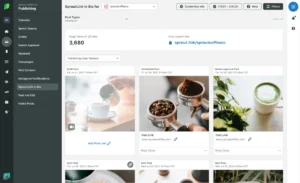
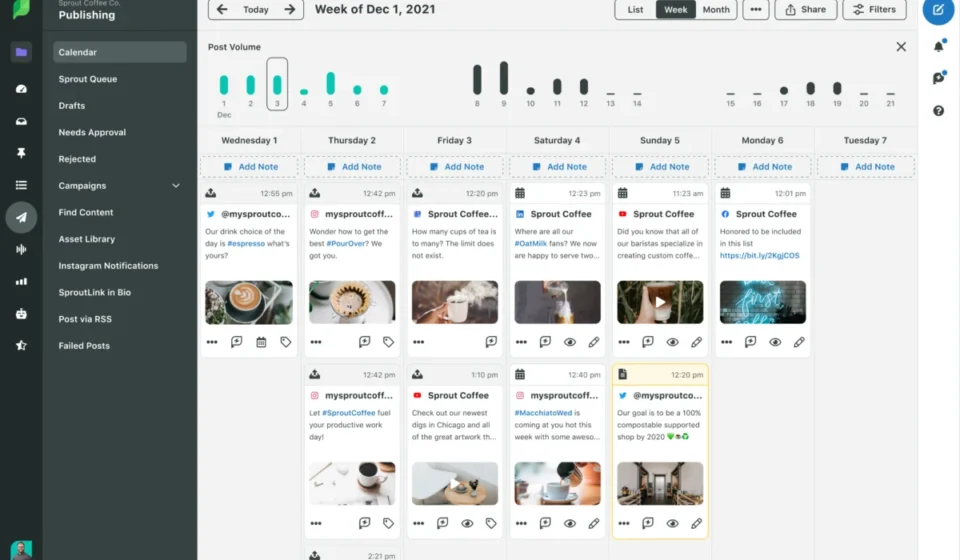
- Unified Dashboards: Connect all social profiles to a single interface to eliminate the waste of logging into multiple apps.
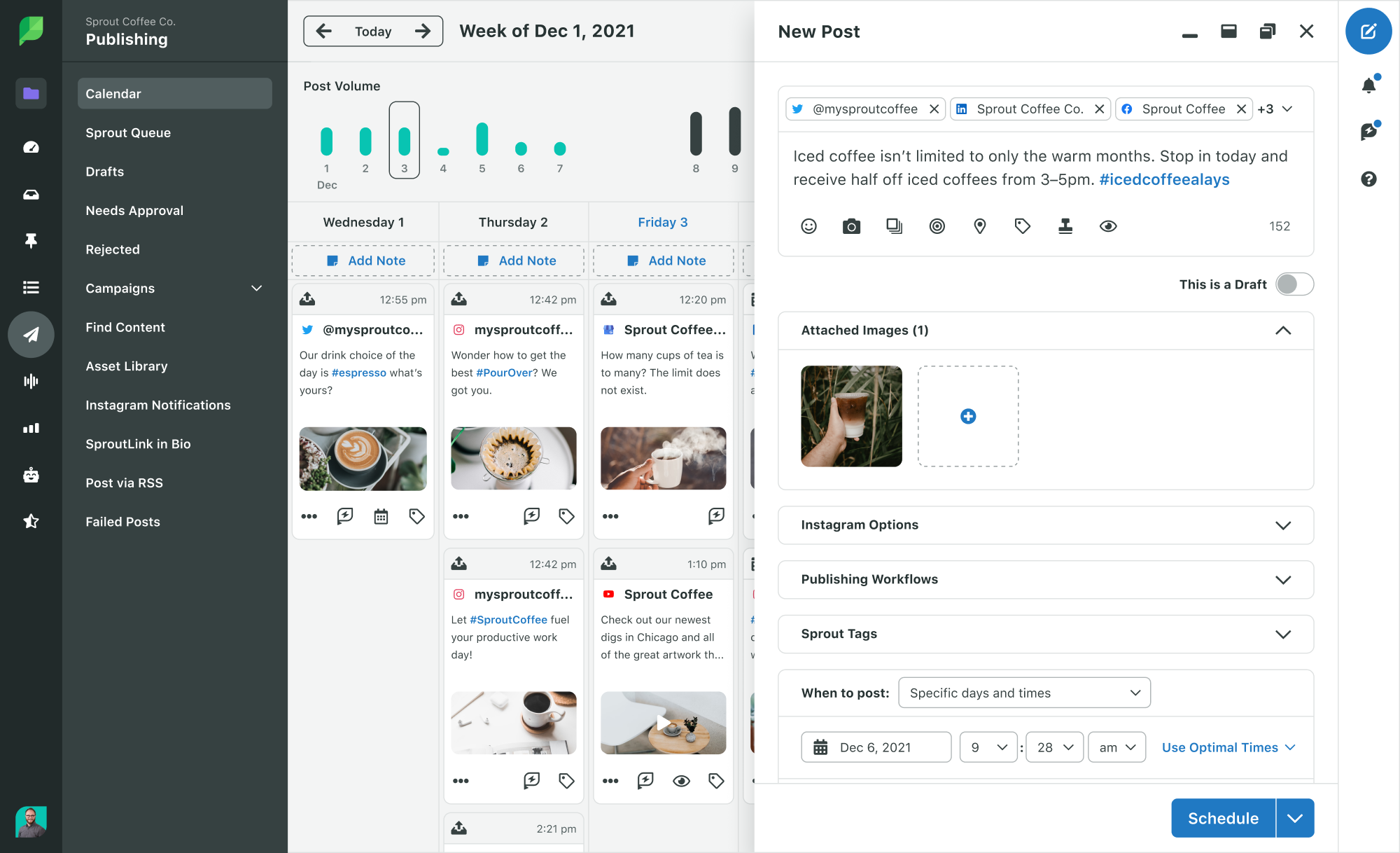
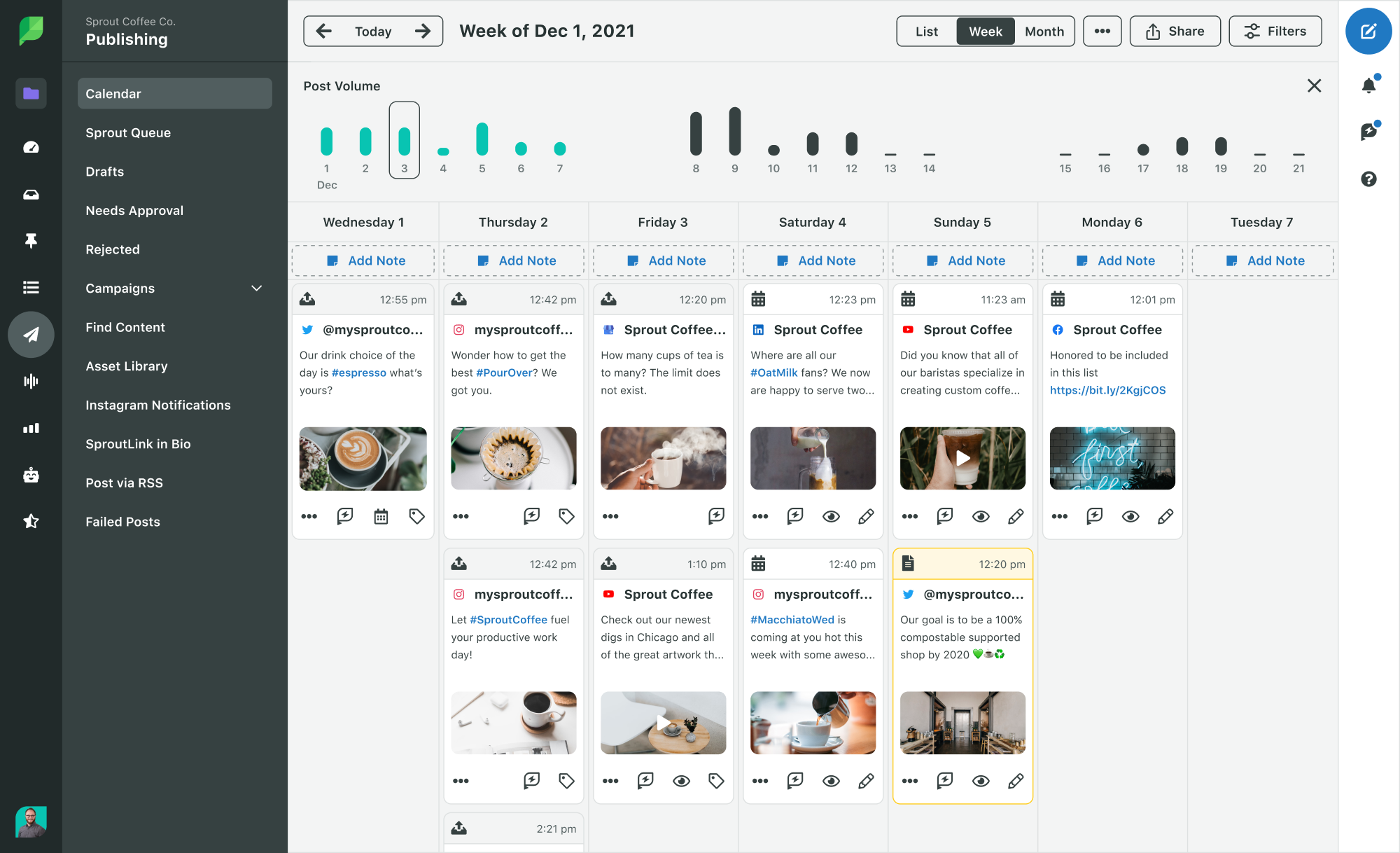
- Lightweight Content Calendars: Map out weekly and monthly content visually, utilizing drag-and-drop interfaces to adjust publishing cadence.
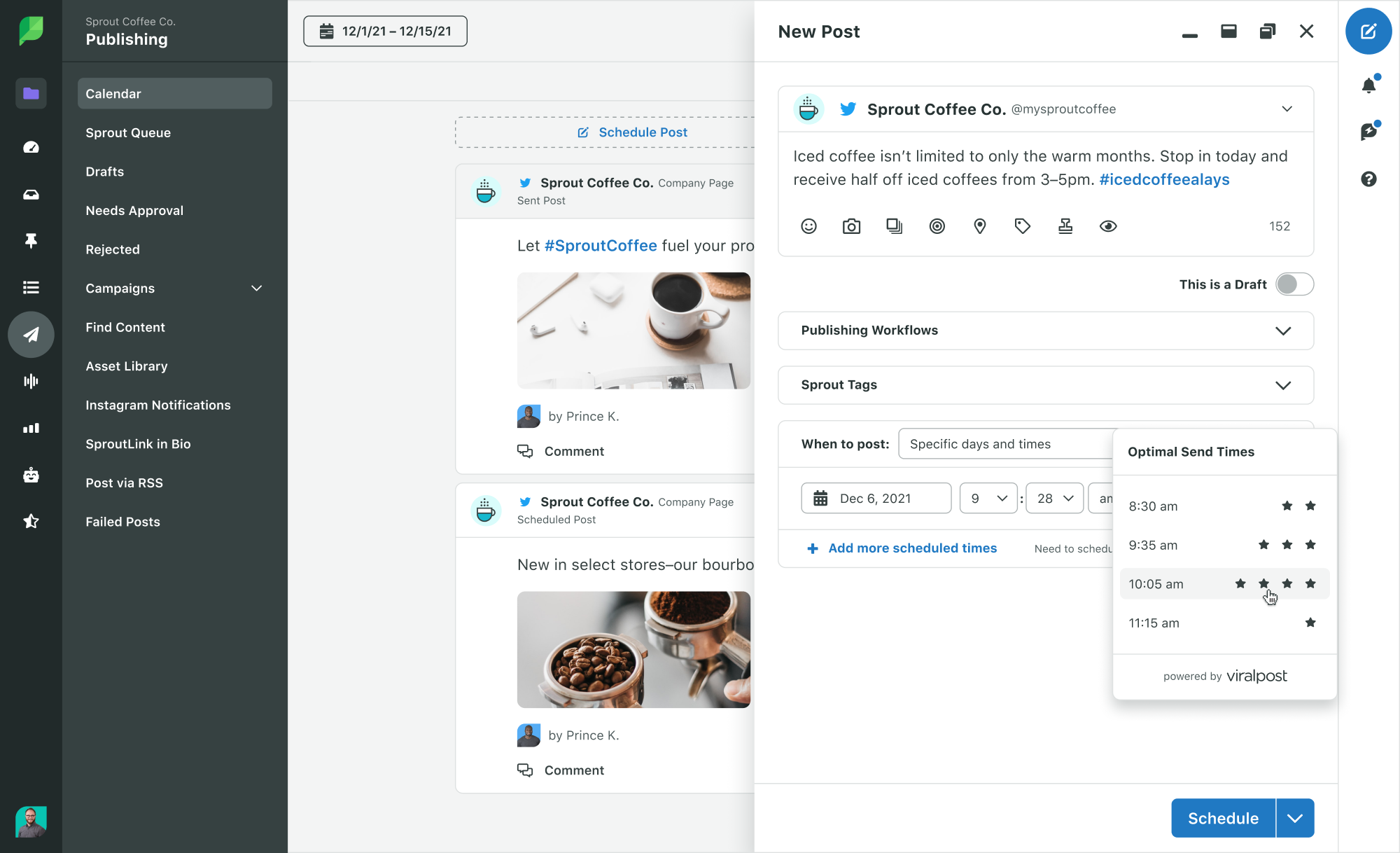
- Optimal Send Times: Leverage predictive analytics (such as ViralPost® technology) to automatically schedule content when target audiences are most active and engaged.
Step 2: Set Up Automated Engagement and Response Rules
- Unified Inboxes: Consolidate comments, direct messages, and brand mentions into a single filtered inbox to ensure no customer inquiry falls through the cracks.
- FAQ Chatbots: Deploy intelligent bot builders to handle routine inquiries—such as shipping policies, pricing, and basic product features—instantly, satisfying consumer demands for speed.
- Human Hand-Off Protocols: Design automated routing rules that instantly transition complex or high-value customer interactions to human team members.
Step 3: Automate Listening and Reporting
- Brand and Keyword Alerts: Utilize automated social listening tools to continuously scan millions of conversations for relevant industry trends, brand mentions, and shifts in consumer sentiment.
- AI-Assisted Insights: Implement AI agents (like Trellis) to extract data-backed answers and sentiment summaries within minutes rather than days.
- Recurring Performance Reports: Schedule automated metric reports to be delivered directly to stakeholders’ inboxes, maintaining continuous visibility into campaign performance.
Avoiding Common Pitfalls
While the benefits of automation are clear, improper execution can damage a brand’s reputation. Industry experts warn against three major traps:
- Over-Reliance on Generative AI: While AI is exceptional for brainstorming, outlining, and scripting, fully automated content creation often lacks nuance and is prone to factual errors. Human review and fact-checking remain essential.
- Indefinite Publishing Queues: A "set-it-and-forget-it" mindset can lead to tone-deaf disasters if scheduled posts go live during unforeseen crises or national tragedies. Queues must be actively monitored and paused when necessary.
- Impersonal Bot Interactions: Over-automation in customer service can alienate consumers. Automated responses must be carefully crafted with empathy, and a clear path to a human representative must always be accessible.
Conclusion
The evolution of social media management has reached a critical inflection point. By embracing centralized publishing, intelligent engagement rules, and automated listening, marketing teams can escape the productivity trap. Automation allows brands to meet modern consumer expectations for speed and availability while preserving the human creativity that drives authentic connection.