The Sports Renaissance: How Toronto’s Infrastructure Revolution is Redefining Global Event Planning

Toronto is currently undergoing a structural and cultural metamorphosis, positioning itself as a premier global hub for major sporting events and high-end corporate gatherings. The city’s recent investment in its athletic infrastructure has created a ripple effect, elevating not only its tourism appeal but also providing a sophisticated, versatile toolkit for meeting and event planners. By leveraging world-class venues that were once reserved strictly for professional athletics, Toronto is now blurring the lines between elite sports, tourism, and the MICE (Meetings, Incentives, Conferences, and Exhibitions) industry.
The Foundation: A City Reimagined for the World Stage
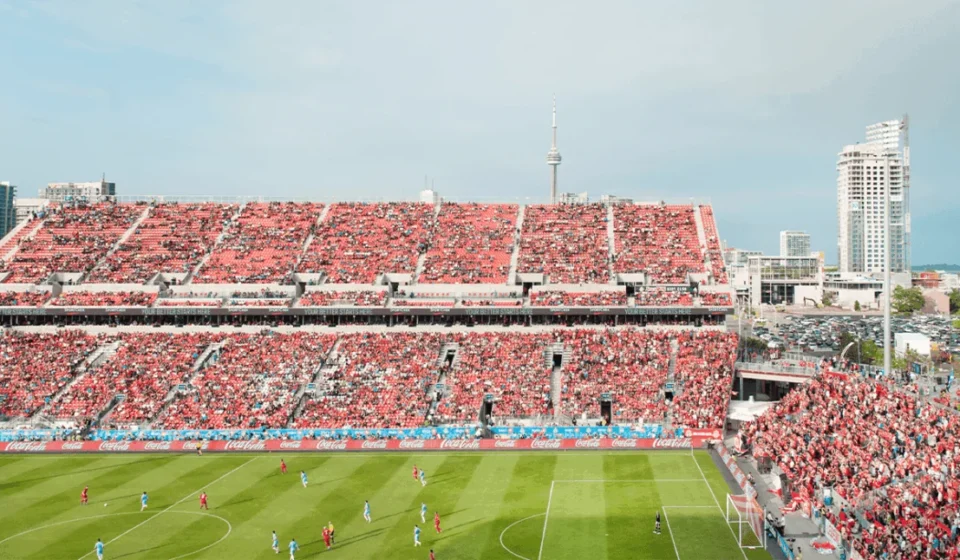
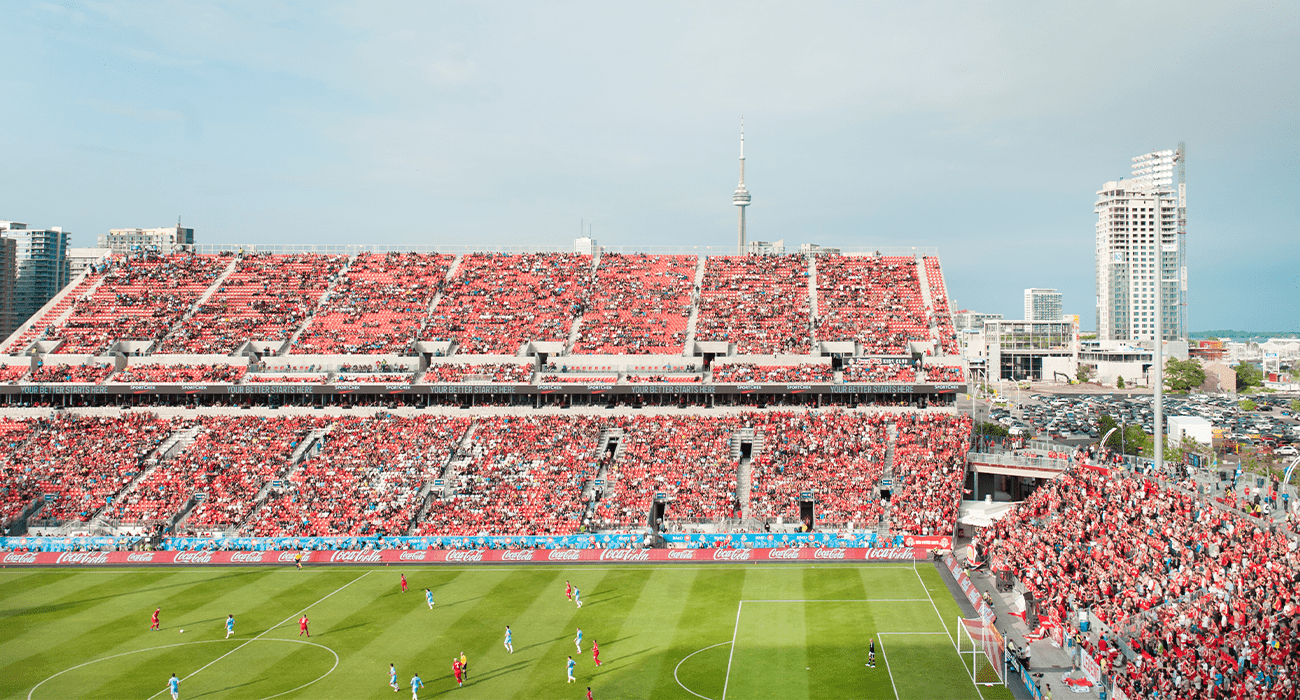
The recent surge in Toronto’s international profile is no accident; it is the result of strategic urban planning and a massive commitment to venue modernization. At the heart of this transformation is the city’s ability to host high-stakes international competitions, most notably the 2026 FIFA World Cup. Hosting six matches at the newly expanded BMO Field—rebranded as Toronto Stadium during the tournament—was a litmus test for the city’s logistics, hospitality, and infrastructure. The success of this endeavor proved that Toronto possesses the capacity to move, house, and entertain massive volumes of international visitors, cementing its reputation as a world-class host.
"Toronto’s sports momentum is creating an increasingly rich set of options for meeting and event planners," explains Scott Ventresca, Director of Major Events for Destination Toronto. "From the international spotlight of the 2026 FIFA World Cup to the cultural phenomenon of the Blue Jays’ 2025 World Series run, our city has demonstrated that it is capable of handling complex, high-profile gatherings with seamless precision."
A Chronology of Progress: From Grassroots to Global Icons
The evolution of Toronto’s sports landscape is best understood through a timeline of recent achievements that have fundamentally altered the city’s identity.
- 2024–2025 PWHL Season: The rise of the Toronto Sceptres marked a turning point for local fan engagement. Selling out the Coca-Cola Coliseum for the season and filling Scotiabank Arena to a capacity of 19,102 for a single game against the New York Sirens showcased a massive appetite for professional women’s hockey, signaling to corporate planners that local engagement in Toronto is at an all-time high.
- The 2025 MLB World Series: The Toronto Blue Jays’ electrifying run to Game 7 of the World Series provided the city with unprecedented global exposure. This period proved that Toronto’s downtown core could sustain weeks of high-energy, international-level tourism.
- The 2026 FIFA World Cup: Serving as a host city for the world’s most-watched sporting event, Toronto underwent a massive infrastructure overhaul. BMO Field’s expansion to 45,000 seats, coupled with pitch enhancements and upgraded broadcast capabilities, set a new standard for venue versatility in Canada.
- The Arrival of Toronto Tempo: The introduction of the city’s WNBA franchise, the Toronto Tempo—the first WNBA team located outside the United States—has added a new layer of prestige and year-round activity to the city’s entertainment calendar.
Infrastructure and Investment: Beyond the Game Day Experience
The "sports renaissance" in Toronto is characterized by a deliberate move toward multi-purpose functionality. It is no longer enough for an arena to host a game; modern venues must be capable of hosting a high-tech corporate conference in the morning and a sold-out athletic match in the evening.

Rogers Centre has been at the forefront of this shift, completing a multi-year renovation program that modernized its field-level hospitality suites and premium offerings. Simultaneously, Scotiabank Arena is undergoing a massive reimagination, integrating redesigned concourses and premium spaces that cater to corporate guests rather than just spectators.
"Across our broader portfolio—including the Ford Performance Centre and the OVO Athletic Centre—the trend is toward flexible, technically capable spaces," says Ventresca. "For meeting planners, this means venues equipped with the AV, catering, and hospitality infrastructure to support high-level corporate programming. We are moving beyond the ‘fan experience’ and into the realm of ‘corporate excellence.’"
The Strategic Advantage for Corporate Planners
For event planners, the proximity of these venues to Toronto’s primary hotel and financial districts is a distinct competitive advantage. Many of the city’s major entertainment hubs are located within a compact downtown footprint, drastically reducing transfer times for delegates and allowing for seamless transitions between boardroom meetings and off-site incentive experiences.
The "Hidden" Potential of Sports Venues
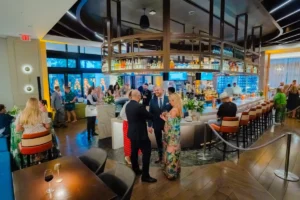
One of the most underutilized assets in the meeting planner’s arsenal is the private, behind-the-scenes access to Toronto’s premier sports facilities. Ventresca emphasizes that many planners are unaware of the extent to which these spaces can be customized.
- Private Play: Planners can rent full ice or court time at Scotiabank Arena, allowing corporate groups to physically step onto the same surfaces used by the Raptors and Maple Leafs just days prior.
- "Beyond the Baselines": The Rogers Centre offers programs that facilitate corporate baseball games, field-level gala dinners, and networking events for groups ranging from 20 to 2,000 attendees.
- Turnkey Entertainment: The broader footprint managed by Maple Leaf Sports & Entertainment (MLSE), which includes venues like Real Sports Bar & Grill and the public gathering space at Maple Leaf Square, provides a ready-made ecosystem for group buyouts and client hospitality.
Implications: The Lasting Legacy of High-Profile Events
The long-term value of Toronto’s sports investment is measured in global credibility. When a city hosts an event like the FIFA World Cup, it isn’t just selling tickets for a few weeks; it is building a "proof of concept" that remains in the minds of international stakeholders for years.
"The lasting value goes beyond the events themselves," notes Ventresca. "It’s the global awareness and the credibility they build for Toronto. When a meeting planner considers our city, they are looking at a destination that has proven it can handle the most complex logistics on the planet. That gives them the confidence that their corporate event—no matter how high-profile—will be executed with the same level of expertise."
Looking Ahead: A Sustained Future
As Toronto continues to integrate its professional sports teams—the Raptors, Maple Leafs, Blue Jays, Sceptres, and Tempo—into the fabric of its business tourism strategy, the synergy between these sectors will only deepen. The transition of sports facilities into "corporate-first" venues is a trend that is unlikely to reverse.
For the modern planner, Toronto offers a unique proposition: the energy of a sports-mad city combined with the professional infrastructure of a global business capital. By tapping into the resources that fuel the city’s athletic identity, meeting planners can craft experiences that are not only logistically sound but are also culturally resonant and distinctly "Toronto."
In an era where attendee engagement is paramount, the ability to offer a "behind-the-scenes" look at the city’s heartbeat—from the locker rooms of the OVO Athletic Centre to the premium suites of the Rogers Centre—is an asset that differentiates Toronto from its peers. The city has set the stage; now, the business world is invited to play.