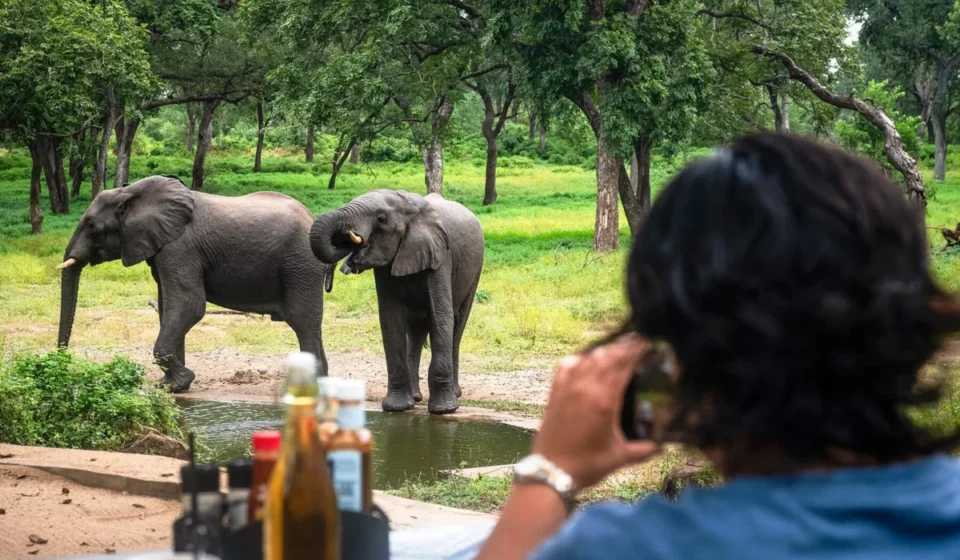

The traditional African safari has long been codified into a rigid, almost ritualistic formula. For decades, the "gold standard" of wildlife tourism has dictated a predictable trajectory: book a flight to a major hub in Kenya, Tanzania, or South Africa; arrive during the peak of the dry season; cram into a 4×4 vehicle; and join a frantic queue of tourists competing for the best vantage point of the "Big Five." While this approach undeniably yields spectacular sightings, it often turns the profound experience of wildlife observation into a logistical exercise in crowd management.
However, a quiet revolution is taking place in the heart of Africa. Travelers are beginning to question the conventional wisdom, seeking more intimate, authentic, and environmentally conscious encounters. Malawi, often eclipsed by its more famous neighbors, has emerged as the vanguard of this new safari philosophy. By prioritizing conservation, smaller-scale logistics, and a departure from seasonal norms, Malawi offers a blueprint for a more meaningful way to explore the African wilderness.
The Evolution of the Safari: Questioning the Status Quo
For the first-time visitor, the "Big Five" checklist—lions, leopards, rhinos, elephants, and Cape buffalo—is the siren song of African tourism. Yet, this checklist-driven approach often blinds travelers to the nuance of the ecosystem. The standard safari itinerary is designed for efficiency, not necessarily for immersion.
"We are seeing a shift in traveler consciousness," notes Dr. Elena Vance, a conservation analyst who has studied tourism trends in East and Southern Africa. "The modern traveler is becoming increasingly aware of the ‘over-tourism’ effect in iconic parks. They are looking for silence, solitude, and the ability to witness animal behavior without the roar of a dozen engines in the background. Malawi represents the antidote to the crowded, hyper-commercialized safari experience."
The conventional wisdom that only the dry season is "suitable" for travel is another myth being dismantled. While the dry season offers easier wildlife spotting as animals congregate around shrinking water holes, the "green season" (the rains) transforms the landscape into a verdant, vibrant paradise. Traveling during this time offers a completely different, often more profound, look at the bush—lush foliage, migratory birds, and the birth of young herbivores, all set against a dramatic, thunderstorm-washed backdrop.
A Chronology of Conservation: The Rise of Majete
To understand why Malawi is currently punching above its weight in the tourism sector, one must look at the remarkable history of the Majete Wildlife Reserve.
- Pre-2003: The reserve was effectively empty. Decades of poaching and human-wildlife conflict had decimated the local population of large mammals, leaving the landscape quiet and devoid of its historical megafauna.
- 2003: A pivotal moment occurred when African Parks, a non-profit conservation organization, signed a long-term management agreement with the Malawian government. This marked the beginning of one of the most successful ecological restoration projects in modern history.
- 2003–2010: The primary phase of reintroduction began. Infrastructure—including perimeter fencing and anti-poaching patrol bases—was established. This provided the necessary security for the return of large species.
- 2011–2015: Majete achieved "Big Five" status once again. The successful translocation of black rhinos, elephants, and lions acted as a catalyst for local tourism and economic stability.
- 2016–Present: Majete has transitioned into a "donor park." Its success has been so profound that it now serves as a source for repopulating other degraded parks across Africa, solidifying Malawi’s role as a regional leader in wildlife management.
Supporting Data: The Impact of Scale
The statistics behind Malawi’s resurgence are staggering. Since 2003, more than 3,000 animals across 17 different species have been reintroduced to Majete. This is not merely a numbers game; it is an ecological success story that highlights the efficacy of private-public partnerships.
When comparing a major, well-established national park in South Africa to a reserve like Majete, the differences in visitor experience are quantifiable. In high-traffic parks, it is common for a single leopard sighting to draw a "traffic jam" of 15 to 20 vehicles. The resulting noise and pressure often force the animal to move, cutting the viewing experience short.

In Majete, the lower volume of visitors changes the entire dynamic. "The luxury of time is our greatest asset," explains a local guide at the reserve. "When you are one of only two vehicles at a sighting, the animal feels comfortable. It exhibits natural behavior. You can watch a lioness groom her cubs or a herd of elephants interact for an hour without interruption. That is a connection you simply cannot buy in more saturated destinations."
Official Perspectives: The Sustainability Mandate
The Malawian government, in tandem with international conservation bodies, has explicitly positioned the country as a destination for the "conscious traveler." By avoiding mass-market tourism, Malawi has managed to keep its reserves pristine and its wildlife populations resilient.
"We are not looking to become the busiest safari destination in Africa," stated a spokesperson for the Malawi Department of Tourism. "We are looking to become the most sustainable. Our focus is on low-impact, high-value tourism that directly benefits local communities through employment, education, and anti-poaching initiatives."
This official stance has significant implications for the infrastructure of the country. Rather than massive, sprawling resorts that put a strain on local resources, the trend in Malawi is toward small-scale, eco-friendly lodges that operate off-grid. This ensures that the environmental footprint of the visitor is minimized, while the economic contribution to the surrounding villages is maximized.
Implications for Future Travelers
For the prospective safari-goer, the rise of Malawi suggests that the future of travel lies in intentionality. The traditional "Big Five" hunt is a relic of an era that prioritized accumulation over understanding. Today, the savvy traveler is looking for a deeper narrative.
Why You Should Rethink Your Next Trip:
- Avoid the "Tick-Box" Mentality: Instead of rushing through three parks in a week to see as many animals as possible, consider spending a week in one reserve. You will witness the subtle shifts in the landscape and develop a deeper understanding of the ecosystem.
- Embrace the Off-Season: Do not let the "dry season" marketing scare you. The green season offers incredible photography, fewer crowds, and lower costs.
- Prioritize Conservation Credentials: Before booking, research the management of the park. Are they part of a reputable conservation network like African Parks? Where does your money go?
- Value the Silence: A safari should be a sensory experience. The sound of the wind, the call of a fish eagle, and the quiet of the bush are as important as the visual spectacle of a lion kill. Choose locations that value the sanctity of the wilderness over the convenience of the tourist.
Conclusion: A New Standard for Wilderness
Malawi’s ascent as a premier wildlife destination is not an accident; it is the result of a deliberate, long-term commitment to restoration and a refusal to adopt the flawed models of the past. By championing the concept of "slow safari," the country has invited travelers to move beyond the checklist and into the realm of true discovery.
As the global travel industry continues to evolve, the lessons learned in the plains of Nyika and the thickets of Majete will become increasingly relevant. The safari of the future will not be measured by the number of species spotted in a 24-hour window, but by the quality of the engagement with the natural world. In a world that is becoming increasingly loud and crowded, Malawi offers the rarest luxury of all: the space to listen, to observe, and to be truly present in the wild.