The Strategic Evolution of The Cheesecake Factory: Scaling "Flower Child" and Refining the Portfolio

The Cheesecake Factory Incorporated has long been a titan of the polished casual dining sector, but in recent years, the company’s growth narrative has shifted from the steady expansion of its namesake brand to the calculated incubation of its high-performing subsidiary, Flower Child. As investors clamor for clarity on the future of the fast-casual brand, EVP and CFO Matthew Clark has been leading a campaign of re-education, emphasizing that the company’s priority is not just rapid growth, but "quality growth."
The Genesis and Growth of a Portfolio Star
The journey of Flower Child began in 2019 when The Cheesecake Factory completed its full acquisition of Fox Restaurant Concepts (FRC) and North Italia. The deal, valued at approximately $308 million, was the culmination of a minority stake investment made three years prior in 2016. At the time of the initial 2016 partnership, North Italia operated just nine locations, while Flower Child—a nascent fast-casual concept—boasted only five.
Today, the landscape has transformed significantly. The Cheesecake Factory system has expanded to include roughly 220 locations, while North Italia has grown to 50 units. Flower Child, meanwhile, has reached 40 locations, proving that its unique model of "scratch-kitchen" fast casual has legs in a competitive market.
During the Barclays Annual Global Consumer Staples Conference, Clark acknowledged the persistent inquiries from the investor community regarding the pace of Flower Child’s expansion. The prevailing sentiment among analysts is a desire for the company to "press on the pedal." However, Clark maintains that the pace of growth must align with the brand’s ability to maintain site quality, labor stability, and unit-level management excellence.
Financial Performance: A Fast-Casual Powerhouse
The investor appetite for Flower Child is well-founded. The brand’s recent performance metrics paint the picture of a high-growth asset that is punching well above its weight class. In the most recent quarter, Flower Child posted same-store sales gains of 13 percent, with a 17 percent two-year stack. Notably, about 8 points of that growth were driven by traffic, bolstered by 2.5 percent pricing and a successful expansion of catering services.

These figures have propelled annualized average-unit volumes (AUV) to $5.4 million, with adjusted mature store-level margins sitting at a robust 20.1 percent. To put these numbers in perspective, if Flower Child were ranked among the top 50 quick-service restaurants (QSRs) in the country by systemwide sales, its $5.4 million AUV would place it fourth—surpassing industry stalwarts like McDonald’s ($4.088 million) and Shake Shack ($4.048 million), while trailing only In-N-Out ($6.032 million).
Within the "QSR Contenders" list, Flower Child currently holds the second position, trailing only Portillo’s ($8.5 million) and significantly outpacing other publicly traded fast-casual competitors like sweetgreen, which reports an AUV of approximately $2.677 million.
Operational Philosophy: The "Cheesecake Factory Fast Casual"
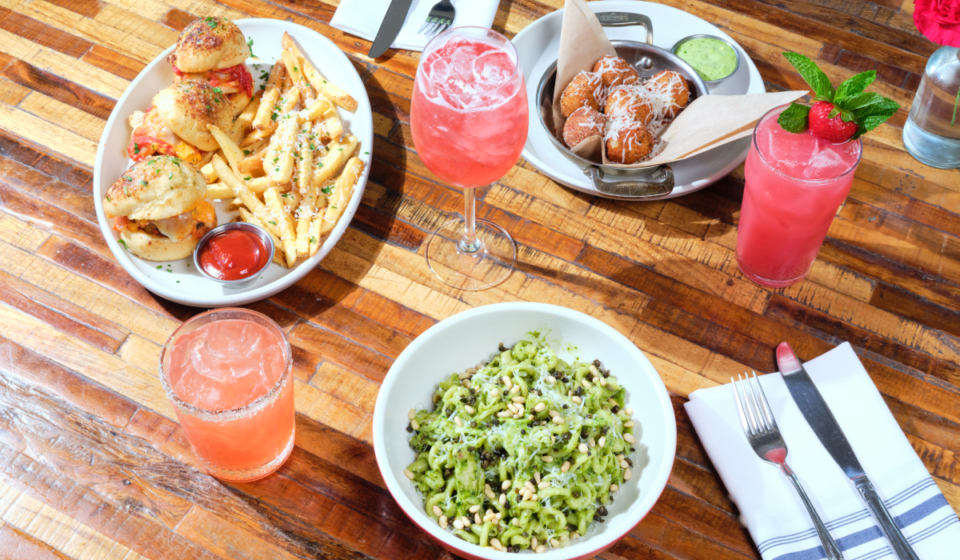
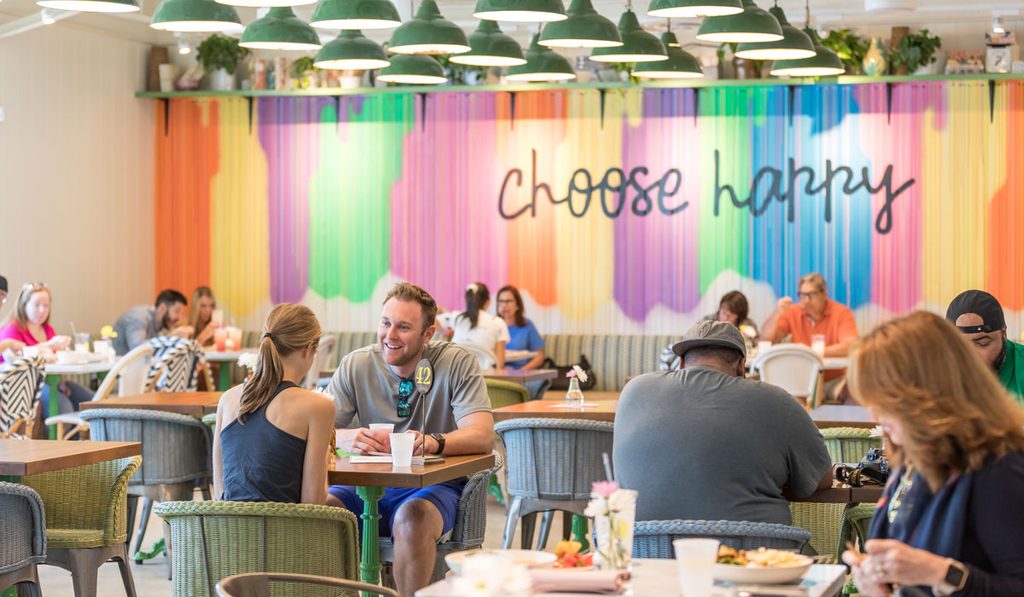
Internally, the leadership team refers to Flower Child as "The Cheesecake Factory of fast casual." This nomenclature is intentional, reflecting a departure from the assembly-line models common in the segment. Instead, Flower Child utilizes an open-concept, scratch-kitchen approach where customers witness the culinary process in real-time.
"It’s got a huge, defensible moat," Clark explained. "Not only does it have the price point of fast casual and the breadth of the menu, but it’s got a vibe in the restaurant."
This "vibe" is backed by data. Flower Child’s business is split between roughly 40 percent dinner and 60 percent lunch, a ratio that is highly differentiated in the fast-casual space. Furthermore, the brand maintains an even split between off-premises and in-store dining, a rarity for the category. According to President David Gordon, the brand appeals to a wide demographic—from families to solo adults—by offering an elevated experience that includes real plateware and table service, bridging the gap between convenience and traditional dining.
A Look at the Wider Corporate Ecosystem
While Flower Child captures the spotlight, the broader Cheesecake Factory organization is firing on all cylinders. The company reported a historic second quarter, generating over $1 billion in revenue for the first time, with net income surging 25 percent to $68 million. Same-store sales grew by 5.8 percent, outpacing the broader casual dining index by 350 basis points.
The company’s growth strategy is multifaceted:
- Targeted Expansion: For the current fiscal year, the company plans to open seven new Flower Child locations, alongside five to six Cheesecake Factory units, six to seven North Italia locations, and seven other FRC concepts, such as The Henry.
- The Power of Data: The launch of a company-wide rewards app in April has been a "tipping point" for digital engagement. The app has provided the brand with deeper insights into customer behavior, particularly among younger demographics who are increasingly returning to malls and seeking social experiences.
- The North Italia Pivot: While Flower Child is in a high-growth phase, North Italia is currently undergoing a strategic recalibration. After same-store sales slid 3 percent last quarter, the brand is testing lower-priced pasta dishes and lunch specials to broaden its appeal and overcome recent psychological price barriers.
Addressing Market Volatility and Future Challenges
Despite economic shifts, The Cheesecake Factory remains optimistic about the consumer’s desire for "experiential dining." Clark noted that while guests are becoming more discerning about where they spend their money, they continue to prioritize value-driven, high-quality experiences.
Addressing concerns regarding the rise of GLP-1 weight-loss medications, Clark remained unfazed. Drawing a comparison to the 2018 mandate requiring the listing of calorie counts on menus, he pointed out that those early predictions of a "demise" for the brand never materialized. Instead, customers simply curated their caloric intake, often choosing to save calories for a high-quality treat like a slice of Cheesecake Factory cake. The brand’s "SkinnyLicious" menu remains a stable percentage of sales, suggesting that the company’s core value proposition remains intact regardless of health trends.
Looking ahead, the company is also exploring the role of Artificial Intelligence. While still in the "early innings," leadership sees potential for AI to drive marketing efficiency and supply chain productivity. By holding administrative costs flat while scaling unit count, the company aims to leverage its size to drive margin expansion.

Implications for the Sector
The success of Flower Child and the resilience of The Cheesecake Factory’s core brand offer a blueprint for the future of the hospitality industry. By maintaining a focus on "quality growth"—prioritizing talent pipelines, operational excellence, and brand-specific "moats"—the company is proving that casual dining is not a dying sector.
Instead, the future lies in the ability to balance the consistency of a large-scale enterprise with the local appeal of specialized concepts. As the company continues to densify in key markets like Dallas and Phoenix, it is clear that its strategy of "competing against everybody and nobody" is paying dividends. For investors and industry observers alike, the lesson is clear: the path to long-term success is paved with data-backed, experiential, and thoughtfully managed growth.