The Summer of Gridlock: America’s National Parks Face an Unprecedented Crisis of Success

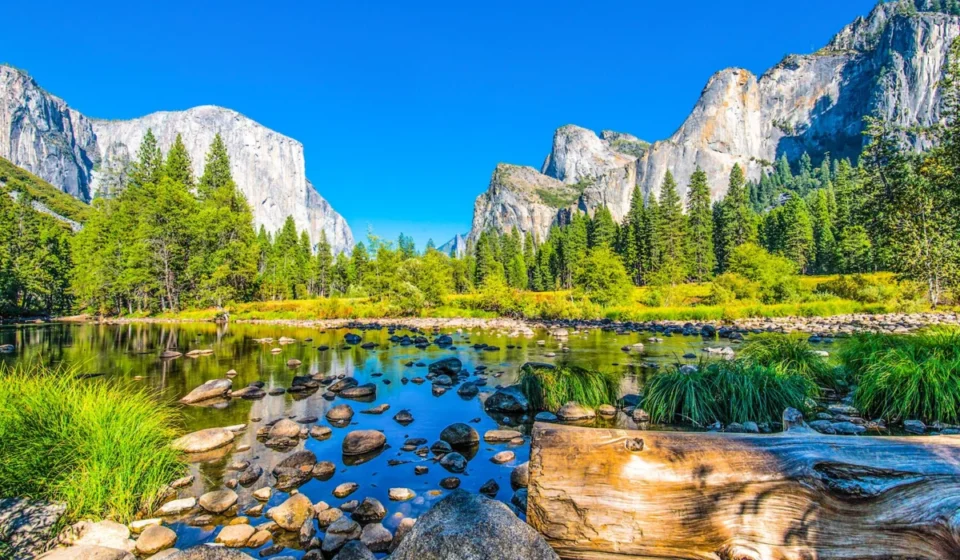
For over a century, America’s National Park System has served as the "crown jewel" of the nation’s public lands, a vast network of protected wilderness designed to balance the preservation of pristine ecosystems with the democratic ideal of public accessibility. However, this summer, that delicate balance has been pushed to a breaking point. As record-shattering crowds descend upon iconic landscapes from the geysers of Yellowstone to the granite cathedrals of Yosemite, the National Park Service (NPS) finds itself grappling with a "perfect storm": surging attendance, severe staffing shortages, and a contentious shift in administrative policy that critics argue has turned manageable visitation into absolute chaos.
The Reality of the "Record-Breaking" Summer
The data from the current season paints a picture of a system under immense duress. Following a year in which 26 national parks set all-time attendance records, the trend has not only continued but accelerated. By May—well before the traditional start of the summer vacation season—Yellowstone National Park had already logged record-breaking numbers. Similarly, Yosemite National Park, often considered the barometer for the health of the entire system, saw its entry gates overwhelmed as the summer months began.
For the average visitor, the "national park experience" has transformed from a serene retreat into a test of patience. Reports of multi-hour traffic queues, parking lots reaching full capacity by sunrise, and shuttle services operating at maximum load have become commonplace. The frustration is palpable, and for many, the experience is no longer about communing with nature, but about surviving the logistics of the crowd.
A Chronology of the Yosemite Controversy
To understand the current state of "chaos" described by the National Parks Conservation Association (NPCA), one must look at the recent history of park management, specifically at Yosemite.
- 2020–2024: Following the onset of the pandemic, Yosemite implemented a timed entry reservation system. This mechanism allowed the park to smooth out arrival times, reduce peak-hour congestion, and protect sensitive habitats from being overrun. It was widely regarded by park staff as a successful, if imperfect, tool for managing high-volume tourism.
- Early 2026: Under the current federal administration, the decision was made to scrap the reservation system. The move was prompted by lobbying from regional stakeholders—particularly lodging operators in the gateway communities surrounding the park, who argued that reservations were stifling business and limiting the economic potential of the tourism corridor.
- July 2026: The removal of the reservation system, compounded by the federal designation of the July 4 holiday as a "fee-free" entry day, resulted in what observers described as a breaking point. Park officials reported gridlock so severe that emergency responders struggled to navigate the roads to reach traffic collisions and wildlife-related incidents.
The removal of the reservation system did not just invite more people into the park; it fundamentally changed the park’s ability to function as an emergency management entity. When roads become parking lots, the basic safety of both human visitors and local wildlife is compromised.
Supporting Data: The Erosion of Infrastructure
The crowding issue cannot be blamed on popularity alone. It is fundamentally linked to a systemic decay in infrastructure and human capital. According to the NPCA, the National Park Service has suffered a staggering 25% reduction in its permanent workforce over the last year.
This loss of veteran personnel has left park management reliant on a revolving door of seasonal, less-experienced workers who are often tasked with managing crowds of tens of thousands without adequate training or authority. The vacuum of expertise is exacerbated by a lack of funding for maintenance and operations. Furthermore, the introduction of a controversial "non-citizen" entry fee—requiring rangers to verify residency status at entry points—has added an administrative bottleneck. What was once a quick "flash of the pass" at an entry kiosk has turned into an interrogation, further slowing the flow of vehicles and backing up traffic onto public highways.
Official Responses and Political Pressure
The severity of the situation has drawn sharp rebukes from Capitol Hill. In July, California Senators Alex Padilla and Adam Schiff issued a formal letter to Interior Secretary Doug Burgum, demanding an immediate return to the reservation system.
"The increased visitation we have seen without the reservation system, mixed with the reduction in staff and resources over the past year, leaves us deeply concerned," the Senators wrote. They emphasized that the current state of affairs is not merely an inconvenience but a failure of stewardship. Their letter highlights a growing divide between federal administrative directives and the on-the-ground reality experienced by career park rangers and conservation advocates.
The Department of the Interior has maintained that it seeks to expand access to all Americans, but critics argue that "access" without infrastructure is merely a slogan that leads to the degradation of the very resources the NPS was founded to protect.
The Paradox of the "Big Ten"
One of the most persistent ironies of the current crisis is that it is largely self-inflicted by the public’s singular focus on a handful of famous sites. In 2025, the ten busiest national parks accounted for 50% of all park visits. This hyper-concentration of tourism leaves the other 420-plus units of the National Park System—which include National Monuments, Battlefields, and Historic Sites—relatively quiet.
The NPS oversees 433 units, yet the public’s "bucket list" mentality creates a bottleneck effect. The obsession with Yellowstone and Yosemite draws millions to the same few locations, while thousands of acres of pristine, federally protected land remain underutilized.
Alternatives for the Discerning Traveler
For those seeking the beauty of the American outdoors without the misery of the crowds, the solution lies in diversifying the destination list. State parks offer a compelling, and often more accessible, alternative. Unlike the National Park System, state parks are funded and managed by individual state governments, often with different staffing models and infrastructure requirements.
Notable alternatives that offer world-class landscapes without the crushing density of the "Big Ten" include:
- Denali State Park (Alaska): Offering dramatic views of the Alaska Range that rival the national park of the same name, but with a fraction of the congestion.
- Point Lobos State Natural Reserve (California): A coastal gem that provides a rugged, Pacific-edge experience that remains strictly managed to prevent the degradation seen at nearby Yosemite.
- Kōkeʻe State Park (Hawaiʻi): High-altitude wilderness that provides an escape from the beach-focused tourism of the islands.
- Camano Island State Park (Washington): A prime example of the lush, temperate forests and water access that the Pacific Northwest is famous for, without the multi-hour wait times seen at Olympic or Rainier.
Implications: A Future at a Crossroads
The National Park System was born from the Organic Act of 1916, which mandated a dual—and often conflicting—purpose: to "conserve the scenery, natural and historic objects, and wildlife" while simultaneously providing for "the enjoyment of the same in such manner and by such means as will leave them unimpaired for the enjoyment of future generations."
The current crisis proves that "enjoyment" cannot be prioritized at the expense of "unimpaired" status. If the National Park Service continues to face staffing cuts while simultaneously removing tools like reservation systems to satisfy political optics, the consequences will be permanent. Trails will erode, wildlife corridors will be disrupted by excessive traffic, and the morale of the remaining ranger corps will continue to plummet.
The "summer of gridlock" should serve as a wake-up call. Protecting America’s natural heritage requires more than just opening the gates; it requires the political will to fund the workforce, the courage to implement logical visitor management, and the public awareness to explore the hundreds of lesser-known treasures that exist across the country. If the current trajectory is not corrected, the "crown jewels" of the nation may find their luster significantly dimmed for the generations to come.