The Sustainability Revolution: Sennheiser Challenges the “Disposable Tech” Era with Momentum True Wireless 5

In the fast-paced world of consumer electronics, wireless earbuds have become ubiquitous. From budget-friendly impulse buys that lose their luster after a few months to high-end, audiophile-grade in-ear monitors (IEMs), the market is saturated with options. Yet, despite the diversity in audio fidelity and design, the industry has long been plagued by a fundamental, structural flaw: planned obsolescence through sealed, non-replaceable batteries.
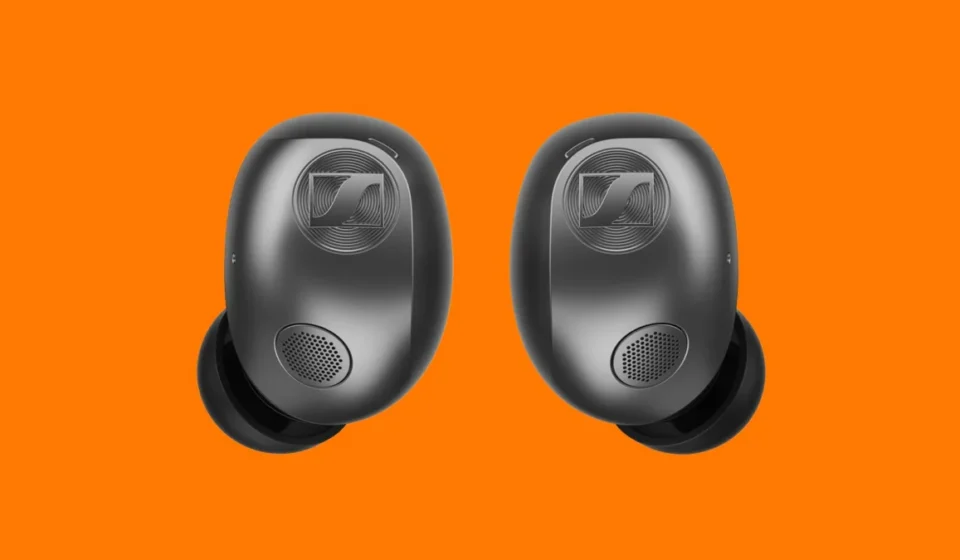
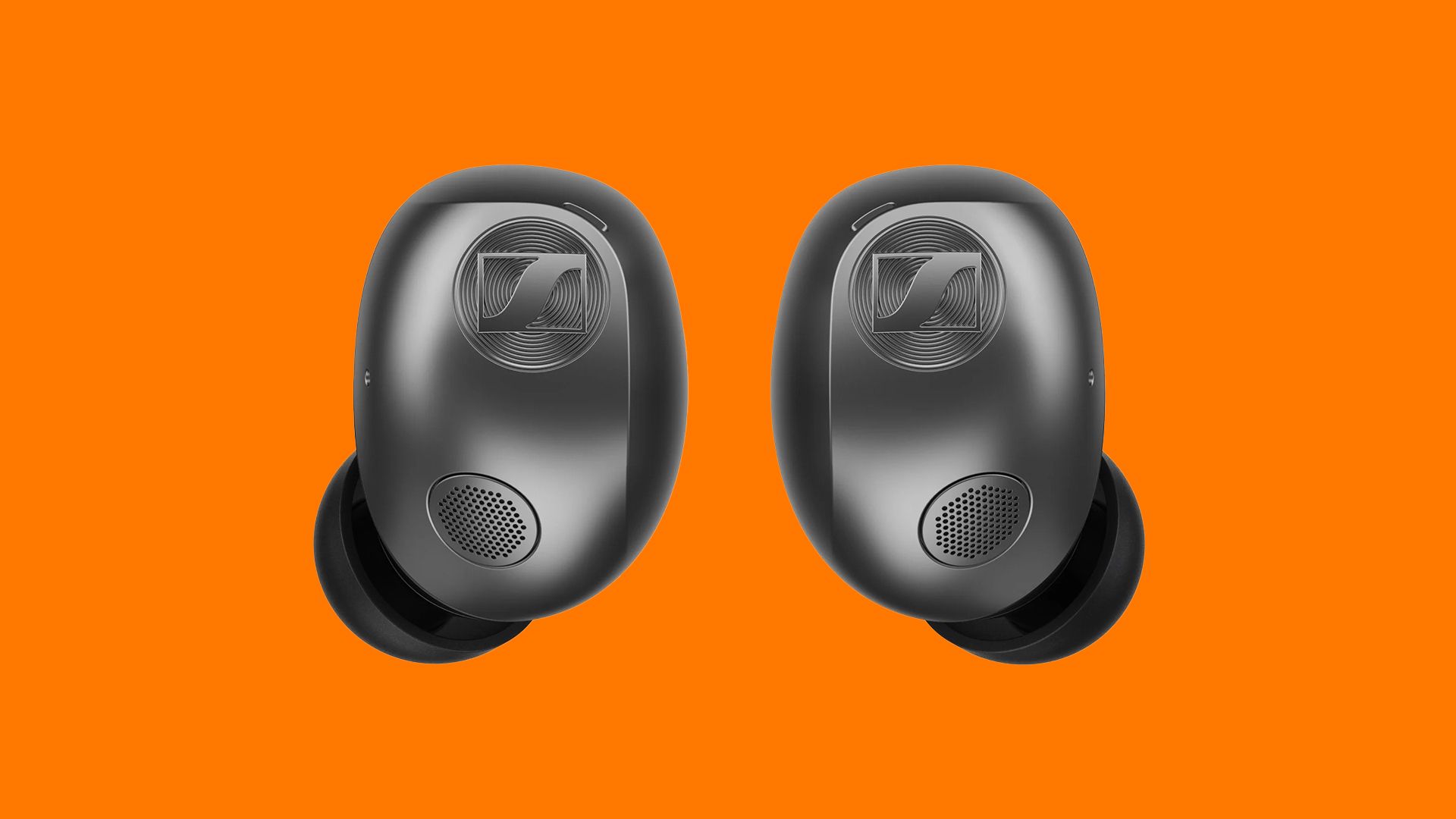
For years, tech giants like Apple have dominated the market with the AirPods ecosystem. While lauded for their seamless integration and intuitive user experience, they are notorious for their lack of repairability. Once the lithium-ion batteries inside these tiny shells degrade—a process that typically begins within two to three years of daily use—the devices become essentially e-waste. Now, German audio titan Sennheiser is aiming to disrupt this narrative with the launch of the Momentum True Wireless 5, a premium set of earbuds that prioritizes longevity as much as it does sonic performance.
The Core Innovation: Sustainability by Design
The primary selling point of the Momentum True Wireless 5 is not just its industry-leading audio technology, but its mechanical architecture. Unlike the vast majority of its competitors, which rely on industrial adhesives and ultrasonic welding to seal their chassis, the Momentum True Wireless 5 is designed to be opened.
With nothing more than a precision screwdriver, users can access and replace the batteries in both the individual earbuds and the charging case. This design choice marks a significant departure from the industry standard. By allowing users to perform their own maintenance, Sennheiser is effectively extending the product’s lifespan from a few years to potentially a decade, assuming the internal components remain compatible with evolving wireless standards.
A Chronology of the “Disposable” Tech Debate
The conversation surrounding the repairability of personal audio devices did not begin in a vacuum. It is the culmination of years of frustration from consumers and advocacy from right-to-repair groups.
- 2019–2021: The meteoric rise of "True Wireless Stereo" (TWS) devices solidified the standard of sealed, disposable electronics. During this period, environmental agencies began flagging the rise in lithium-ion waste as a critical ecological concern.
- 2022: Apple, facing immense pressure from international regulatory bodies, launched its "Self Service Repair" program for the iPhone. While it was a step toward transparency, it was widely criticized for being complex, expensive, and limited in scope, doing little to address the "disposable" nature of smaller wearables like AirPods.
- 2023: The tech community witnessed a watershed moment when a hardware hacker went viral for successfully engineering "repairable" AirPods. The project, which involved 3D-printed components and custom-soldered internals, highlighted the absurdity of how difficult it had become to perform simple battery swaps on mainstream hardware.
- 2024: Fairphone, a company built on the ethos of ethical electronics, released the Fairbuds, featuring modular, user-replaceable batteries. This served as a proof-of-concept for the industry.
- 2025: Sennheiser officially enters the fray with the Momentum True Wireless 5, signaling that premium, high-fidelity audio brands are now ready to embrace the modular movement.
Technical Specifications and Performance Metrics
While the sustainability aspect is the headline, the Momentum True Wireless 5 are, first and foremost, a serious audio product. Sennheiser has not sacrificed performance to achieve its modular design.
Audio Fidelity
The earbuds feature Sennheiser’s proprietary TrueResponse transducers, which provide a wide soundstage and precise frequency response. Support for 3D Dolby Atmos creates an immersive, spatial audio experience that rivals over-ear studio monitors. Furthermore, for the purists, the earbuds support a high-bitrate Lossless codec, ensuring that high-fidelity audio files are transmitted with minimal compression artifacts.
Advanced Signal Processing
The device incorporates adaptive active noise cancellation (ANC) that monitors environmental sounds hundreds of times per second, adjusting the attenuation to silence the chaos of urban life. Complementing this is AI-powered voice isolation, which ensures that calls remain crystal clear even in windy or crowded environments.
Battery and Power Management
Sennheiser cites an impressive 40 hours of total playtime when utilizing the charging case. Through the "Smart Control Plus" application, users gain access to granular EQ settings, allowing them to tailor the sound signature to their specific preferences. The app also provides diagnostics, which will likely prove useful as users begin to swap out their batteries over time, ensuring the system can recalibrate for peak performance.
Industry Implications: The End of the "Throwaway" Culture?
The shift toward repairability is not merely a design trend; it is a response to impending global regulations. With the European Union pushing for strict "Right to Repair" legislation, which mandates that batteries in portable devices must be easily removable by the end-user by 2027, companies are being forced to innovate.
Sennheiser’s move serves as a bellwether for the rest of the industry. If a premium, heritage audio brand can maintain high-fidelity standards while adhering to repairable design principles, the "we had to glue it shut for sound quality" argument used by Apple and others becomes increasingly difficult to sustain.
The Economic Shift
The economic model of the consumer electronics industry has historically relied on the "upgrade cycle." By releasing new models every 18 to 24 months and ensuring the old ones fail, manufacturers secure recurring revenue. The Momentum True Wireless 5 challenges this by offering a product that encourages a longer relationship between the user and the device. While this may seem counterintuitive for quarterly earnings, it creates deep brand loyalty—a metric that is becoming increasingly valuable in a crowded marketplace.
Official Responses and Expert Commentary
"The design of the Momentum True Wireless 5 was born from a desire to respect both the listener and the environment," says a lead engineer at Sennheiser. "We realized that our customers invest in our products because they value sound quality. It is a disservice to that investment if the device becomes obsolete simply because a chemical component—the battery—reaches its end of life."
Critics of the repairability movement often point to the loss of "IPX" water-resistance ratings when devices are designed with screws rather than glue. However, Sennheiser has managed to retain a robust build quality that feels premium in the hand, suggesting that modularity and durability are not mutually exclusive.
Conclusion: A New Standard for Premium Audio
The Sennheiser Momentum True Wireless 5 is more than just a piece of hardware; it is a manifesto. It demonstrates that the future of tech does not have to be a cycle of consumption and waste. For the design-obsessed consumer, the professional on the go, and the eco-conscious audiophile, this product offers a compelling value proposition: you no longer have to choose between cutting-edge features and a sustainable footprint.
As we look toward the next decade of personal audio, one thing is clear: the brands that survive will be those that empower the user rather than alienate them. By inviting the owner to open the casing, pick up a screwdriver, and extend the life of their device, Sennheiser has set a high bar. The question now remains: will the giants of Silicon Valley follow suit, or will they continue to ignore the growing demand for tech that is built to last?
For those looking to invest in their audio future, the Momentum True Wireless 5 represents a shift in philosophy. It is a reminder that the best gadget is one that stays with you, evolves with you, and, most importantly, keeps playing long after the others have been sent to the landfill.