
The Ultimate Shopping Event: A Comprehensive Analysis of Amazon’s Prime Big Deal Days and Consumer Trends

Main Facts
Amazon’s Prime Big Deal Days—widely recognized by shoppers and retail analysts alike as "Fall Prime Day"—has officially launched, introducing a massive wave of steep discounts across a multitude of product categories. Designed to kick off the autumnal and holiday shopping seasons, this major shopping event arrives with thousands of price cuts, rivaling historical discount depths seen during the summer iteration of Prime Day.

However, navigating the sheer volume of markdowns presents a significant challenge for consumers. To combat decision fatigue, retail experts and shopping analysts have mobilized to track price histories, separate genuine markdowns from superficial price drops, and isolate the most compelling offers.

Key highlights of the current sales event include:
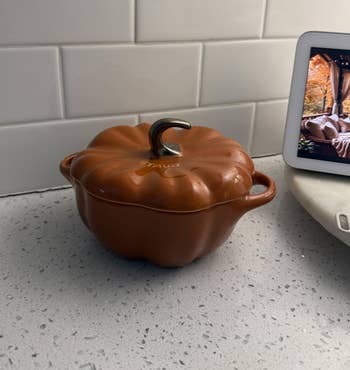
- Deep Home and Kitchen Discounts: Iconic brands such as Vitamix, Staub, Cuisinart, and KitchenAid have slashed prices by up to 50% or more, offering rare savings on high-end culinary gear.
- Tech and Smart Home Innovations: High-demand electronics, including Sony noise-canceling headphones, Apple AirPods Pro, and Amazon’s proprietary smart home devices, are seeing historic price lows.
- Beauty and Wellness Cult-Favorites: Skincare staples from viral K-beauty brands, La Roche-Posay, TruSkin, and luxury body care lines like Sol de Janeiro are seeing unprecedented markdowns.
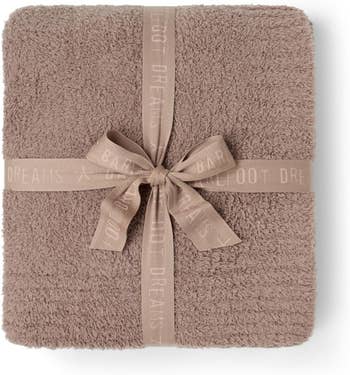
- Apparel and Lifestyle Markdown Milestones: Classic retailers such as Levi’s and premium comfort brands like Barefoot Dreams are offering rare seasonal price reductions.
While many of these promotional pricing tiers require an active Amazon Prime membership, non-prime shoppers can still access select discounts or opt into a 30-day free trial to unlock the maximum savings.
Chronology
The evolution of Amazon’s secondary major annual sales event reflects a broader shift in consumer retail habits, transforming the traditional shopping calendar.
- Pre-2022: Amazon’s promotional strategy centered almost exclusively on July’s annual Prime Day, leaving a significant gap between summer promotions and Black Friday/Cyber Monday November sales.
- October 2022: Responding to shifting economic pressures and a desire to jump-start early holiday shopping, Amazon introduced the "Prime Early Access Sale" in October, marking the birth of the fall shopping event.
- October 2023–2024: Rebranded as "Prime Big Deal Days," the autumn event solidified its place in the retail ecosystem. Retailers across the e-commerce landscape began synchronizing their own sales to compete with Amazon’s October push.
- Current Event Timeline: Fall Prime Day officially opens in mid-Q4. Analysts note that deals deploy rapidly, with "Lightning Deals" and inventory-restricted markdowns fluctuating throughout the active sales week. Consumers are advised to monitor price tracking indices early, as high-demand items—such as viral skincare products, espresso machines, and premium home goods—frequently sell out within hours of the sale’s initiation.
Supporting Data and Product Analysis
To understand the scope of the current discounts, retail analysts have evaluated price points across top-performing product categories. The data reveals significant savings compared to Manufacturer Suggested Retail Prices (MSRP) and historical price baselines.

Culinary and Kitchen Appliances
- Vitamix Propel 750 Blender: Marked down by 42%, bringing the price to $364.95 (originally $629.95). Analysts note this surpasses June Prime Day savings, hitting the lowest price point of the year.
- Cuisinart 12-Piece Stainless Steel Cookware Set: Available at 36% off for $191.36 (originally $299.95), matching its lowest pricing threshold since 2020.
- Zojirushi Micom 3-Cup Rice Cooker: Reduced by 36% to $121.49 (originally $189.95), marking the lowest price recorded for this model since 2024.
- KitchenAid Artisan Series Stand Mixer: Offered at 24% off, dropping the price to $379.95 from its original $499.95 across 20 distinct colorways.
Home Comfort and Sleep Technology
- Barefoot Dreams CozyChic Throw Blanket: Selected colorways are marked down by 53%, dropping from an original price of $158 down to $75.
- Hatch Restore 3 Smart Sleep Assistant: Discounted by 20% to $135.99 (originally $169.99), combining sound therapy, a smart lamp, and a sunrise alarm clock.
- Mellanni Queen Sheet Sets: Marked down by up to 23%, offering the internet-famous microfiber bedding for $28.47.
Personal Care and Beauty
- TruSkin Vitamin C Serum: Available at a 50% discount for $19.31 (originally $38.99), offering an affordable alternative to luxury serums like SkinCeuticals CE Ferulic.
- Sol de Janeiro Brazilian Bum Bum Cream: Discounted by 20% to $28.80 (originally $36), a notable reduction for a luxury beauty item that rarely goes on sale.
- Olaplex Wash & Shine Hair Kit: Featured at a rare 30% discount, pricing the complete bond-building routine at $47.60 (originally $68).
- Biodance Bio-Collagen Real Deep Mask: TikTok’s viral overnight face mask is discounted by 32%, dropping to $12.99 for a pack of four.
Electronics and Entertainment
- Sony WH-1000XM5 Wireless Over-Ear Headphones: Discounted by 50% to $198 (originally $399.99), matching their historic low price point.
- Apple AirPods Pro (Latest Generation): Offered with a $70 discount, bringing the price down to $179 from the original $249.
- Ring Video Doorbell: Marked down by 60% to $39.99 (originally $99.99), representing the lowest recorded price for the device.
Official Responses and Industry Insights
Retail economists and consumer advocacy groups have closely monitored the rollout of Prime Big Deal Days, providing context on how these massive promotional events impact both consumer spending and market competition.

Industry analysts point out that events like Fall Prime Day serve a dual purpose for e-commerce giants. Beyond capturing immediate Q4 consumer demand, these sales act as a primary acquisition funnel for Amazon Prime subscriptions. Data from consumer research firms indicates that a significant percentage of first-time shoppers sign up for trial memberships to access exclusive pricing tiers, subsequently retaining their subscriptions through the holiday season.

Furthermore, brands participating in the event—ranging from boutique K-beauty lines like Dr. Althea and Anua to legacy manufacturers like Cuisinart and Levi’s—utilize the platform to clear inventory ahead of the traditional holiday rush while capturing vital algorithmic visibility on search rankings.

Consumer watchdogs, however, remind shoppers to exercise caution. While many discounts represent genuine, record-low pricing, others utilize inflated "original" list prices to exaggerate the perceived value of the markdown. Utilizing browser-based price trackers remains the gold standard for verifying whether a deal is truly historic.

Implications
The financial and behavioral implications of Amazon’s Prime Big Deal Days extend far beyond individual household savings, shaping broader retail trends for the remainder of the fiscal year.

1. Shift in Holiday Shopping Timelines
The proliferation of October mega-sales has permanently altered consumer behavior. Historically, holiday shopping commenced on Black Friday and Cyber Monday. Events like Fall Prime Day encourage consumers to complete major holiday purchases weeks earlier, smoothing out supply chain pressures for shipping carriers and reducing the intensity of traditional late-November shopping surges.

2. The Rise of "Dupe" Culture and Value-Driven Luxury
Sales data from current promotions highlights a growing consumer preference for high-efficacy beauty and lifestyle products at accessible price points. Viral products—such as affordable vitamin C serums competing with luxury formulations, or high-performance home goods—demonstrate that shoppers are increasingly strategic, seeking professional-grade results without premium price tags.

3. Economic Resilience and Selective Spending
Despite broader macroeconomic uncertainties and cost-of-living fluctuations, consumer participation in promotional sales events remains robust. However, spending patterns indicate a high degree of intentionality. Rather than making impulse purchases, consumers are utilizing sales events to stock up on essentials, invest in durable home appliances intended to last a lifetime, or acquire wellness and sleep-enhancement technology aimed at improving daily quality of life.