The Vice City Gold Rush: Why Brands Are Desperately Chasing the GTA VI Aesthetic

With the highly anticipated launch of Grand Theft Auto VI less than a month away, the marketing world has descended into a frenzy. From multinational automotive giants like BMW to fast-food titans such as Burger King, brands are scrambling to align themselves with the neon-soaked, high-octane aesthetic of Rockstar Games’ upcoming blockbuster.
Yet, this marketing gold rush highlights a profound disconnect. Unlike the collaborative ecosystem of Fortnite or Roblox, Rockstar Games maintains a notoriously walled-off approach to in-game advertising. They do not sell space for brands to "drop in," leaving major corporations to engage in a peculiar form of visual mimicry: "imagining" themselves in the sun-drenched streets of Leonida (the game’s fictionalized Florida).
This phenomenon—a blend of genuine excitement and desperate "trendjacking"—has sparked a debate about the limits of brand authenticity in the digital age.
The Anatomy of the Hype: A Chronology of Brand Proliferation
The "GTA Effect" is not a new concept, but the scale of the current campaign is unprecedented. To understand how we arrived at this saturation point, we must look at the timeline of the game’s marketing cycle.
Phase 1: The Initial Reveal (Late 2023)
When the first trailer for GTA VI dropped in December 2023, it shattered viewership records, amassing over 90 million views in its first 24 hours. The visual language—saturated purple-and-orange gradients, palm tree silhouettes, and a distinct "Miami Vice" noir aesthetic—became an instant cultural touchstone. Almost immediately, social media managers began experimenting with these filters, testing the waters of audience reception.
Phase 2: The "Parasitic" Pivot (Mid-2024)
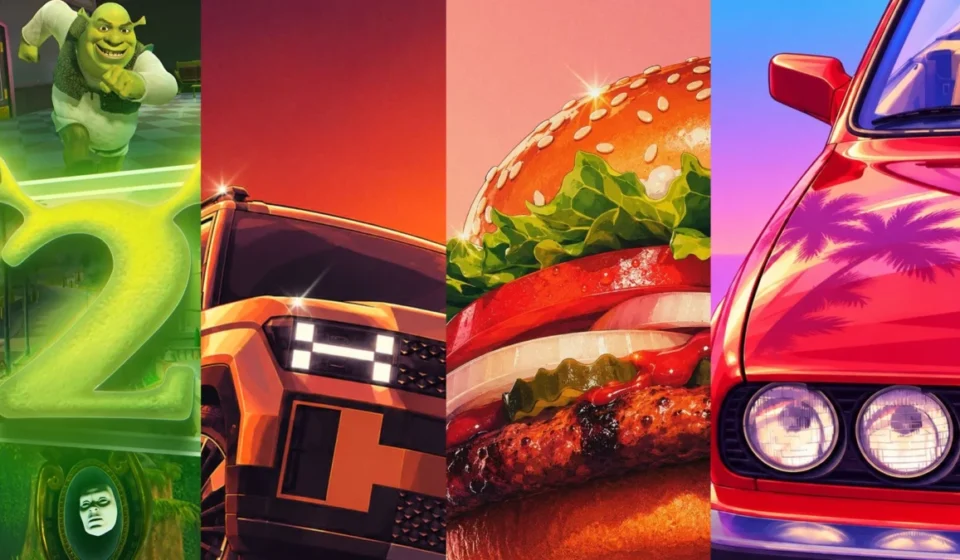
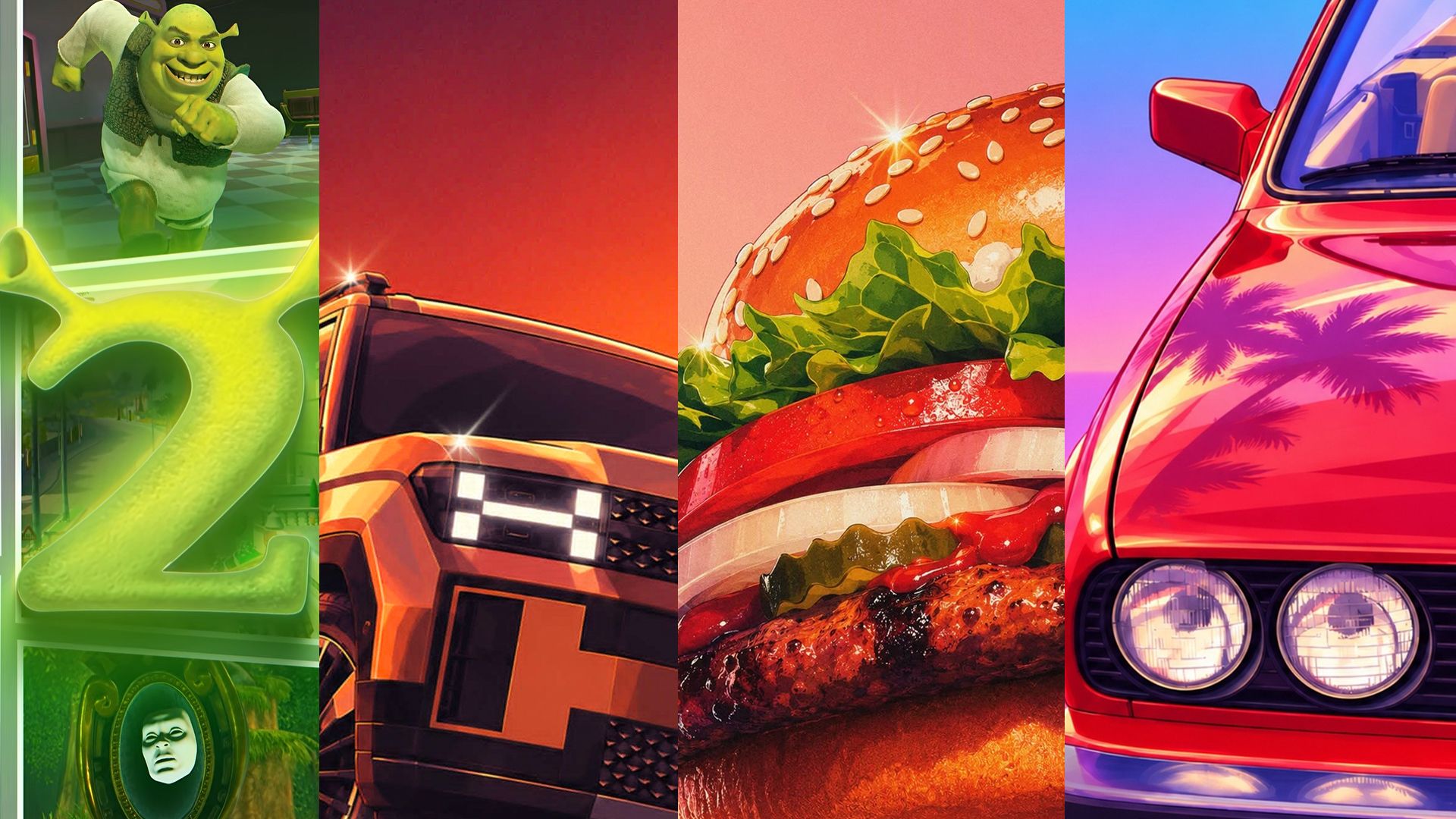
As the release date approached, the subtle nods turned into overt mimicry. Brands began commissioning AI-generated imagery and graphic design assets that deliberately mimicked the GTA VI cover art style. By mid-2024, the trend was no longer an easter egg; it was a strategy. Campaigns from the likes of Hyundai and various tech firms attempted to rebrand their products as if they were vehicles or lifestyle accessories within the Rockstar universe.
Phase 3: The Consumer Backlash (Present Day)
We are currently in the "over-saturation" phase. Consumers, particularly the hyper-online gaming demographic, have begun to push back. The comments sections of these brand posts have become battlegrounds, filled with accusations of "parasitic" behavior and "lazy trendjacking." The audience is no longer amused; they are critical, discerning, and quick to call out a brand that tries too hard to be "fellow kids."
The Data of Disruption: Why Brands Can’t Look Away
Why are these brands risking ridicule? The answer lies in the sheer scale of the Grand Theft Auto cultural footprint.
Recent market analysis suggests that GTA VI is not merely a video game; it is projected to be the most successful entertainment product in human history. With development costs reportedly soaring into the billions and anticipation rivaling major film franchises like Marvel or Star Wars, the potential reach is astronomical.
For non-endemic brands—companies that have historically had no connection to gaming—the calculus is simple:
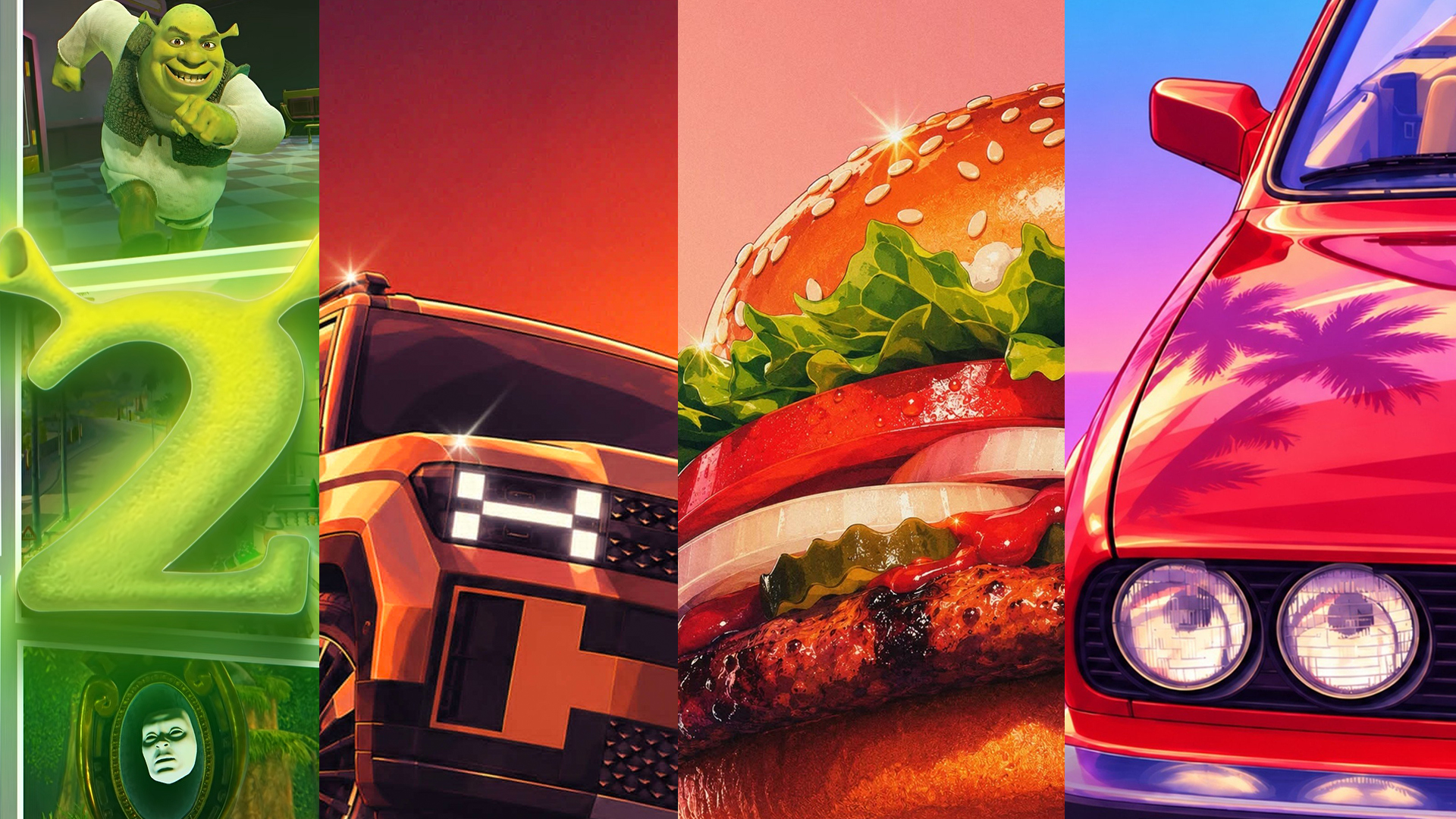
- Audience Access: The game’s demographic spans from Gen Z to older millennials, a key target for luxury cars, fast food, and mobile networks.
- The "Cool" Factor: Associating with GTA provides a sheen of rebelliousness and counter-culture credibility that traditional advertising lacks.
- Low Barrier to Entry: Thanks to generative AI, creating a "GTA-style" ad takes mere minutes. It is a low-cost, high-visibility gamble.
However, the supporting data suggests this gamble often fails to convert into brand equity. Studies on consumer sentiment toward "meme-jacking" indicate that when a brand’s aesthetic shift is perceived as inauthentic, brand trust scores drop by an average of 14% among the target demographic.
The "How Do You Do, Fellow Gamers?" Phenomenon
The core of the issue lies in the lack of genuine collaboration. When a brand like Fortnite partners with a company, it is an integrated experience. The brand exists within the world, providing value to the player. In contrast, the current GTA trend is one-sided.
The Problem of "Lazy" AI
Many of the assets being pushed out by brands are clearly generated by AI tools. While efficient, they often lack the "soul" or artistic nuance of Rockstar’s hand-curated art style. Sharp-eyed fans quickly identify the hallmarks of AI—glitched fingers, inconsistent lighting, or nonsensical text—and use these as proof that the brand is merely "phoning it in."
The "Parasite" Label
The term "parasite" has emerged as a recurring motif in the comment sections of these brand posts. When a brand that has never supported gaming culture suddenly pivots to use the language of GTA, it is perceived as an insult to the community. Fans feel that these brands are attempting to extract value from a culture they have historically ignored or even looked down upon.
Official Responses and the "Prestige" Paradox
The irony of this situation is palpable. For decades, many of these same brands—specifically automotive and lifestyle corporations—refused to associate their imagery with the Grand Theft Auto franchise due to its mature themes of violence, crime, and satire.
The Shifting Goalposts of Morality
Critics have noted the hypocrisy in these sudden pivots. A luxury car company that once claimed it would "never associate with violent media" is now eager to see its vehicle rendered in the same game it once shunned. As one social media user famously lectured a car manufacturer: "Crazy how before GTA 6, car companies hated the idea of their cars being represented in a violent game. Now with how huge GTA 6 is, you wish you were in it. Let’s be real: the only thing that changes the tone is money."
The Rockstar Silence
Rockstar Games, true to form, has largely ignored the digital noise. By maintaining a strict "invite-only" policy regarding brand partnerships (with very rare exceptions, such as the Miami Heat merch or official collector’s edition gear), they have preserved the integrity of their brand. This silence only makes the desperate attempts of external brands look more pathetic by comparison.
Implications: The Death of Authenticity or a New Marketing Reality?
What does this mean for the future of brand advertising in interactive media?
1. The Risk of Brand Dilution
When every brand on Instagram uses the same pink-and-orange sunset gradient, the visual language loses its meaning. The "GTA aesthetic" risks becoming the new "Stock Photo"—a generic, hollow shorthand that consumers will eventually ignore entirely.
2. The Requirement for Genuine Integration
For a brand to actually benefit from the GTA moment, it must move beyond aesthetic mimicry. True engagement requires a deep understanding of the game’s themes: escapism, the satire of American consumerism, and the thrill of the "outlaw" lifestyle. Brands that simply paste their logo over a neon filter are failing; brands that lean into the satire and the "glamorous Americana" are the only ones standing a chance at earning respect.

3. The Shift in Consumer Perception
The era of the "unquestioning consumer" is over. Audiences today are highly literate in digital marketing tactics. They understand when they are being sold to, and they have the tools to push back. The companies that succeed in the coming decade will be those that prioritize community participation over hollow trend-chasing.
Conclusion: Lessons from the Road to Leonida
As we approach the launch of Grand Theft Auto VI, the marketing world is at a crossroads. The current trend of neon-drenched, AI-generated, "me-too" marketing is a bubble waiting to burst.
Brands looking to survive the scrutiny of the gaming community should look to the example set by creators who understand the medium. If you want to be part of the GTA moment, don’t just mimic the colors—understand the culture. If your brand does not have a genuine reason to be in the conversation, the best marketing strategy may be silence.
The lesson here is simple: audiences are not just looking for a product that fits the aesthetic; they are looking for a brand that respects the medium. In the world of Grand Theft Auto, where satire and critique are the primary currencies, the brands that take themselves too seriously—or try too hard to be "part of the crew"—will inevitably find themselves on the wrong side of the law.
When the sun sets over the digital horizon of Leonida, only the authentic will remain. Everything else is just noise in a very, very loud city.