
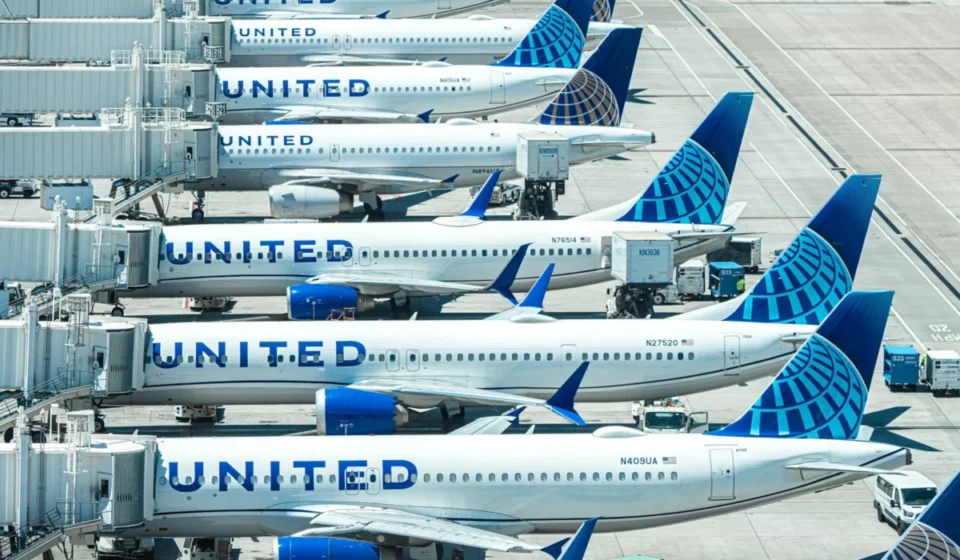

The global aviation sector is currently grappling with a series of high-profile incidents and labor disputes that are reshaping the passenger experience. From indefinite mechanics’ strikes in Iceland to disturbing reports of criminal misconduct on U.S. carriers and predatory transport scams in Mexico, the past week has served as a stark reminder of the complexities inherent in modern air travel. As airlines navigate these operational and safety challenges, passengers are urged to remain vigilant and informed.
I. Labor Unrest: Icelandair Mechanics Launch Indefinite Strike
The most significant operational disruption currently impacting international travel is the indefinite strike action initiated by Icelandair aircraft mechanics. As of Wednesday, September 23, 2026, the labor dispute has brought a significant portion of the carrier’s network to a standstill.
Chronology of the Dispute
The breakdown in negotiations between the mechanics’ union and Icelandair leadership reached a critical juncture on Tuesday evening. Despite weeks of mediation, the two parties failed to bridge the gap regarding wage increases and working conditions. At the stroke of midnight on September 23, the union officially commenced an indefinite work stoppage. By the early hours of Wednesday morning, Icelandair was forced to ground 26 international flights and five domestic services, directly impacting approximately 5,500 travelers.
Implications for Passengers
For travelers holding tickets with Icelandair, the situation remains fluid. The airline has stated it is actively working to rebook passengers on alternative flights, though capacity constraints during peak travel periods may lead to significant delays.
Expert Advice:
- Verify Itinerary Status: Before departing for Keflavík or Reykjavík airports, passengers should verify the status of their flight through the official Icelandair portal.
- Update Contact Information: Ensure that the email address and mobile number associated with your booking are current to receive real-time notifications regarding cancellations or rebooking offers.
- Insurance Coverage: Travelers should consult their travel insurance policies to understand coverage regarding labor strikes, which are often categorized under "force majeure" or "extraordinary circumstances."
II. Safety and Security: The Qantas Mid-Flight Disturbance
While labor disputes cause logistical headaches, safety incidents onboard aircraft represent a far more severe category of concern. A recent incident aboard a Qantas flight from Karratha to Perth has drawn international attention to the protocols surrounding unruly passengers.
The Incident
On September 21, 41-year-old Thomas Raymond Forster allegedly engaged in a series of disruptive behaviors that jeopardized the safety of the flight. According to Australian Federal Police (AFP), the situation escalated from verbal abuse toward a fellow passenger to physical aggression, including kicking the seat in front of him. When cabin crew attempted to intervene and de-escalate the situation, the suspect reportedly ignored safety instructions, specifically the command to fasten his seatbelt prior to landing.
The situation turned critical when the suspect allegedly attempted to breach the forward passenger door while the aircraft was still at cruising altitude.
Legal Ramifications
Upon arrival in Perth, the suspect was immediately apprehended by authorities. The legal consequences are severe:
- Causing harm to a Commonwealth public official: Carries a potential 13-year prison sentence.
- Endangering the safety of an aircraft: Punishable by up to 10 years in prison.
- Non-compliance with crew: Fines reaching AUD $18,200.
- Disorderly behavior: Fines up to AUD $6,000.
Forster appeared in the Perth Magistrates Court on September 22 and has been granted bail, with a follow-up appearance scheduled for November 27. This incident highlights the growing challenge airlines face regarding the enforcement of safety standards and the protection of both crew and passengers.
III. Strategic Labor Action: Jetstar’s Fee-Free Disruption
In contrast to the total cessation of flights seen in Iceland, Jetstar employees in Australia have adopted a more tactical approach to their labor dispute. By targeting revenue streams rather than flight operations, the Australian Services Union (ASU) is attempting to pressure management without alienating the traveling public.
The Mechanism of Action
Beginning at midnight on September 23 and continuing through September 24, airport staff have ceased the collection of various discretionary fees. These include:

- Excess baggage charges.
- Seat-change fees.
- Late-payment penalties.
Context and Motivation
This "work-to-rule" action coincides with the Victorian and Queensland school holidays and the high-traffic period surrounding the AFL Grand Final. The union’s demands are multifaceted, seeking not just wage increases, but also improved protections against extreme weather and enhanced job security provisions.
Jetstar has responded by implementing contingency plans, maintaining that their existing employment package—which includes pay hikes and roster flexibility—is robust. To date, the airline has reported no major flight disruptions, suggesting that the "fee-free" strike is effectively functioning as a bargaining chip rather than an operational hurdle.
IV. In-Flight Conduct: United Airlines Investigates Indecency Claim
United Airlines is currently under intense scrutiny following a passenger’s report of an incident of alleged indecency on a flight from Rochester, New York, to Newark, New Jersey.
The Passenger’s Account
The 25-year-old victim alleges that she was seated next to a man who engaged in masturbation during the early-morning flight on September 3. According to her testimony provided to NBC News, the crew’s response was insufficient. While she was permitted to stand in the aisle for approximately an hour, she was reportedly forced to return to the seat adjacent to the alleged offender for the landing phase due to a lack of available seats.
Furthermore, the passenger claimed that the accused was permitted to disembark without interference and that ground staff were dismissive of her trauma upon arrival.
Official Response and Implications
United Airlines has confirmed an investigation is underway but has remained tight-lipped regarding the specifics of the case. In an effort to acknowledge the passenger’s distress, the airline provided a $100 flight credit—a gesture that has been criticized by some as inadequate. The victim has since escalated the matter by filing a formal complaint with the Federal Aviation Administration (FAA) and contacting the FBI, which holds jurisdiction over criminal acts committed on U.S. aircraft.
This incident has reignited the conversation regarding the training cabin crew receive in handling reports of sexual harassment and assault, as well as the legal duty of care airlines hold toward passengers in high-stress, enclosed environments.
V. Regional Warnings: The "Pirate" Transport Scams at Cancun Airport
Travelers arriving in Mexico are being cautioned against a sophisticated scam operation at the Cancun International Airport. Unofficial transport operators are actively targeting tourists, masquerading as authorized personnel to coerce passengers into using their services.
The Scam Tactics
Reports from Terminals 2 and 4 indicate that operators are wearing uniforms emblazoned with terms like "Official Transport." They often:
- Intercept arriving passengers before they reach their pre-booked transport.
- Follow or intimidate travelers who decline their services.
- Spread misinformation regarding the legality of rideshare services like Uber and DiDi, claiming they are prohibited and that passengers face legal risks for using them.
Navigating the Legal Gray Area
The situation is complicated by the ongoing friction between app-based transport services and local authorities. While the Mexican federal transportation ministry has stated that rideshare apps lack specific federal authorization for airport pickups, court rulings have provided some protections for these companies. However, this does not grant unofficial drivers the authority to accost tourists or dictate their travel choices.
Recommendations for Travelers:
- Pre-book Transfers: Utilize official, reputable transfer companies booked through your hotel or verified travel agencies.
- Ignore Unsolicited Offers: Avoid individuals inside the terminal offering "official" taxi services who were not part of your original itinerary.
- Verify Credentials: Always confirm the identity of a driver. A shirt that says "Official" is not a substitute for a verifiable booking receipt or corporate identification.
Conclusion: A Landscape of Caution
The breadth of these stories—from the mechanics’ picket lines in Reykjavík to the security concerns at the Cancun arrival gates—illustrates the multifaceted nature of the modern travel environment. Whether the issue is labor-driven, a matter of individual criminal conduct, or a predatory local scam, the common thread is the necessity for traveler autonomy and preparation. By remaining informed, verifying bookings, and maintaining clear communication with carriers, passengers can better navigate the turbulence of today’s global travel market.