A New Era of Boutique Luxury: Inside The Westerly at the Hilton Aruba Caribbean Resort & Casino

Introduction: A Legacy Reimagined
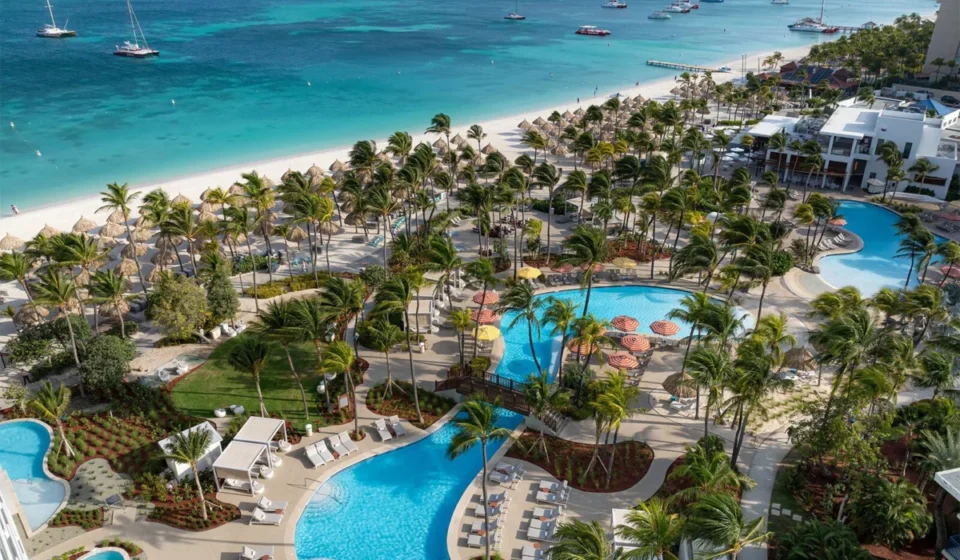
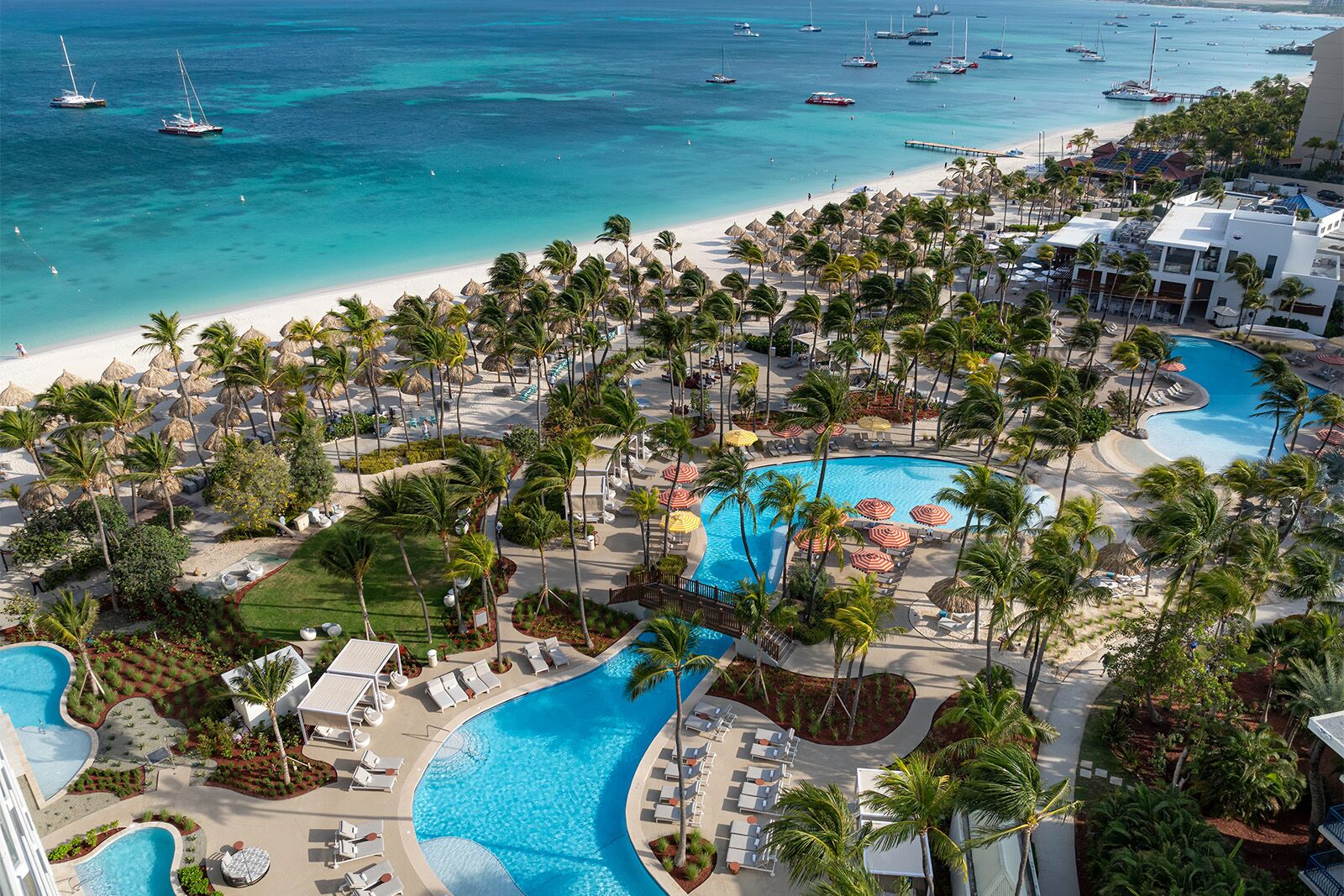
The landscape of Caribbean hospitality is constantly evolving, yet few properties manage to balance the weight of history with the demands of modern luxury as gracefully as the Hilton Aruba Caribbean Resort & Casino. This spring, the 15-acre oceanfront icon—a pioneer that helped transform Aruba from an industrial oil-refining hub into a premier tourism destination in 1959—introduced its latest evolution: The Westerly.
Functioning as a "boutique experience within a resort," The Westerly represents a strategic pivot for the historic property. By carving out an exclusive, elevated enclave within the existing infrastructure, the Hilton is catering to a new generation of travelers who crave the expansive amenities of a large-scale resort, paired with the intimacy and personalized service typically reserved for high-end, independent boutique hotels.
Main Facts: The Architecture of Leisure
The story of The Westerly is inextricably linked to the legacy of the original Aruba Caribbean Hotel. Architect Morris Lapidus, the visionary behind the Fontainebleau and Eden Roc in Miami Beach, designed the original structure with a bold, mid-century modern aesthetic that remains a defining feature of the Palm Beach skyline.
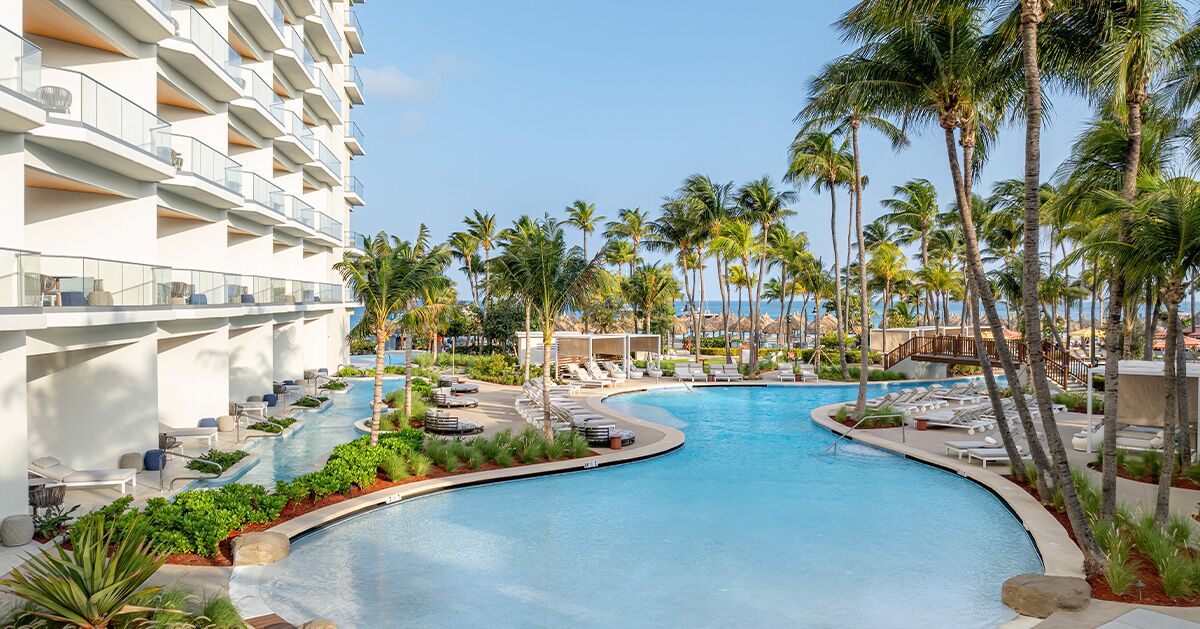
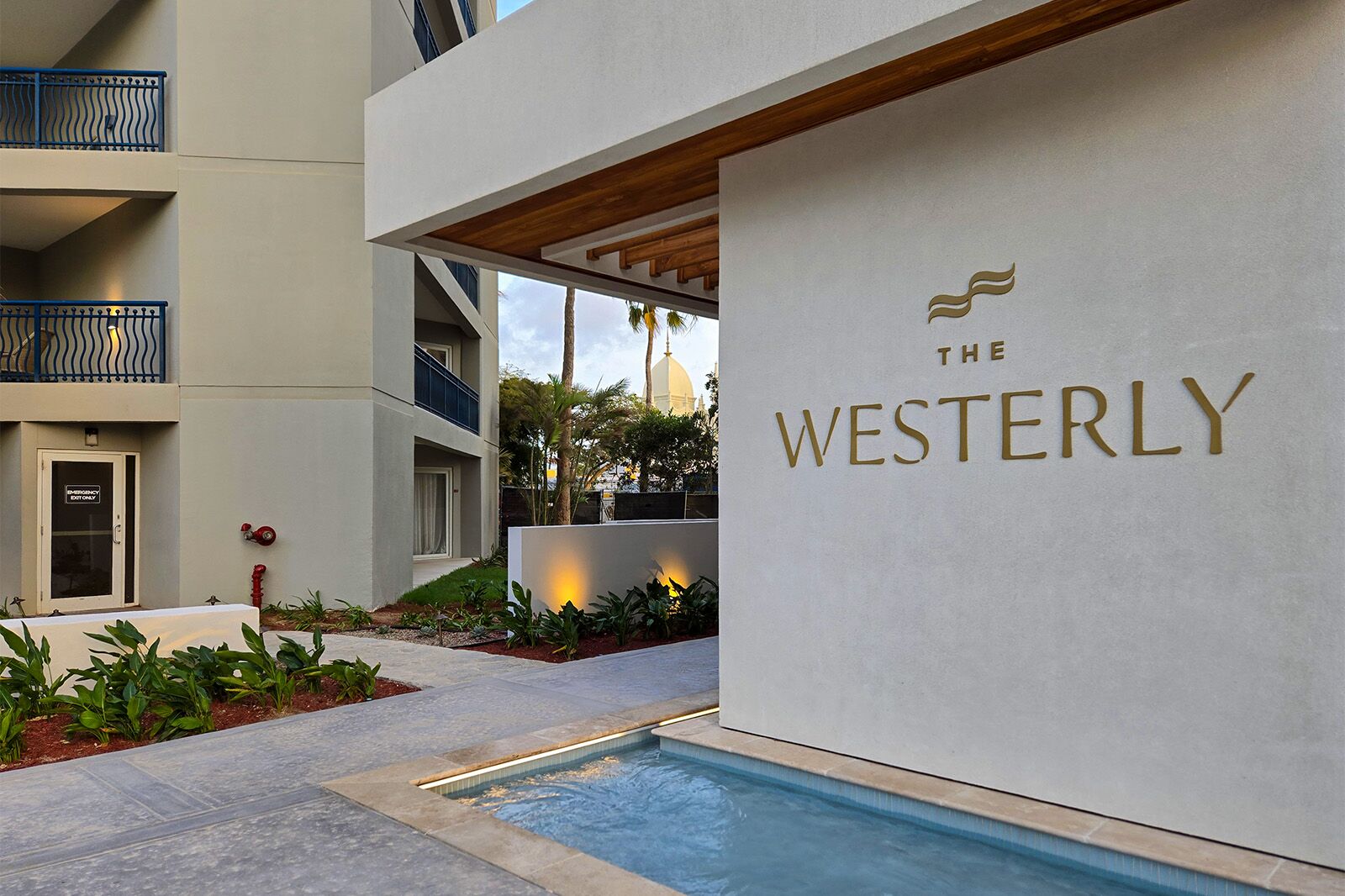
The Westerly draws heavily from this mid-century ethos. The 10-story tower, situated strategically near the adults-only South Pool on the resort’s southwest edge, honors the "Miami Modern" lineage while introducing a contemporary design vocabulary. The property utilizes the dramatic lines and open-air flow that Lapidus championed, while modernizing the interiors to reflect a sophisticated, tropical-chic atmosphere. Guests at The Westerly are granted an immediate sense of arrival, greeted by a dedicated concierge team designed to streamline the travel experience—from pre-arrival minibar stocking to the seamless coordination of spa and dining reservations.
Chronology: From Oil Refinery to Island Icon
To understand the significance of The Westerly, one must appreciate the timeline of the Hilton Aruba:
- 1959: The Aruba Caribbean Hotel opens its doors, marking the island’s first high-rise luxury resort and signaling the dawn of Aruba’s tourism economy.
- The Mid-Century Expansion: Throughout the 1960s and 70s, the resort becomes the heartbeat of Palm Beach, attracting international travelers with its sprawling, powdery white sands and distinct architecture.
- Modern Growth: The addition of the Bonaire and Curaçao towers completes the resort’s nod to the "ABC islands," solidifying its position as a major regional player.
- 2026: The launch of The Westerly. This latest phase marks a shift toward "resort-within-a-resort" concepts, focusing on curated, exclusive guest experiences rather than mere room capacity.
Supporting Data: The Westerly Experience
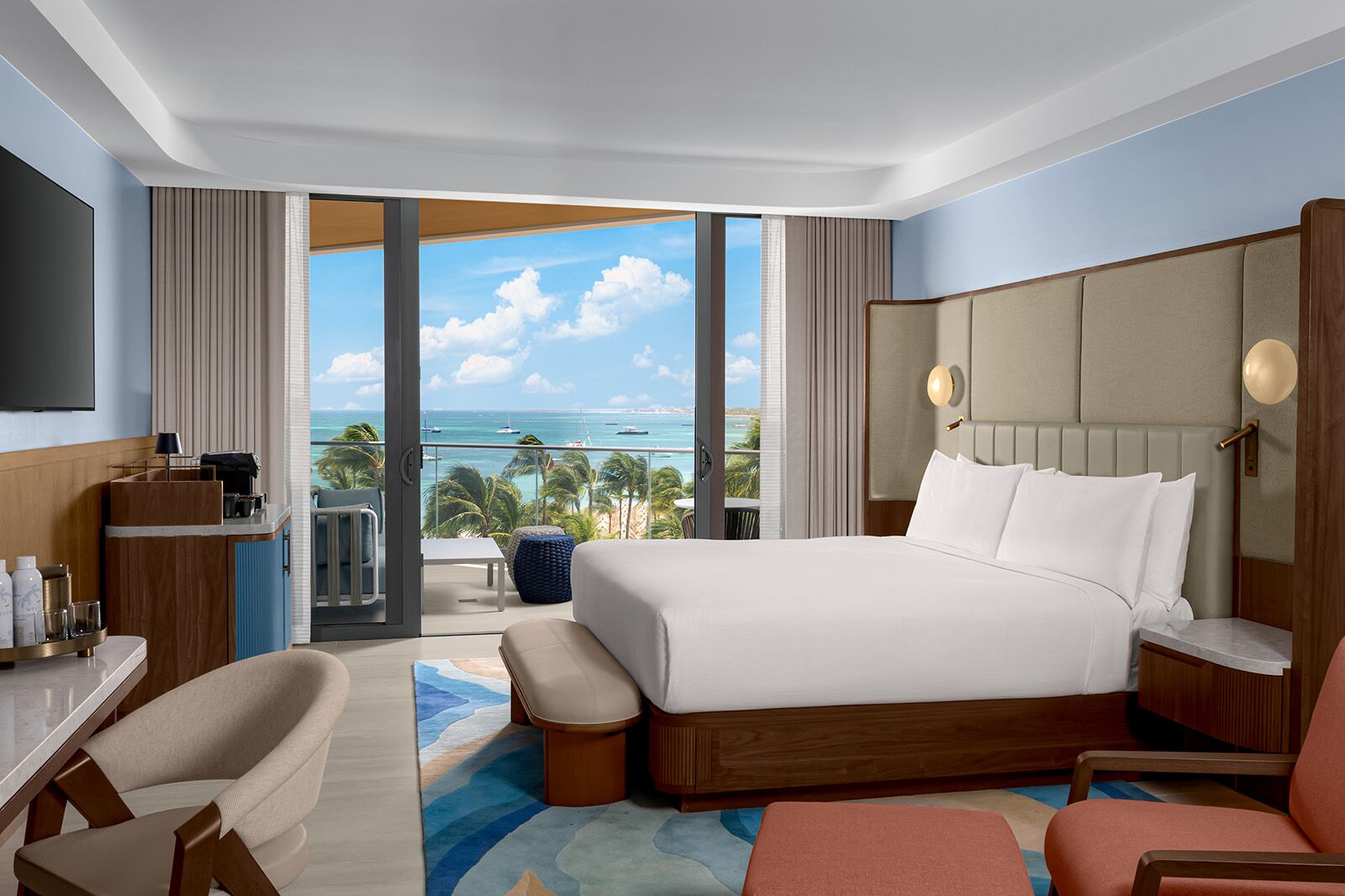
The guest experience at The Westerly is defined by a commitment to both aesthetics and utility. The 461-square-foot Ocean View King rooms serve as a masterclass in modern hotel design. The interior palette—a deliberate mix of cerulean blues, cinnamon tans, and emerald accents—mirrors the Caribbean landscape while incorporating "cheeky" 1960s-inspired pop art that keeps the mood light and playful.
Technologically, the rooms are ahead of the curve. The workstation is designed for the modern "bleisure" traveler, featuring a wireless charging station and abundant USB ports. However, the true design triumph is the curved one-piece headboard, which integrates reading lights and an intuitive "all-lights-off" master toggle, allowing guests to control their environment without ever leaving the comfort of their bed.
Dining and Culinary Curation
Central to The Westerly’s value proposition is the Terrace on 10, an exclusive rooftop lounge and restaurant reserved for guests of the wing. This space serves as the social anchor of the experience, transitioning from a sophisticated breakfast venue—offering made-to-order omelets and fresh local pastries—to a lively evening hotspot.
The cocktail program is a nostalgic nod to the resort’s heritage, headlined by the "Aruba Ariba," a classic 1960s mixture of vodka, rum, banana liqueur, and citrus. For dinner, guests transition to the resort’s Sunset Grille, where the culinary experience is elevated through tableside service. The "Paintings in the Sky" gin-based cocktail and the precision-carved porterhouse for two demonstrate the resort’s commitment to high-touch, immersive dining.
Official Perspectives: The "Chill or Thrill" Philosophy
Management at the Hilton Aruba emphasizes that the addition of The Westerly was designed to address a common pain point for luxury travelers: the choice between adventure and relaxation.
"Our goal was to offer a frictionless transition between high-octane island adventure and deep, restorative peace," says a resort spokesperson.
The "thrill" component is highlighted by the 115-foot schooner Montforte III. Departing from the nearby Pelican Pier, the boat offers guests access to protected reefs at Malmok Beach, where sea turtles and vibrant marine life are common. The "chill" component is equally prioritized; the Eforea Spa offers a 50-minute ginger muscle-melt massage, a signature treatment that leans into local ingredients to ensure total physical decompression. The inclusion of sunrise meditation and sound bath sessions at Terrace on 10 further underscores the property’s dedication to wellness.
Implications: The Future of Caribbean Luxury
The successful launch of The Westerly has several implications for the broader Caribbean hospitality market. First, it demonstrates that large-scale resorts can remain relevant by creating "exclusive" zones that provide the personalized attention of a boutique property without sacrificing the infrastructure and range of amenities found in a 15-acre resort.
Second, it reflects a shift in guest expectations regarding arrival and departure. With the U.S. Customs and Border Protection pre-clearance facility in Aruba, the resort is essentially positioning itself as a seamless extension of the domestic U.S. travel experience. By streamlining the "logistics of luxury"—such as the mandatory online ED Card and the ease of airport transfers—the Hilton is removing the friction often associated with international travel.
Furthermore, the emphasis on local cultural integration—from the Royal Aruba Aloe bath products to the locally sourced culinary ingredients—signals a move away from the generic "international hotel" experience toward one that is rooted in the identity of the Leeward Antilles.
Travel Logistics for Prospective Guests
For those looking to experience The Westerly, the logistical path is well-worn and convenient. Aruba remains one of the most accessible Caribbean destinations for North American travelers, with nonstop flights from major hubs including Atlanta, Boston, Chicago, Dallas/Fort Worth, Miami, and New York (Newark).
Travelers should note that as of 2026, entry requirements mandate a valid passport and the completion of an online ED Card within seven days of travel, which includes a $20 sustainability fee. Upon arrival at Queen Beatrix International Airport, the journey to the resort is a short, 20-minute drive. Because travelers clear U.S. Customs and Border Protection before leaving Aruba, the return trip to the United States is handled as a domestic flight, allowing for a stress-free transition back to reality.
Conclusion
The Westerly at the Hilton Aruba Caribbean Resort & Casino is more than just a room upgrade; it is a strategic repositioning of a landmark property. By honoring the vision of Morris Lapidus while introducing modern, high-tech amenities and exclusive, guest-only spaces, the resort has managed to preserve its historical legacy while answering the call of the modern traveler. Whether one is looking to sail the reefs of Malmok, indulge in a tableside-carved dinner, or simply disconnect from the world via a rooftop sound bath, The Westerly provides a sophisticated, seamless, and deeply memorable island experience.