

In the current landscape of independent game development, the "retro revival" has become a crowded marketplace. From low-fidelity platformers to high-definition 2D tributes, developers are constantly looking for ways to capture the magic of the 8-bit and 16-bit eras. However, Red Dune Games is attempting something far more nuanced with their upcoming title, Silent Planet: Elegy of a Dying World. Rather than merely mimicking the aesthetic of a bygone era, the studio is using retro design philosophy as a foundational language to tell a sophisticated, modern story.
The Genesis of a Dying World
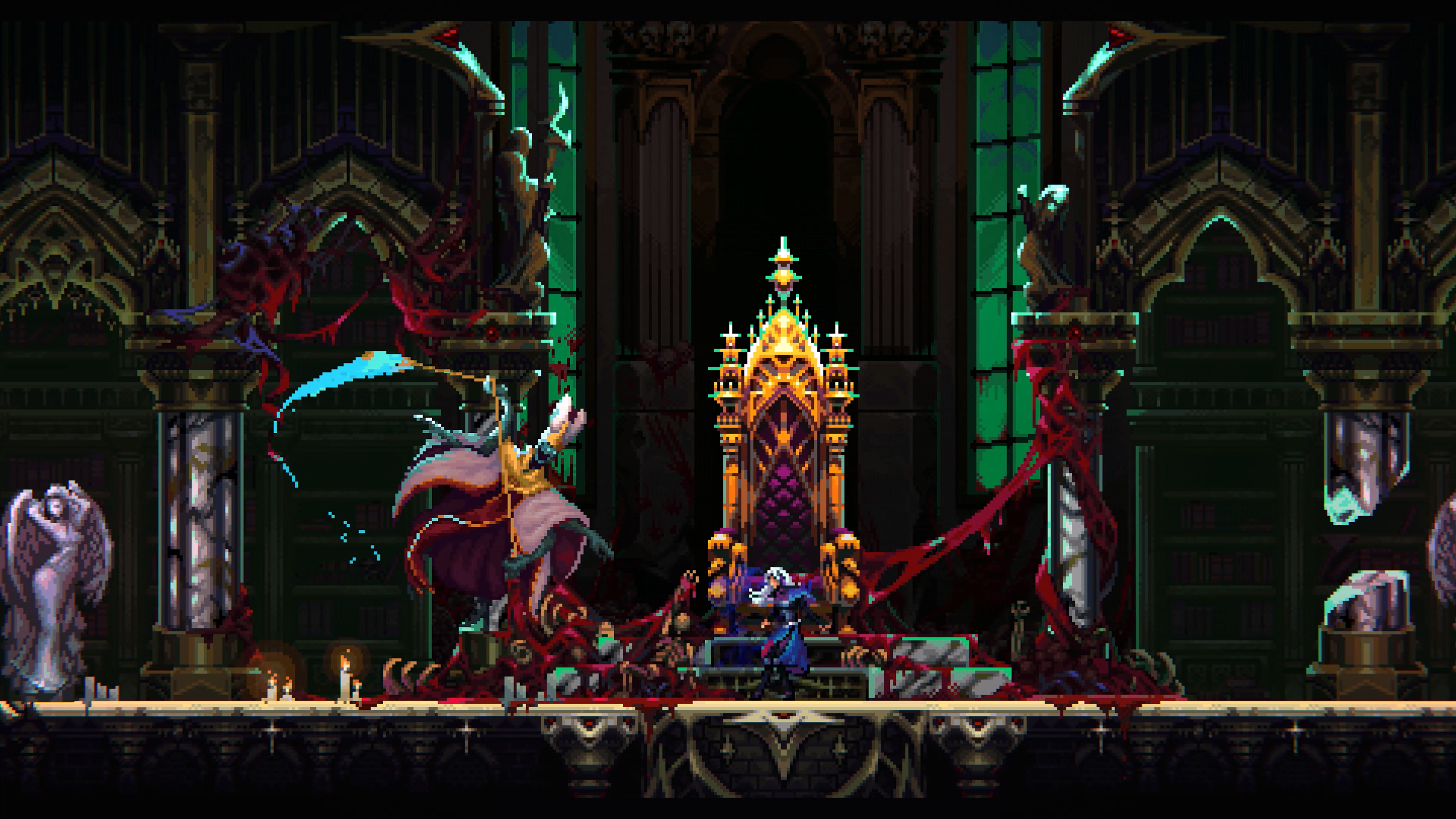
Silent Planet is a 2D action-adventure title that feels immediately familiar to veterans of the Super Nintendo and Sega Genesis era, yet it possesses a distinct, brooding atmosphere that sets it apart from standard nostalgic fare. According to James Alex Santoro, co-founder and creative director at Red Dune Games, the project was born from a desire to blend the polish of SNES-era masterpieces like Super Metroid and Demon’s Crest with the rougher, more abrasive edges found in early Sega Genesis titles.
"We were mostly influenced by games such as Flashback, Chakan: The Forever Man, and X-Men on the Sega Genesis," Santoro explains. "There is a distinct grittiness that elevates their visuals. While many retro revivals treat pixel art as a shortcut to charm, we are using it as a deliberate stylistic choice to convey a sense of decay and history."

A Chronology of Artistic Intent
The development of Silent Planet has been defined by a strict adherence to atmospheric storytelling. The team began with a clear vision: the world had to feel lived-in and lost.
- Conceptualization: The team moved away from the "bright and bouncy" aesthetic of many platformers, instead focusing on a color palette that evokes decline and blight.
- The Prototyping Phase: Early in production, the team experimented with a "pixel-oriented" user interface. They quickly realized, however, that to support the game’s complex, three-layered depth system, they needed to pivot toward a more modern, minimalist UX.
- The Refinement Period: Currently, the team is balancing the "roughness" of 90s-era art with modern post-processing tools. By utilizing contemporary shaders, they can apply retro constraints with surgical precision, ensuring the game feels like a "lost" classic while functioning with the fluidity modern players expect.
The Mechanics of Atmosphere
What makes Silent Planet particularly compelling is its approach to environmental storytelling. Santoro emphasizes that the visuals serve as the "first language" of the game. Before a player ever reads a line of lore, the crumbling architecture and the deliberate use of light and shadow inform the narrative.
Lighting as a Narrative Tool
In Silent Planet, light is not just a visibility mechanic—it is a mood-shifting instrument. A room can transform from a place of melancholy to a site of genuine threat in an instant through subtle shifts in lighting intensity. The team has implemented a system of "sprite shadows" that provide an illusion of depth, acting as a visual guide that leads the player through the world without relying on intrusive, modern wayfinding UI elements.

The Three-Layered Depth System
Unlike traditional 2D games, which often rely on a single plane of interaction, Silent Planet utilizes a three-layer depth system. This design choice complicates the map-making process, requiring rigorous internal testing to ensure that the navigation feels intuitive. According to Santoro, the team starts with rough pencil-and-paper drafts, moving from macro-level layout to micro-level detail, ensuring that the player always understands their spatial position within the decaying environment.
Official Insights: A Conversation with James Alex Santoro
In an exclusive interview with Creative Bloq, Santoro provided deeper context into the studio’s philosophy regarding the evolution of the retro genre.
Creative Bloq: How do you balance retro authenticity with modern clarity?
James Alex Santoro: "This is a tough one (laughs). Earlier in production, our first draft for the User Interface was pixel-oriented. But due to the amount of information that we need to convey to the player with ease, we switched to a more modern yet minimalist visual design for the user experience. Our process is to always maintain a balance between clarity and aesthetics that fit with the retro visuals."
CB: When do you decide to break retro-like constraints?
JAS: "We broke the rules when it comes to the User Interface, mainly. But for the rest of the project, we stick to strict constraints—not only to deliver an experience that looks and feels like the classic games we remember, but also to maintain a healthy organization to avoid scope creep."
CB: Is the retro revival evolving?
JAS: "The revival has definitely matured. Early pixel art revival games often leaned heavily on nostalgia as the product itself. What we’re seeing now, and what we’re trying to contribute to, is a generation of games that use retro aesthetics as a language rather than a disguise. We want to use pixel art as a form of visual impressionism which strips away hyper-realism and captures the essence instead. By relying on the viewer’s imagination, we can focus on delivering a deeper narrative."
Implications for the Indie Industry
The approach taken by Red Dune Games highlights a significant shift in the independent development scene. For years, the "retro" tag was synonymous with low-effort cash grabs or simple, uninspired platformers. Silent Planet signals a movement toward "Neo-Retro"—a sub-genre where the limitations of 90s hardware are respected, but the storytelling ambition is expanded to meet modern expectations.
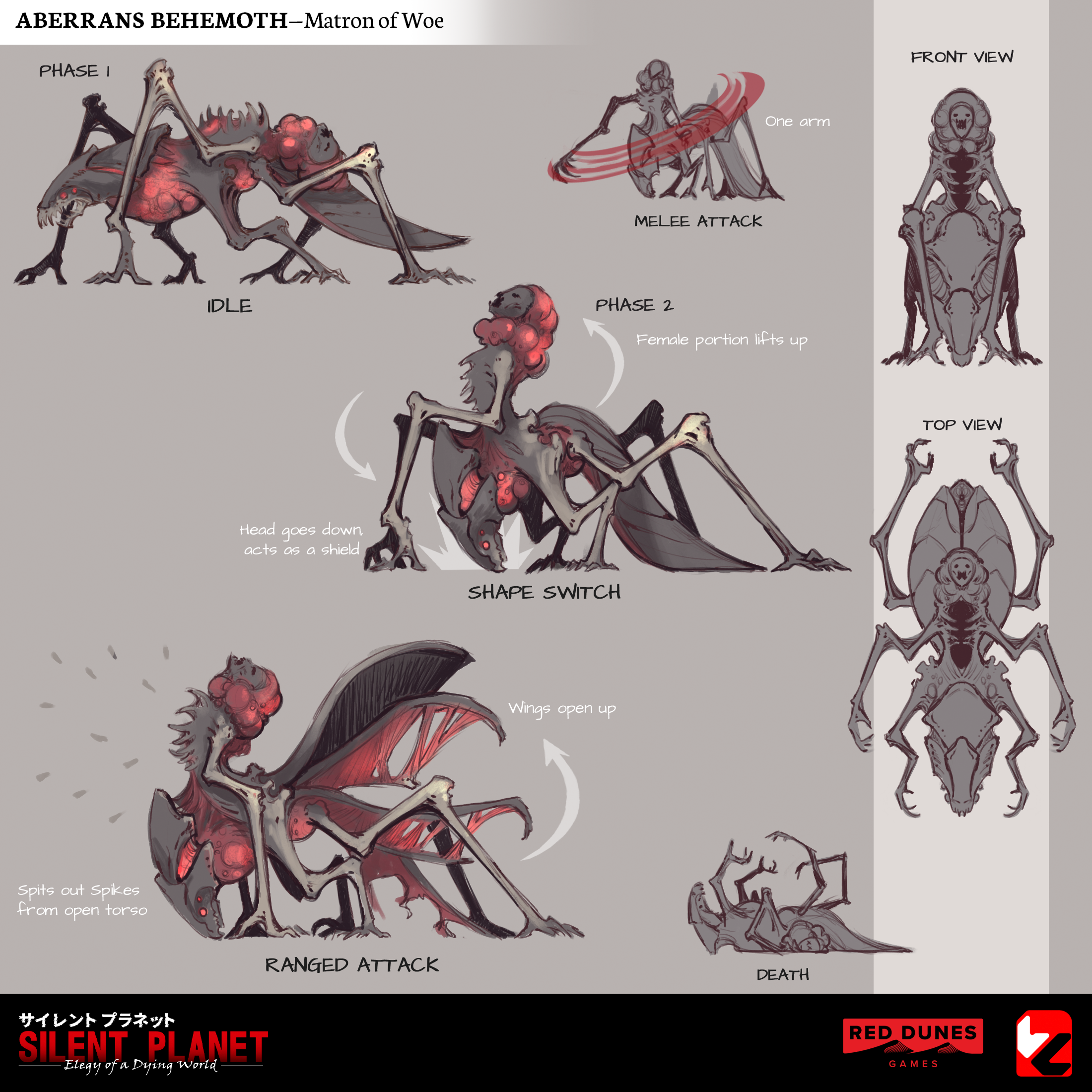
By utilizing modern shaders to enhance the impact of pixel art, the studio is effectively "future-proofing" their aesthetic. This allows the game to look sharp on modern high-resolution displays while maintaining the grit that defined the 16-bit era. Furthermore, their focus on creature design—drawing inspiration from nature, cinema, and the modern world rather than just existing game tropes—suggests a desire to build a franchise that stands on its own merits.
Looking Forward: Legacy and Memory
When asked about their goals for Silent Planet, Santoro’s response is refreshingly humble yet ambitious. The team isn’t focused on "standing out" in a noisy market; they are focused on longevity. Their objective is to create a project that resonates with players for decades, much like the games that defined their own childhoods.
"We want this to be a game that will be enjoyed by many and hopefully remembered with love and nostalgia in 20 or 30 years," Santoro says. "We want to capture that essence of discovery that we felt when we first played Super Metroid or Demon’s Crest."
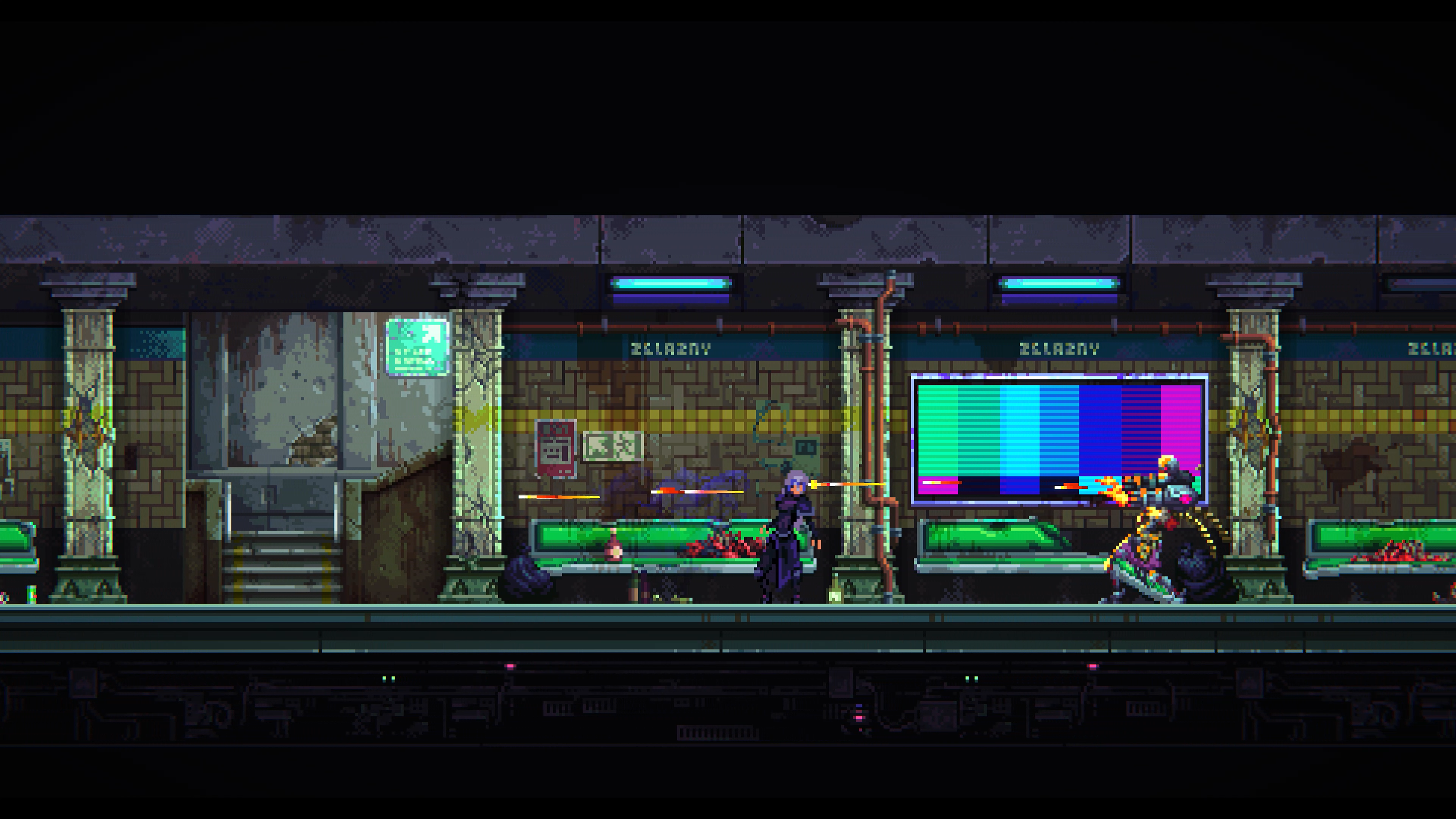
As the release of Silent Planet approaches, the gaming community is watching closely. If Red Dune Games can successfully execute their vision of blending deep, emotional narrative with the "abrasive" aesthetic of the Sega Genesis, they may well set a new gold standard for what a retro-inspired game can be. It is a testament to the idea that the best way to honor the past is not to copy it, but to use its tools to build something entirely new.
For those interested in following the progress of Silent Planet: Elegy of a Dying World, further details and updates on the development process can be found at the official Vertex Zero Studio website.