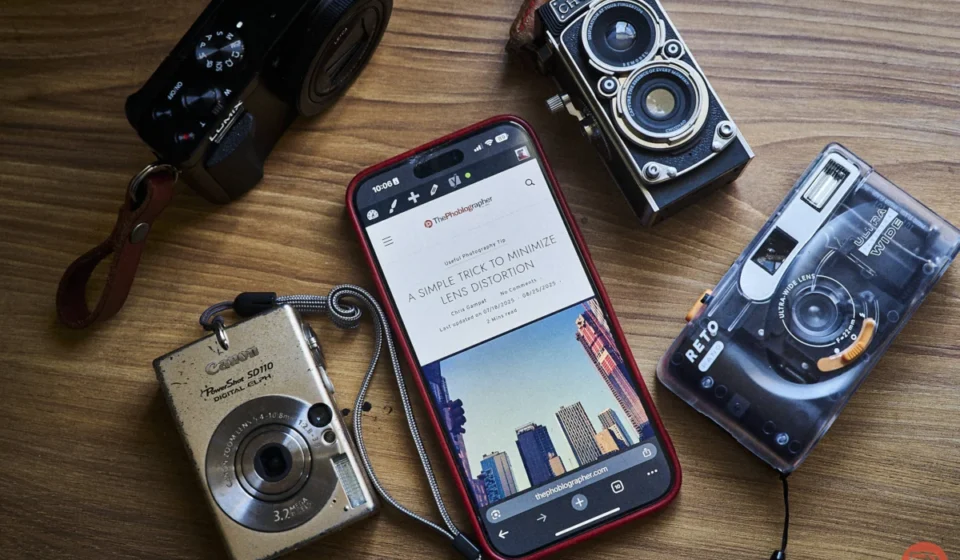
The Future of Photography Journalism: Why The Phoblographer Is Pivoting to a Reader-Supported Model

In an era where the digital media landscape is increasingly dominated by algorithmic feeds, programmatic advertising, and the creeping influence of AI-generated content, The Phoblographer has announced a radical shift in its business strategy. For over a decade, the publication has served as a cornerstone for the photography community, offering gear reviews, artistic inspiration, and industry analysis. However, as of 2025, the publication is making a definitive break from the traditional corporate-funded model to embrace a sustainable, reader-supported future.
This transition is not merely a change in billing; it is a philosophical stand against the erosion of independent journalism in the niche creative sector. By eschewing advertisements from major camera manufacturers and moving toward a direct subscription model, The Phoblographer is attempting to prove that high-quality, human-centric photography journalism can thrive without compromising its editorial integrity.
The Chronology of a Shift: From Banner Ads to Human-Centric Media
The decision to move away from traditional advertising was not impulsive. It was the culmination of years of observing the tightening grip that large manufacturers hold over media outlets. In the early days of photography blogging, banner advertisements were the primary engine of growth. They allowed for free access, but they also created a silent, underlying tension: how can a publication provide an unbiased critique of a product when that same company is paying the bills?
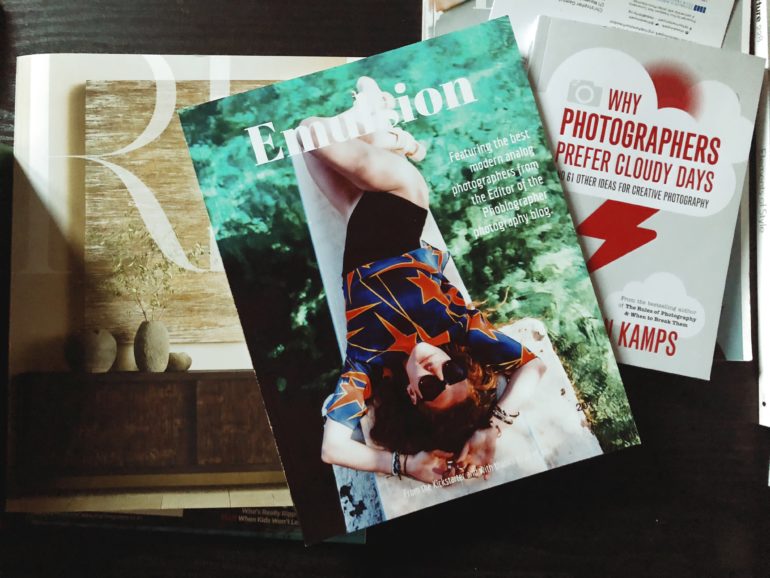
Throughout 2024, the editorial team began to experiment with the logistics of a subscription-based model. They launched limited-edition printed zines, testing whether their audience valued tangible, physical media in a world saturated with ephemeral screen-time. The response was overwhelmingly positive, confirming a hunger for depth over breadth.
By early 2025, the team solidified their mandate: remove the distractions. The editorial team began the gradual process of weaning the site off the "click-through" economy. This shift was marked by a commitment to invest in original, daily content that prioritized authentic human storytelling over the SEO-driven "listicles" that define much of the modern tech-media landscape.
The Simple Math of Independence: Sustaining Quality
The economic model of digital publishing is often misunderstood. For many, the perception is that a website is "free." In reality, the cost of content is paid for by the reader in the form of data privacy, intrusive advertising, and sometimes, biased reporting.
The math behind The Phoblographer’s new strategy is surprisingly simple, yet ambitious. The editorial staff calculated that if a significant portion of their monthly audience contributed just $25 per year—amounting to roughly $2.08 per month—the publication could achieve full financial independence. This threshold would allow the site to operate entirely without banner ads, effectively silencing the corporate noise that often litters the user experience.

Why $25 Per Year?
For the price of a single specialty coffee, a reader can ensure that their source of information remains uninfluenced by the marketing departments of camera giants. This $25 contribution serves as a "vote" for:
- Investigative Journalism: The ability to dedicate resources to long-form investigative pieces that hold manufacturers accountable.
- Fair Wages: Ensuring that the writers, photographers, and editors who build the platform are paid a living wage, rather than being forced to chase viral traffic for ad impressions.
- Editorial Autonomy: The freedom to publish critical reviews without the fear of losing advertising accounts.
Supporting Data: The Cost of Distraction
The current state of online publishing is plagued by "banner fatigue." Studies suggest that the average internet user is exposed to thousands of ads per day, leading to a phenomenon known as "banner blindness," where users subconsciously ignore ad spaces. However, these ads still negatively impact site performance, mobile battery life, and overall user experience.
By stripping away the advertising infrastructure, The Phoblographer is not just cleaning up its aesthetic; it is optimizing its functionality. Pages load faster, privacy trackers are removed, and the reading experience—particularly on tablets like the iPad—becomes an immersive activity rather than a gauntlet of pop-ups and sidebar clutter.
Official Stance: A Message from the Editor
The editorial team behind The Phoblographer has been vocal about the "why" behind this pivot. In a recent statement, they emphasized that the photography world is currently rushing headlong toward AI automation and mass-produced content. The publication sees itself as the antithesis of this trend.
"We are doubling down on what makes images truly powerful: human creativity, authentic vision, and real storytelling," the team stated. "When you rely on corporate advertising, you are ultimately accountable to the brand, not the reader. We want to be accountable to you. We want to be able to say exactly what we think about a camera, a lens, or a software update, without checking in with a PR representative first."
The team also acknowledged that this is a bold risk. Moving to a paid model creates a barrier to entry, but they argue that the value provided to the subscriber—through discounts, premium content, and a distraction-free environment—far outweighs the nominal cost.
The Membership Experience: Value Beyond the Article
To make the transition palatable and rewarding, The Phoblographer has curated a suite of benefits that provide tangible financial value to the subscriber. These are not merely digital "badges" but tools that help photographers improve their craft and protect their business:
- Zero Banner Ads: A clean, high-performance reading environment across all devices.
- Professional Software Discounts: Partnerships with industry-standard tools like Capture One, ensuring that members save money on the software they actually use to edit their work.
- Legal & Asset Protection: Discounts for Imalume, a service that helps photographers track and recover compensation for the illegal use of their intellectual property—a growing concern in the age of AI scraping.
- Focus and Wellness: Partnerships with brands like Herbs & Kettle, acknowledging that photography is as much about mental clarity and focus as it is about gear.
Implications for the Future of Photography Media
The success of The Phoblographer’s subscription drive has significant implications for the broader tech-journalism industry. If a niche publication can survive—and thrive—without relying on the "Big Camera" advertising machine, it could signal a shift in how other media outlets view their audience.
1. The Death of the "Corporate Mouthpiece"
If readers choose to support independent outlets, the power dynamic shifts. Media outlets will no longer be beholden to the launch cycles and marketing budgets of camera manufacturers. This allows for more honest, critical, and long-term testing of products.
2. The Return of Print
The planned return of a printed magazine is perhaps the most symbolic aspect of this transition. In a digital world, the physical object becomes a premium, collector-grade experience. It suggests that the future of photography media is not just about the "newest" thing, but about the "best" thing—quality, archival content that stands the test of time.
3. A Sustainable Ecosystem
By building a community of members rather than a hoard of anonymous "page-view" statistics, The Phoblographer is fostering a more resilient ecosystem. Members are stakeholders. They provide feedback, they engage with the community, and they ensure the survival of the platform during economic downturns.
How to Join the Movement
The process of becoming a member is designed to be seamless. By visiting the membership portal, readers can sign up for the annual subscription, immediately unlocking the ad-free experience and the library of member-only benefits.
The transition is a call to action for the photography community. It asks a simple question: Is independent, human-led photography journalism worth $2 a month? If the community answers with a "yes," it could fundamentally change the way photography news is consumed and produced for the next decade.
As the industry continues to grapple with the rise of automation and the decline of traditional media, The Phoblographer is betting on the one thing that AI cannot replicate: the authentic, human connection between a storyteller and their audience. By removing the corporate middlemen, they are paving a path toward a more honest, transparent, and sustainable future for everyone who picks up a camera.