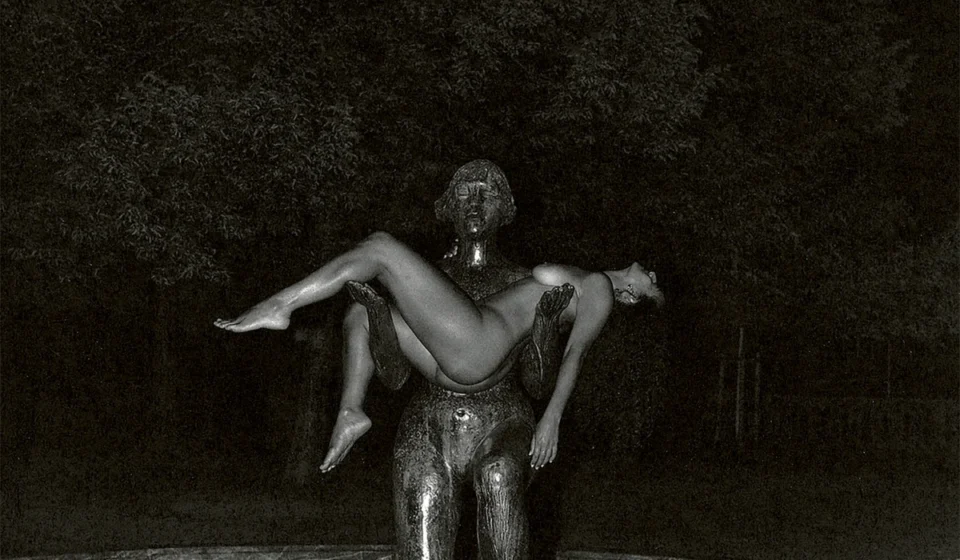

In the spring of 2026, the Huis Marseille museum in Amsterdam opened its doors to Body as Resistance, a landmark solo exhibition by the multidisciplinary artist Yumna Al-Arashi. Spanning over a decade of photography, sculpture, and archival research, the exhibition serves as a profound interrogation of how the female body—specifically the Arab female body—has been weaponized, fetishized, and exoticized within the framework of Western colonial history and post-9/11 geopolitical discourse.
For Al-Arashi, who was raised in Washington D.C. under the pervasive shadow of the War on Terror, the exhibition is an act of reclamation. It is an attempt to unlearn the distorted narratives that equate the "liberation" of women in the Middle East with the violent military occupation of their sovereign nations.
The Historical Context: Rhetoric and Representation
The genesis of Al-Arashi’s inquiry lies in the political lexicon of the early 21st century. In 2003, as George W. Bush addressed the American public to justify the invasion of Iraq, he framed the military endeavor as an act of moral necessity. By concluding his speech with a plea to “bless our country and all who defend her,” Bush cemented a long-standing tradition: the conflation of a nation with the feminine body.
This rhetorical device, which posits that the "saving" of women justifies the destruction of a state, has been a cornerstone of imperial justification for centuries. Al-Arashi’s work meticulously deconstructs this. She highlights how the Western media and political apparatus have consistently positioned the "Oriental" woman as an oppressed subject in need of Western intervention.
A central touchstone in the exhibition is a found image from International Women’s Day in 2001, months before the invasion of Afghanistan, featuring Oprah Winfrey unveiling an unnamed Afghani woman on stage. This performance of "feminist" solidarity, Al-Arashi argues, is a form of soft power that reinforces the status of the Western woman as the universal standard-bearer of freedom. By presenting the non-Western woman as a silent object to be rescued, the image effectively strips her of her agency and reinforces the divide between "civilized" feminism and the "oppressed" Muslim world.
A Chronology of Resistance: From Yemen to the Axis of Evil
The exhibition presents Al-Arashi’s evolution chronologically, tracing her journey from an emerging photographer to a critic of the systems that define her identity.
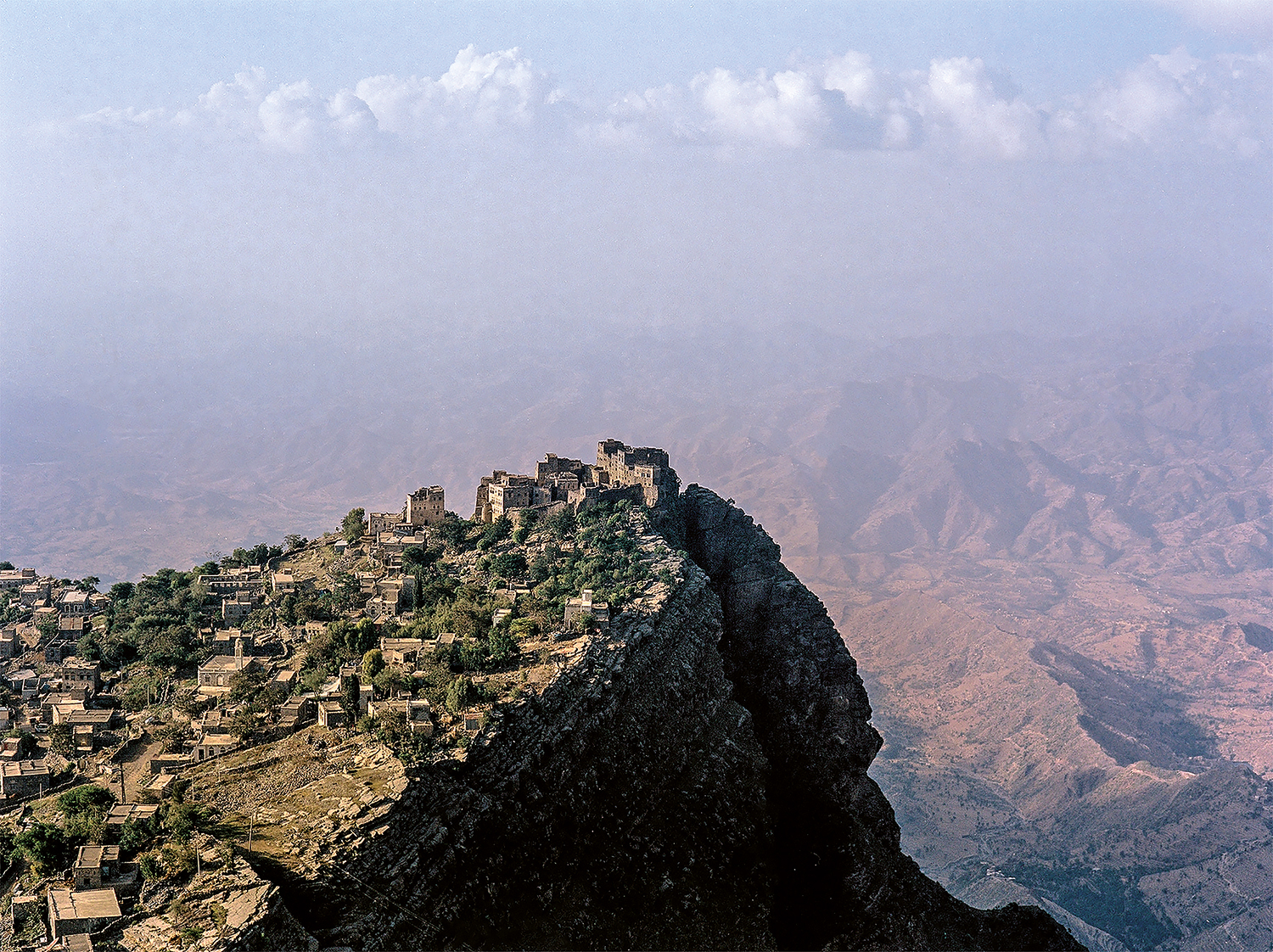
Early Work: The Northern Yemen Series (2013–2014)
The earliest works on display reflect Al-Arashi’s initial attempts to document her own heritage in Northern Yemen. During this period, the artist was preoccupied with understanding the power dynamics of the lens. She grappled with the fundamental question: How can photography, a tool historically used by colonial powers to categorize and control, be repurposed for liberation?
The Axis of Evil (2020)
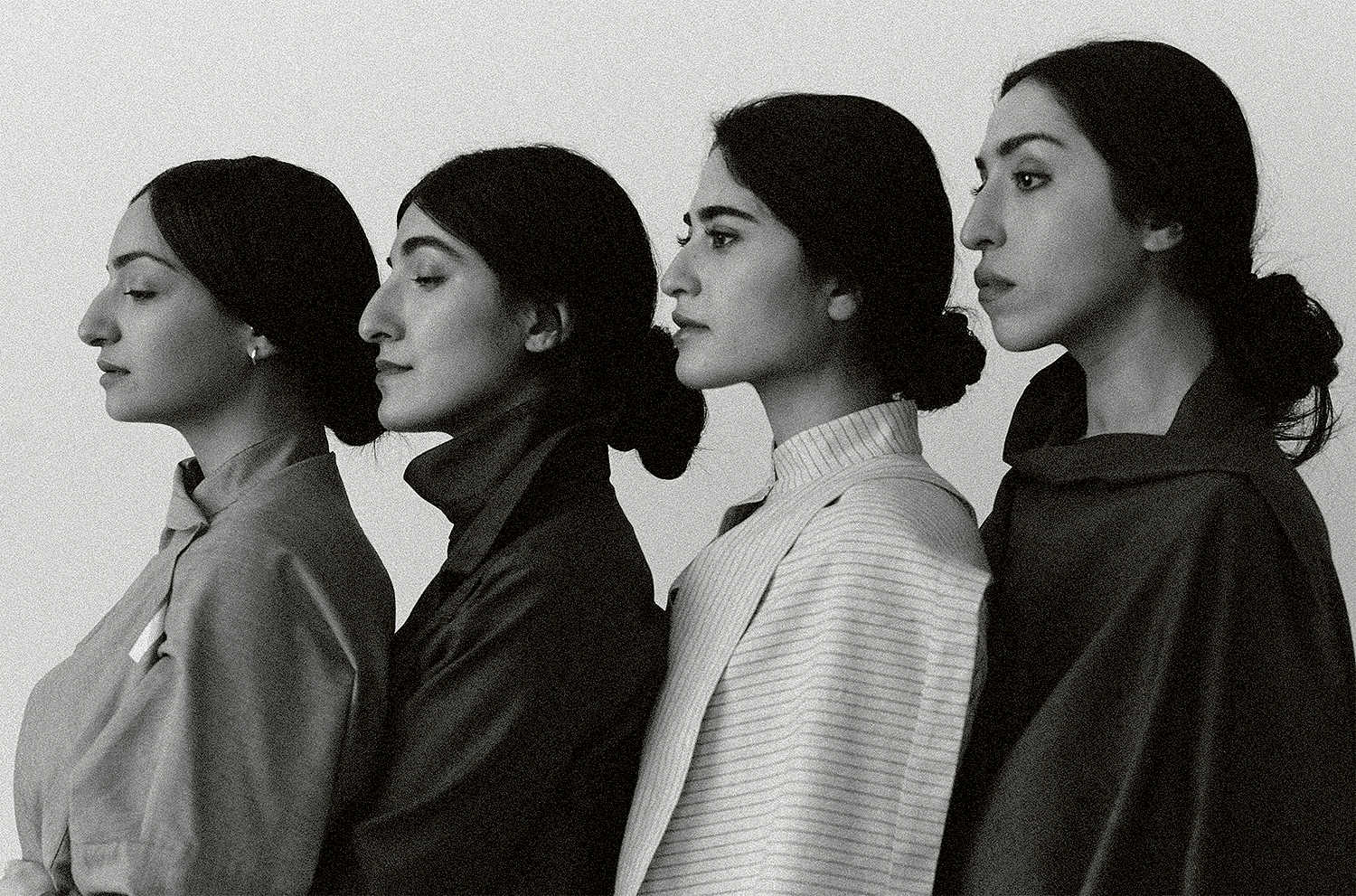
In her 2020 series Axis of Evil, Al-Arashi pivots toward a more direct confrontation with political nomenclature. The work features four women from Yemen, Afghanistan, Iran, and Iraq—countries famously grouped together by U.S. foreign policy under the "Axis of Evil" label. By placing their faces side-by-side, Al-Arashi highlights the shared humanity and aesthetic kinship of women from these vilified regions. The series functions as an act of subversion; it takes a term designed to isolate and terrorize and transforms it into a statement of solidarity and defiance.

Current Directions: Let Me In (2024–Ongoing)
In her most recent work, Let Me In, Al-Arashi continues to explore the boundaries of access, migration, and the body’s relationship to state-sanctioned borders. This series, characterized by a more abstract and haunting visual language, reflects the artist’s maturation, moving away from explicit documentation toward a more conceptual exploration of trauma and displacement.
Challenging the Standards of Beauty
A significant portion of Body as Resistance is dedicated to the politics of aesthetics. Al-Arashi’s images are undeniably beautiful—a quality she both embraces and critically interrogates. In collaboration with references to Mooshtari Hilal’s Ugliness, Al-Arashi asks her audience to consider the origin of their aesthetic preferences.
"We should question whose standards we are going by," Al-Arashi asserts. "What is actually beautiful? Where did I learn this idea of beauty?"
This interrogation is vital because the "exotic" has historically been a tool for consumption. By creating images that are visually arresting yet conceptually challenging, Al-Arashi forces the viewer to confront why they are drawn to the image. Is the appreciation of her work rooted in a genuine engagement with her subject, or is it a continuation of the fetishistic gaze that seeks to turn the Arab body into an object of consumption?
Confronting the Fetish: The "I Am Whoever You Want Me to Be" Incident
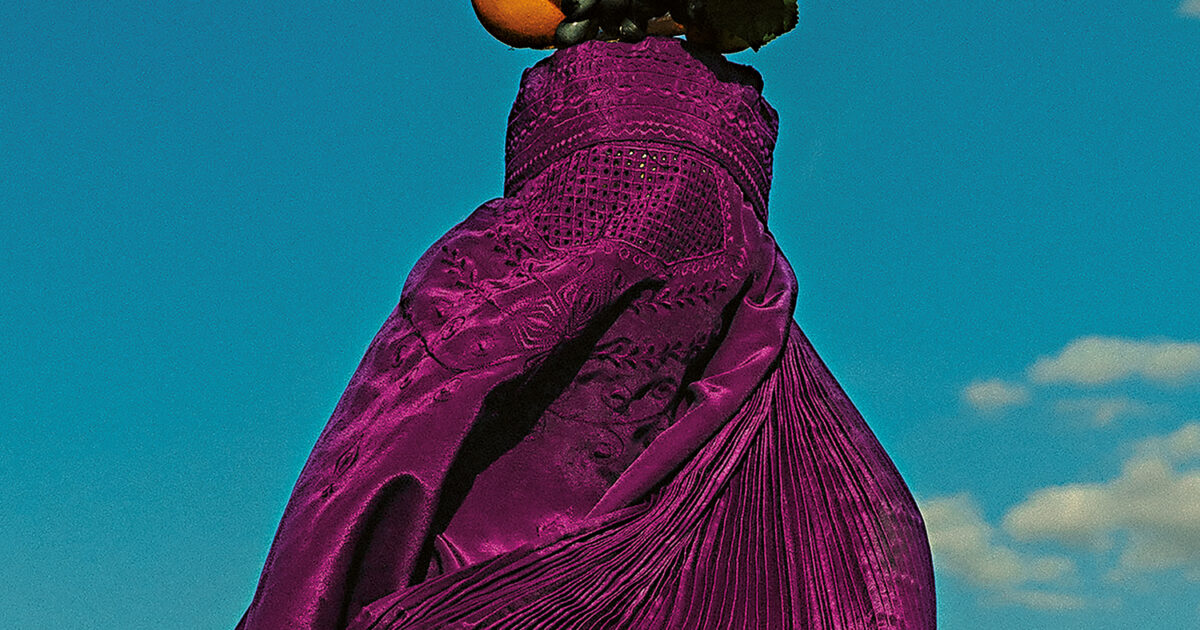
Perhaps the most visceral component of the exhibition is the self-portrait titled I Am Whoever You Want Me to Be. This work was born from the artist’s frustration with the media’s persistent attempts to pigeonhole her. Throughout her career, Al-Arashi has faced interviews that ignored her artistic substance in favor of sensationalist questions about her father’s reaction to her nude self-portraits or her relationship with the burka.
To combat this, Al-Arashi adopted a radical strategy: she leaned into the absurdity. She purchased a burka—a garment she does not wear—and dyed it a vibrant, artificial purple. She then paired it with an elaborate fruit headdress inspired by Carmen Miranda, the Brazilian actress whose Hollywood career was predicated on the performance of a sanitized, exoticized version of her culture.
The resulting image is deliberately jarring. It serves as a parody of the "Oriental" trope, collapsing the ignorance of the Western gaze into a single, confrontational frame. When viewers express discomfort with the image, Al-Arashi considers it a success. For her, the discomfort is the catalyst for a necessary conversation about why we feel the need to categorize and "fix" the bodies of the Other.
Implications for Future Discourse
Body as Resistance does not offer easy answers. Instead, it provides a mirror to the viewer, reflecting the colonial anxieties that still permeate our contemporary visual culture. By exposing the patriarchal systems that seek to control and define women through images, Al-Arashi reclaims the act of looking.
The exhibition suggests that true resistance lies in the refusal to be saved, the refusal to be categorized, and the insistence on writing one’s own narrative. As she notes, the women she photographs "never needed saving; we didn’t want saving." Through her work, Al-Arashi invites us to shift our gaze—away from the objectifying lens of the imperialist and toward a more nuanced, empathetic, and truly liberated understanding of the human subject.
The impact of this exhibition extends beyond the walls of Huis Marseille. It contributes to a growing body of work by contemporary artists who are demanding that the history of photography be rewritten to include the voices of those it once silenced. By questioning the very tools of her trade, Al-Arashi is not just creating art; she is mapping a path toward a more honest and equitable future for representation.
Body as Resistance remains on display at Huis Marseille, Amsterdam, until June 21, 2026. Through its blend of archival critique and deeply personal narrative, it stands as a testament to the power of art to disrupt, provoke, and ultimately, liberate.
Related posts: