Nature’s Palette: How Martha Stewart and Hachiman Turned Farmhouse Eggs into Design Icons

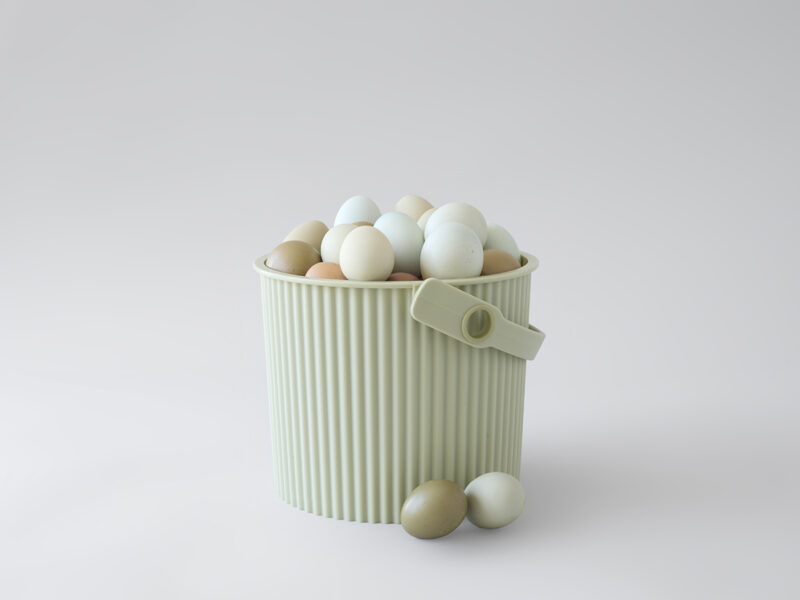
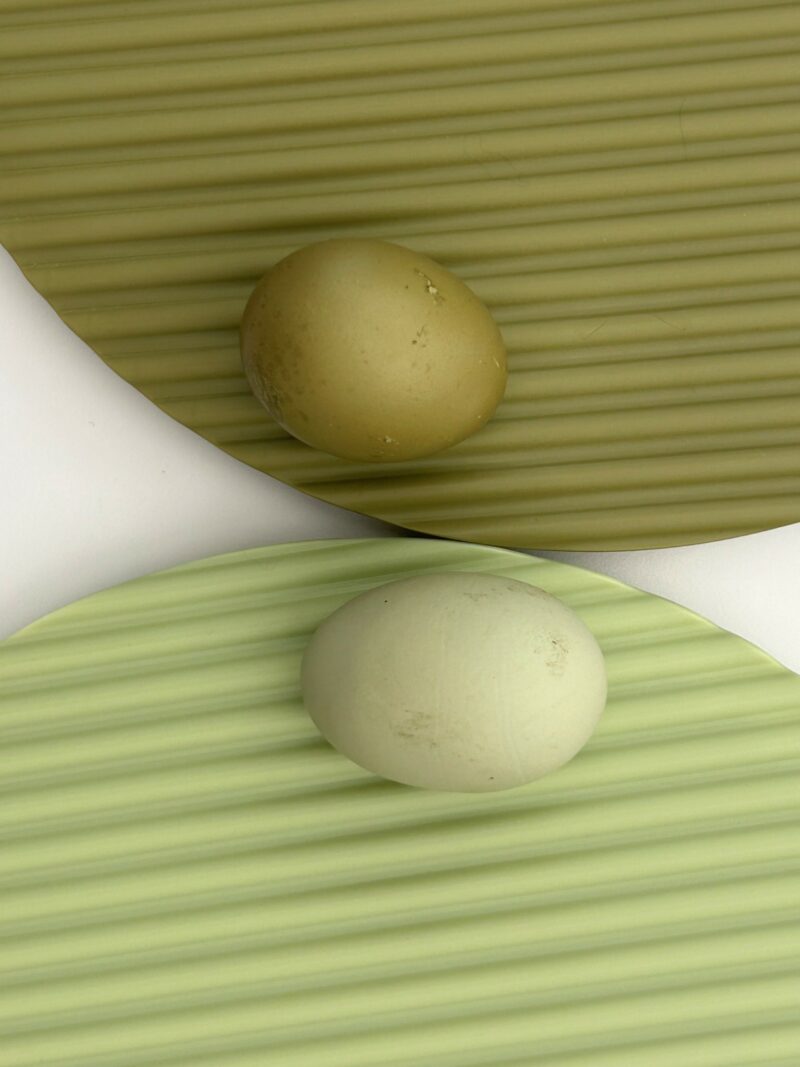
In the world of high-end design, inspiration often arrives from the most unexpected places. For lifestyle mogul Martha Stewart, the muse for her latest collaboration wasn’t found in a high-fashion atelier or a modernist architecture gallery, but rather in the quiet, pastoral routine of her Bedford, New York, farm. Specifically, the soft, organic hues of sage and olive laid by her Olive Egger and Cream Legbar hens have become the centerpiece of a new, five-piece special edition collection for Hachiman, the cult-favorite Japanese houseware manufacturer.
This collaboration marks a significant intersection between Japanese industrial precision and the rustic, refined aesthetic that has defined Stewart’s career for decades. By marrying the utilitarian prowess of Hachiman’s legendary buckets and watering cans with the earthy color palette of her farm’s bounty, the partnership offers a masterclass in how everyday objects can transcend their functional roles to become sculptural elements in the home and garden.
The Genesis of the Collection: From Bedford to Gifu
The story of this collection is one of cross-continental synergy. Hachiman, headquartered in a scenic, mountainous region of Japan’s Gifu prefecture, has long been revered by design enthusiasts for its "Omnioutil" buckets—products that are as much a triumph of engineering as they are a testament to minimalist beauty.
The connection between the Japanese maker and the American lifestyle icon began through Chilewich, the design-forward company that serves as Hachiman’s North American distributor. John McPhee, CEO of Chilewich, recalls his first encounter with Hachiman in a design store in Rome. "The signature buckets were displayed superbly," McPhee notes, "and the combination of beauty and utility—thoughtful design—was instantly apparent."
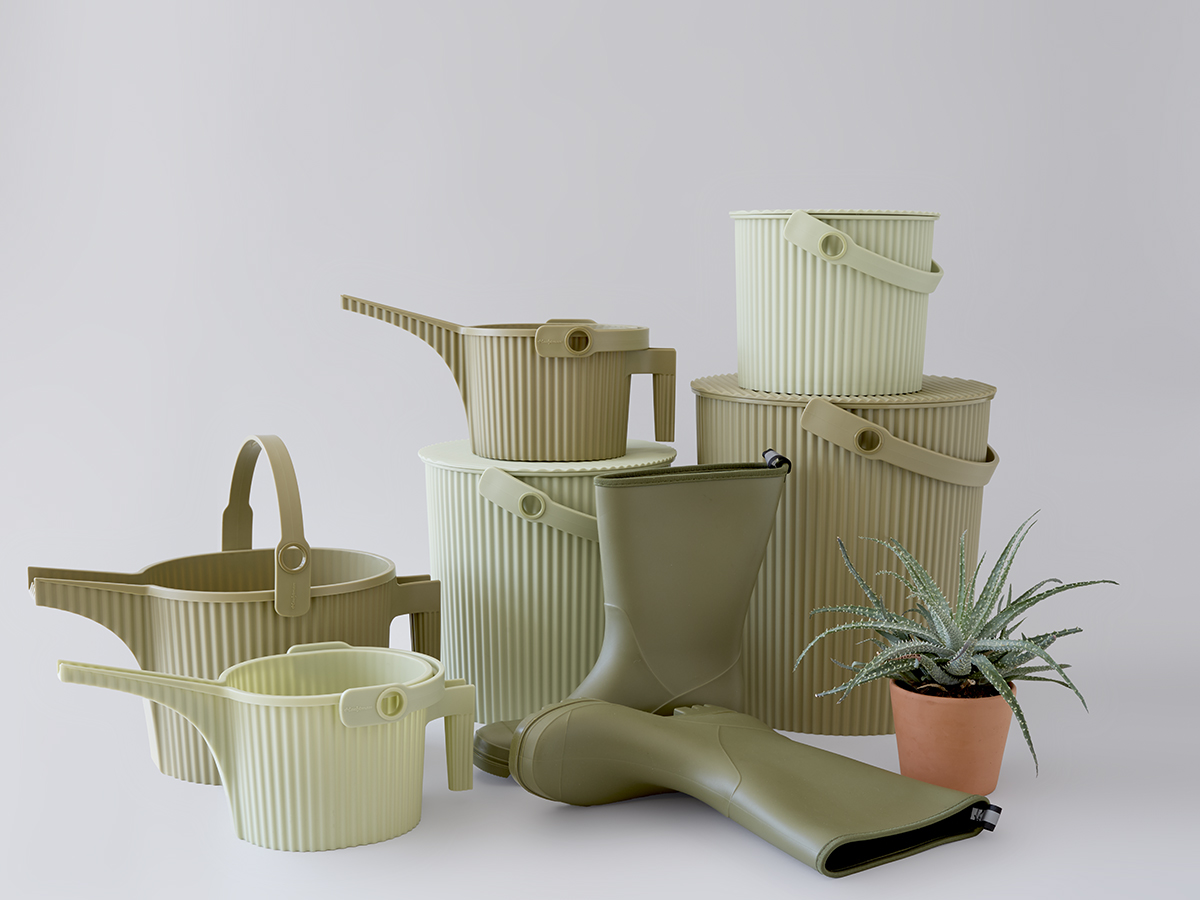
Following a serendipitous meeting between the Hachiman team and Chilewich at the Ambiente trade fair in Frankfurt, the two brands began a strategic rollout of Hachiman products in the U.S. market. By 2024, as Chilewich deepened its professional relationship with Stewart, the idea of a "Martha" signature series took shape. During a casual meeting in Stewart’s kitchen, where she was surrounded by a basket of freshly gathered eggs, the creative vision crystallized. Kristin Harris, Chilewich’s Vice President of Design and Creative, recalls the moment: "When we first shared our Hachiman collection with Martha, she was sitting in her kitchen, a basket of eggs on the counter." That brief, spontaneous observation—holding the dark green watering can next to the pale, mottled eggs—was all it took to set the design process in motion.
Chronology of a Design Partnership
- Early 2020s: Hachiman gains international acclaim for its multi-purpose buckets, winning Japan’s prestigious Long Life Design Award.
- Mid-2023: John McPhee identifies Hachiman as a key partner for Chilewich’s expansion into curated, functional home goods.
- January 2025: A core collection of Hachiman products, featuring foundational colors like mustard and navy, launches in North America.
- Spring 2025: During a design consultation at her Bedford farm, Martha Stewart identifies her hens’ eggshells as the perfect color inspiration.
- Summer 2025: Samples are transported to Chilewich’s design studio in Manhattan’s Flatiron District, where the team performs precise color-matching against Pantone standards.
- July 2026: The official launch of the "Martha Stewart x Hachiman" special edition collection, bringing the pastoral palette to a global audience.
The Art of Color-Matching: A Studio Challenge
Translating the delicate, variable tones of a biological product—an eggshell—into the consistent, durable finish of industrial polypropylene is no small feat. When the eggs arrived at the Chilewich design studio, the team faced a unique challenge.
"I’ve matched a lot of unexpected items in my career—yarn, hosiery, handprinted swatches, nail polish—but never eggshells!" says Harris. The process involved holding individual shells against Pantone chips, searching for the specific pigment intensity that would survive the transition to plastic molding. The goal was to achieve a finish that felt organic and soft, avoiding the harshness often associated with mass-produced hardware. To the delight of the design team, Hachiman’s manufacturing process captured the exact desired hues on the first attempt, maintaining the integrity of the "sage" and "olive" tones that Stewart championed.
Product Profiles: Engineering Meets Aesthetics
The collection focuses on two of Hachiman’s most iconic designs, both of which are celebrated for their extreme versatility.

The Multi-Purpose Bucket
Recognized by Japan’s Long Life Design Award, the Hachiman bucket is far from a standard utility vessel. It is a ribbed, stackable marvel that features a handle with a built-in aperture designed to grip a garden hose for hands-free filling. Beyond its primary function, the lid is load-rated for up to 330 pounds, effectively turning the bucket into a stool, side table, or temporary seat.
"The lidded buckets are exceptionally versatile," Stewart explains. "They are ideal for all kinds of outdoor tasks and double as stools, side tables, coolers, and compost bins. Use them indoors to store everything from children’s toys and treasures to pet food and crafting supplies." The collection includes three sizes, ranging from a compact 1.1-gallon mini to a robust 5.3-gallon extra-large.
The Garden Beetle Watering Can
Also known for its thoughtful construction, the "Garden Beetle" watering can features a widened, open-top design that eliminates the mess often associated with traditional nozzles. It features a grooved spout that creates a gentle, sprinkler-like flow, making it ideal for delicate plantings.
"The watering cans have a grooved spout," Stewart adds, "so the water flows more like a sprinkler than a hose, and the open-top design makes it easier to incorporate plant food—no more clogged nozzles." Like the buckets, the watering cans are molded in high-grade, recyclable polypropylene, free of phthalates and PFAS, and finished with UV-resistant coatings to ensure they maintain their color integrity even when left under the summer sun.
Official Responses and Industry Context
The industry response to this collaboration has been one of quiet admiration. Design critics have noted that this partnership is a masterstroke in "quiet luxury"—the movement toward high-quality, utilitarian objects that provide aesthetic pleasure without being overtly ornamental.
John McPhee emphasizes that the collaboration was driven by mutual respect. "Martha didn’t hesitate when we asked what her version of these items would look like," he says. "She understands that design isn’t just about how an object looks, but how it integrates into the rhythm of a person’s life."
For Hachiman, the collaboration represents a bridge between their regional heritage in Gifu and the sophisticated, curated lifestyle market of North America. By partnering with someone as synonymous with home-making as Stewart, the Japanese manufacturer has successfully positioned its industrial products as essential lifestyle accessories rather than mere hardware.
Implications: The Future of Functional Design
The success of this collection points to a larger trend in the home goods sector: the "premiumization" of the mundane. As consumers become more conscious of the objects they surround themselves with, the demand for items that are both sustainable and aesthetically pleasing has skyrocketed.
By utilizing recycled polypropylene and creating designs meant to last for years—or even decades—Hachiman and Stewart are pushing back against the "throwaway culture" of cheap, disposable garden gear. The longevity of the products, combined with a timeless, nature-inspired palette, ensures that these items will remain relevant long after the initial launch buzz subsides.
Furthermore, the collaboration highlights the power of the "curator-designer" model. By leveraging Stewart’s eye for color and her authentic connection to her farm-to-table lifestyle, Chilewich and Hachiman have created a narrative that resonates with consumers who want their home maintenance tasks to feel less like chores and more like an extension of their personal style.
As the collection hits shelves—available via the Chilewich website, their New York City flagship, and select retailers globally—it stands as a reminder that the best design often begins with a simple, honest observation of the world around us. Whether it is the color of a morning egg or the efficiency of a Japanese-engineered spout, these elements, when brought together with intention, elevate the everyday experience. In the words of the team that brought this project to life, the smiles in the studio during the color-matching process were just the beginning of what this partnership promises to bring to homes everywhere.