The Art of the Open Road: Why the American Family Road Trip Remains the Ultimate Travel Experience

The American family road trip is more than just a means of transportation; it is a cultural rite of passage, a logistical marvel, and a masterclass in flexibility. In an era dominated by the high-stress environment of international air travel, the "four-wheels-and-an-open-map" philosophy offers a unique respite. It allows families to curate their own pacing, transform the transit time into a shared experience, and discover the hidden, eccentric corners of the country that remain invisible from 30,000 feet.
Despite the proliferation of global travel options, the domestic road trip remains the most resilient and rewarding form of tourism. For the modern family, it is an opportunity to reclaim control over the schedule, swapping the rigidity of boarding passes and security lines for the spontaneity of a detour toward a roadside curiosity.
The Evolution of the Great American Road Trip
Historically, the American road trip emerged in the early 20th century, coinciding with the proliferation of the automobile and the development of the U.S. Highway system. What began as a necessity for westward expansion quickly morphed into a leisure pursuit. By the post-WWII era, the "motel culture" and the rise of iconic routes like Route 66 solidified the road trip as the quintessential middle-class vacation.
Today, the psychology behind the road trip has shifted. As parents juggle increasingly complex digital lives, the car has become a "third space"—a location where the distractions of Wi-Fi and daily chores are replaced by the intimacy of conversation, shared music playlists, and the communal observation of the changing landscape.
Chronology: Planning the Perfect Journey
A successful road trip is defined by a delicate balance between structure and serendipity. While the "loose agenda" is the hallmark of a relaxing trip, seasoned travelers suggest a chronological framework to ensure the journey remains enjoyable rather than exhausting.
Phase 1: The Pre-Departure Calibration (Weeks 1–4)
The foundation of a stress-free trip lies in preparation. This includes vehicle maintenance checks—tire pressure, fluid levels, and brake inspection—and the "logistics of comfort." Creating a packing system that prioritizes easy access to snacks, charging cables, and entertainment prevents the common pitfall of "clutter-induced stress" within the vehicle cabin.
Phase 2: The "Rule of Thirds" (During the Trip)
Experts in family travel often advocate for the Rule of Thirds to manage energy levels:
- The Drive: Aim for no more than four to six hours of actual road time per day. This prevents driver fatigue and keeps children from reaching their limit of confinement.
- The Activity: Dedicate the mid-day hours to a physical activity—a hike, a swim, or an exploration of a local park.
- The Rest: Ensure the final third of the day is anchored in a consistent environment, whether a campsite or a hotel, to facilitate downtime.
Phase 3: The Reciprocal Strategy (Ongoing)
An invaluable piece of advice for the modern parent is the "reciprocal membership" strategy. By purchasing a membership to a local children’s museum, science center, or zoo in your home city, you unlock access to a network of hundreds of similar institutions nationwide through the Association of Children’s Museums (ACM) or the Association of Zoos and Aquariums (AZA). This provides a ready-made, budget-friendly "pit stop" in almost any major city along your route.
Supporting Data: Why Driving Outperforms Flying
The shift back to road travel is not merely anecdotal; it is supported by shifting trends in family consumer behavior. According to recent travel industry surveys, nearly 60% of families prefer driving to their vacation destination over flying.

- Cost-Effectiveness: When accounting for the cost of airfare for a family of four, plus rental car fees and baggage costs, a road trip can result in a savings of 30% to 50% on total transportation expenditures.
- Environmental Impact: While long-distance travel inherently carries a carbon footprint, a full vehicle of passengers remains statistically more efficient than the per-capita emission levels associated with short-haul commercial flights.
- The "Slow Travel" Dividend: Families who travel by car report higher levels of satisfaction with their trip itinerary. The ability to pivot based on weather, local festivals, or personal interest adds a level of personalization that a pre-booked flight cannot offer.
Official Perspectives: The Value of "Unscheduled Time"
Child development psychologists often emphasize the importance of "unstructured downtime" for children. In a world of over-scheduled extracurriculars, the long stretches of road offer a rare opportunity for cognitive decompression.
Dr. Elena Vance, a family consultant, notes: "The road trip acts as a forced pause. When children are not being shuttled from one activity to the next, they enter a state of boredom that is essential for creativity. They observe the landscape, they interact with siblings without the presence of school-day pressures, and they learn to navigate the minor frustrations of the road. These are character-building moments."
Tourism boards have also leaned into this trend. Departments of Transportation in states like Washington, Oregon, and Colorado have recently rebranded scenic byways to emphasize the "journey" rather than the "destination," providing interactive maps that highlight historical markers, local food scenes, and geological wonders that are otherwise missed by travelers rushing toward a resort.
Implications for Future Travel
The rise of the "work-from-anywhere" culture has profound implications for the future of the American road trip. Families are no longer constrained by the traditional two-week summer vacation block. "Digital nomad" families are increasingly opting for "slow-roll" vacations—trips that last three to four weeks, moving through states at a leisurely pace while maintaining professional commitments remotely.
This shift suggests that the roadside economy—motels, diners, and independent attractions—is entering a renaissance. These businesses are pivoting to provide better connectivity and long-stay amenities to accommodate the growing demographic of remote-working road trippers.
Furthermore, as electric vehicle (EV) infrastructure continues to expand, the environmental impact of the family road trip is set to decline further. The integration of charging stations into national park networks and highway rest stops is transforming the logistics of travel, making the long-haul drive more sustainable and technologically integrated than ever before.
Conclusion: The Road Ahead
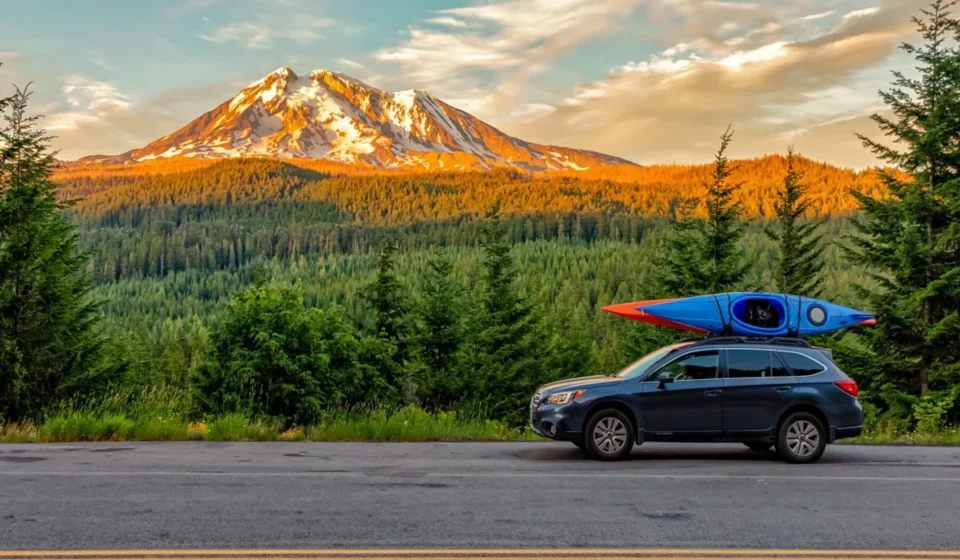
The family road trip is an exercise in presence. Whether you are navigating the misty forests of the Pacific Northwest or the sweeping deserts of the Southwest, the value lies in the shared experience of the horizon. It is a reminder that the destination—while often beautiful—is merely the punctuation mark on a long, winding sentence of memories.
As you plan your next departure, remember that the most successful trips are not those that stick strictly to a map, but those that leave enough room for the unexpected. When you trade the altitude of an airplane for the level ground of a highway, you are not just traveling from point A to point B; you are investing in the most valuable commodity of all: time spent together.
Pack the car, update your memberships, and leave the schedule loose. The open road is waiting, and for the family willing to explore it, the journey is truly the reward.