
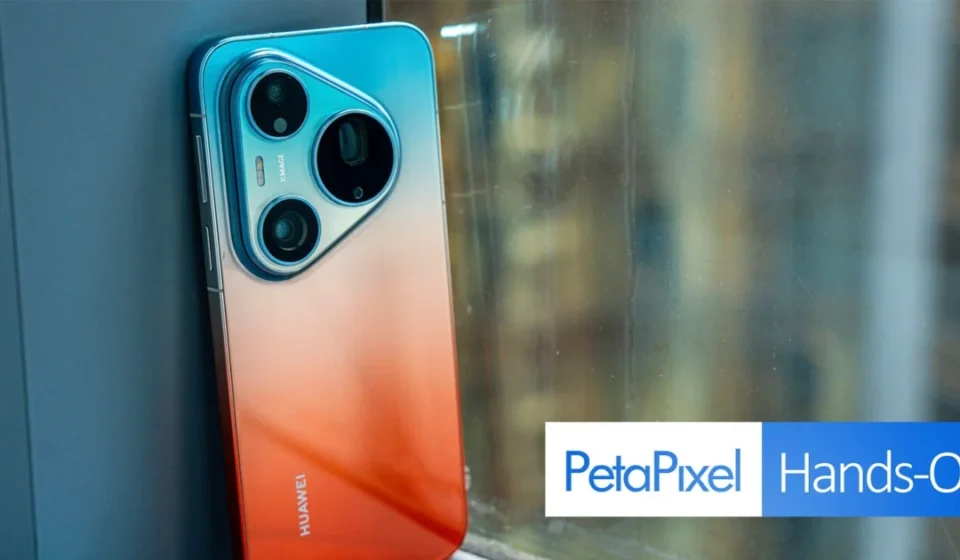

Huawei’s trajectory in the global smartphone market has been nothing short of a rollercoaster. Seven years ago, the brand stood on the precipice of global dominance, positioning itself as a legitimate challenger to the duopoly of Apple and Samsung. Today, as the company launches the Pura 90s Pro Max, it marks a significant, albeit nuanced, return to the international stage.
For many long-time enthusiasts, the Pura series represents a spiritual successor to the legendary P-series, which once defined mobile computational photography. After years of operating in a restricted ecosystem, Huawei is attempting to re-engage the global market with a device that screams "premium" from every angle. Having spent extensive time with the device ahead of its Kuala Lumpur global launch, my initial impressions suggest a company that is not just participating in the flagship race, but actively looking to redefine the boundaries of mobile imaging.
The Evolution of Hardware: Design Meets Durability
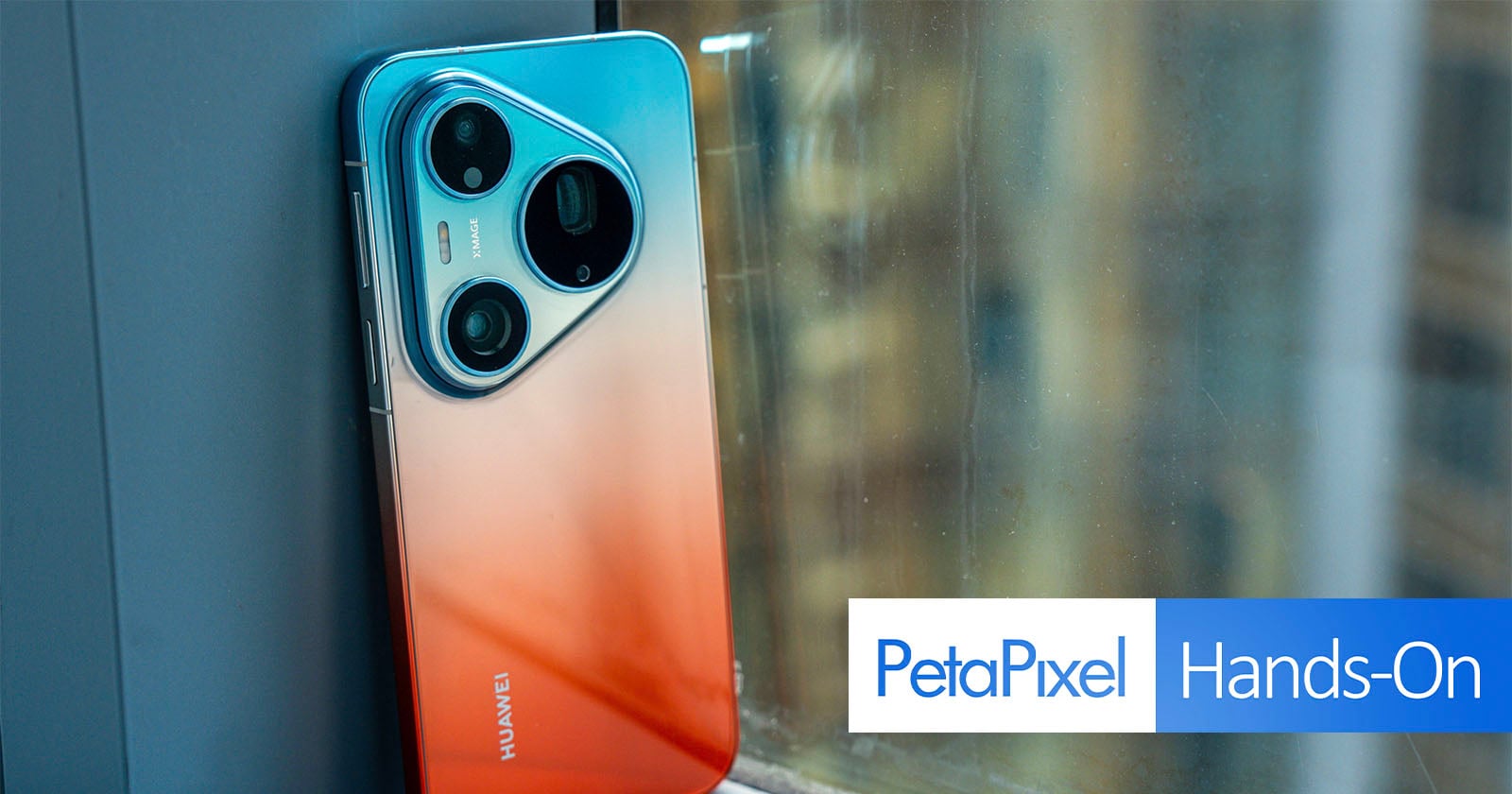
The Pura 90s Pro Max is a masterclass in modern industrial design. The device features a vibrant 6.9-inch LTPO OLED display with a resolution of 2880 x 1308. In a move that will satisfy purists, the screen is entirely flat, avoiding the accidental touch issues often associated with "waterfall" curved displays.
The display is protected by Huawei’s proprietary Kunlun Glass. The company makes bold claims regarding this material: it reportedly reduces screen reflections by up to 70%, boasts 16 times higher scratch resistance, and offers 25 times greater drop resistance than standard market alternatives. During my testing in the bright, unforgiving tropical sunlight of Kuala Lumpur, the anti-reflective coating performed remarkably well, maintaining clarity where other flagships would suffer from glare.
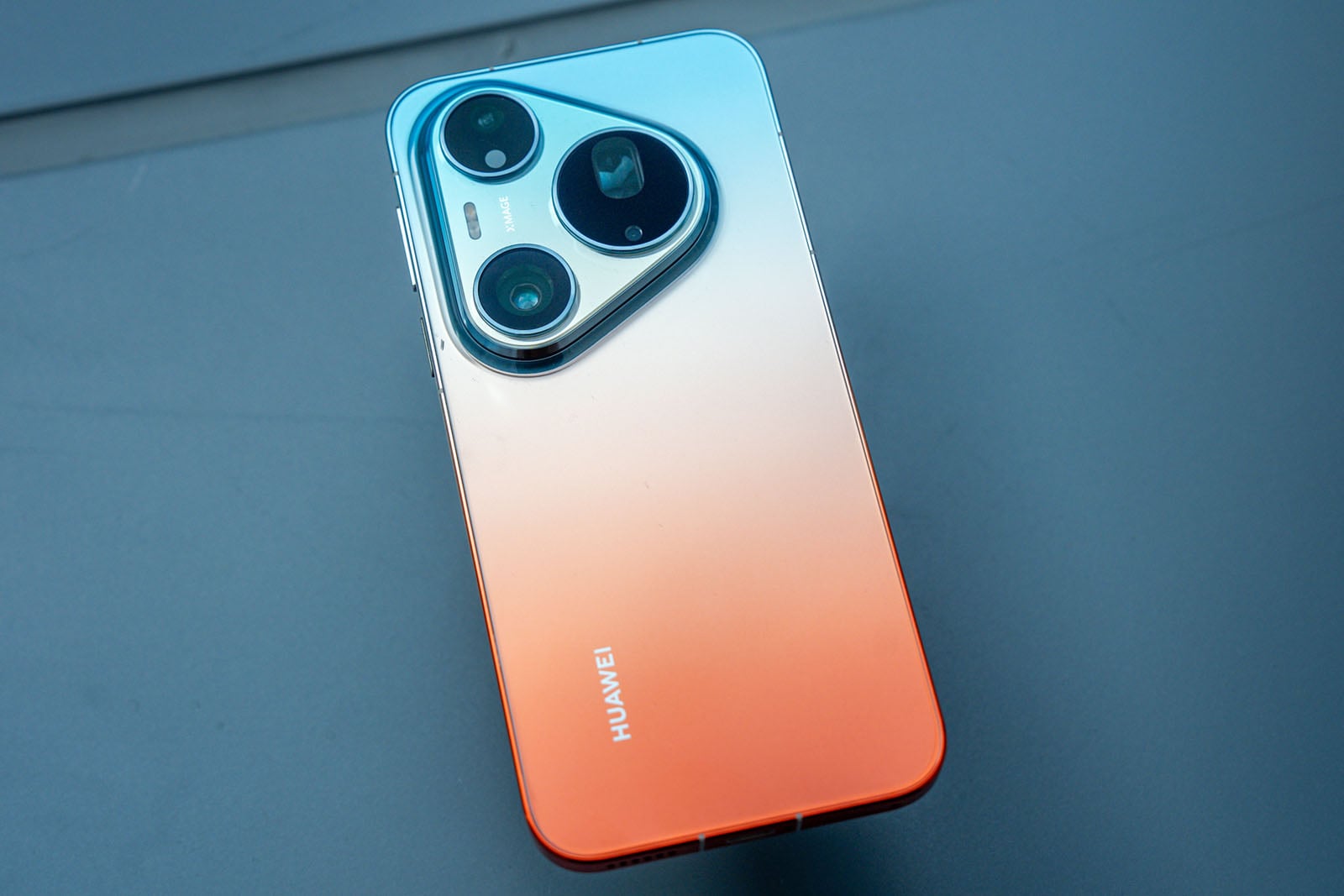
Aesthetically, Huawei is leaning into bold, expressive choices. The Pura 90s Pro Max is available in Blush Gold, Orange Ocean, Blaze Purple, and Graphite Black. The Orange Ocean variant is particularly striking, utilizing a dual-tone gradient fused directly into an aluminum back. While the finish is a known fingerprint magnet, Huawei includes a high-quality, clear silicone case in the box, ensuring the device’s aesthetics remain visible while staying protected.
Under the hood, the device packs a massive 6,000mAh battery. The Pro Max model supports 100W wired SuperCharge technology, though users in certain regions may see this capped at lower wattages due to localized regulatory standards. The Pro model, by contrast, settles for 66W charging. Both handsets feature IP68 and IP69K ratings, ensuring robust resistance against both water and high-pressure dust, placing them firmly in the elite tier of rugged flagship durability.
Navigating the Software Landscape: The GBox Paradigm
The "elephant in the room" remains the absence of native Google Mobile Services (GMS). However, Huawei has matured its software workaround strategy significantly. The solution comes in the form of GBox, an application that allows the EMUI system to interact with essential Google services in a virtualized parallel environment.
The setup process, accessed via Petal Search, is surprisingly seamless. Once configured—provided the user selects a supported region like the U.K.—the Google Play Store becomes accessible. This allows for the download and usage of critical professional software, such as Adobe Lightroom for RAW photo editing, as well as essential lifestyle apps like Spotify and YouTube.
Furthermore, the device integrates Huawei’s Celia assistant, which has been bolstered with improved natural-language capabilities in English. Unlike some cloud-dependent rivals, Celia includes on-device processing capabilities, allowing for offline functionality—a boon for privacy-conscious users and those traveling in areas with poor connectivity.
The Camera Array: Rebuilding the Gold Standard
Huawei has explicitly stated that the Pura 90s Pro Max camera system was "rebuilt" from the ground up, with a tri-fold focus: telephoto reach, dynamic range, and color accuracy.
The Telephoto Crown Jewel
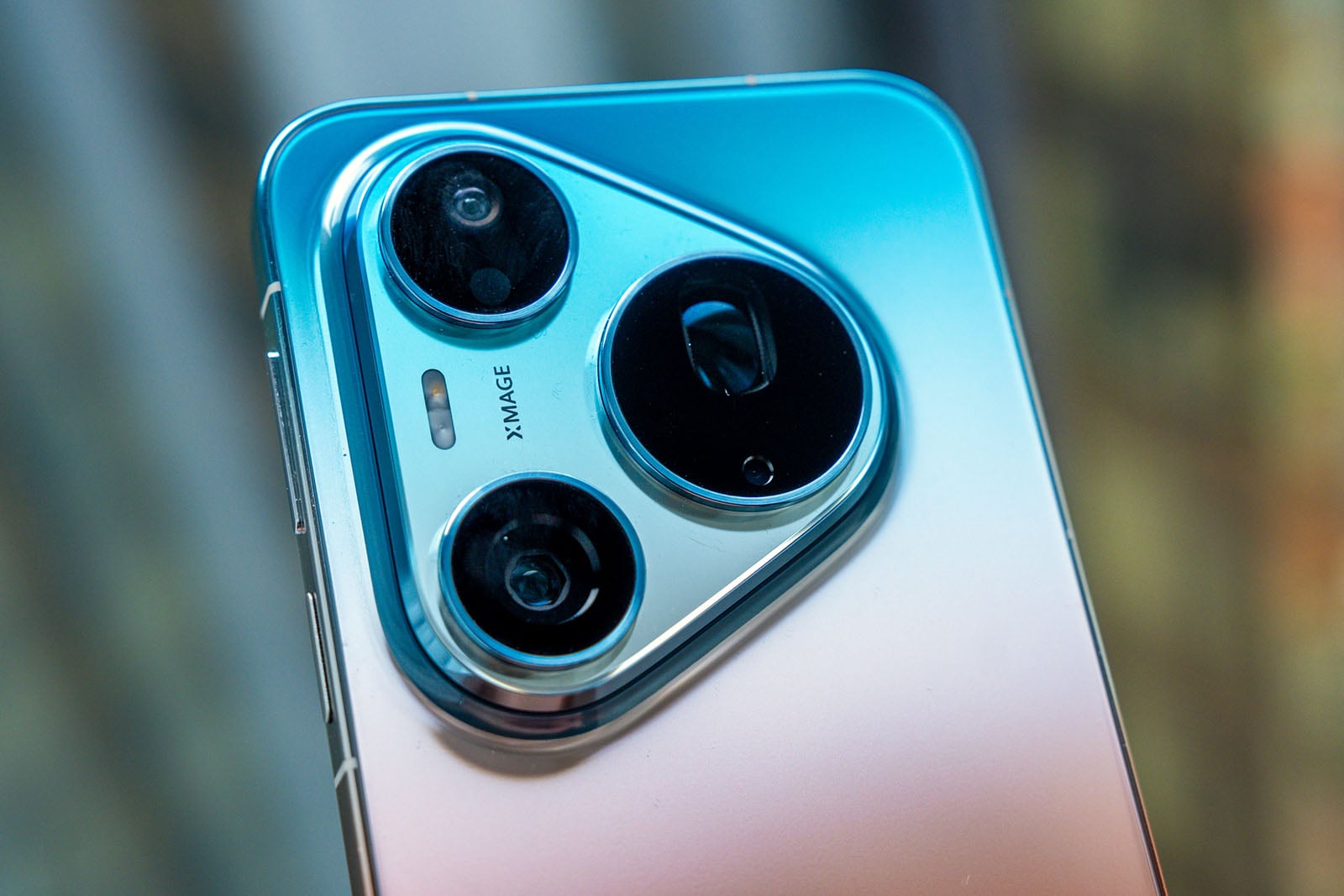
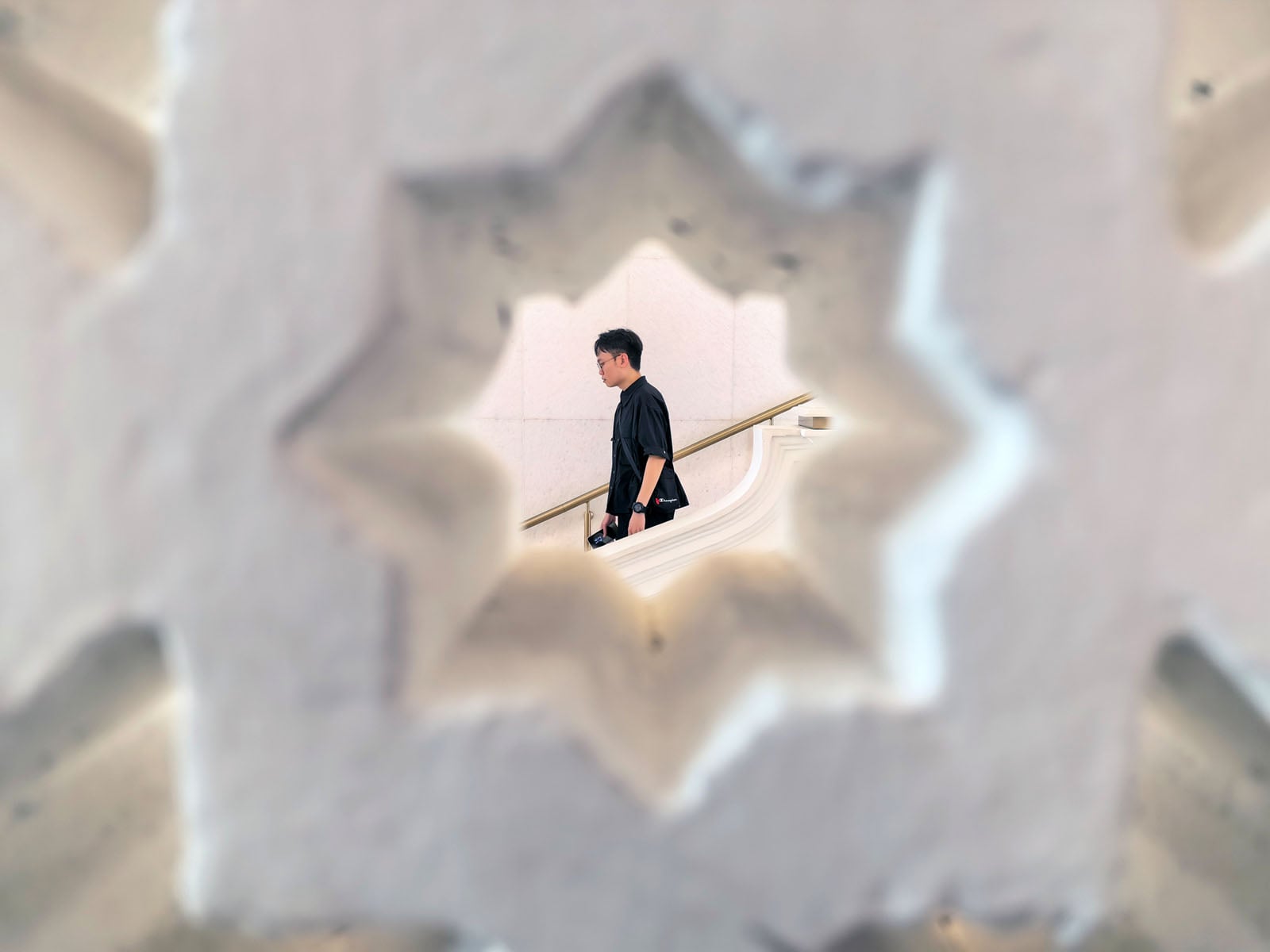
The centerpiece of the array is the 200-megapixel Ultra Large Sensor Telephoto Camera (96mm equivalent). Built on a Type 1/1.28 sensor with an f/2.6 aperture and Optical Image Stabilization (OIS), this lens is the primary reason to purchase the device. To assist this monster sensor, Huawei introduced a "3-in-1 Ultra Lighting Prism" that drastically boosts light intake. When paired with CIPA 7.0-rated stabilization, the result is sharp, usable imagery even at extreme zoom distances.
The Main and Ultra-Wide Capabilities
The primary sensor is a 50-megapixel 16EV Ultra Lighting HDR camera. It utilizes the same Type 1/1.28 RYYB sensor architecture—a technology Huawei pioneered with the P30 Pro—which replaces the traditional green pixel in a Bayer filter with yellow to capture significantly more light. Additionally, the main camera features a mechanical variable aperture (f/1.4–4.0), a feature that remains one of the most effective ways to manage depth of field and exposure manually on a smartphone. A 40-megapixel ultra-wide lens (13mm equivalent) rounds out the trio, handling wide-angle shots with clinical precision.
Chronology of Performance and Interface Oddities
My testing revealed a device that is capable of producing truly stellar photography, yet it is hampered by some perplexing software choices that feel like a regression for global users.
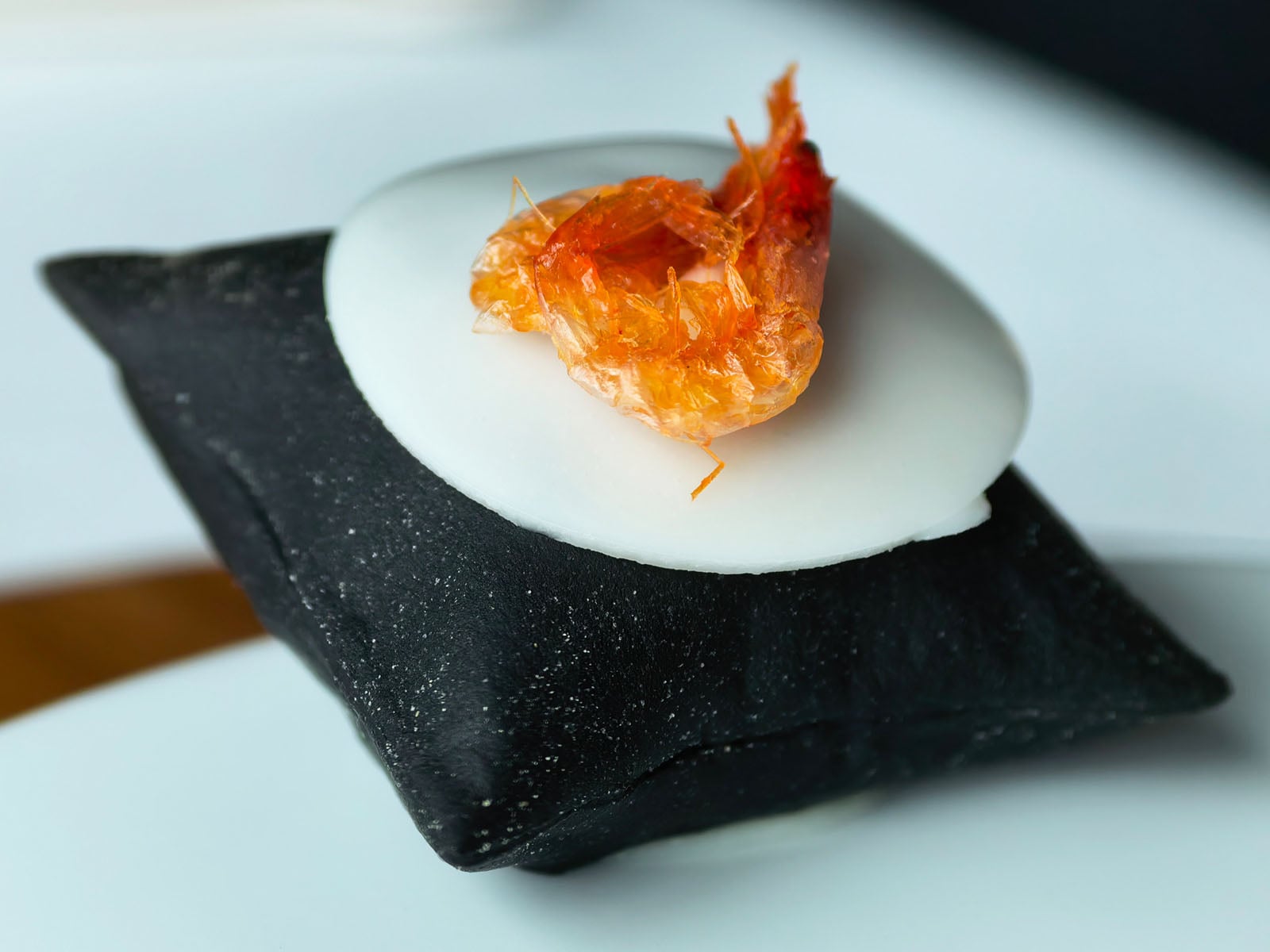
- The Positive: The image processing is fast. Shutter lag is virtually non-existent, and the dynamic range handling is class-leading. The "True-to-Color" sensor consistently captures skin tones accurately, even in challenging, high-contrast lighting.
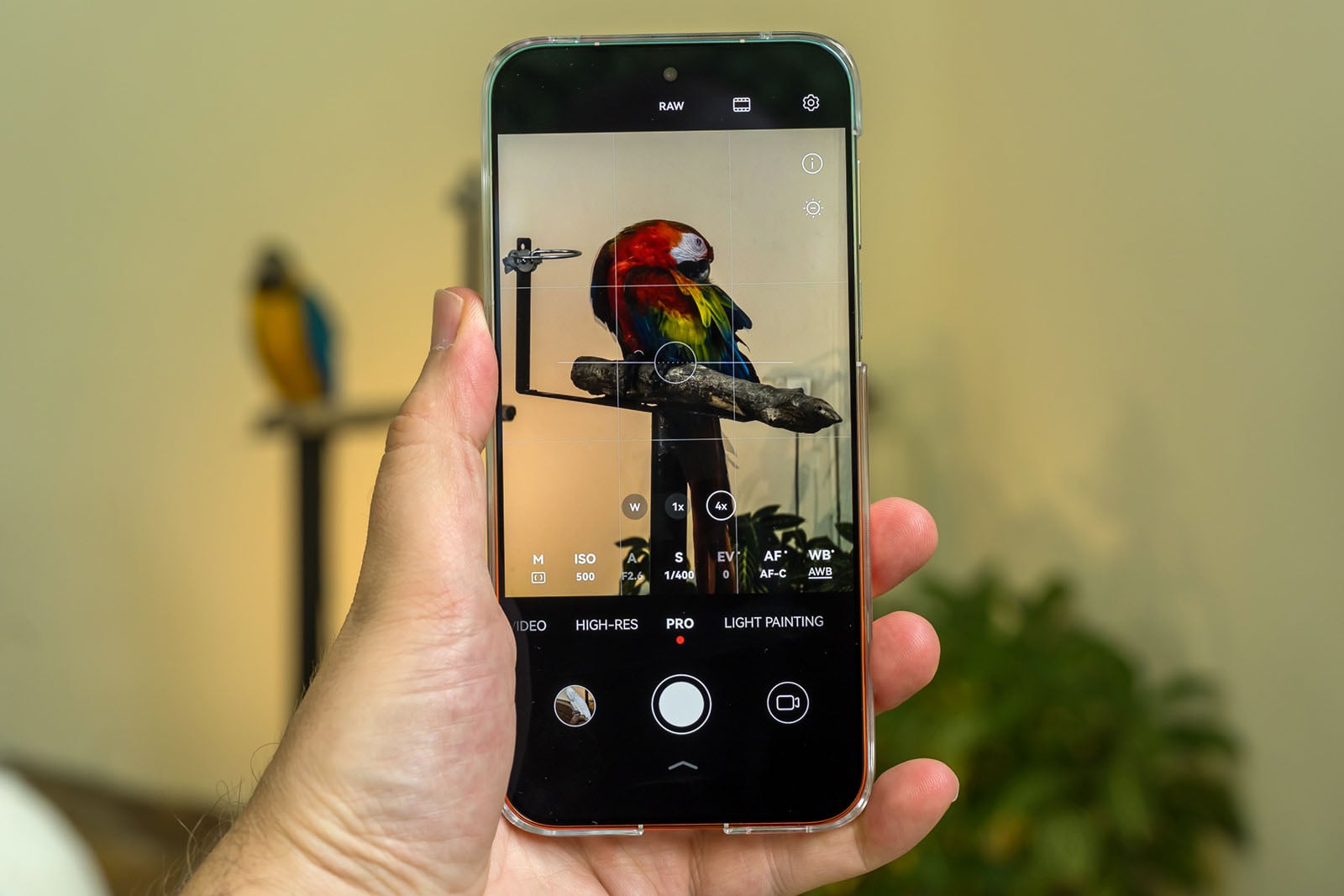
- The Negative: The camera interface lacks the intuitiveness of its predecessors. For example, the timer function is buried deep within the settings menu rather than in the quick-access drawer. There is no native exposure compensation outside of Pro mode, and the lack of a 24fps option for video recording is a glaring omission for content creators.
- The Inconsistency: Perhaps most baffling is the lack of shortcuts for specific focal lengths. While the Chinese variant of the phone includes one-tap access to 35mm and 20x zoom, the global model requires the user to pinch-to-zoom, which is imprecise and frustrating in a fast-paced environment. It is unclear why these features were omitted from the global firmware, though hopes remain high for a future software update to rectify this.
AI Integration: A Mixed Bag
Huawei is heavily promoting its AI suite, though its availability is fragmented. The most notable tool is "AI Composition," which analyzes the scene and suggests framing markers. When the user aligns the camera with these markers, the phone automatically adjusts the framing or zoom. While highly useful for amateur photographers, it occasionally misinterprets the user’s creative intent, forcing a crop or zoom that isn’t desired.

Interestingly, the full gamut of AI tools—including "AI De-glare" and "AI Move"—is available on Asian-Pacific models but restricted on European units. This geographic segmentation of features is a point of friction for international consumers, particularly given the premium $1,300 USD starting price.
Implications for the Market
The launch of the Pura 90s Pro Max is a signal that Huawei is done playing defense. By focusing on hardware superiority—specifically in sensor size, lens quality, and material science—they are challenging the industry to stop relying solely on software-based AI tricks and return to the fundamentals of optics.

However, the path forward is not without hurdles. For the average consumer in Western markets, the lack of native GMS remains a high barrier to entry, regardless of how well GBox functions. The Pura 90s Pro Max is currently a niche device for enthusiasts, photographers, and those who prioritize hardware excellence over ecosystem convenience.
As I conclude my preliminary testing, the takeaway is clear: Huawei has successfully reclaimed its position as a top-tier camera manufacturer. Whether they can regain their status as a mainstream market disruptor will depend entirely on their ability to bridge the software gap and provide a consistent, global experience that matches the brilliance of their hardware engineering. I will reserve my final verdict until the full review, but for now, the Pura 90s Pro Max stands as a testament to Huawei’s resilience in the face of immense adversity.