Mounting Costs: U.S. Copyright Office Pushes Forward with Controversial Fee Hikes for Photographers

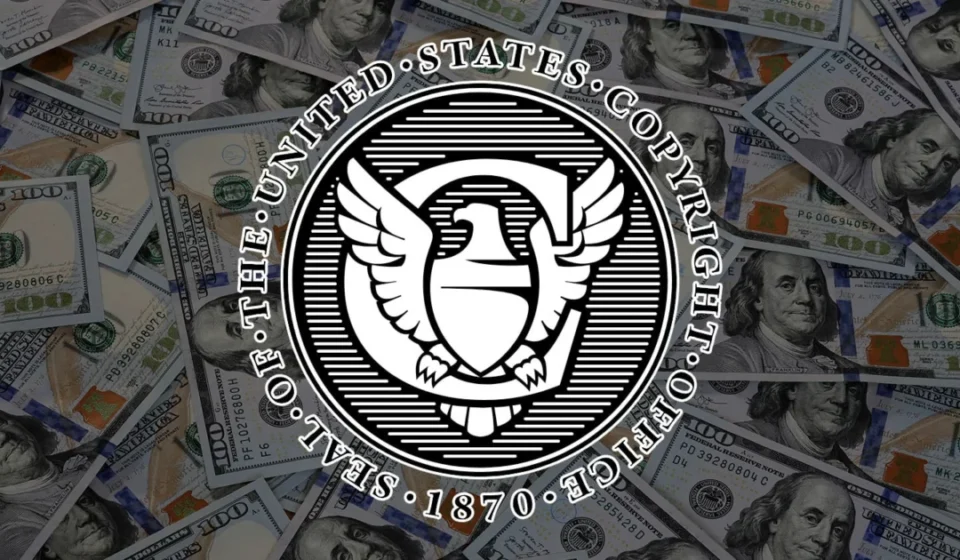
The U.S. Copyright Office has officially notified Congress of its intent to move forward with a sweeping schedule of fee increases, a decision that has sent shockwaves through the professional photography community. Central to the controversy is a planned hike in the cost of group registration for photographs—a vital tool for creators looking to protect their intellectual property—which is set to rise from $55 to $85.
Unless Congress intervenes within the next 120 days, these changes are slated to take effect in the fall of 2026. For freelance photographers, photojournalists, and small creative agencies, the move represents more than just a line-item adjustment; it is being characterized as an insurmountable barrier to entry and a punitive "tax on the creative process."
The Chronology of a Contentious Proposal
The path to this moment began in earnest in March 2026, when the U.S. Copyright Office issued a Notice of Proposed Rulemaking (NPRM). The document outlined a strategy to significantly bolster the agency’s revenue, citing the need for "fee recovery" to align with historical operational budgets and inflationary pressures.
The proposal was not limited to photography; it suggested a range of increases across various services. Most notably, the cost for updating records for news websites was slated for a staggering 268% increase.
Following the announcement, the National Press Photographers Association (NPPA) and other advocacy groups mobilized quickly, submitting formal comments to the Office. They argued that the methodology used to calculate the new fees was fundamentally flawed. The NPPA contended that the Copyright Office’s internal assessments ignored the economic realities of the modern photography industry, relying instead on theoretical models that do not account for the sheer volume of work modern photographers must register to stay protected from digital piracy.
Despite this vocal opposition and a direct request for a collaborative dialogue, the Office remained unmoved. In a letter to Congress delivered today, Shira Perlmutter, the Register of Copyrights and Director of the U.S. Copyright Office, signaled that the agency would proceed with the plan, effectively dismissing the concerns raised by the creative community.
Supporting Data: The Case for the Increase
The Copyright Office maintains that these adjustments are a matter of fiscal responsibility. In its communication to Congress, the Office justified the hike as a necessary step to maintain "quality services" while ensuring the agency can keep pace with stakeholder demand.
According to the Office, this is the first comprehensive fee adjustment since 2020. The rationale rests on three primary pillars:
- Fee Recovery: The goal is to reach a level of cost recovery that matches the Office’s historical percentage of its operational budget.
- Inflationary Adjustment: The Office argues that the rising costs of labor, technology, and administration necessitate higher user fees.
- Voluntary Participation: The Office noted that because copyright registration is voluntary under U.S. law, the fees are set to balance service quality with the goal of encouraging, rather than discouraging, active participation in the copyright system.
However, the Office’s definition of "encouraging participation" is being sharply contested by those who argue that a 55% increase for the most common form of registration will have the exact opposite effect.
Professional Responses: A "Tax on Creativity"
The response from industry leaders has been one of profound disappointment and frustration. The NPPA, which represents thousands of visual journalists, has been the most vocal critic of the policy.
"This is deeply disappointing," says Alicia Calzada, Deputy General Counsel of the NPPA. "Many photographers already find the process too expensive, archaic, and complicated. Yet the Office continues to delay modernization and is forcing photographers to bear the burden of inefficiency."
Calzada’s point touches on a broader systemic issue: the Copyright Office’s technological infrastructure. For years, photographers have complained that the registration portal is clunky and difficult to navigate. To many, paying significantly higher fees for a system that has not seen corresponding improvements in usability feels like a double insult.
Alex Garcia, the President of the NPPA and an active freelance photographer, echoed these sentiments with a sense of urgency. "Copyright law is supposed to protect photographers from infringers, but who will protect us from the copyright bureaucrats?" Garcia asked. "We call upon our elected officials to pass legislation that will end these copyright fee increases that are becoming a tax on the creative process."
The Economic and Legal Implications
The implications of this fee hike extend far beyond the balance sheets of individual photographers. If the cost of registration becomes prohibitively expensive, the immediate impact will likely be a decline in the number of works registered.
1. The Erosion of Protection
Copyright registration is a prerequisite for filing an infringement lawsuit and for obtaining statutory damages and attorney’s fees in many jurisdictions. If photographers stop registering their work because the cost-benefit analysis no longer favors them, they become essentially defenseless against large-scale image theft. In an era where AI training models and social media scrapers are constantly harvesting visual data, the ability to protect one’s intellectual property is more critical than ever.
2. The "Modernization" Gap
The Office’s failure to address the "archaic" nature of the registration process while increasing its costs creates a moral hazard. If the agency is struggling with efficiency, critics argue that the solution should be to streamline operations and reduce administrative overhead, rather than passing those costs on to the users of the system.
3. The Congressional Hurdle
By law, the Register of Copyrights has the authority to implement these fees 120 days after submission to Congress, unless a law is enacted during that window to block the schedule. This puts the ball firmly in the court of legislators. The NPPA and other organizations are now pivoting their focus toward Capitol Hill, lobbying representatives to recognize that a healthy creative economy requires affordable access to legal protection.
Conclusion: The Final Countdown
The next four months represent a critical period for the photography industry. As the 120-day clock begins to tick, the tension between the administrative needs of the U.S. Copyright Office and the financial reality of the working photographer has reached a boiling point.
For the Copyright Office, the focus remains on long-term sustainability and operational solvency. For the photographers, the focus is on survival in a digital landscape that is already hostile to their interests. Whether Congress will step in to halt the increase—or whether this will serve as the new baseline for intellectual property management in the U.S.—remains to be seen.
As it stands, the creative community is bracing for a future where protecting one’s work becomes a luxury rather than a standard practice. If the current trajectory holds, the "tax on the creative process" will become a permanent fixture, forcing many to choose between the safety of their copyrights and the viability of their business. The eyes of the creative world are now turned toward Washington, waiting to see if their concerns will finally be addressed before the deadline passes in the fall of 2026.