
New York City Mayor Zohran Mamdani has launched an aggressive, multi-pronged initiative aimed at modernizing tenant protections and curbing predatory housing practices. Following a whirlwind week of policy announcements, the administration has set its sights on the growing crisis of "digital deception" in the rental market—specifically, the pervasive use of artificial intelligence to manipulate property imagery.
In a move that could set a national precedent, the Mayor’s office released the "Rental Ripoff Report" today. The comprehensive document outlines a series of legislative and regulatory recommendations designed to force transparency upon landlords and real estate brokers, with a primary focus on mandating the disclosure of AI-generated or digitally altered photography in rental listings.
The Chronology: From Campaign Promise to Legislative Action
Mayor Mamdani’s administration has moved with startling velocity since his inauguration. During his very first week in office, the Mayor launched the "Rental Ripoff Hearings," a series of town halls held across all five boroughs. These forums were designed to bypass traditional bureaucratic filters and allow the administration to hear directly from constituents regarding their living conditions.
Over the course of these hearings, the Mayor’s office engaged with approximately 2,400 New Yorkers. While complaints regarding structural neglect—such as mold, pest infestations, and unexplained surcharges—were prevalent, a recurring theme emerged: the disparity between the "perfect" apartments advertised online and the dilapidated, unsafe realities tenants encountered upon moving in.
This push against deceptive digital practices comes on the heels of another major consumer-focused policy announcement: a "click-to-cancel" rule aimed at reigning in predatory subscription models used by large corporations like Adobe. By targeting both digital subscription traps and real estate fraud, the Mamdani administration is positioning itself as a fierce defender of the average consumer in an increasingly automated and opaque economy.
The "Rental Ripoff Report": Breaking Down the Proposals
The centerpiece of the administration’s new housing agenda is the "Rental Ripoff Report." This document is not merely a summary of grievances; it is a roadmap for systemic reform. Among its most notable recommendations is the requirement for landlords and realtors to clearly disclose when listing images have been altered via artificial intelligence or other advanced digital tools.
Transparency in the Digital Age
The report argues that as AI tools become more accessible, the barrier to creating "virtually staged" or entirely hallucinated property imagery has vanished. While real estate agents have long used standard photo editing to brighten rooms or remove clutter, the current generation of AI tools can fundamentally alter the geometry, lighting, and even the existence of physical fixtures within a space.
The proposed policy would mandate:
- Mandatory Disclosure Labels: Any image that has been AI-generated or substantially modified must carry a clear, visible disclaimer.
- Verification Standards: Real estate platforms operating within the five boroughs may be required to implement verification protocols to ensure that listing photos reflect the current, unvarnished state of the property.
- Consumer Protection Penalties: Landlords found to be using "digital bait-and-switch" tactics could face significant fines, with the administration suggesting that such practices constitute a form of consumer fraud.
Empowering Tenant Unions
Beyond the digital realm, the report emphasizes the restoration of collective bargaining power. The administration intends to provide formal legal recognition to tenant unions, a move that would grant renters the ability to negotiate collectively with property owners. This is viewed by the Mayor as the necessary structural counterbalance to the "power asymmetry" that has historically defined the New York City rental market.
Supporting Data: Why AI Deception is a Growing Threat
The use of AI in real estate is no longer an isolated incident; it has become a widespread trend that threatens the integrity of the housing market. For tenants moving from out of state or those juggling full-time employment, the ability to tour an apartment in person is often a luxury they cannot afford. Consequently, many sign leases based solely on online imagery.
When reality fails to match these digital renderings, the consequences are severe. Financial losses occur when deposits are non-refundable, and individuals are forced into unsafe housing simply because they are locked into a legal contract.
Furthermore, the technology itself is becoming increasingly sophisticated. Recent reports from across the country have highlighted instances where AI has accidentally inserted "horror-like" artifacts into listings, such as distorted limbs or impossible architectural features. While these glitches are often mocked on social media, the underlying issue—the intentional manipulation of a consumer’s perception of reality—remains a serious legal and ethical concern.
Official Responses: A Commitment to "Governing with New Yorkers"
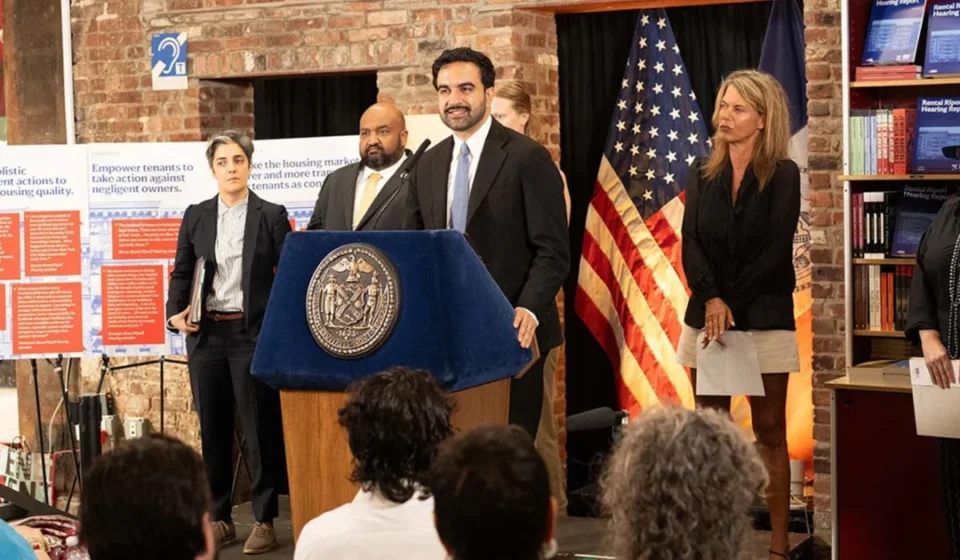
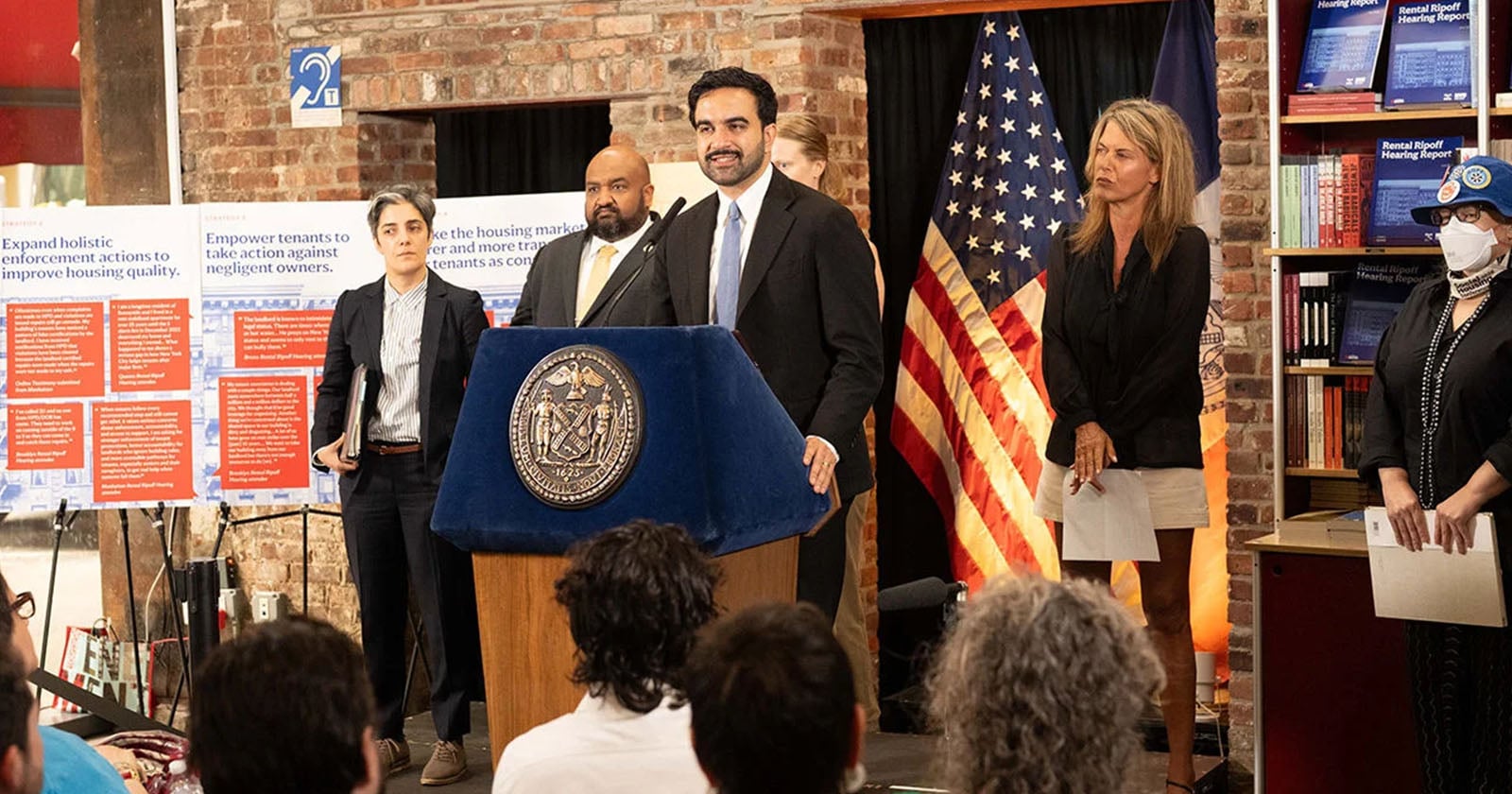
The rollout of these initiatives has been characterized by a strong emphasis on collaborative governance. Mayor Mamdani, flanked by city officials during the press conference, framed the move as a return to the basics of civic duty.
"At Rental Ripoff Hearings across the five boroughs, we heard from thousands of New Yorkers living with mold that was never treated, pests that were never addressed, and fees that were never explained," Mayor Mamdani stated. "Listening was only the first step. This report turns those stories into concrete action. From requiring disclosure of AI-altered listings to bringing our code enforcement systems into the 21st century and finally recognizing tenant unions, we are making it clear that every New Yorker deserves a safe home."
Leila Bozorg, the Deputy Mayor for Housing and Planning, echoed this sentiment, emphasizing that the policy is rooted in tangible human experience. "These policies are rooted in real experiences and address real concerns," she said. "We aren’t just reacting to trends; we are building a framework that ensures the digital evolution of the real estate market does not come at the expense of the tenant’s right to truth."
Cea Weaver, Director of the Mayor’s Office to Protect Tenants, highlighted the cultural shift the report aims to foster. "The Rental Ripoff Hearings and today’s report are writing a new chapter in tenant power in New York City," Weaver noted. "Governing is a partnership. By bringing tenants’ voices directly into policy and taking unprecedented steps to facilitate tenant organizing across the city, we are showing what governing with New Yorkers looks like."
Implications for the Future of Real Estate
The implications of Mayor Mamdani’s proposed regulations extend far beyond New York City. As the first major municipality to attempt a formal regulatory crackdown on AI in real estate, NYC is positioned as a bellwether for the rest of the nation.
For Landlords and Brokers
The real estate industry will likely face a period of adjustment. Professionals who rely on "virtually staged" photos to market vacant units will need to reconsider their disclosure practices. While the industry has argued that such technology helps "show the potential" of a space, the Mamdani administration is drawing a firm line between marketing and deception.
For Tech Platforms
Real estate platforms and listing aggregators may soon be forced to update their terms of service to comply with the proposed NYC regulations. If these companies wish to operate in the nation’s largest market, they will likely be required to integrate AI-detection tools or mandatory disclosure fields into their listing upload processes.
For the Consumer
For the average New Yorker, this is a significant step toward leveling the playing field. By codifying the right to accurate information, the city is signaling that the digital transformation of the economy must be subservient to the rights of the citizen.
As the "Rental Ripoff Report" moves toward potential legislative implementation, all eyes will be on the City Council. If these measures pass, New York City will have successfully turned the tide against the "Wild West" of digital real estate, proving that even in the age of generative AI, the fundamental right to a safe, accurately advertised home remains a top priority for local government.