

For decades, the cruise industry has been defined by a specific image: massive, floating resorts characterized by sprawling buffets, Broadway-style theater productions, and thousands of fellow travelers vying for a spot by the pool. For many, this is the pinnacle of relaxation—a chance to disconnect from the world while enjoying the creature comforts of a high-end hotel.
However, a significant shift is occurring in the maritime travel sector. A growing demographic of travelers is eschewing the "floating city" experience in favor of something far more intimate, rugged, and scientifically enriching: the expedition cruise. By swapping casinos and choreographed shows for zodiac landings and marine biology lectures, these voyages are redefining what it means to take a cruise.
Main Facts: The Anatomy of an Expedition
At its core, an expedition cruise is less about the ship and more about the destination. While traditional cruise liners prioritize onboard entertainment, expedition vessels prioritize accessibility to the world’s most remote frontiers.
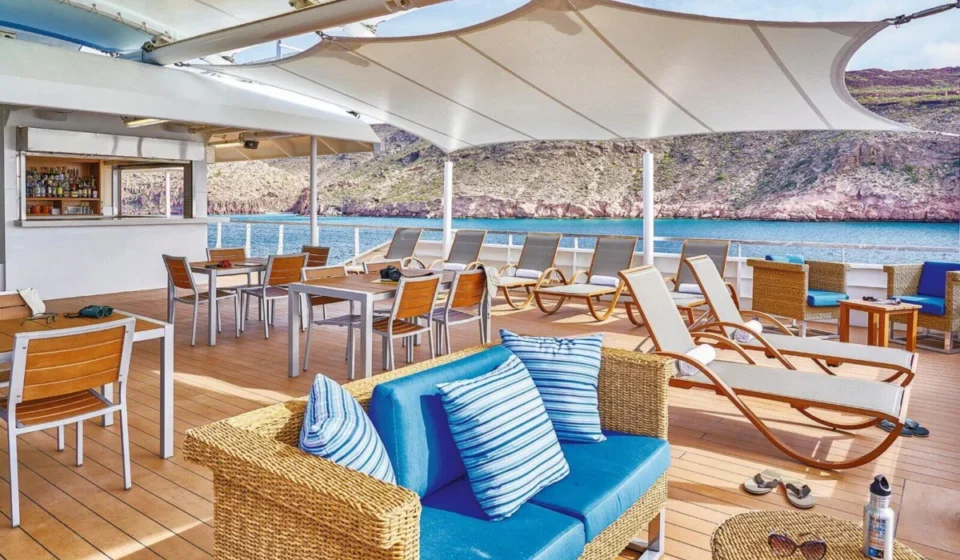
The most defining characteristic is scale. While a typical mega-ship might carry 5,000 passengers, an expedition vessel, such as the National Geographic Venture, typically hosts between 100 and 200 guests. This smaller footprint allows the ship to navigate into narrow fjords, shallow lagoons, and secluded archipelagos that larger ships simply cannot reach.
These ships are not defined by luxury in the traditional sense—you won’t find white-gloved butler service or sprawling spas. Instead, they are defined by their "nimble" nature. They are essentially floating laboratories, equipped with gear for exploration: zodiacs (inflatable boats) for shore landings, snorkeling equipment for underwater exploration, and specialized technology for wildlife spotting.
Chronology: A Week in the Wilderness
To understand the rhythm of an expedition cruise, one must discard the notion of a traditional "port call." In Baja California Sur, for instance, the voyage is dictated not by a pre-set itinerary of tourist shops, but by the movement of wildlife and the conditions of the sea.

- Day 1-2: The Departure and Decompression. Guests board the vessel, shedding the fast-paced nature of modern life. The absence of traditional cruise "trappings"—no key cards, no crowded casinos—creates an immediate sense of camaraderie.
- Day 3-4: The Scientific Shift. The schedule is early-rising. Breakfast ends by 8:30 a.m. to ensure guests are on the water by 9:00 a.m. Whether hiking volcanic landscapes or scanning the horizon for gray whales, the focus is on educational discovery.
- Day 5: The Pivot. A prime example of expedition flexibility: when original plans to visit a heavily trafficked site like Los Islotes were thwarted by crowds, the ship simply moved to a more isolated location. This allowed for an unplanned, once-in-a-lifetime encounter with juvenile California sea lions and rare Guadalupe fur seals.
- Day 6-7: The Grand Finale. The journey concludes with nature-led highlights, such as encountering a "super pod" of over 800 dolphins. The nights are not filled with cabaret, but with scientific debriefs and lectures, ensuring the experience remains as intellectually stimulating as it is physically invigorating.
Supporting Data: Why Small-Ship Travel is Booming
The rise of the expedition cruise is backed by a shift in consumer behavior. According to industry reports from groups like the Cruise Lines International Association (CLIA), there has been a double-digit increase in "adventure travel" bookings over the last five years.
- Passenger-to-Crew Ratio: Expedition ships often boast a high ratio of naturalists and experts to passengers. On the National Geographic Venture, the presence of a vast staff of biologists and photographers transforms the trip from a sightseeing tour into an educational masterclass.
- Environmental Stewardship: Because these ships are small, their impact on the ecosystems they visit is more easily managed. Many operators now employ strict "leave no trace" policies, ensuring that remote, pristine environments remain untouched by the mass-tourism footprint.
- Demographic Diversity: Contrary to the belief that these trips are only for the extreme athlete, expedition cruises are increasingly becoming multi-generational. It is common to see everyone from middle-school-aged children to retirees sharing the same Zodiac, united by a common curiosity about the natural world.
Official Perspectives: The Philosophy of Exploration
Representatives from expedition lines, such as Lindblad Expeditions, emphasize that the goal is to foster a "stewardship mindset."
"Our mission is to immerse our guests in the environment so completely that they return home not just rested, but changed," says a spokesperson for the line. "We aren’t selling a ticket to a destination; we are providing a front-row seat to the planet’s most delicate ecosystems."
The absence of traditional luxury is a deliberate design choice. By removing the distractions of high-end shopping malls and late-night entertainment, the operator forces a reconnection with the environment. The "luxury" here is not a thread-count or a champagne tower; it is the privilege of swimming with sea lions or witnessing a fin whale breach within fifty yards of your deck.
Implications: The Future of Responsible Tourism
The success of the expedition model has profound implications for the future of global tourism. As travelers become more environmentally conscious, the "more is more" approach of the past century is losing its appeal.
1. The Death of the "Tourist" and the Rise of the "Explorer"
The primary implication is a psychological shift. Travelers are no longer content to observe the world through a window. They want to get their feet wet, their boots muddy, and their senses engaged. This creates a demand for more sustainable, high-value, low-impact travel.

2. Economic Decentralization
Large cruise ships often funnel tourists into centralized, heavily commercialized port districts, often leaving little economic impact on the surrounding, more authentic regions. Expedition cruises, by nature of their mobility, distribute the economic benefit of tourism to more isolated, often underserved, coastal communities.
3. Sustainability and Advocacy
Perhaps the most significant long-term implication is the creation of a new class of environmental advocates. A traveler who has spent a week learning about coral bleaching from a lead marine biologist is significantly more likely to support conservation efforts once they return home. The expedition cruise acts as a catalyst for environmental awareness, turning guests into ambassadors for the oceans they’ve traversed.
Conclusion: Is the Expedition Cruise Right for You?
If you are the type of traveler who views a vacation as a time to lie by the pool with an umbrella drink, the expedition cruise may not be your first choice. These trips require a degree of physical flexibility—you must be comfortable donning a wetsuit, navigating a Zodiac in choppy waters, and trading the late-night dance floor for a 10:00 p.m. bedtime.
However, for those who feel the pull of the unknown, the expedition cruise offers something that no traditional ship can: a genuine, unscripted, and profound connection to the natural world. It is a reminder that the world is vast, wild, and worth exploring—not just as a spectator, but as an active participant. In a world of increasing standardization, these journeys offer a rare commodity: the chance to see the world exactly as it is, unfiltered and magnificent.