The Zero-Sugar Revolution: How "Dirty Sodas" are Transforming the Foodservice Landscape

The beverage industry is currently navigating a tectonic shift in consumer behavior. As health consciousness permeates every demographic, the demand for indulgent yet guilt-free options has reached an all-time high. At the forefront of this evolution is the "dirty soda" trend—a phenomenon that has evolved from a niche regional preference into a nationwide foodservice powerhouse. With a staggering 98 percent increase in menu mentions over the past year, operators are scrambling to capitalize on this growth.
Splenda, the undisputed leader in the zero-sugar sweetener market, is now positioning itself as the primary catalyst for this shift, providing foodservice operators with the tools to offer indulgent "dirty" beverages without the caloric baggage.
Main Facts: The Intersection of Indulgence and Health
The modern consumer is a paradox: they crave the sensory delight of a handcrafted, highly customized beverage, yet they are increasingly vigilant about their sugar intake. According to a recent 2024 IFEC Consumer Study, a significant 77 percent of consumers are actively seeking ways to avoid sugar in their diets.
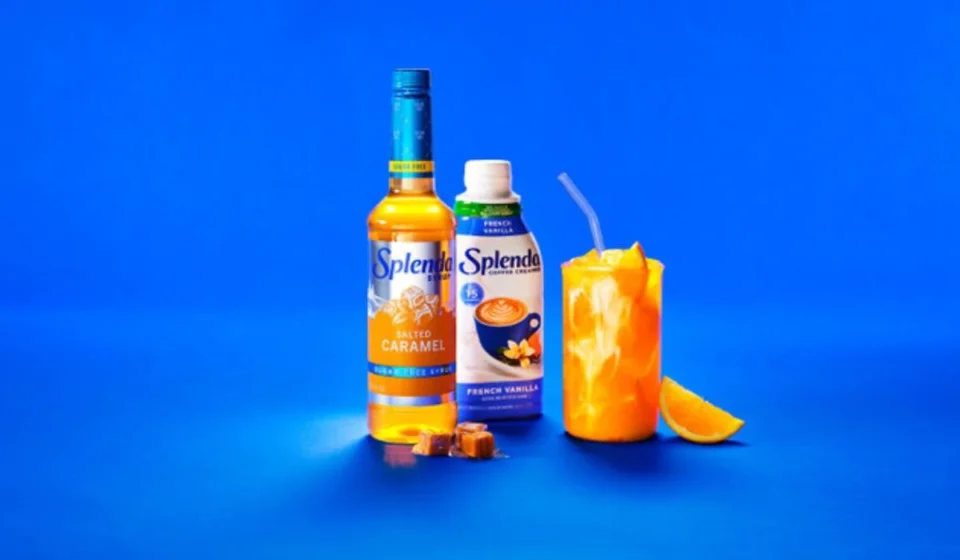
"Dirty soda"—typically defined as a carbonated soft drink spiked with flavored syrups and creamers—has long been associated with high-calorie, high-sugar indulgence. However, the market is pivoting. By utilizing Splenda’s line of zero-sugar creamers and syrups in conjunction with diet soft drinks, operators can replicate the complex, creamy flavor profiles of traditional dirty sodas while stripping away the excess sugar.
This is not merely a product update; it is a strategic response to a fundamental change in how the American public defines "treats." By leveraging brand recognition from a trusted industry giant like Splenda, operators can capture the health-conscious consumer without compromising on the addictive taste profile that drives repeat business.
Chronology: The Rise of the Dirty Soda
The trajectory of the dirty soda trend is a study in viral marketing and changing consumer tastes.
- Pre-2020: The Regional Niche: Dirty sodas were once confined largely to the Intermountain West, particularly Utah, where independent "soda shops" cultivated a cult-like following for their proprietary flavor combinations.
- 2021–2023: Digital Acceleration: Driven by TikTok and Instagram, the aesthetic appeal of customizable, colorful beverages propelled dirty sodas into the national consciousness. Gen Z and Millennial demographics adopted the trend, driving demand for "customizable sips."
- May 2026: The Data Inflection Point: Datassential reported a 98 percent year-over-year growth in menu mentions for dirty sodas, signaling that the trend had moved from a social media curiosity to a mainstream requirement for competitive foodservice menus.
- Late 2025–2026: The Splenda Integration: Recognizing the tension between the "dirty" indulgence and the "zero-sugar" lifestyle, Splenda solidified its market leadership in the zero-sugar segment by launching a comprehensive suite of creamers and syrups designed specifically for the professional beverage industry.
Supporting Data: Why Zero-Sugar is Non-Negotiable
The numbers paint a clear picture for foodservice operators: if you are not offering a zero-sugar path to indulgence, you are losing market share.
- The Sugar Avoidance Metric: The 77 percent figure from the 2024 IFEC Consumer Study is a watershed number. It indicates that sugar reduction is no longer a "niche" dietary preference for those with medical conditions; it is a mass-market mandate.
- The Velocity of Growth: The 98 percent increase in menu mentions (Datassential, 2026) is one of the fastest growth rates for any single beverage category in the last decade. This suggests that operators who adopt these menu items early are positioning themselves as trend-setters, while those who wait may find themselves playing catch-up in an oversaturated market.
- Brand Authority: With Splenda holding the top position in the Brand Power Study of 2025, the partnership between the operator and the supplier is built on pre-existing consumer trust. Using a generic or unbranded syrup can lead to consumer skepticism regarding taste, whereas using an established leader like Splenda removes the "chemical" stigma often associated with sugar substitutes.
Official Responses and Strategic Implications
How Operators are Responding
Leading restaurant chains and independent cafes are integrating these solutions to combat the "sweetness fatigue" that plagues many traditional menus. By offering a "Zero-Sugar Dirty Soda" menu, operators can increase their average ticket size—consumers are often willing to pay a premium for customized, health-conscious, artisanal beverages.
The Splenda Advantage
The strategy behind the Splenda rollout is to provide a "plug-and-play" solution. Operators do not need to overhaul their kitchen infrastructure to offer these items. By substituting standard syrups with Splenda’s professional-grade syrups and incorporating their zero-sugar creamers, a restaurant can turn a standard diet cola into a high-margin, trending beverage in seconds.
"We are empowering the operator to say ‘yes’ to the health-conscious customer," says a spokesperson for the brand. "The goal is to eliminate the ‘guilt factor’ that usually prevents a consumer from ordering a second drink or a decadent treat."
Implications for the Future of Foodservice
1. Menu Customization as a Competitive Moat
In an era where delivery apps and ghost kitchens have commoditized food, the "beverage experience" remains a key differentiator for brick-and-mortar establishments. The ability to offer a "Dirty Soda" that fits into a diabetic-friendly or keto-friendly lifestyle provides an immediate competitive advantage.
2. The Shift from "Diet" to "Better-for-You"
The term "diet" once carried a stigma of inferiority in taste. The current generation of zero-sugar ingredients, backed by the R&D of companies like Splenda, has largely bridged the flavor gap. This allows operators to market these drinks not as "diet sodas," but as "premium crafted beverages."
3. Operational Efficiency
The beauty of the dirty soda trend for operators is the high margin-to-labor ratio. The ingredients are shelf-stable, easy to store, and require minimal training to assemble. As labor costs continue to rise, the ability to generate revenue from high-margin, low-labor beverage additions is a vital component of a sustainable business model.
4. The Sustainability of Trends
Critics might argue that dirty sodas are a fad. However, the data suggests that while the "viral" aspect of the trend may eventually cool, the consumer desire for customizable, zero-sugar beverages is a permanent shift. The infrastructure built to support these drinks today will serve as the foundation for future beverage innovation.
Conclusion: Taking the Next Step
The numbers are unambiguous: 77 percent of your customers are looking for a way out of the sugar trap, and 98 percent growth indicates that the dirty soda is the vehicle they are choosing to get there. The question for foodservice operators is no longer whether to adopt this trend, but how quickly they can implement it to secure their market share.
For operators looking to capitalize on this shift, the barrier to entry has been removed. By requesting free samples and testing these flavor combinations, managers can begin to see firsthand how the integration of Splenda’s zero-sugar portfolio can transform their bottom line.
The future of the beverage industry is being written in the syrup dispensers and soda fountains of forward-thinking establishments. As the lines between "treat" and "health" continue to blur, those who provide the best of both worlds will emerge as the industry leaders of tomorrow.
Request your free sample now at HeartlandAwayFromHome/free samples and begin crafting the next generation of menu favorites today.
Disclaimer: Data referenced in this report is derived from the 2024 IFEC Consumer Study, Datassential (May 2026), and the 2025 Brand Power Study. All operators are encouraged to review product specifications and integrate these offerings according to their unique menu branding and customer demographics.