The Architecture of Empathy: How Heechan Kim’s ‘Loxo Chair’ is Redefining Sculptural Furniture

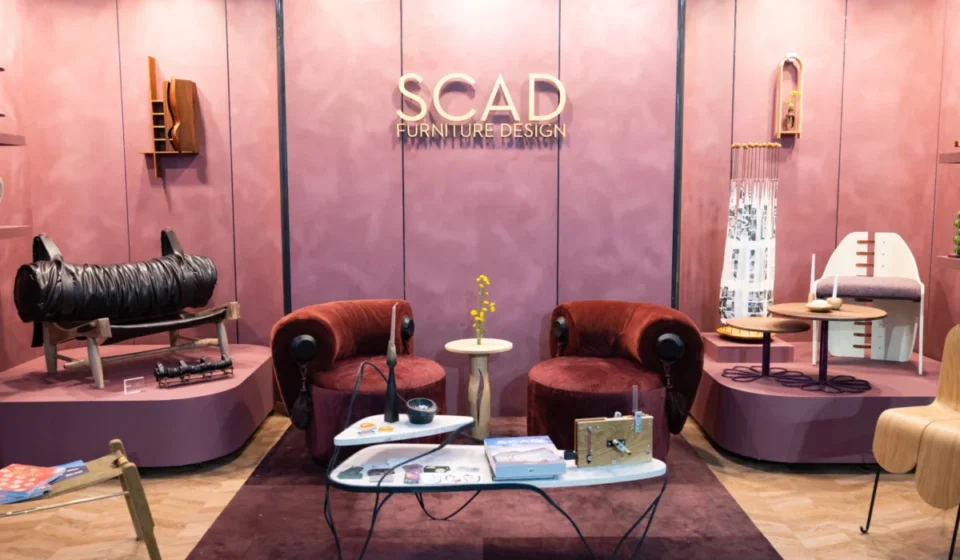
In the evolving landscape of contemporary furniture design, the boundary between fine art and utility is increasingly porous. At the intersection of these two worlds sits the "Loxo Chair," a provocative and comforting piece of seating design that recently captured the top honor at the prestigious WANTED Schools Showcase during this year’s International Contemporary Furniture Fair (ICFF). Created by Heechan Kim, an MFA candidate in Furniture Design at the Savannah College of Art and Design (SCAD), the chair represents a sophisticated synthesis of anatomical inspiration, sculptural rigor, and human-centric engineering.
The Core Concept: Engineering Comfort through Animal Archetypes
At its most fundamental level, the Loxo Chair—named after Loxodonta, the genus of the African elephant—is an exploration of emotional design. Rather than resorting to literal mimicry, where the chair might physically resemble the silhouette of an elephant, Kim sought to distill the animal’s presence into a sensory experience.
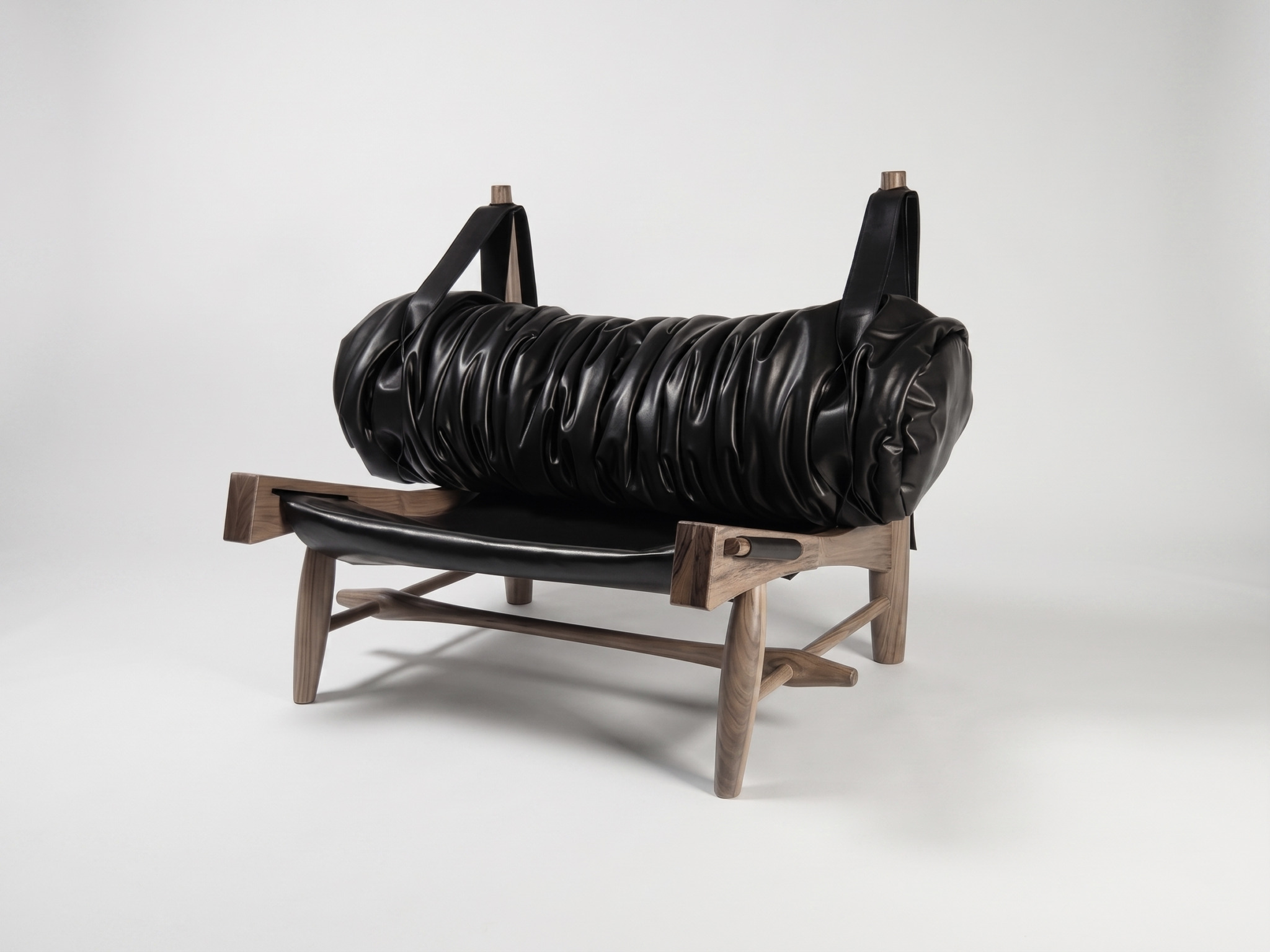
The design features a slender, meticulously crafted walnut frame that provides a refined, architectural counterpoint to a generously upholstered, oversized cylindrical bolster. This suspended cushion is the heart of the design; its weight and inherent softness convey a sense of gentle mass, mirroring the reassuring, grounded energy of a large, calm creature. The result is an object that feels simultaneously alien in its sculptural composition and deeply familiar in its physical invitation to rest.
Chronology: From Sculpture to Seat
Heechan Kim’s journey toward the Loxo Chair was not linear. Before delving into the world of furniture, Kim earned a BFA in Sculpture, an education that deeply informs his current practice. His transition into the design world was driven by a specific desire: he wanted his work to migrate from the sterile, untouchable environment of the gallery to the intimate, lived-in context of the everyday home.
The Genesis of the Idea
The catalyst for the Loxo project was a profound encounter with an elephant sculpture by the provocative contemporary artist Maurizio Cattelan. Kim found himself moved by the weight and the implicit "trust" that the presence of such a large, sentient being inspires. He began to ask a critical question: Could a piece of furniture act as an emotional anchor in a living space? Could it provide the same sense of reassurance one feels when in the presence of a gentle giant?
Iteration and Refinement
The Loxo Chair did not appear in its current form overnight. Like all high-level design projects, it underwent a rigorous process of prototyping and iteration. Working with the limitations of a student budget, Kim initially prototyped the design using faux leather. This phase was essential for identifying structural vulnerabilities and ergonomic challenges.

User testing proved to be the most vital stage of development. By observing how people interacted with the initial frame, Kim was able to refine the proportions of the bolster to ensure that the "visual unfamiliarity" of the piece did not become a barrier to comfort. Each adjustment—from the angle of the walnut support to the tension of the straps holding the bolster—was made to ensure that the chair remained a functional object, not just a static sculpture.
Supporting Data and Technical Nuance
The technical success of the Loxo Chair lies in its structural honesty. The U-shaped curve of the walnut frame is not merely a stylistic choice; it is a direct response to the physics of the design. As the heavy, suspended cushion settles, it exerts a specific amount of tension that the frame must accommodate.
The dialogue between the hard walnut and the soft, cylindrical volume creates a dynamic tension that defines the aesthetic of the piece. While the bolster is the focal point, the frame acts as the stabilizing force, demonstrating a high degree of craftsmanship and material sensitivity. According to design experts at ICFF, the chair’s success at the WANTED Schools Showcase was attributed to this balance: it does not sacrifice human ergonomics for the sake of an artistic statement, nor does it lose its sculptural identity in favor of utilitarian banality.

The Designer’s Philosophy: A Move Toward Production
For Heechan Kim, the recognition at ICFF was more than just a victory for a single project; it served as a validation of his career philosophy. "I became increasingly interested in moving beyond the creation of beautiful forms to consider how those forms could be used by people and influence their everyday lives," Kim noted in an interview following the ceremony.
This philosophy is central to his current focus on "designed for production." Kim is acutely aware that for a piece to be truly successful in the modern design market, it must be scalable without losing its soul. He is currently exploring the use of high-performance natural leathers and sustainable materials to ensure that the chair is as durable as it is aesthetically compelling.
Official Reflections on the Award
Receiving the Best of Students award at the WANTED Schools Showcase is a significant milestone for any emerging designer. For Kim, it provided the confidence to transition from the protected, exploratory environment of SCAD into the competitive reality of professional furniture design. It signaled that his unique approach—using sculpture as a vehicle for emotional connection—is not just an academic exercise, but a viable path for the future of interior design.

Implications for the Future of Design
The success of the Loxo Chair points to a broader trend in the design industry: a move away from the hyper-minimalism of the past decade toward work that prioritizes human emotion, tactile engagement, and organic, archetypal forms.
Bridging the Gap
By bridging the gap between sculpture and functional furniture, Kim is tapping into a market that values narrative-driven design. Consumers are no longer looking for mere objects to fill a space; they are looking for objects that enhance the quality of their domestic experience. The Loxo Chair succeeds because it offers an "unfamiliar" aesthetic that encourages curiosity, followed by a "familiar" physical experience that encourages relaxation.
The Road Ahead
As Kim moves into the next phase of his career, he is working on a full collection that continues to explore these themes. His goal is to maintain a "strong sculptural identity" while ensuring that every piece remains functional for the rigors of daily life. If his trajectory continues as it has, we can expect his upcoming work to continue pushing the boundaries of what furniture can communicate.

The Loxo Chair serves as a case study for the next generation of designers: it proves that one can be both an artist and an industrial designer, provided that the focus remains firmly on the user’s experience. Whether in a high-end gallery or a private living room, the chair stands as a testament to the idea that great design does not just hold our bodies—it holds our emotions, offering a sense of stability and comfort that is as enduring as the animal that inspired it.
For those interested in following Heechan Kim’s ongoing professional journey and the development of his upcoming collection, more information can be found on his official website or via his Instagram profile.