
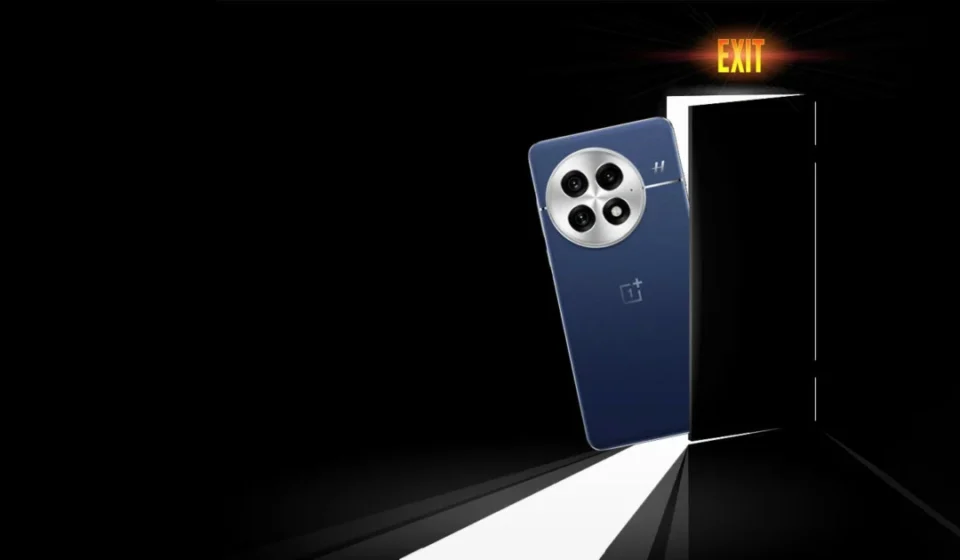

The smartphone landscape is undergoing a tectonic shift. As of July 2026, the industry is reeling from the official confirmation that OnePlus—once the quintessential "flagship killer"—is withdrawing from the North American and European markets. For a brand that built its entire identity on challenging the status quo and offering premium specifications at disruptive price points, this exit marks the end of a transformative chapter in mobile technology. While the OnePlus brand will continue to operate in key Asian markets and other regions, its departure from the West leaves a vacuum in a market already heavily consolidated by a few dominant players.
The Writing on the Wall: A Strategic Retreat
The decision to pull out of the U.S., Canada, and Europe did not happen in a vacuum. For years, the integration between OnePlus and its parent company, Oppo, had become increasingly transparent. As the two entities merged their R&D, software development, and supply chains, the unique identity that once separated OnePlus from the broader Oppo ecosystem began to erode.
In recent years, the brands shared nearly identical hardware foundations and software overlays, often cannibalizing each other’s market share in territories like India and parts of Europe. By retreating from Western markets, Oppo is effectively consolidating its resources, choosing to prioritize its own flagship branding while relegating the OnePlus name to a secondary status focused on more affordable, niche product lines elsewhere. For the average consumer in North America, this marks the end of a decade-long experiment in high-performance, cost-effective hardware.
A Chronology of Disruption: From Invitations to Innovation
To understand the magnitude of this exit, one must look back at the company’s meteoric rise. Founded in December 2013, OnePlus burst onto the scene with the OnePlus One. Its "invite-only" system was a masterstroke of marketing and supply chain management, creating a sense of exclusivity that allowed a startup to compete with giants like Samsung, LG, and the now-defunct mobile arms of HTC and BlackBerry.

The Flagship Evolution
- 2014: The OnePlus One launches, offering top-tier specs for a fraction of the price of established flagships.
- 2019: The OnePlus 7 Pro arrives, signaling the company’s transition from a budget-friendly enthusiast brand to a serious contender in the premium flagship space. This device set a new bar for display technology and camera performance.
- 2021: The partnership with Hasselblad begins, signaling a major push into professional-grade mobile imaging.
- 2025: The OnePlus 13 debuts, garnering critical acclaim for its refined camera system and the introduction of MagSafe-style magnetic accessories to the Android ecosystem.
- Late 2025: The OnePlus 15 is released, notably lacking the Hasselblad branding. This omission served as the first public signal of a fractured relationship between the two entities and a looming existential crisis for the brand.
Supporting Data: The Carrier Conundrum
One of the most persistent hurdles for OnePlus in the West was the "carrier wall." Unlike markets in Asia, where the retail model is driven by unlocked devices, the North American market is heavily subsidized and controlled by major carriers.
For the vast majority of U.S. and Canadian consumers, buying a phone means walking into a store and selecting a device from an inventory curated by a wireless provider. OnePlus rarely secured a sustained, meaningful presence within these carrier lineups. Without the institutional backing of major providers like Verizon, AT&T, or Canada’s "Big 3," OnePlus was forced to rely on direct-to-consumer sales via Amazon and its own website.
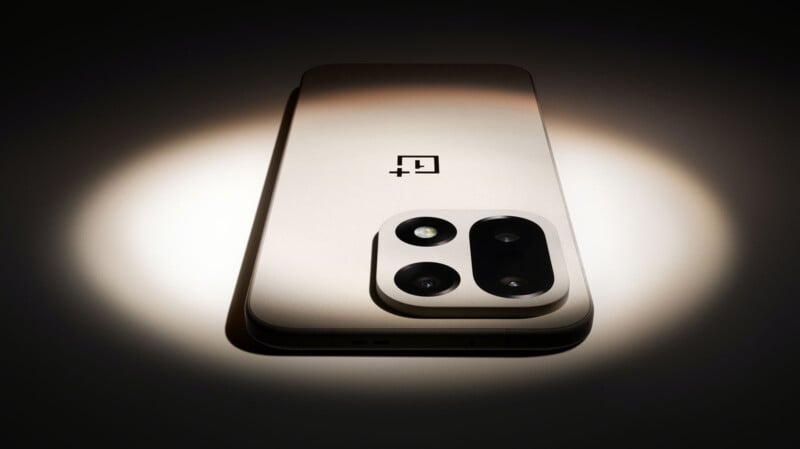
Data shows that the absence of carrier subsidies creates a significant barrier to entry for expensive flagship devices. When a consumer can purchase a Samsung Galaxy or an iPhone for $0 down on a monthly installment plan, a $900 "pay-in-full" OnePlus phone becomes a much harder sell, regardless of how superior its specs may be. This lack of retail integration meant that, for many average consumers, OnePlus was essentially invisible.
The Impact on Innovation: Why It Matters
While the departure of a brand might seem like a mere business headline, the implications for the wider smartphone market are significant. OnePlus was a primary catalyst for several industry-wide improvements:
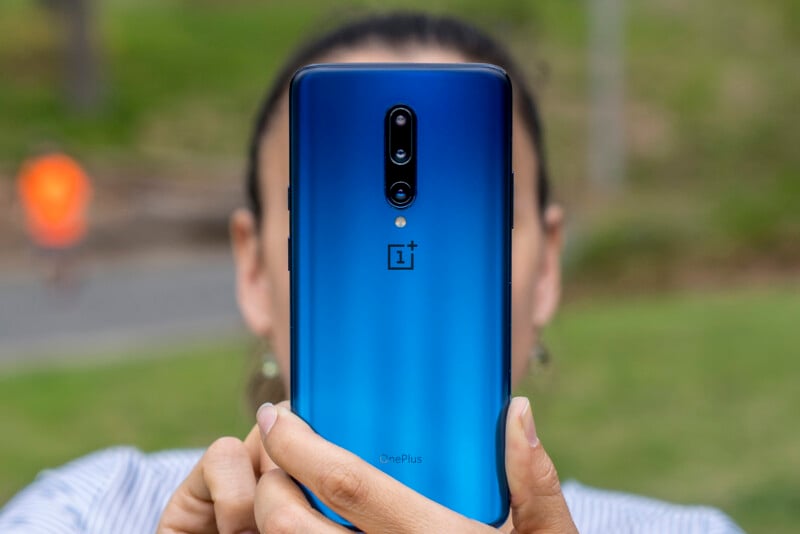
- High-Refresh-Rate Displays: OnePlus was among the first to standardize 90Hz and 120Hz refresh rates, forcing competitors to abandon 60Hz panels to remain relevant.
- Fast Charging: Long before Apple or Samsung felt the pressure, OnePlus was delivering 65W and 100W charging, including the charging brick in the box. This normalized the idea that a phone should charge in under 40 minutes.
- Software Cleanliness: OxygenOS was widely considered the "gold standard" of Android skins—offering the customization users wanted without the bloatware that plagued other manufacturers.
- Competitive Pressure: By constantly offering "more for less," OnePlus forced the giants to justify their pricing. When a $700 OnePlus phone could capture photos and offer performance on par with a $1,200 competitor, it sparked a necessary conversation about value that benefited all consumers.
Official Responses and User Support
In the wake of the announcement, OnePlus has moved quickly to reassure its existing customer base in the affected regions. The company stated that it is not abandoning its current users, noting that:
- Software Updates: Existing devices will continue to receive promised security patches and system updates.
- Warranty and Repairs: The official website will remain active for support, and existing warranties will be honored. However, industry analysts remain skeptical about the long-term logistics of this, particularly regarding authorized repair centers in North America where Oppo has no physical footprint.
- The Transition: Users on eligible devices may see options to transition to Oppo’s ColorOS. While this is not mandatory, it suggests a complete folding of the OnePlus software infrastructure into the broader Oppo ecosystem.
The Broader Implications: A Stagnant Market
The exit of OnePlus serves as a grim reflection of the current state of the Western smartphone market. With LG, HTC, and others gone, and OnePlus now following suit, the market has become a duopoly of Apple and Samsung, with Google acting as a distant third.

This consolidation is, by definition, anti-competitive. When there are fewer players, there is less incentive to push the boundaries of design or pricing. The "wall of ignorance" described by industry experts—where retail staff push only the two or three most popular brands—has effectively stifled the kind of disruption that once characterized the early 2010s.
Conclusion: A Legacy of "Never Settle"
The slogan "Never Settle" defined a decade of tech enthusiasm. Even as the brand faced its final days in the West, it left a lasting footprint. It pushed the boundaries of camera software, popularized ultra-fast charging, and gave Android enthusiasts a reason to get excited about hardware again.
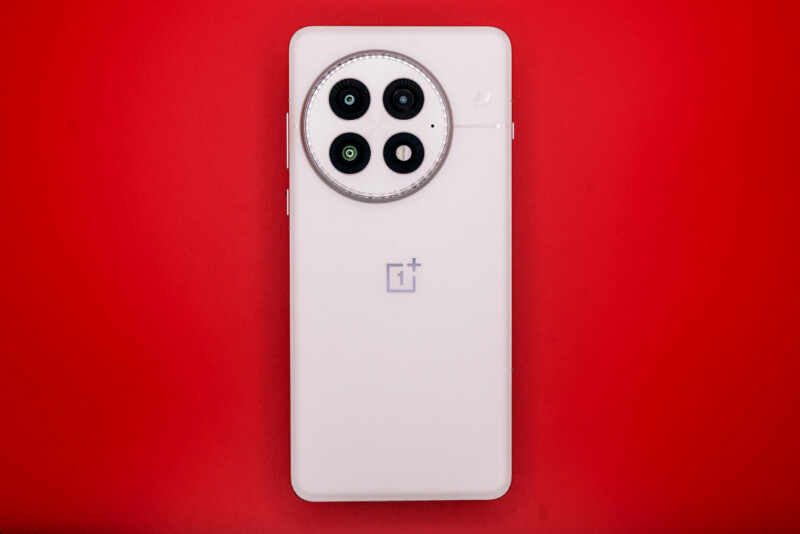
As we look toward the future, the absence of OnePlus will be felt not just by the loyalists who bought their devices, but by every consumer who enjoyed the benefits of a more competitive, innovative market. The "flagship killer" may have left the building, but the standards it set for performance and pricing remain the yardstick by which the remaining giants will continue to be measured. For now, the party is over, and the market is undoubtedly quieter—and significantly less interesting—for it.