

In the vast lexicon of mixology, few drinks are as deceptively simple or as historically significant as the Screwdriver. Comprised of nothing more than vodka and orange juice, this cocktail serves as a cornerstone of modern bar culture. While skeptics often dismiss it as a primitive "beginner" drink, those who appreciate the nuances of balance and proportion recognize it as a masterclass in minimalist design. When executed correctly, the Screwdriver is a refreshing, vibrant, and sophisticated staple that has weathered decades of changing palates.
Main Facts: The Anatomy of a Classic
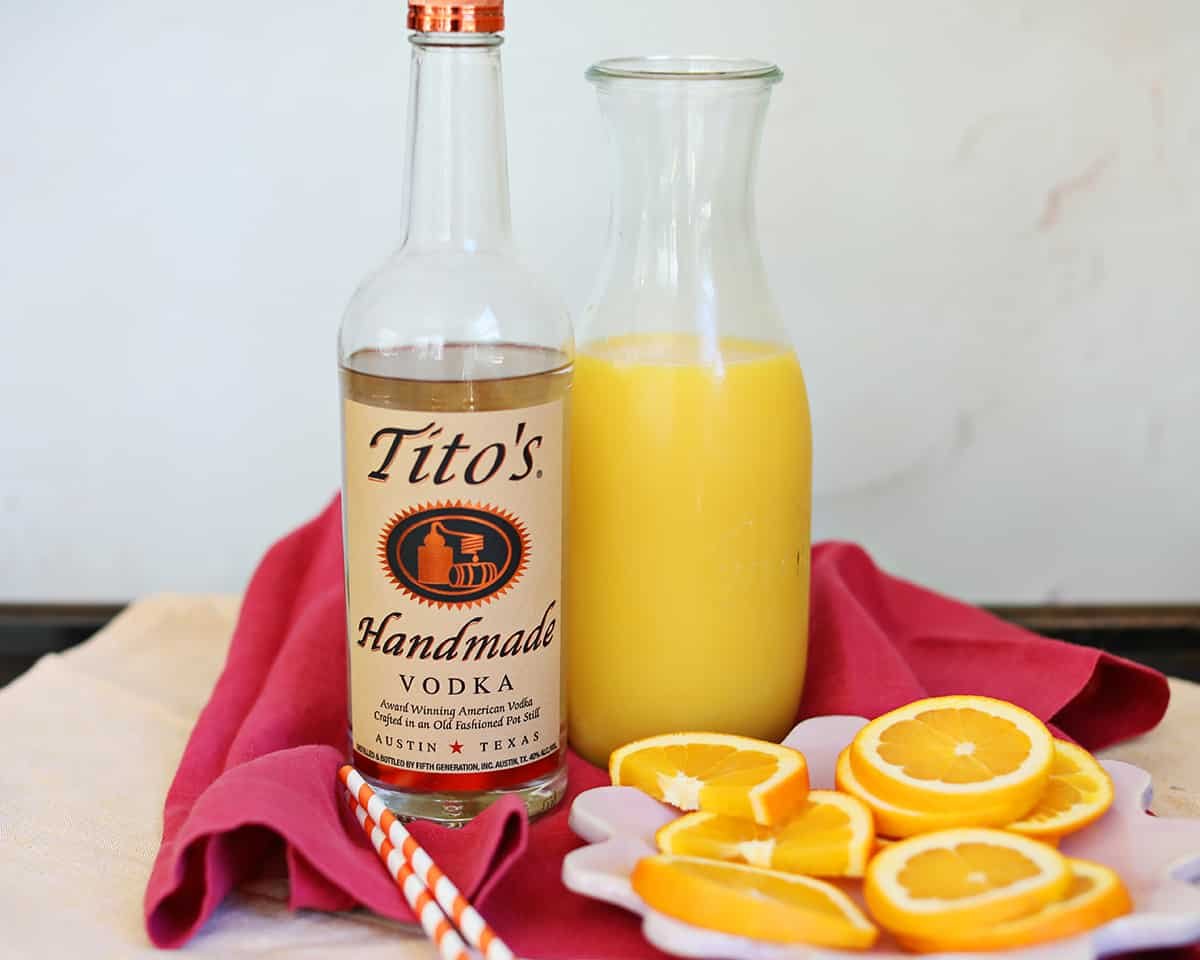
At its core, the Screwdriver is an exercise in restraint. The recipe requires only two primary components: high-quality vodka and freshly squeezed orange juice. However, the simplicity of the ingredient list is precisely why the preparation is so critical.
The standard professional ratio is two ounces of vodka to five or six ounces of orange juice, poured over fresh ice in a chilled Collins glass. The interplay between the neutral, clean bite of the vodka and the bright, citrusy acidity of the orange juice creates a flavor profile that is both stimulating and approachable.
The key to a superior Screwdriver lies in the quality of the juice. While shelf-stable, pasteurized juice is a common fallback, true aficionados emphasize that the drink is transformed by the use of freshly squeezed Navel or Valencia oranges. The essential oils released from a fresh orange rind, coupled with the natural pulp, provide a texture and aromatic complexity that processed juices simply cannot replicate.

Chronology: From Industrial Ingenuity to Cocktail Culture
The origins of the Screwdriver are as rugged as its name suggests, though the historical record is shrouded in anecdotal folklore. The most persistent narrative dates back to the World War II era. According to industry lore, American soldiers stationed in the Middle East—specifically in the Persian Gulf—found themselves with access to vodka but lacking the mixers common in the Western world. To improve the palatability of the spirit, they purportedly mixed it with canned orange juice.
A more colorful, albeit equally unverified, origin story points to the mid-1940s in the American industrial sector. It is often cited that oil workers in the Persian Gulf, who had access to alcohol, would secretly spike their orange juice with vodka during their shifts. Lacking a traditional bar spoon or swizzle stick, these laborers allegedly used their standard-issue tools—the eponymous screwdriver—to stir the mixture. Whether born of wartime necessity or manual labor, the name stuck, capturing the blue-collar, unpretentious spirit of the drink.
By the 1950s, the cocktail had made its way from the dusty outposts of the world to the sophisticated cocktail lounges of the United States. During this period, the American liquor market was dominated by gin and whiskey, and vodka was a relatively obscure spirit. It was the marketing genius of companies like Smirnoff that truly propelled the Screwdriver into the national consciousness. By framing the Screwdriver as an exotic, "breathless" cocktail that left no tell-tale scent of alcohol, advertisers helped transition vodka from a niche import to the best-selling spirit in America.
Supporting Data: The Vodka Revolution
The rise of the Screwdriver is inextricably linked to the meteoric growth of the vodka industry in the latter half of the 20th century. Market data from the mid-1950s shows that vodka consumption in the U.S. was negligible prior to the mid-century surge. By the 1970s, however, vodka had overtaken gin, and eventually, whiskey, to become the primary spirit of choice for American consumers.
The Screwdriver served as the "gateway cocktail" for this transition. Unlike the complex, botanical-heavy profile of gin or the barrel-aged depth of whiskey, vodka’s neutral profile allowed the orange juice to shine, making it the perfect vehicle for a population just beginning to explore the versatility of the spirit.
From a nutritional perspective, the Screwdriver is often categorized as a "brunch" cocktail. Because orange juice is rich in Vitamin C and natural sugars, the drink provides a quick energy spike, which—when consumed in moderation—made it a socially acceptable accompaniment to weekend mornings. Modern health-conscious trends have led to the rise of "fresh-pressed" versions, where the addition of electrolytes or lower-sugar, high-fiber juices has kept the drink relevant even among health-focused demographics.
Official Perspectives: The Professional View
For professional bartenders, the Screwdriver is a test of consistency. "The biggest mistake people make is ignoring the ice," says veteran mixologist Marcus Thorne. "Because there are only two ingredients, the dilution rate is everything. If you use small, soft ice, the drink waters down too quickly, turning a vibrant citrus cocktail into a flat, watery mess. You want large, hard cubes to keep the temperature low and the dilution slow."
Industry experts also note the importance of glass choice. The Collins glass, tall and slender, is the industry standard for a reason. Its shape minimizes the surface area exposed to the air, which helps retain carbonation (if one chooses to add a splash of club soda) and keeps the drink cold from the first sip to the last.
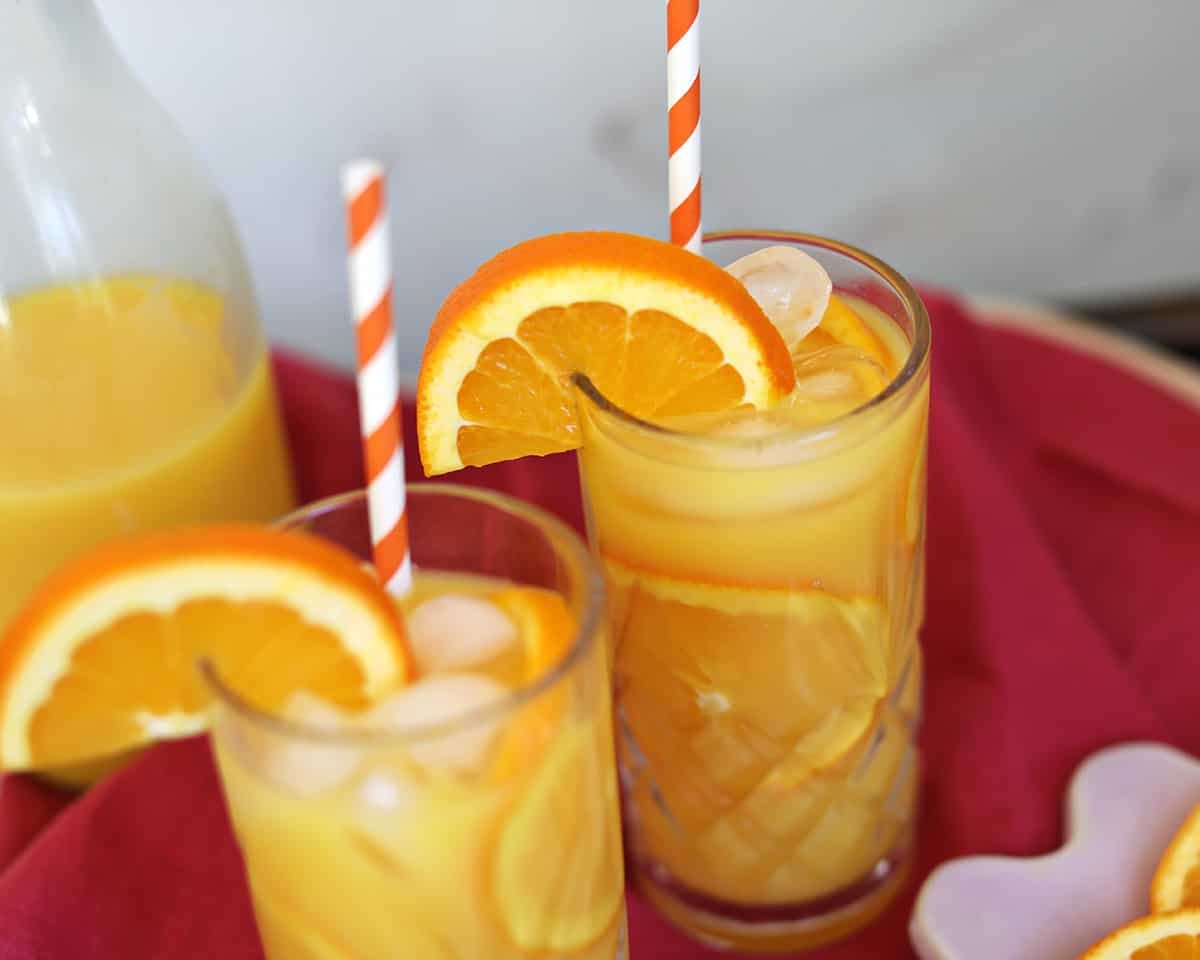
Furthermore, the "garnish debate" has become a point of contention among purists. While the traditionalist argues that the drink requires no adornment, modern mixology trends lean toward an orange wheel or a sprig of fresh mint to provide an aromatic lift. The consensus among top-tier establishments is that if a garnish is used, it must be functional—meant to provide a scent of orange peel as the guest lifts the glass to their lips.
Implications: The Future of the Simple Cocktail
The longevity of the Screwdriver highlights a profound shift in consumer behavior. In an era where "mixology" often implies overly complicated recipes with twenty ingredients and artisanal bitters, the Screwdriver remains a powerful reminder of the "less is more" philosophy.
The implications for the industry are clear: simplicity sells. As cocktail culture continues to evolve, there is a recurring cycle of returning to the basics. The Screwdriver has successfully navigated the transition from a post-war curiosity to a standard-bearer of American drinking culture. It has survived the era of disco-heavy, sugary concoctions and the subsequent "craft cocktail" boom.
Looking forward, the Screwdriver is likely to continue its evolution through ingredient sourcing. We are already seeing the emergence of "Screwdriver bars" that offer menus featuring specific varietals of oranges—such as Blood Orange, Cara Cara, or Seville—paired with high-end, craft-distilled vodkas. This elevation of the base ingredients ensures that the classic recipe remains sophisticated enough for a modern palate while retaining the nostalgic charm that made it a legend in the first place.

Conclusion: A Timeless Staple
Whether it is the simplicity of the build, the refreshing nature of the flavor, or the fascinating, grit-filled history of its origins, the Screwdriver is much more than a "vodka and OJ." It is a cultural artifact that reflects the American mid-century obsession with convenience, the industrial spirit of the era, and the eventual rise of the vodka market.
To make a perfect Screwdriver is to respect the integrity of the ingredients. By sourcing the freshest fruit, choosing a clean, high-quality spirit, and paying close attention to the temperature of the ice, the home bartender can craft a drink that is not only historical but genuinely delightful. It remains the gold standard for the two-ingredient cocktail, proving that in a world of complexity, sometimes the best answer is the most direct one.