
The FCC’s Crackdown on "Ghost Brands": Escalating Tensions in the U.S. Tech Market

The Federal Communications Commission (FCC) has launched an unprecedented regulatory offensive, signaling a new, aggressive stance toward foreign-manufactured consumer electronics. In a move that sends shockwaves through the photography and drone industries, the Commission is actively moving to retroactively ban a suite of products marketed by companies suspected of acting as conduits for restricted DJI technology.
This development represents the first time the FCC has utilized newly granted powers to revoke equipment authorizations for products already circulating in the U.S. market, citing “unacceptable national security risks.”
Main Facts: The "Ghost Brand" Strategy
The core of the FCC’s latest maneuver involves identifying “shell” or “proxy” brands that distribute hardware nearly identical to products from DJI, the Chinese drone and camera giant that has faced mounting scrutiny from U.S. regulators.
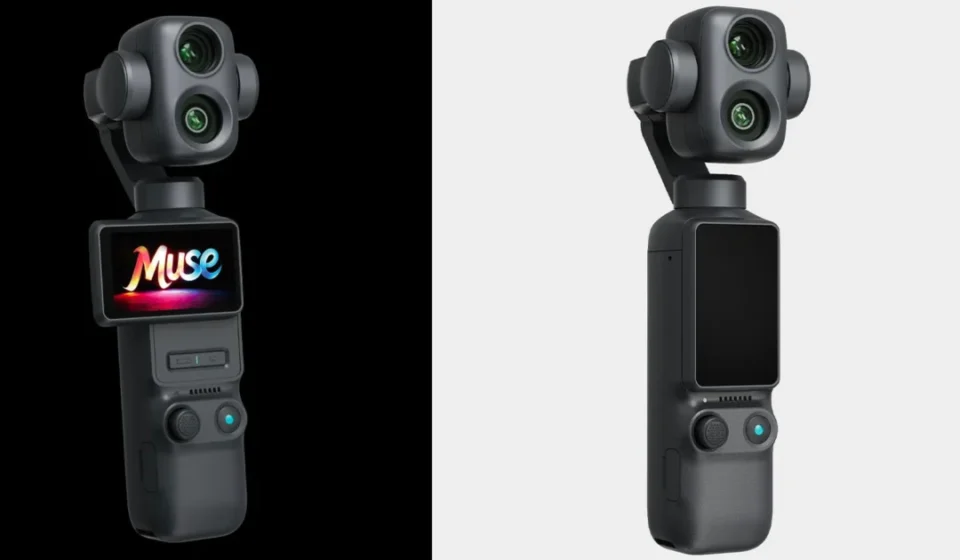
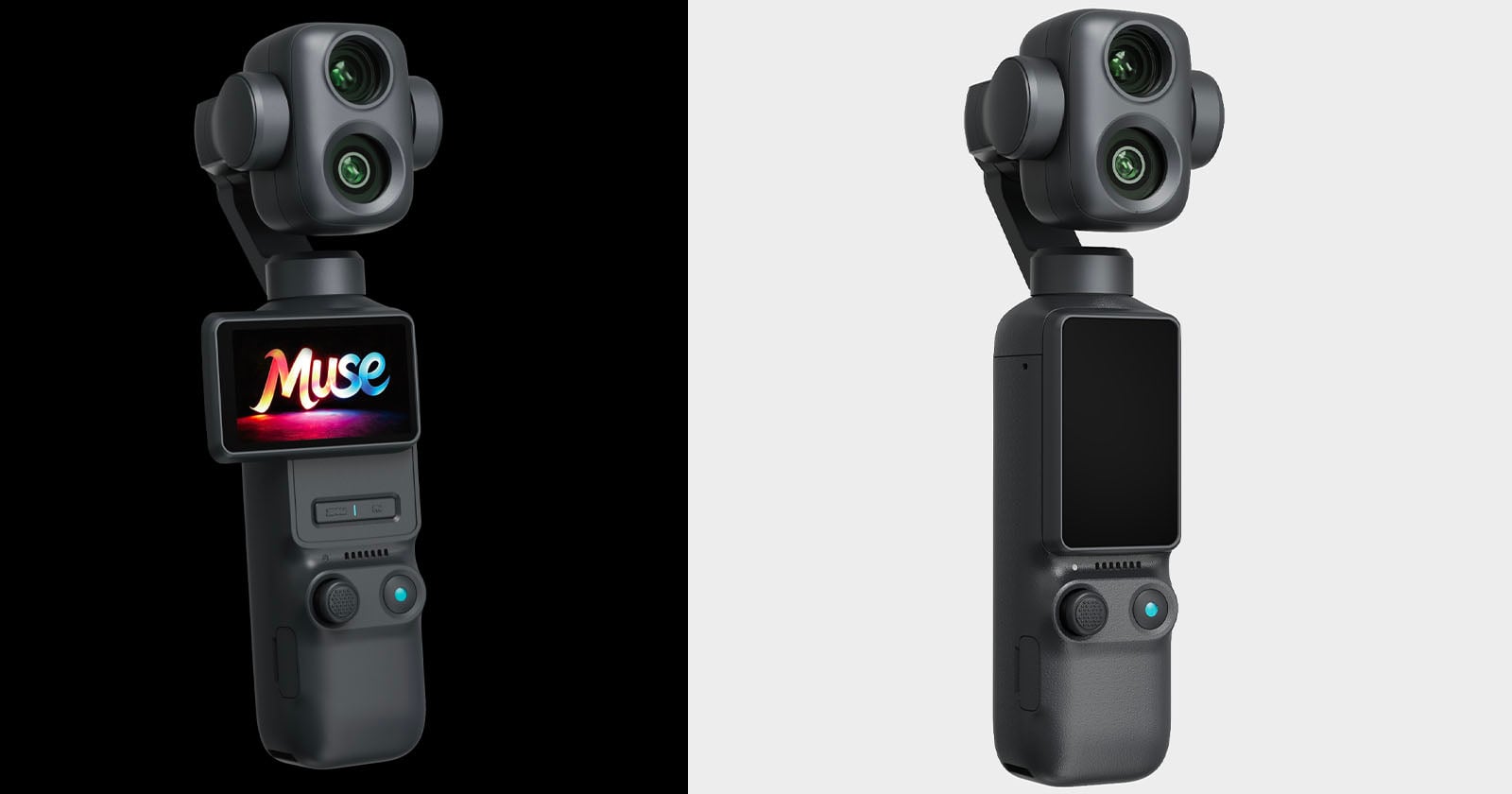
Central to this controversy is the Xtra Muse 2 Pro, a handheld gimbal camera that industry observers—and technical teardowns—have noted is indistinguishable from the DJI Osmo Pocket 4. While the Osmo Pocket 4 is effectively barred from the U.S. market, the Xtra Muse 2 Pro has been readily available on major e-commerce platforms, often positioned as a budget-friendly alternative that undercuts competitors by hundreds of dollars.
The FCC has identified a cohort of nine specific entities—Cogito, Fikaxo, Lyno Dynamics, Skyhigh Tech, Spatial Hover, SZ Knowact, WaveGo, Xtra, and XAG—as targets for this ban. The Commission’s rationale is that these companies are not merely independent manufacturers but are effectively white-labeling or rebranding restricted DJI technology to bypass existing trade and security restrictions.
Chronology: A Timeline of Regulatory Friction
The path to this current standoff has been paved with years of escalating trade tensions and legislative ambiguity.
- Late 2024: Following intense lobbying and congressional pressure, the U.S. government mandated a formal security audit of DJI products. This audit was intended to establish a framework for the company’s continued operation in the U.S.
- Throughout 2025: Despite repeated public requests and legal petitions from DJI to initiate the mandated audit, federal agencies remained silent. The audit never materialized, leaving DJI in a state of regulatory limbo.
- October 2025: The FCC formally voted to grant itself the authority to retroactively revoke equipment authorizations for products that are later deemed to pose a national security risk.
- July 2026 (Early): The FCC issued $25,000 fines to eight companies for their failure to comply with formal inquiries regarding their operational structure and supply chain transparency.
- July 2026 (Present): The FCC has moved to exercise its retroactive ban powers for the first time, initiating a 30-day public comment period to formalize the removal of these devices from the U.S. ecosystem.
Supporting Data: The Case of the Xtra Muse 2
The Xtra Muse 2 Pro serves as a textbook example of the cat-and-mouse game being played between regulators and international manufacturers. Priced at a significant discount—often $700 cheaper than the competing Insta360 Luna Ultra—the device offers a premium feature set that rivals, and in some cases mimics, the proprietary software and hardware design of the DJI Osmo series.
The technical similarity is not merely aesthetic. Internal hardware configurations, button layouts, and proprietary sensor integrations have led experts to conclude that these products share a common engineering origin. For the FCC, the issue is not just the hardware itself, but the lack of transparency regarding the software backends and data handling protocols. By rebranding the hardware, these firms attempt to obscure the provenance of the device, effectively circumventing the "blacklist" status that has restricted DJI’s market access.
The SGS-CSTC Shenzhen Connection
Beyond the hardware manufacturers themselves, the FCC is targeting the infrastructure of certification. The Commission recently announced the "withdrawal of recognition" for SGS-CSTC Shenzhen, a major Chinese testing laboratory. Under U.S. regulatory standards, foreign labs must prove independence from state influence. While SGS-CSTC disclosed that the Chinese state owns a 15% stake in its operations, U.S. law dictates that any stake over 10% constitutes a "controlling influence," rendering the lab’s certifications invalid in the eyes of the FCC.
Official Responses and The Security Narrative
The FCC maintains that its primary objective is the protection of national security. Commissioner statements have consistently framed these products as potential conduits for data exfiltration. However, the agency’s stance has faced criticism from legal scholars and industry analysts who point to a lack of publicly available, forensic evidence linking specific consumer-grade handheld cameras to state-sponsored espionage.
DJI, for its part, has maintained that its products are designed for civilian use and that it has been denied due process. Throughout 2025, the company issued multiple press releases lamenting the U.S. government’s refusal to conduct the very security audit that would ostensibly settle the question of their safety.
"The lack of an audit process, coupled with retroactive bans, creates an unpredictable environment for both consumers and businesses," noted one industry analyst. "It turns the FCC from a technical regulator into an active participant in trade warfare."
Implications: The Consumer and the Future of Tech
For the Consumer
For those who have already purchased a device like the Xtra Muse 2 Pro, the current FCC ruling does not imply a confiscation or a "kill switch" mandate. Consumers will likely be able to continue using their devices. However, the long-term implications are significant:
- Software Support: If the companies are banned or forced to cease operations in the U.S., users should expect an immediate cessation of firmware updates, app support, and cloud services.
- Resale Value: The secondary market for these devices will likely collapse as they become "unsupported" hardware.
- Warranty Voidance: If a company is forced to exit the U.S. market, existing warranties will essentially become worthless.
For the Supply Chain
Retailers, including Amazon and other major U.S. distributors, face a looming inventory crisis. Devices currently sitting in warehouses may soon be classified as "non-compliant," forcing retailers to either destroy the stock or export it to non-regulated markets. This represents a massive financial write-off for companies that relied on these devices to fill the void left by the absence of major brands like DJI.
The "Public Comment" Precedent
The FCC has opened a 30-day window for public comment on this ban via its Electronic Comment Filing System (ECFS). However, the agency’s historical pattern suggests that this is largely a procedural formality. Public sentiment, while documented, rarely overrides the national security mandates established by the Commission’s leadership.
A New Era of Tech Protectionism
This move marks a shift in how the U.S. manages its technological ecosystem. By targeting the method of distribution—specifically the use of shell companies to evade sanctions—the FCC is signaling that it will no longer focus solely on the primary brand, but on the entire "shadow supply chain."
As the 30-day comment period progresses, the industry will be watching closely to see if any of the named companies attempt to mount a legal defense. If the FCC succeeds in this enforcement, it will set a powerful precedent, effectively granting the U.S. government the ability to unilaterally purge the domestic market of any technology it deems "suspicious," regardless of its labeling or the entity on the box.
The case of the Xtra Muse 2 is likely just the beginning. As hardware becomes increasingly modular and software increasingly proprietary, the struggle to define the origin of a device will define the future of international trade in the consumer technology sector for the remainder of the decade.