
In the world of mixology and home brewing, the difference between a mediocre beverage and a professional-grade masterpiece often lies in the smallest of details. For both the aspiring home bartender and the dedicated home barista, one foundational element stands above all others: the simple syrup. While often overlooked as a mere utility, mastering the science and application of this essential liquid sweetener is the first step toward elevating your craft to a professional level.
Simple syrup is the secret weapon behind the most iconic cocktails, cold-brew coffees, and artisanal teas. It is the bridge between bitter components and balanced flavor profiles, providing a seamless sweetness that integrates effortlessly into liquids without the gritty texture of undissolved granules.
Main Facts: The Anatomy of Simple Syrup
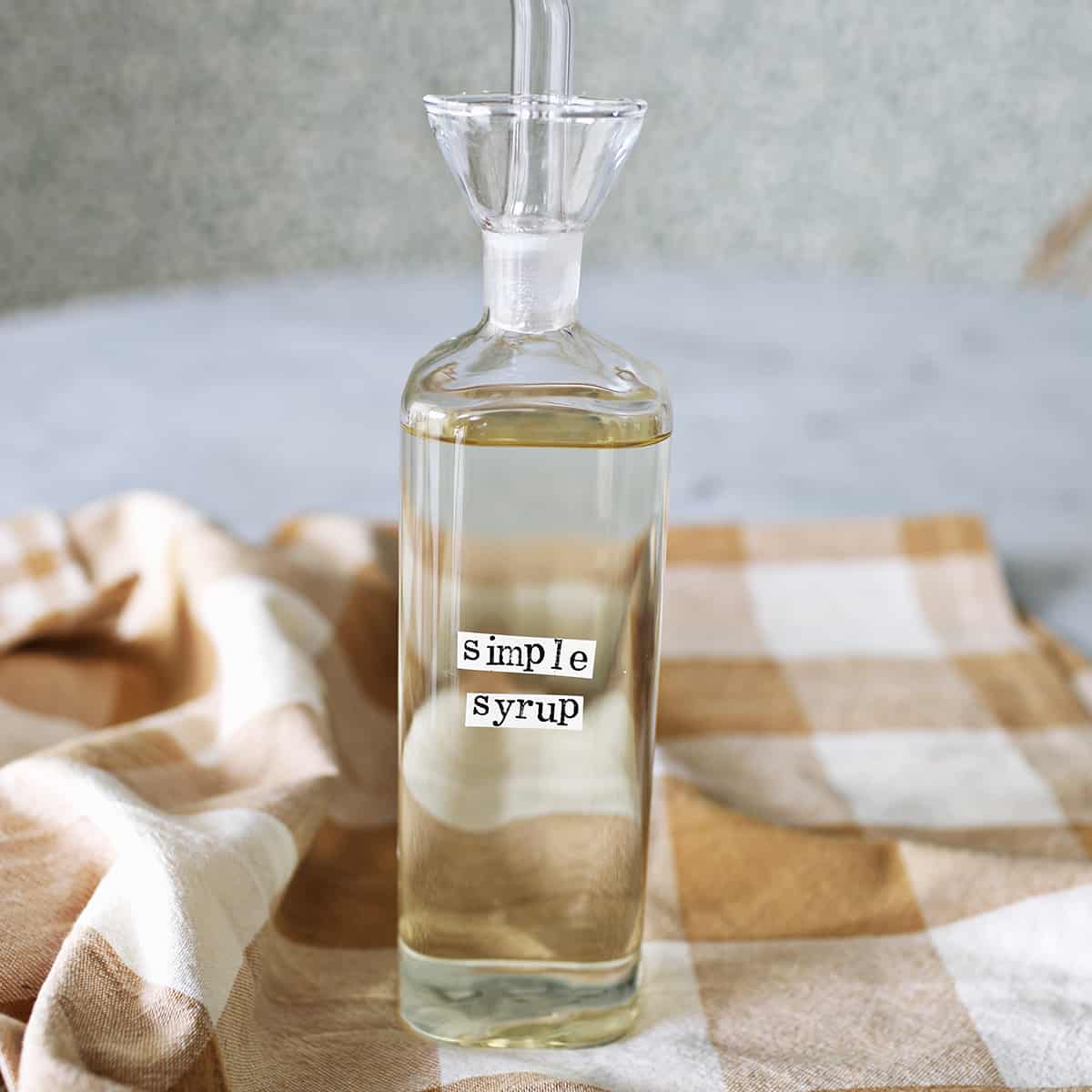
At its core, simple syrup is a culinary solution—a homogeneous mixture of water and sugar. The standard industry ratio, universally accepted by professionals, is 1:1. This means one part water to one part sugar by volume. When heated, the sugar crystals break down and dissolve into the water, creating a viscous, clear liquid that remains shelf-stable and ready for immediate use.
The primary function of simple syrup is to provide sweetness in environments where granulated sugar fails. Anyone who has attempted to sweeten a chilled iced coffee or a classic Mojito with white sugar knows the frustration of a sandy, undissolved sediment lingering at the bottom of the glass. Because simple syrup is already in a liquid state, it disperses instantly and evenly, ensuring that every sip is consistent.
Chronology: The Evolution of a Pantry Staple
The history of sugar-based syrups is as old as the art of distillation and beverage crafting. Throughout the 19th and early 20th centuries, as the cocktail renaissance took hold in cities like New Orleans, London, and New York, bartenders required a consistent way to balance the harsh bite of early spirits.
Early recipes often called for sugar cubes soaked in bitters, but the industrialization of the bar industry necessitated a faster, more reliable method. The "simple" syrup—so named for its minimal ingredient list—became the standard. In the modern era, the rise of the "home barista" and the "craft cocktail" movement has seen this basic recipe expand into a complex world of infused syrups. What was once just white sugar and water has evolved into a creative playground involving botanical infusions, cold-pressed fruit reductions, and complex spice blends, mirroring the sophistication of modern mixology.
Supporting Data: Why Consistency Matters
From a technical standpoint, the preparation of simple syrup requires precision in heat management. The process is not about "cooking" the sugar to a specific chemical state, such as caramelization, but rather about achieving maximum solubility.
The Science of Solubility
When you heat water, the kinetic energy of the molecules increases, allowing more sugar to be dissolved than would be possible at room temperature. A 1:1 ratio is considered the "sweet spot." While some recipes call for a "rich" syrup (2:1 sugar to water), the standard 1:1 ratio provides the perfect viscosity for shaking and stirring.
Preservation and Shelf Life
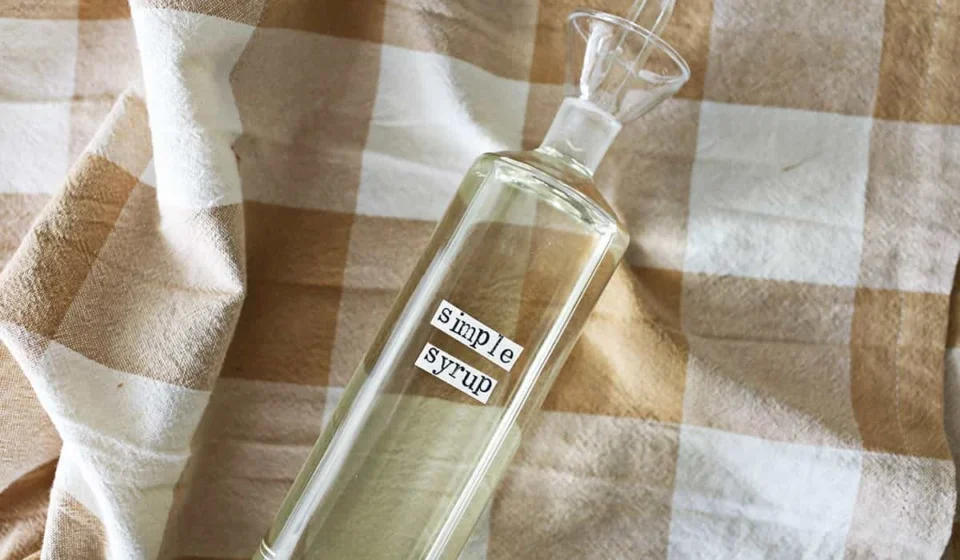
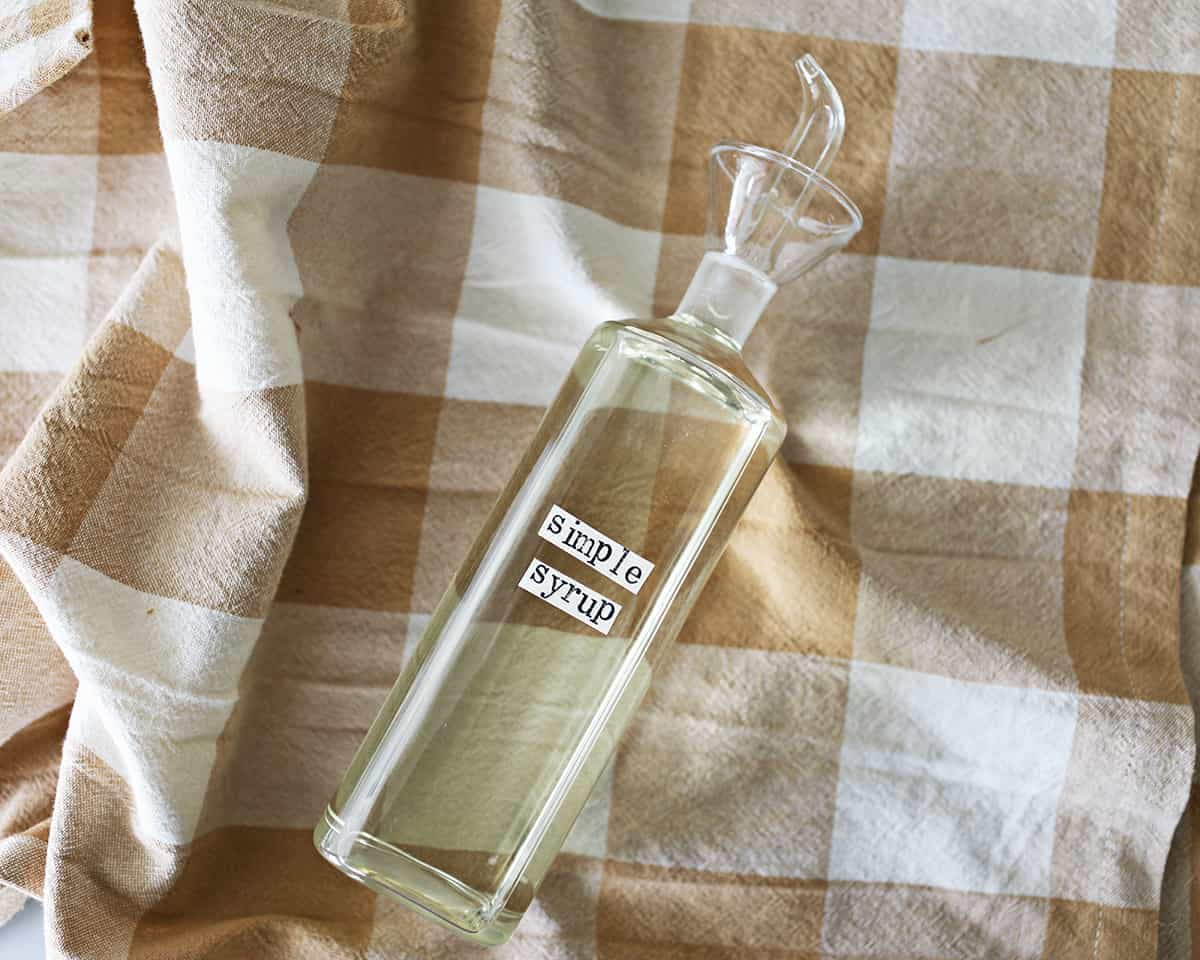
A primary concern for any home practitioner is the longevity of their ingredients. A standard 1:1 simple syrup, when stored in a sterile, airtight glass container in a refrigerator, will typically remain fresh for at least one month.
- Best Practices: Always use a clean, food-grade glass bottle. Avoid introducing impurities into the bottle (such as using a dirty spoon to measure out a portion).
- Signs of Spoilage: Should the syrup turn cloudy, develop sediment, or show signs of mold, it must be discarded immediately. While sugar acts as a natural preservative, it is not immune to fermentation or bacterial growth over extended periods.
Official Methodology: How to Prepare the Perfect Batch
To achieve a professional-grade result, follow this standardized procedure:
- Preparation: Use a clean, small saucepan. Measure equal parts of granulated white sugar and filtered water. Filtered water is recommended to avoid any off-flavors from minerals in tap water.
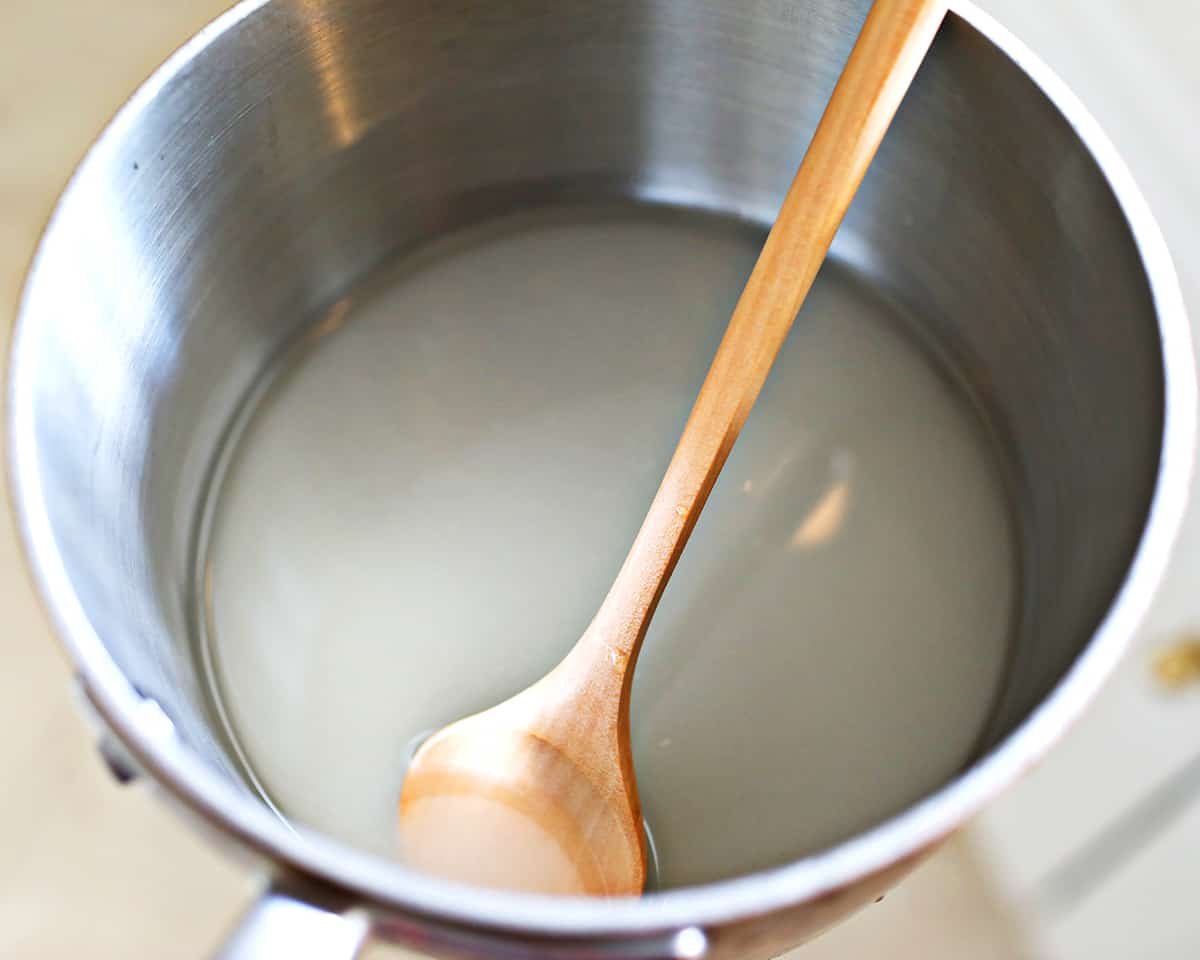
- The Heating Phase: Place the saucepan on the stove over medium-low heat. Do not rush this process with high heat.
- The Dissolution: Stir the mixture gently but consistently. You are looking for the point at which the liquid turns from cloudy to perfectly clear.
- Temperature Control: Do not boil. Allowing the mixture to reach a rolling boil can trigger the Maillard reaction or, if continued, turn the mixture into caramel. If your syrup begins to darken in color, you have exceeded the intended temperature.
- Cooling and Storage: Remove from the heat immediately upon dissolution. Allow the mixture to cool to room temperature before transferring it to a sterilized bottle.
Implications for Mixology and Baking
The versatility of simple syrup extends far beyond the bar. It is an indispensable tool in the kitchen, particularly for those who bake or prepare desserts.
Essential Applications
- Cocktails: A cornerstone of the Mojito, Tom Collins, Gimlet, and the classic Lemon Drop Martini.
- Coffee Culture: Essential for sweetening cold-brew coffees, where sugar would otherwise fail to dissolve.
- Culinary Uses: Used by pastry chefs to brush over sponge cakes to retain moisture, or as a base for fruit glazes and sorbets.
The Creative Frontier: Flavor Variations
Once the basic 1:1 ratio is mastered, the possibilities for customization are effectively limitless. By introducing aromatics during the heating phase, you can create complex, signature syrups:
- Herbal Syrups: Steep fresh mint, rosemary, or basil in the hot syrup, then strain.
- Spice Syrups: Add cinnamon sticks, star anise, or vanilla beans to create depth for autumnal cocktails or holiday coffee drinks.
- Fruit-Forward Syrups: Use fresh berries or citrus peels. Note that fruit-based syrups may have a shorter shelf life than plain syrup due to the introduction of organic matter.
Conclusion: Elevating Your Home Bar
Mastering simple syrup is the hallmark of a thoughtful host and a serious hobbyist. It is a humble, inexpensive, and highly efficient ingredient that serves as the foundation for endless creative expressions. When you stop relying on store-bought, often additive-heavy sweeteners and begin producing your own, you gain complete control over the flavor profile of your beverages.
The transition from a novice to a proficient mixologist is rarely marked by the purchase of expensive tools or rare spirits, but rather by the mastery of the basics. By focusing on the quality of your water, the precision of your ratio, and the cleanliness of your storage, you ensure that every drink you serve is balanced, professional, and uniquely your own.
Cheers to the simplicity of the craft, and to the countless beverages you will improve with this newfound expertise. Keep your bottle chilled, your ratios consistent, and your creativity flowing.