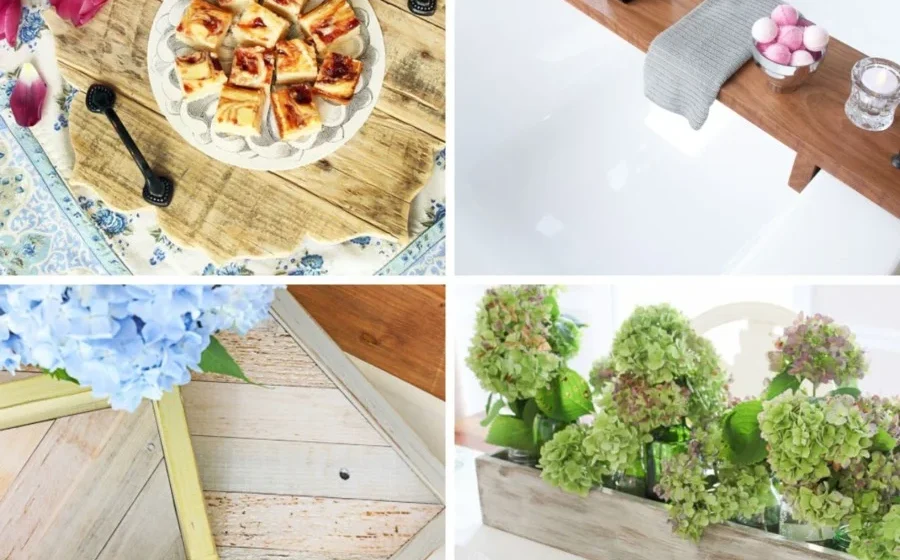

In an era dominated by mass-produced convenience and one-click online shopping, the act of giving has often become transactional. We trade currency for goods that feel increasingly sterile and impersonal. However, a growing movement of makers and thoughtful gift-givers is reclaiming the spirit of generosity through a return to craftsmanship. By repurposing simple supplies—ranging from scrap wood and vintage moulding to reclaimed pallets—individuals are creating "showstopping" gift trays and crates that carry a weight, warmth, and narrative that store-bought items simply cannot replicate.

The Shift Toward Meaningful Gifting
The psychology behind gift-giving is clear: the perceived value of a gift is not determined by its price tag, but by the intention behind it. When a recipient unwraps a hand-built crate or a bespoke serving tray, they are receiving more than an object; they are receiving the time, effort, and creative energy of the giver.

Handmade gift containers serve a dual purpose. They are, first and foremost, a vessel for the gift itself—whether it be bath products, gourmet treats, or tools for a hobby. Second, they are a durable, functional gift in their own right. A rustic caddy becomes a permanent fixture in a friend’s kitchen, and a vintage-style centerpiece crate transforms a dining room table. This functionality ensures that the memory of the gift persists long after the initial contents have been used.
Chronology of a Maker Trend
The DIY movement has evolved significantly over the last decade. In the early 2010s, the "upcycling" trend began as a niche interest, largely driven by environmental consciousness and the desire to save money by sourcing free materials like pallets and salvaged wood. By the mid-2010s, this evolved into a sophisticated aesthetic, with the "farmhouse" look popularized by home renovation media, leading to a surge in demand for rustic, wood-based decor.
Today, the movement has moved beyond mere necessity. It is now characterized by accessibility. Modern tutorials, such as those provided by Pretty Handy Girl, have democratized woodworking, proving that one does not need a professional-grade workshop or a lifetime of trade experience to produce high-quality, "expensive-looking" gifts. With basic tools, readily available lumber, and a touch of creativity, the average person can now replicate the high-end designs found in boutique home goods stores.
Supporting Data: The Value of Customization
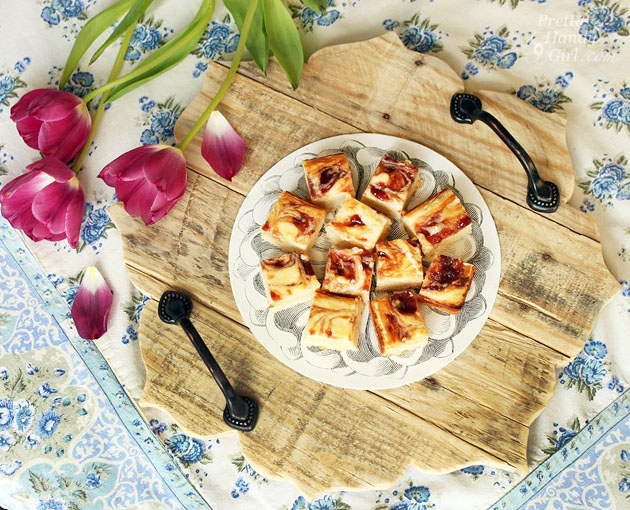
What makes these projects so effective? It is the ability to tailor a design to a specific recipient. Data from hobbyist communities suggests that customization is the single largest driver of satisfaction in handmade projects.
The Versatility of Material and Design
- Reclaimed Wood: Pallet wood offers history and unique textures, nail holes, and weathering that cannot be manufactured.
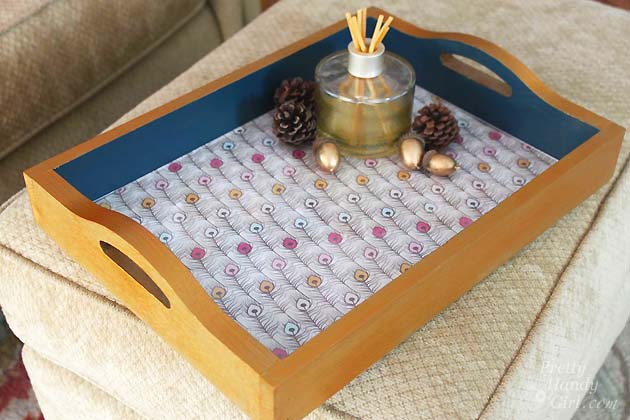
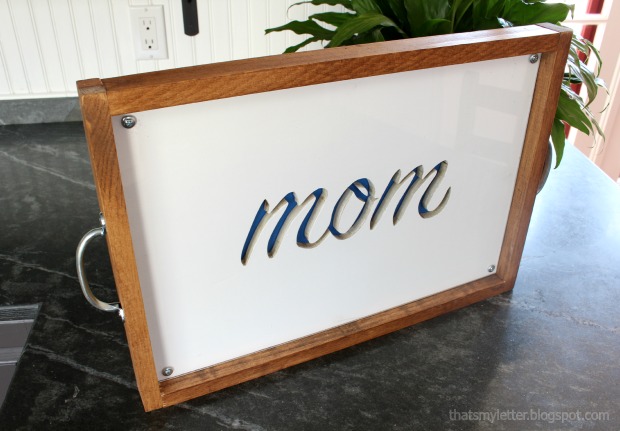
- Geometric and Patterned Inlays: Using scrapbook paper, sheet metal, or specialized cut-outs allows for a level of personalization—such as monograms, state outlines, or themed colors—that creates an immediate emotional connection.
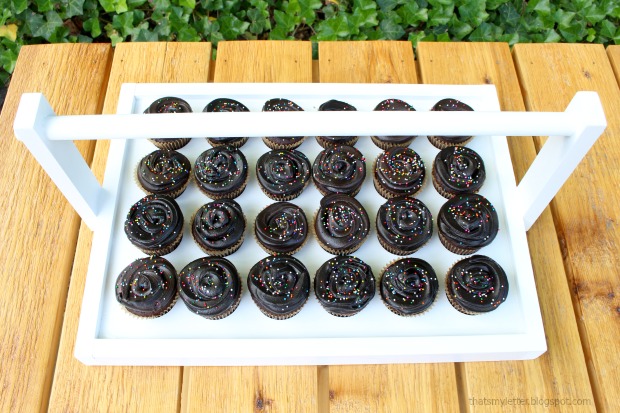
- Specialized Construction: Projects like the "Cupcake Tray Carrier" or the "Apple Pencil Holder" demonstrate that form can follow function. These are not just decorative; they solve real-world problems for the recipient, whether it is transporting delicate baked goods or organizing a chaotic desk.
Official Perspectives on DIY Craftsmanship
Design experts and professional crafters agree that the "handmade effect" is a powerful tool for strengthening relationships. According to DIY experts, the "secret sauce" of these gifts is the finishing touch—the handwritten note, the curated selection of contents, or the specific choice of wood finish.
"When you build a tray from an old cabinet door or create a trough centerpiece, you are curating an experience," says one industry observer. "The recipient isn’t just getting a wooden box; they are getting a piece of the giver’s perspective on what makes a home warm and inviting."

Categorizing the Craft: Essential Projects
1. Classic Serving Trays
Serving trays are the quintessential entry-level project. They require minimal materials but provide maximum aesthetic impact.
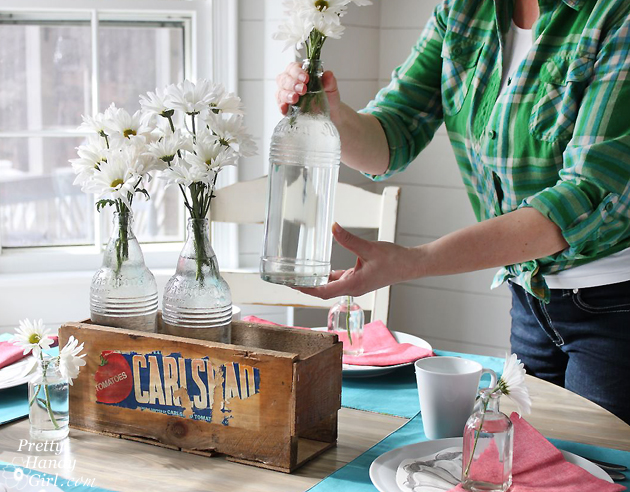
- The Vintage Produce Crate: Built without power tools, this project proves that rustic charm is achievable through simple assembly. It functions as a base for gift baskets or a centerpiece.
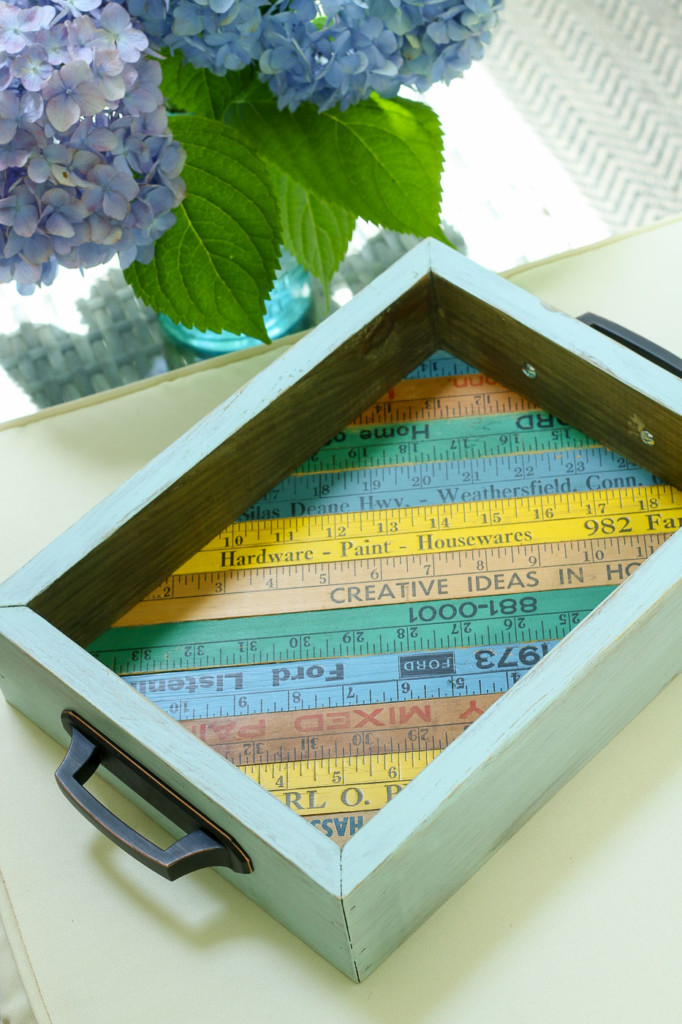
- The Ruler/Decorative Tray: By using finished edges and specific base materials (like rulers or patterned paper), these trays move from utilitarian to artistic, serving as catch-alls for keys, jewelry, or makeup.
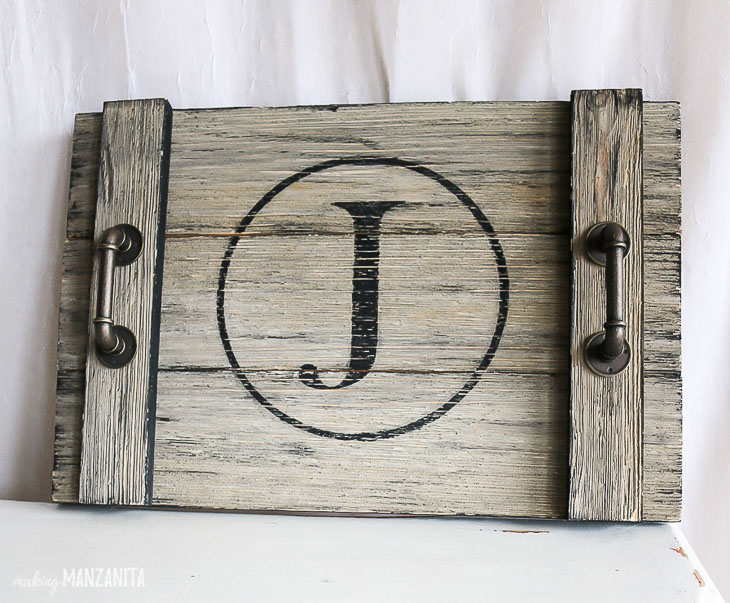
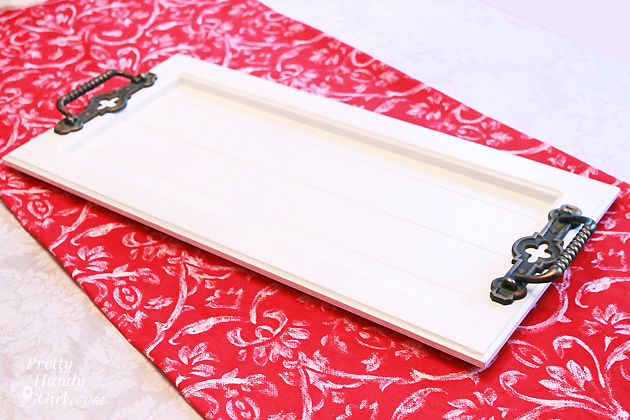
- The Farmhouse/Monogrammed Tray: A timeless staple, these designs utilize neutral stains and clean lines, making them the ultimate versatile gift for any home decor enthusiast.
2. Bath and Self-Care Solutions
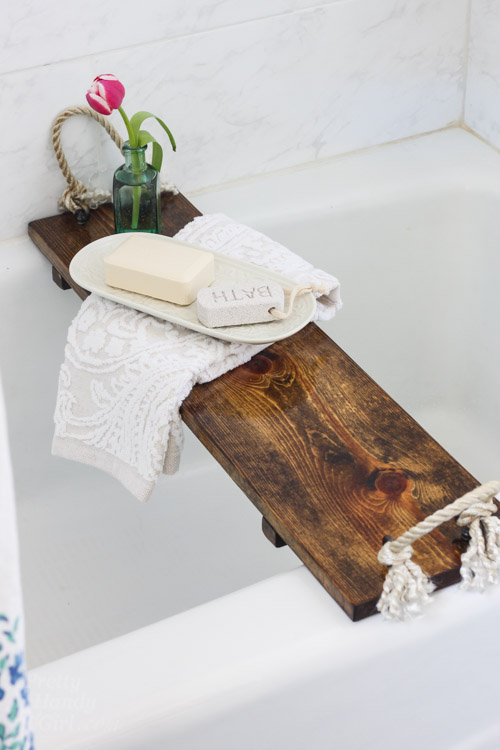
The "spa-at-home" trend remains a top choice for gift-givers. By creating a dedicated wooden bath tray—complete with phone holders or wine glass cut-outs—givers are effectively gifting the recipient a "permission slip" to slow down. The addition of bath salts or essential oils within the crate completes the gift as a holistic experience.
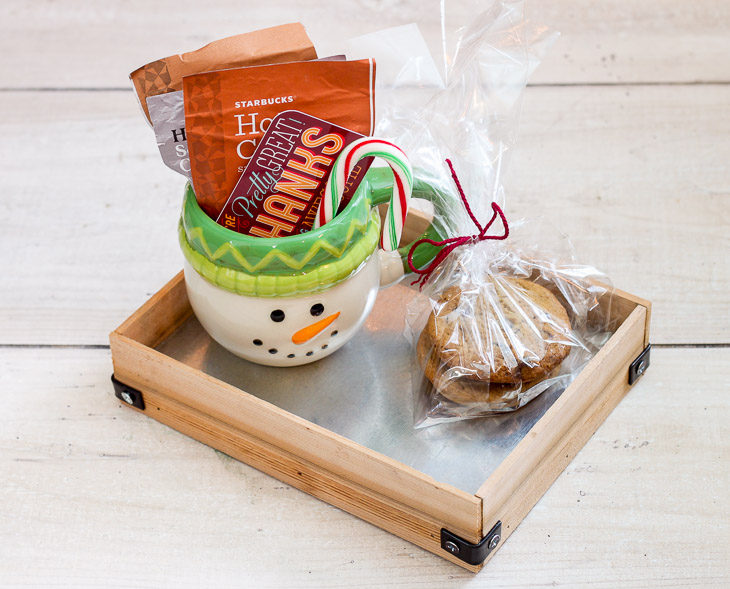
3. Specialty Trays and Decorative Containers
For those looking to challenge their skills, specialty trays offer unique design elements:
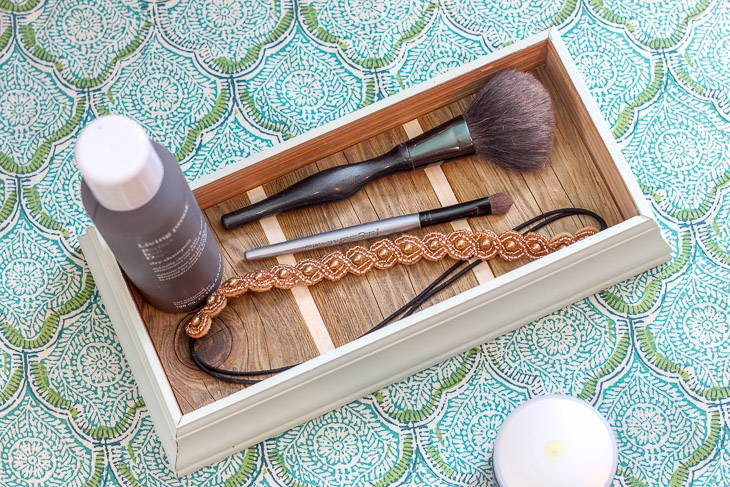
- Sheet Metal Bases: Incorporating galvanized steel or copper adds an industrial, high-end architectural feel.
- Scrap Moulding: By repurposing crown moulding or baseboards, builders can achieve professional, intricate details that would otherwise be cost-prohibitive.
- State-Shaped Trays: Perhaps the most personal of all, these projects use geographic silhouettes to anchor a gift in the recipient’s identity—a perfect gesture for those who have moved away from their hometown.
Implications for Future Gift-Giving
The move toward DIY trays and crates has significant implications for both the environment and the economy.
Sustainability and Waste Reduction
By "shopping the scrap bin," makers significantly reduce the amount of wood waste that ends up in landfills. Repurposing cabinet doors, old trim, and pallet wood is an inherently sustainable practice. As the global push for circular economies grows, the DIY maker culture provides a blueprint for how individuals can consume less by creating more.
Economic Impact
While the DIY movement often centers on cost-saving, it actually stimulates the local economy by driving sales at hardware stores, craft shops, and lumber yards. Furthermore, it challenges the dominance of big-box retailers by highlighting the value of unique, artisanal quality.
Strengthening Social Bonds
The most profound implication of this trend is the social benefit. In an age where digital interaction often replaces physical presence, the exchange of a handmade gift requires a level of intimacy. It requires the giver to think about the recipient’s space, their needs, and their aesthetic preferences. This "thoughtful design" cycle strengthens the bond between the giver and the receiver, reinforcing the social fabric that gift-giving is intended to maintain.

Conclusion: The Timeless Appeal of the Hand-Built
Whether it is a snowflake trivet for the holidays, a rustic trough for a wedding, or a simple caddy for a teacher, these 21+ project types confirm one universal truth: people value what they can touch, hold, and use.

As we look toward future gift-giving seasons, the message is clear: put down the store-bought gift card. Pick up a saw, a piece of sandpaper, and a bit of creativity. In doing so, you move from being a consumer to a creator, and you provide a gift that will be cherished not because of its price, but because of the heart and hands that shaped it. By transforming raw materials into organized beauty, you are not just building a crate; you are building a lasting connection.