The Evolution of a Fall Classic: How a Cult-Favorite Pumpkin Cheesecake Conquered Autumn Baking

CHICAGO — In the realm of autumn desserts, few culinary creations evoke as much seasonal devotion as the union of spiced pumpkin and rich, velvety cheesecake. For more than a decade, a specific recipe—honing the balance between the rustic comfort of traditional pumpkin pie and the luxurious decadence of New York-style cheesecake—has served as an internet staple for home bakers. Originally published in 2013 and recently updated for modern home kitchens, this iconic recipe reflects a broader shift in digital culinary culture: the democratization of gourmet baking through accessible adaptation.
As autumn chill descends and grocery store aisles fill with canned pumpkin puree, culinary historians and food bloggers alike note how certain recipes transition from passing internet fads to enduring holiday traditions. This particular pumpkin cheesecake formula, developed by Emma of the lifestyle brand A Beautiful Mess, offers a compelling case study in recipe longevity, community engagement, and the practical challenges of translating specialty baking into everyday home cooking.
Main Facts: The Anatomy of a Modern Holiday Tradition
At its core, the appeal of this acclaimed pumpkin cheesecake lies in its architectural simplicity. Rather than demanding complex water baths, artisanal ingredients, or specialized pastry equipment, the recipe relies on standard pantry staples and an approachable baking vessel: a standard 8×8-inch square baking pan.

The dessert features a dual-layer profile:
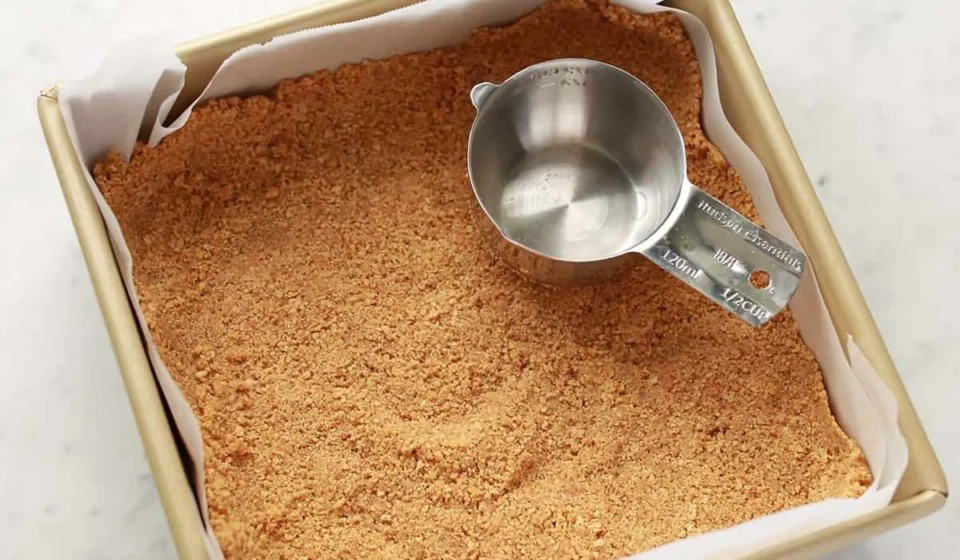
- The Crust: A crisp, buttery graham cracker foundation, ground easily in a food processor or blender and baked briefly to set.
- The Filling: A dense, creamy emulsion of softened cream cheese, granulated and brown sugars, a touch of all-purpose flour for stability, smooth pumpkin puree, and a warm blend of seasonal spices—typically cinnamon, nutmeg, and ginger—anchored by vanilla extract and a pinch of salt.
"This is like if pumpkin pie and cheesecake got together and had an easy-to-bake baby," the recipe’s creator noted in her original notes, capturing the precise sentiment that resonated with millions of home bakers navigating busy holiday schedules.
Topped generously with fresh whipped cream—either homemade or store-bought—the dessert bridges the gap between sophisticated dinner party fare and comforting family dessert.

Chronology: From Specialty Wedding Pan to Standard Kitchen Staple
The journey of this recipe highlights the iterative nature of digital food journalism.
- September 2013: The recipe made its debut online. In its original incarnation, the dessert was baked not as a single large cake, but as individual, miniature cheesecakes housed within a specialized baking pan received as a wedding gift. While visually striking and perfectly portioned, the pan proved to be an obscure piece of hardware—difficult for the average reader to source at local kitchenware retailers.
- 2014–2021: Throughout the mid-2010s, the recipe gained a dedicated following. Comment sections across the blog accumulated tips, questions, and troubleshooting queries from enthusiastic bakers attempting to replicate the miniature portions or adapting the batter for standard round springform pans.
- The Modern Revision: Recognizing the barrier to entry posed by specialized equipment, the culinary team retested and optimized the formula for a standard 8-inch square baking pan—an item found in virtually every domestic kitchen. This update preserved the exact flavor profile and texture of the original while eliminating logistical hurdles for novice bakers.
- Present Day: The recipe remains a cornerstone of digital autumn recipe roundups, frequently cross-referenced with companion fall staples such as pumpkin spice lattes, pumpkin bars, cookies, and homemade pumpkin butter.
Supporting Data: Baking Mechanics and Kitchen Science
Achieving the ideal texture in a baked cheesecake requires a delicate balance of fat, protein, and moisture management. Culinary experts emphasize several key technical parameters embedded within the recipe’s instructions:
Temperature Control and Staging
- Room Temperature Dairy: The recipe stresses the importance of thoroughly softened cream cheese. Incorporating cold cream cheese leads to stubborn lumps that disrupt the smooth, uniform mouthfeel expected of a quality cheesecake. Kitchen tests suggest either leaving the wrapped blocks on the counter overnight or utilizing a controlled microwave defrost cycle (30 to 45 seconds).
- Egg Incorporation: The final stage of batter preparation requires adding eggs one at a time, mixing just until combined. Overmixing incorporates excessive air into the batter, which can cause the cheesecake to rise rapidly in the oven and subsequently crack or deflate unevenly upon cooling.
- Thermal Transition: Baking begins at a higher temperature (350°F) to set the graham cracker crust, followed by a reduction to 300°F for the main baking cycle (approximately 1 hour and 10 minutes). This gradual heat prevents the delicate custard proteins in the cream cheese and pumpkin puree from over-coagulating, safeguarding against a grainy texture.
Visual Doneness Cues
Unlike traditional cakes that rely on a toothpick test, cheesecakes are evaluated through structural jiggle. Upon completion of the baking time, the edges of the pumpkin cheesecake should appear slightly puffed and set, while the center retains a gentle, custard-like wobble. Residual internal heat continues the cooking process during the mandatory cooling and chilling phase (minimum three hours, though overnight refrigeration yields optimal slicing).

Yield and Pan Flexibility
While optimized for an 8×8-inch square pan—which yields approximately nine neat, brownie-style squares—the batter is versatile. Bakers preferring a traditional presentation can easily transfer the mixture to a standard 9-inch springform pan, requiring only a slight reduction in baking time to roughly one hour.
Official Recommendations and Expert Tips
For home cooks seeking flawless execution during high-stress holiday hosting seasons, culinary professionals offer several tactical recommendations drawn from years of community feedback:
- Parchment Paper Management: Lining a square baking pan with parchment can be awkward. To prevent sticking and ensure easy lifting, bakers recommend either using a single oversized square with diagonal slits cut into the corners to fit snugly into the pan, or overlapping two clean rectangular strips across the bottom and sides.
- Advance Preparation: Because the cheesecake requires extensive chilling time to firm up completely, it serves as an ideal make-ahead dessert for Thanksgiving or autumn dinner parties. Stored in an airtight container, the base cheesecake maintains optimal flavor and texture in the refrigerator for up to three days or longer.
- Garnish Timing: Whipped cream should always be applied immediately prior to serving rather than during the storage phase. Premature application can cause the delicate dairy topping to weep or break down against the chilled surface of the cheesecake.
Implications: The Democratization of Autumn Baking
The enduring popularity of accessible seasonal desserts speaks to broader cultural shifts in how households approach food and entertaining. As modern lifestyles grow increasingly fast-paced, the appetite for high-reward, low-complexity baking has surged.

By pivoting away from intimidating, multi-step bakery techniques—such as water baths that risk water infiltration or specialty pans requiring online specialty orders—recipes like this pumpkin cheesecake bridge the gap between scratch-made culinary pride and everyday convenience. It validates the home cook’s desire for gourmet results without demanding professional pastry credentials.
Furthermore, the recipe’s longevity underscores the value of digital transparency and community-driven updates. By listening to reader feedback regarding hard-to-find equipment and actively retesting recipes for standard kitchen configurations, food publishers build lasting trust.
As autumn leaves turn and households gather around dining tables across the country, the humble pumpkin cheesecake stands ready—proving that with the right balance of spice, cream cheese, and a reliable square pan, classic comfort food never goes out of style.