
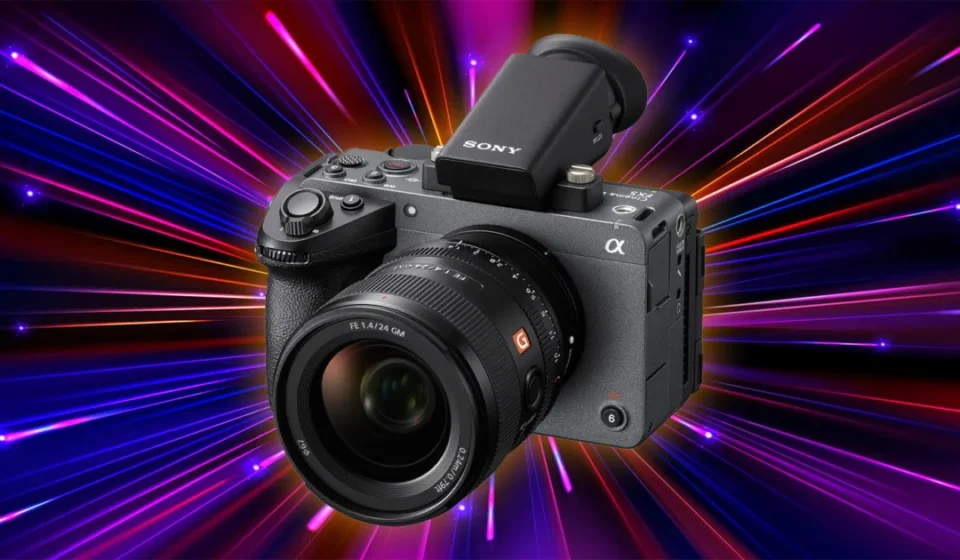
The Sony FX5: A Defining Moment for the Cinema Line and the End of Compromise

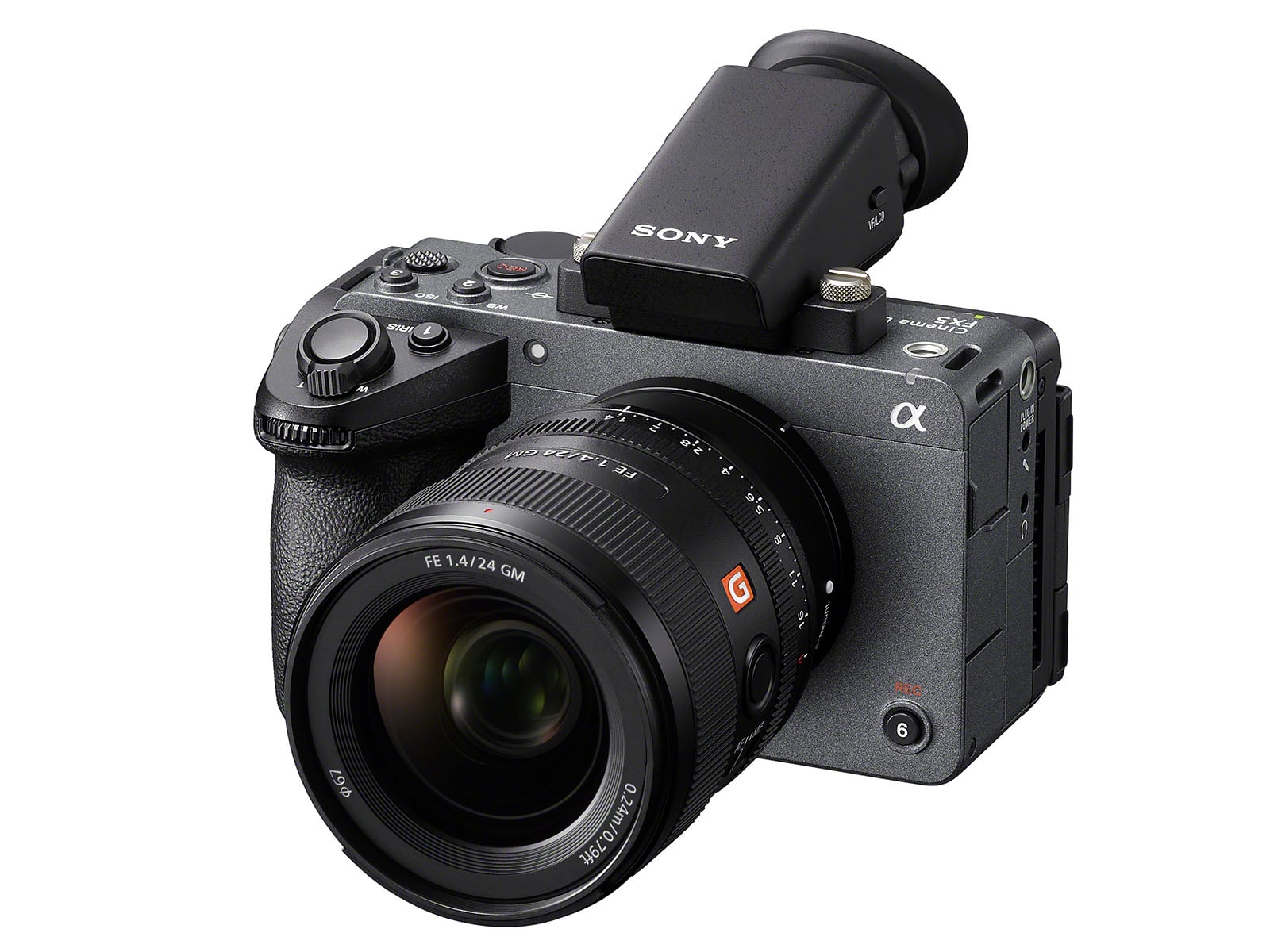
The long-standing discourse surrounding Sony’s Cinema Line has finally reached a crescendo. For years, professional filmmakers and content creators have lauded the reliability and autofocus prowess of the FX series, while simultaneously voicing mounting frustration over stagnant feature sets. Critics argued that Sony had grown complacent, keeping its popular cameras behind a wall of artificial limitations. Today, that narrative shifts dramatically. The unveiling of the Sony FX5 does not merely iterate on existing technology; it serves as a recalibration of Sony’s entire cinema philosophy. By finally addressing the "big three" demands—Open Gate recording, internal RAW, and a modern sensor architecture—the FX5 positions itself as the most consequential camera in the company’s recent history.
Main Facts: A New Benchmark for Performance
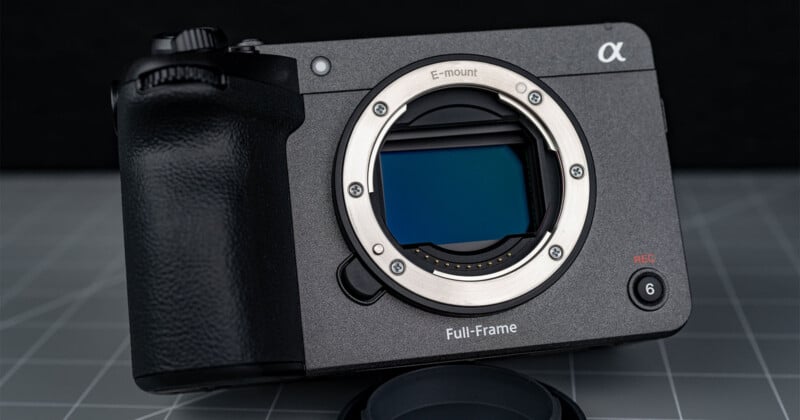
At the heart of the Sony FX5 lies a brand-new 16.6-megapixel sensor, which industry analysts believe is a derivative of the high-performance technology found in the α7R VI, utilizing a sophisticated Quad Bayer pattern. This sensor is paired with Sony’s latest Bionz XR2 processor, a combination that allows the camera to bridge the gap between mirrorless convenience and professional cinema standards.
The FX5 introduces a suite of features that were previously missing from the compact FX lineup:
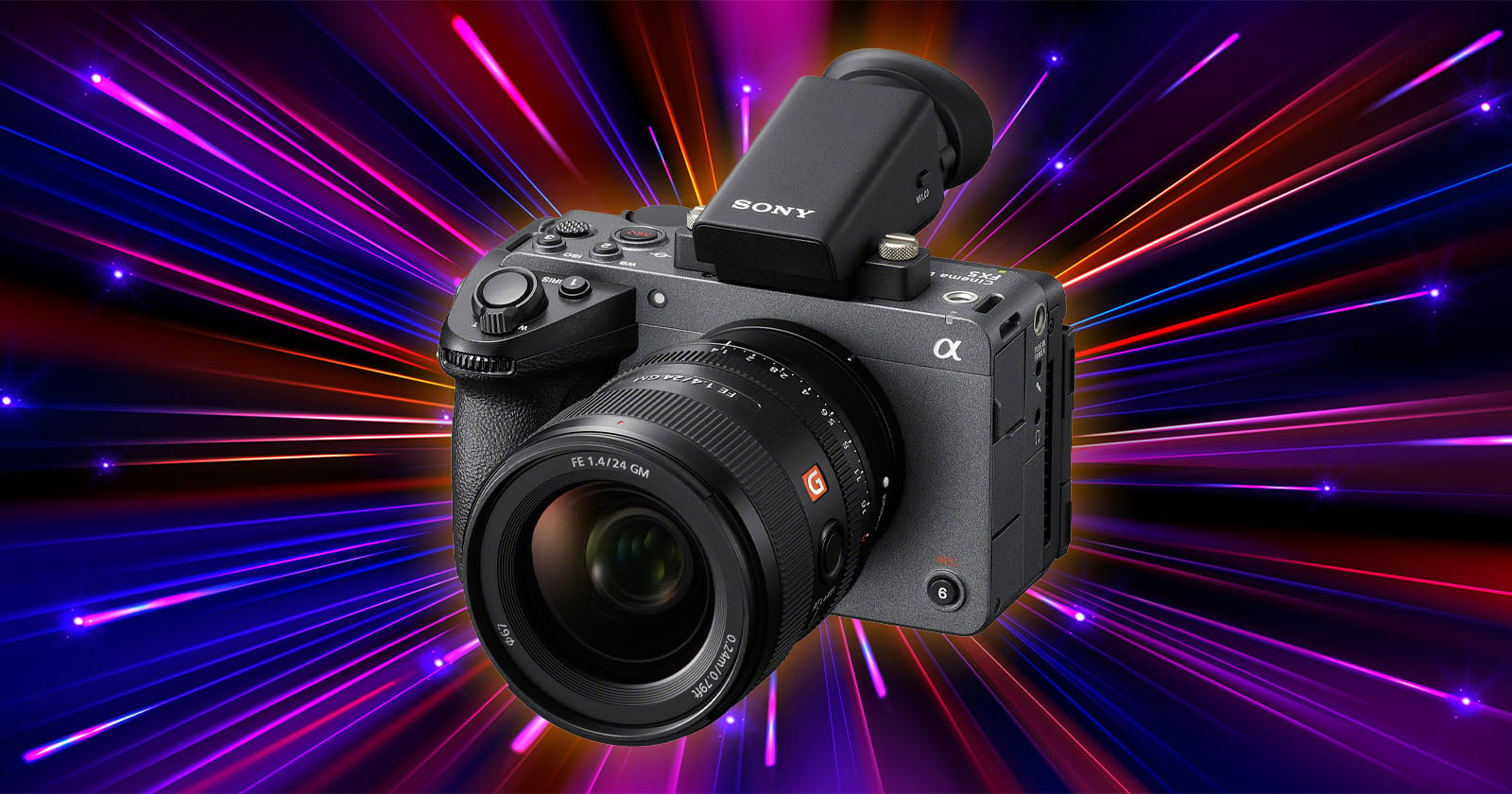
- Open Gate Recording: Users can finally capture the full sensor area, a crucial requirement for anamorphic workflows and flexible post-production reframing.
- 16-bit Internal RAW: The camera supports X-OCN recording internally, putting it on par with competitors like Panasonic and Canon who have long championed internal RAW formats.
- Resolution and Optics: Offering a unique 5K resolution sweet spot, the camera provides a perfect balance between file size and detail.
- Monitoring and UI: The inclusion of professional-grade tools like waveforms and vectorscopes, paired with a new CineAlta-inspired interface, streamlines the user experience.
- Versatility: With three base ISO settings (800, 4000, and 12800), the camera is designed to handle demanding lighting conditions with the signature "dual-native" flexibility that Sony users expect.
Chronology: The Road to the FX5
To understand the significance of the FX5, one must look at the trajectory of the FX series over the last five years.
2021: The Disruption. The launch of the FX3 changed the landscape of run-and-gun filmmaking. It proved that a cinema camera could fit in a jacket pocket, yet it left power users wanting more regarding professional monitoring and raw data handling.
2022-2024: The Period of Stagnation. As Sony’s competitors began integrating Open Gate and internal RAW into their hybrid bodies, the FX series remained largely unchanged. Users began to feel that while the autofocus and color science were industry-leading, the hardware was being intentionally throttled to protect higher-tier cameras like the FX6 and FX9.
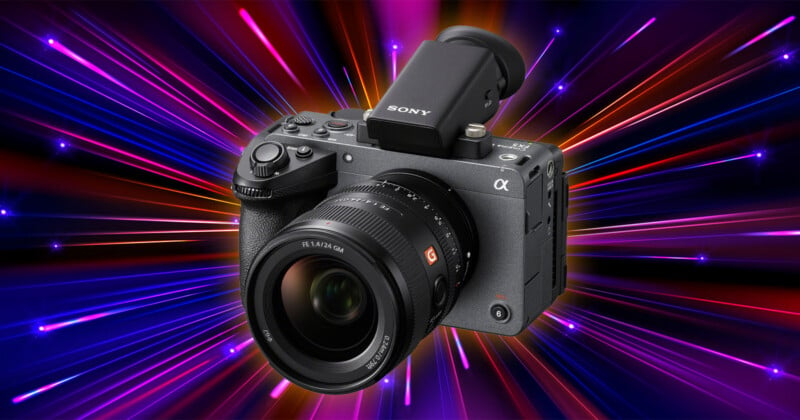
2025: The Mounting Pressure. The "noise" from the creator community reached a boiling point. Filmmakers began defecting to other ecosystems not because of image quality, but because of workflow efficiency—specifically, the need to output RAW via HDMI rather than recording it internally.
July 2026: The Paradigm Shift. Sony finally breaks its silence with the official announcement of the FX5. By bypassing a simple "Mark II" iteration of the FX3, Sony signaled that this was a new category of device entirely—a specialized tool for the modern professional.
Supporting Data: Why This Sensor Matters
The 16.6-megapixel sensor is a calculated choice. By opting for a lower pixel count compared to standard photography-centric mirrorless cameras, Sony has prioritized pixel pitch and read-out speed. The integration of the Bionz XR2 processor allows for a significant reduction in rolling shutter, a persistent bugbear for high-resolution sensors.
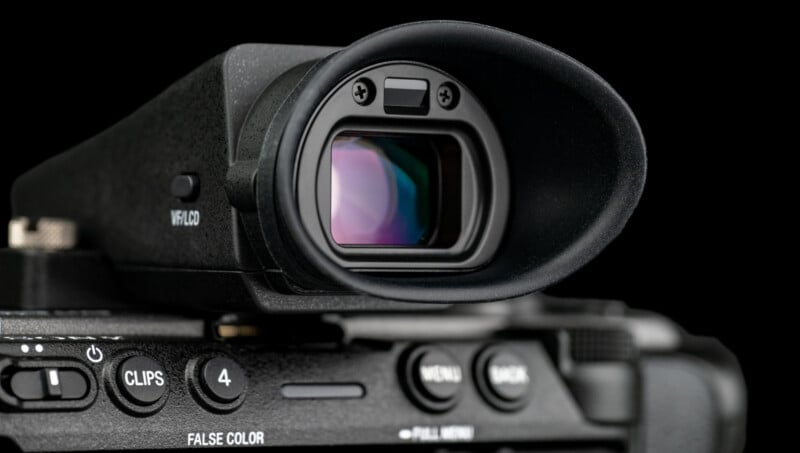
Furthermore, the "Dynamic Range Boost" mode, while imposing some limitations on top-end readout speed, allows the sensor to retain highlight information that was previously clipped in the FX3. The inclusion of 32-bit float audio, when managed correctly with the detachable EVF, provides a level of audio reliability that was once reserved for much larger, more expensive cinema rigs. The technical specifications suggest a camera that is meant to be the "A-camera" for indie productions and a high-end "B-camera" for large-scale cinema sets.
Official Responses and Industry Context
While Sony’s corporate communication remains characteristically tight-lipped, insiders suggest that the development cycle for the FX5 was extended specifically to ensure that the thermal management could handle internal RAW at high bitrates without the need for external cooling accessories.
The company is clearly positioning the FX5 to answer the competitive pressure from Panasonic’s Lumix GH and S-series, as well as the aggressive video-centric features found in Canon’s latest Cinema EOS updates. In a press briefing, a spokesperson noted, "The FX5 is a direct result of listening to the community. We understood that for the modern filmmaker, the workflow is just as important as the image quality."
Implications: A New Era for Filmmakers
The release of the FX5 carries significant weight for the industry. For the freelance cinematographer, this camera removes the barrier of entry for high-end RAW workflows. Clients who previously demanded specific specs like Open Gate or 16-bit color depth can now be satisfied with a compact, reliable unit that fits into a standard gimbal setup.
The Trade-Offs
However, the FX5 is not a "God camera." It remains a deliberate product designed with specific market segments in mind. The most notable absence is the internal electronic neutral density (ND) filter. For many, the ND filter in the FX6 is the single biggest reason to stay with that larger body. By omitting it here, Sony has ensured there is still a distinct market for the FX6. Similarly, the lack of SDI and Genlock confirms that the FX5 is not a replacement for broadcast-standard equipment.
The Future of the Lineup
The implications for the rest of the Cinema Line are profound. If the FX5 is the new baseline for performance, one must wonder what the future holds for the FX6 and FX9. We are likely looking at a refresh cycle where the "FX" branding becomes synonymous with internal RAW and high-speed processing across the board. The FX5 has successfully silenced the critics who claimed Sony was "out of touch," but it has simultaneously set a new, high bar that Sony must now maintain in every subsequent release.
Conclusion
The Sony FX5 is a testament to the fact that even a massive, multi-national corporation can be swayed by the collective voice of its user base. It is not merely a tool for capture; it is a response to years of market evolution. By providing a platform that finally balances technical sophistication with user-requested features, Sony has solidified its position at the forefront of the cinema camera market.
As the industry moves toward higher efficiency and greater post-production flexibility, the FX5 serves as a foundational piece of hardware for the next generation of visual storytellers. Whether it becomes your primary workhorse or a vital secondary component in a larger rig, the FX5 proves that the most important features in a camera aren’t just the ones that record the image—they are the ones that remove the friction between the creator and the final product.
For the professional, the FX5 is an invitation to stop worrying about the limitations of their gear and start focusing entirely on the craft of filmmaking. The compromises are over; the era of the Sony FX5 has officially begun.