The New Frontline: Why the Comment Section Is Your Brand’s Most Critical Asset

In the modern digital landscape, the comment section has evolved far beyond a simple feedback box. It is now the primary theater for customer experience, a real-time barometer of public sentiment, and a vital ecosystem for community cultivation. For today’s brands, the "race to the comments" after a post goes live is not just a user habit—it is a cornerstone of the modern social experience.
As digital spaces become more saturated, consumers are increasingly seeking authentic, unfiltered interaction. According to the Sprout Social Q1 2026 Pulse Survey, 30% of consumers—and a staggering 43% of Gen Z—have increased their consumption of text-based social media, specifically hunting for honest discussions and peer-to-peer reviews. For brands, this shift presents both a massive opportunity for growth and a significant operational challenge.
The Evolution of Social Engagement: A Chronology of Influence
The transition of the comment section from a "nice-to-have" feature to a "must-have" business strategy has been rapid.

- The Early Web Era (2000s–2010s): Comments were viewed as secondary. Brands often ignored them or left them unmoderated, treating social media as a one-way broadcast channel.
- The Engagement Explosion (2015–2020): Platforms prioritized algorithmically driven engagement. Brands realized that high comment counts boosted visibility, leading to a focus on quantity over quality.
- The Era of Social Care (2021–2024): As customer service shifted from phone lines to Twitter and Facebook, the comment section became a de facto help desk.
- The Current Landscape (2025–2026): We have entered the "Age of Authenticity." Consumers now view the comment section as a search engine. The 2026 Sprout Social data confirms that 30% of users now favor social networks over traditional search engines to find product recommendations. The brand that ignores its comments today is effectively ignoring its own storefront.
The Stakes: Why Every Reply Matters
The business case for active comment management is anchored in cold, hard data. According to The 2025 Sprout Social Index, a massive 73% of social users agree that a lack of responsiveness is a primary driver for switching to a competitor.
Building Community Through Proactivity
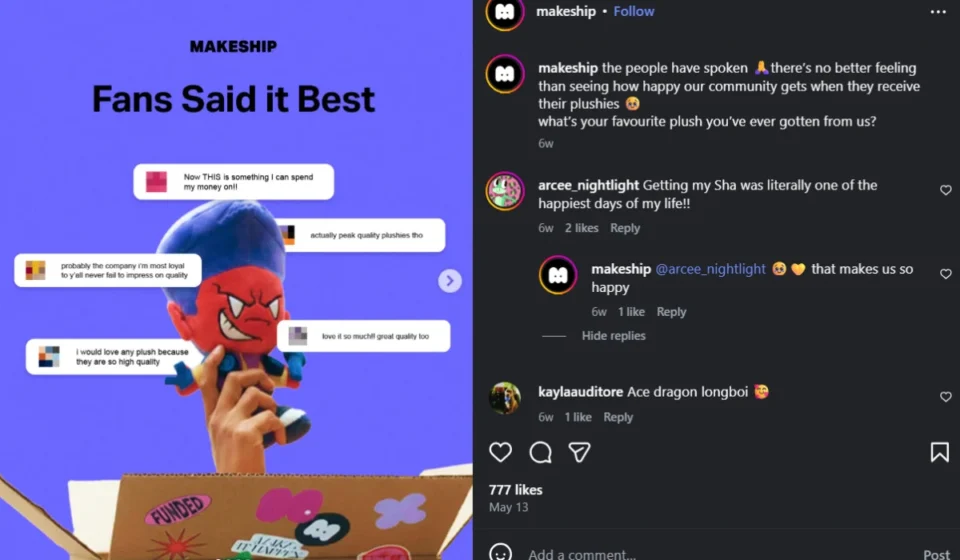
Beyond simple retention, the comment section is a laboratory for brand identity. 27% of consumers explicitly seek out community-focused content from the brands they follow. When a brand responds with empathy, wit, or genuine insight, they position themselves as a thought leader rather than a faceless corporation.
Consider the "unfiltered truth" phenomenon. When a user lands on a brand’s post, they rarely look at the marketing copy first; they scroll straight to the comments to see how the brand interacts with its customers and how other users feel about the product. This makes the comment section the ultimate social proof.
Tactical Workflows: How to Master the Daily Stream
Managing a high-volume stream of comments requires a dual approach: high-impact tactical execution for community managers and strategic guardrails established by communication leaders.
Best Practices for Responding
Speed is a competitive advantage, but accuracy and empathy are the guardrails. When responding to comments:
- Maintain Brand Voice: Whether you are professional and concise or playful and irreverent, your replies must be consistent.
- Prioritize Personalization: Avoid canned, robotic responses. Use the user’s name and reference their specific point.
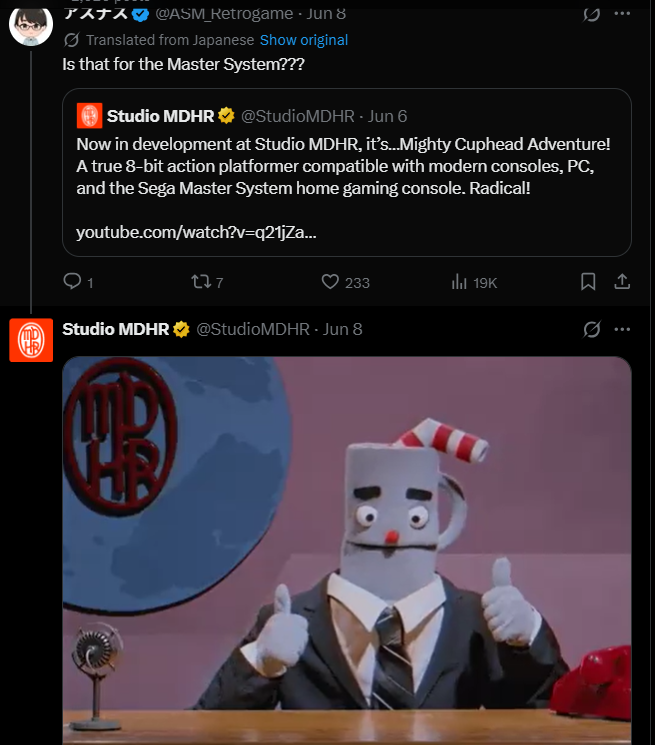
- Inject Personality: As seen in successful campaigns by brands like Studio MDHR, the use of GIFs, emojis, or niche-relevant humor can humanize a brand and turn a standard transaction into a memorable interaction.
The Art of the Positive Reply
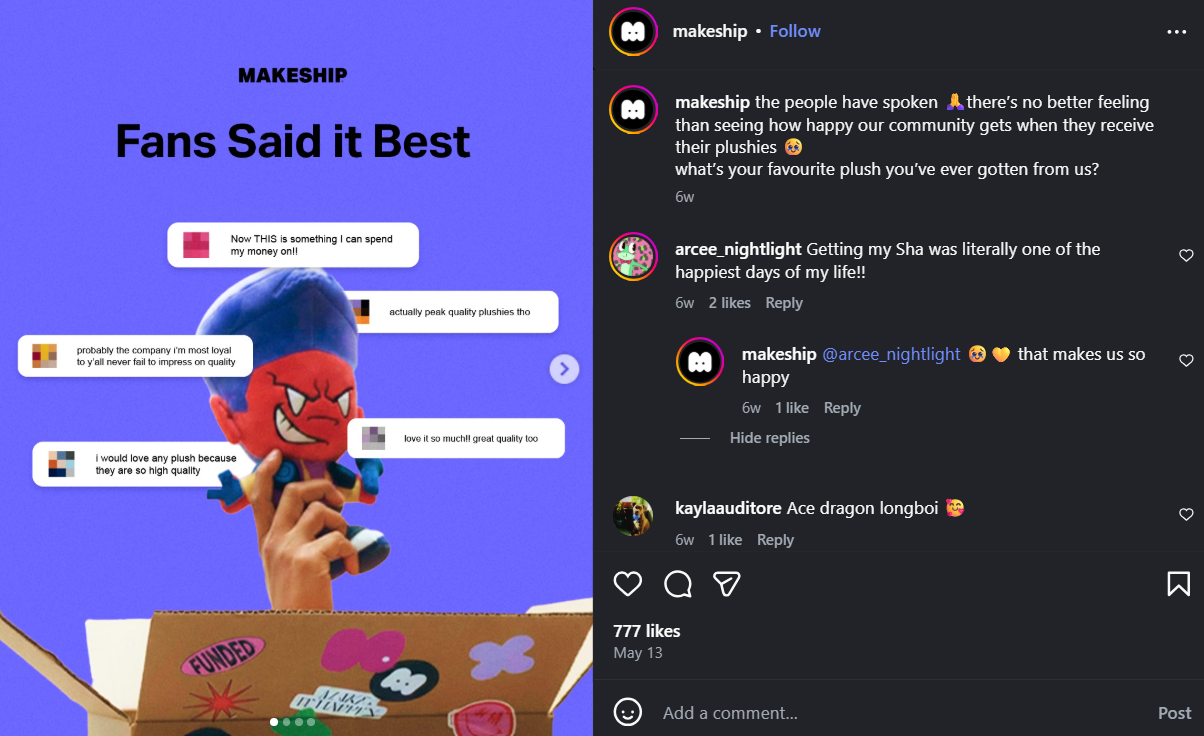
Positive comments are your brand’s greatest advocacy tool. When a customer shares a win, reciprocate the energy. Thank them sincerely, personalize the interaction, and, where possible, treat that feedback as internal intelligence. Sharing these positive interactions with your product or R&D teams provides qualitative data that metrics alone cannot provide.
Navigating Negative Feedback
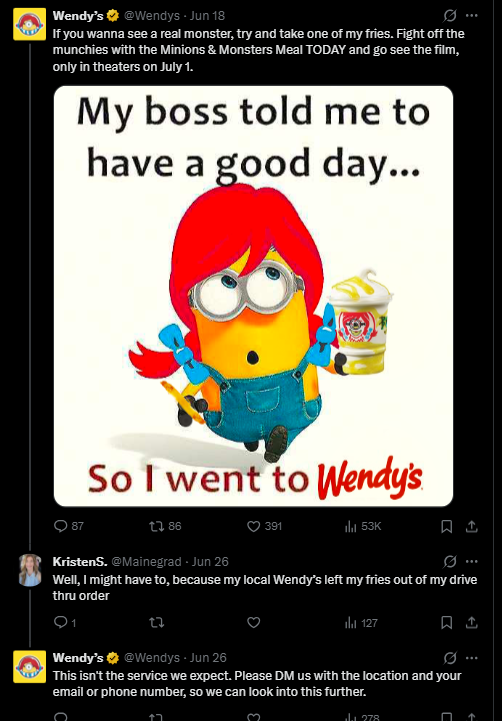
Negative comments are not necessarily a failure; they are an opportunity to demonstrate service recovery.
- Acknowledge and Validate: Even if the customer is frustrated, a calm, professional acknowledgment can de-escalate the situation.
- Take It Private: If a complaint involves sensitive information or requires a complex resolution, move the conversation to Direct Messages (DMs) immediately.
- Escalation Protocols: Not every negative comment is a crisis. Ensure your frontline team is trained to differentiate between a standard product complaint and an issue that requires legal or PR intervention.
Crisis Communication in the Age of Social Media
According to the Q2 2026 Pulse Survey, social media is the number one place where consumers learn about a brand crisis. This creates a high-pressure environment where silence is often interpreted as guilt.
The 64% Rule
Research indicates that 64% of consumers believe it is vital for a brand to address a controversy publicly on social media rather than hiding behind a static website statement or a traditional press release. Furthermore, the speed of response is critical; for the vast majority of consumers, a slow response is seen as a sign of indifference or incompetence.
Managing the "Outrage" Cycle
When a crisis hits, the role of the communication leader is to provide a "source of truth."
- Document Everything: Use tagging systems (such as those provided by Sprout Social) to label incoming DMs and comments related to the crisis. This creates a paper trail for HR, legal, and executive stakeholders.
- Avoid the "Panic" Response: Use the airline industry as a benchmark. When Ryanair faced viral backlash regarding their seat allocation, they didn’t issue a sterile legal document; they leaned into a meme, which softened the narrative and redirected the energy.
- Define the Crisis: Ensure your team can distinguish between an isolated troll and a systemic issue. Adequate training allows teams to "look beyond the noise" and only escalate when a genuine threat to brand health exists.
The Technological Solution: Moving from Reactive to Proactive
The complexity of modern social media—spanning Facebook, Instagram, YouTube, X, LinkedIn, TikTok, and Reddit—makes manual monitoring impossible for scaling brands.
The Power of Unified Inboxes
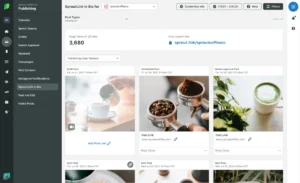
Tools like Sprout Social’s Smart Inbox act as a "single source of truth." By unifying streams, teams can prioritize messages based on sentiment, urgency, and keywords. This prevents the "lost comment" syndrome, where a high-value customer inquiry is buried under a pile of bot activity or spam.
Leveraging Predictive Intelligence
The future of comment management lies in anticipation. With tools like NewsWhip, communication teams can monitor narratives as they form, identifying potential PR risks before they turn into full-blown social media crises. By automating categorizations and utilizing AI-powered sentiment analysis, brands can delegate common inquiries to automated workflows while reserving human expertise for the interactions that truly move the needle.
Implications for the Future of Brand Strategy
The comment section is the modern town square. As we move further into 2026 and beyond, the brands that win will be those that view engagement not as a "chore" but as a strategic business function.
Key Takeaways for Leadership:
- Invest in Training: Your social media team is your frontline customer service force. Provide them with the tools, the templates, and the empowerment to handle both praise and crisis.
- Break Down Silos: Ensure that the insights gathered from the comment section are flowing back into your product, marketing, and executive teams.
- Embrace Transparency: In an era of skepticism, radical transparency in the comments is your strongest defense against misinformation.
Ultimately, the goal is to shift the organization from a reactive state—where every comment feels like an interruption—to a proactive state, where the comment section is seen as a vital, thriving community. When managed with care, empathy, and the right technology, your social media comments cease to be a liability and become the most authentic, effective, and powerful engine for brand growth in your arsenal.