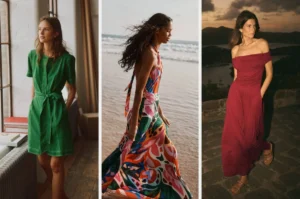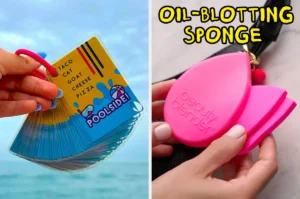

As the temperatures rise and the days grow longer, the perennial dilemma of "nothing to wear" often hits its seasonal peak. The transition from spring to summer necessitates a wardrobe overhaul that balances breathability, comfort, and, most importantly, ease of styling. This year, retail trends are pivoting toward versatile, low-effort pieces that transition seamlessly from morning errands to sunset social gatherings. Leading this charge is a curated collection of staples from Walmart, which have garnered significant attention for their quality, affordability, and ability to solve the common sartorial hurdles of the season.

The Philosophy of Effortless Dressing
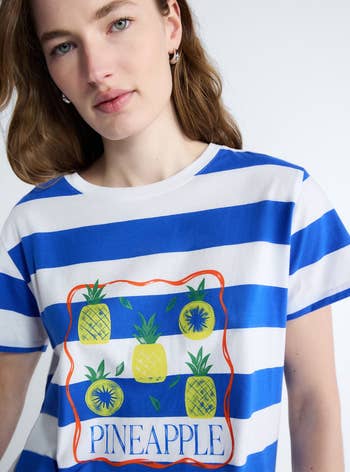
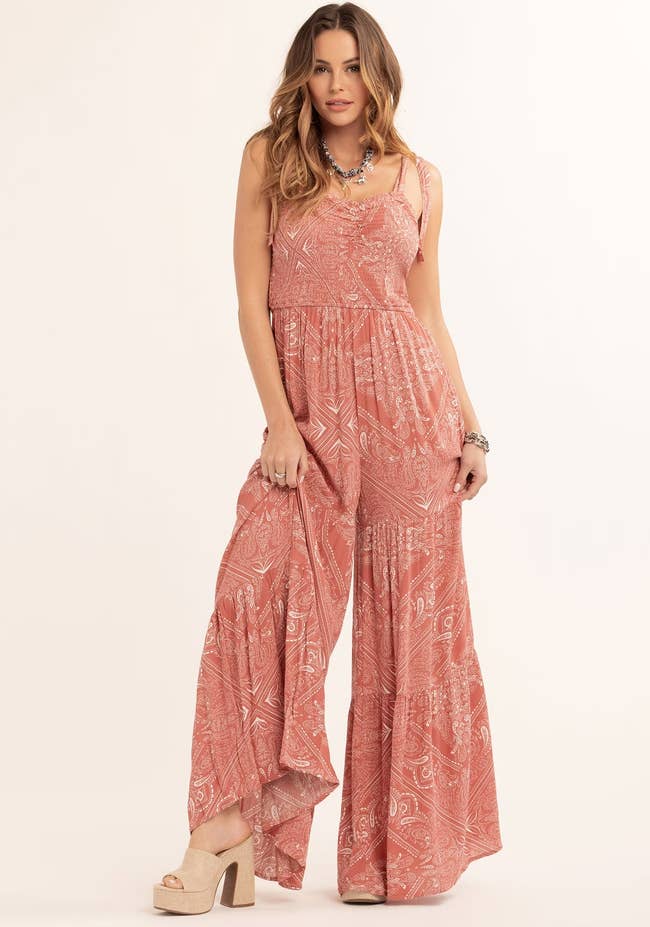
The modern consumer is increasingly prioritizing "one-and-done" outfits. The shift away from complex, multi-layered ensembles is a response to the fast-paced nature of contemporary life. Whether it is a cropped graphic tee that pairs instantly with existing denim or a tiered jumpsuit that eliminates the need to coordinate separates, the emphasis is on maximizing utility without sacrificing personal aesthetic.
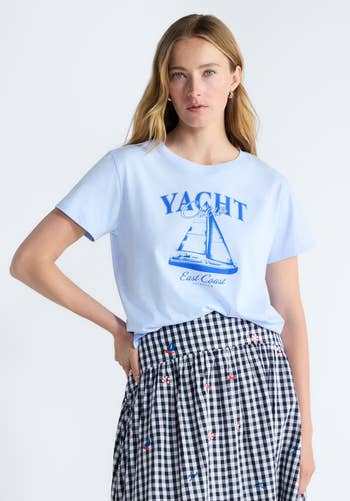
Industry analysts suggest that the rise of "low-maintenance fashion" is not merely a trend, but a structural shift in consumer behavior. As remote work continues to influence style, there is a heightened demand for garments that function as both loungewear and "out-and-about" apparel. This hybrid approach to dressing—often categorized as elevated comfort—is currently dominating the retail space.
Chronology of a Trend: From Concept to Closet
The path of a successful summer essential typically begins in the early spring, as design teams evaluate feedback from the previous year’s collections.
- Early Spring (March-April): Retailers analyze high-performing items from the previous summer, identifying key characteristics such as fabric weight, silhouette, and customer sentiment regarding fit.
- Late Spring (May): The "tease" phase. Stores introduce transitional pieces—such as lightweight sweaters and midi-dresses—designed to bridge the gap between cool spring mornings and the humid afternoons of early June.
- Peak Season (June-July): The release of the "hero" items. These are the versatile, high-utility pieces that often go viral on social platforms. During this period, real-world customer reviews become the primary driver of product credibility.
Supporting Data: What Drives Customer Satisfaction?
A deep dive into customer feedback reveals that modern shoppers are looking for three distinct qualities: fabric longevity, functional design (specifically the inclusion of pockets), and size inclusivity.
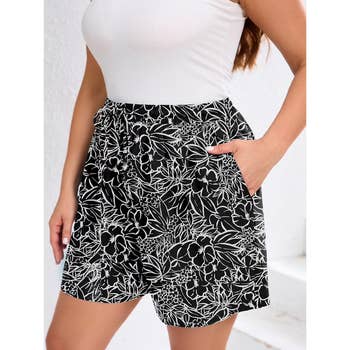
Data from recent retail performance metrics indicate that items featuring "roomy pockets" see a 40% higher engagement rate compared to similar products without. Similarly, garments that offer a "true-to-size" fit, even in diverse ranges from XS to 5X, show significantly higher retention rates, suggesting that shoppers are weary of vanity sizing and inconsistent cuts.
The "thicker material" phenomenon is also noteworthy. Many reviewers are increasingly praising items—such as the $6 cropped graphic tees—for having a weight that "feels more expensive than it is." This suggests a market shift where shoppers are willing to pay lower prices, provided the garment feels substantial and durable.
Item Breakdown: The 2025 Summer Edit
To provide a comprehensive overview of what is currently defining the season, we have categorized the most essential finds that have moved the needle in terms of sales and positive sentiment.
1. The Foundation: Elevated Basics
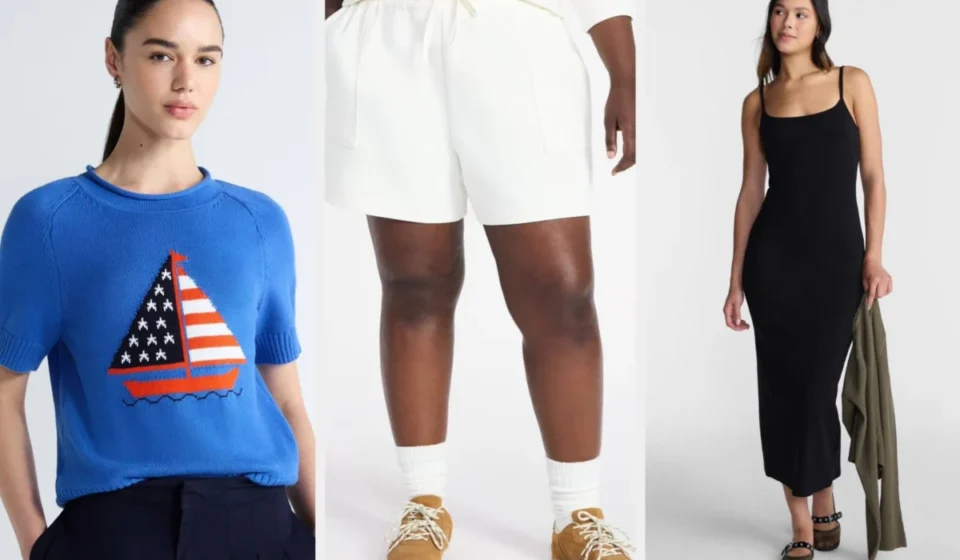
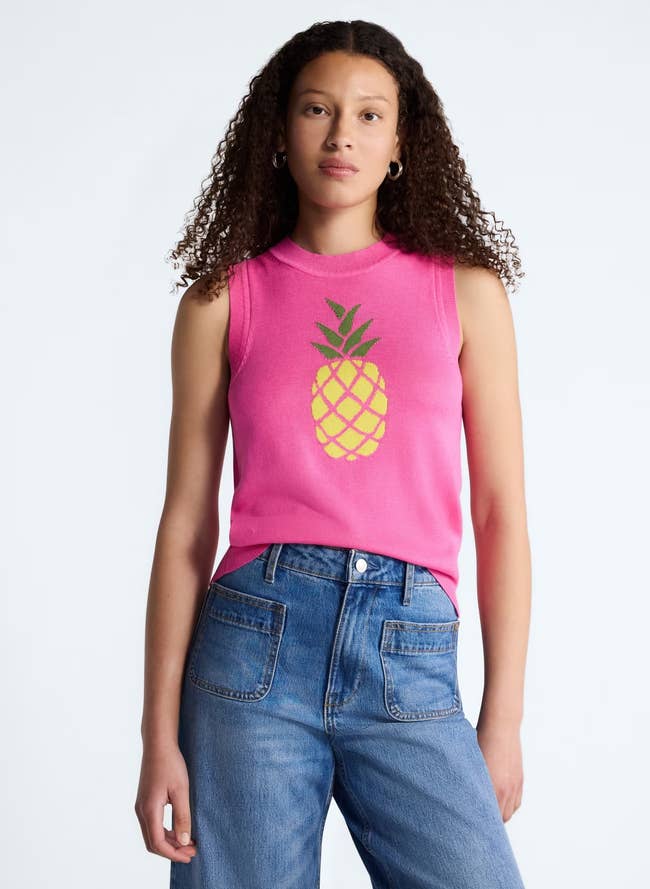
- Cropped Boxy Graphic Tees: Priced at $6 (down from $10), these tees are the backbone of the summer rotation. Their boxy cut offers a relaxed silhouette that flatters a variety of body types.
- Slim-Fit Crewneck Tees: At $7.98, these are the essential layering pieces. Unlike oversized options, the slim fit allows them to tuck perfectly into high-waisted shorts or skirts, providing a streamlined appearance.
2. The Bottoms: Utility Meets Style
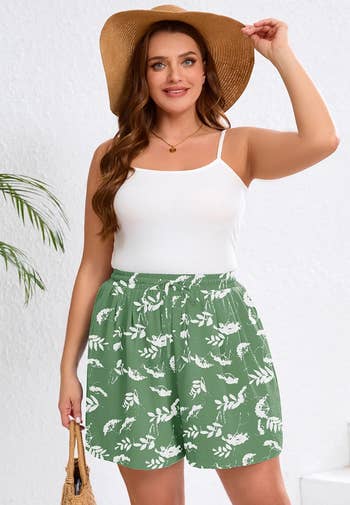
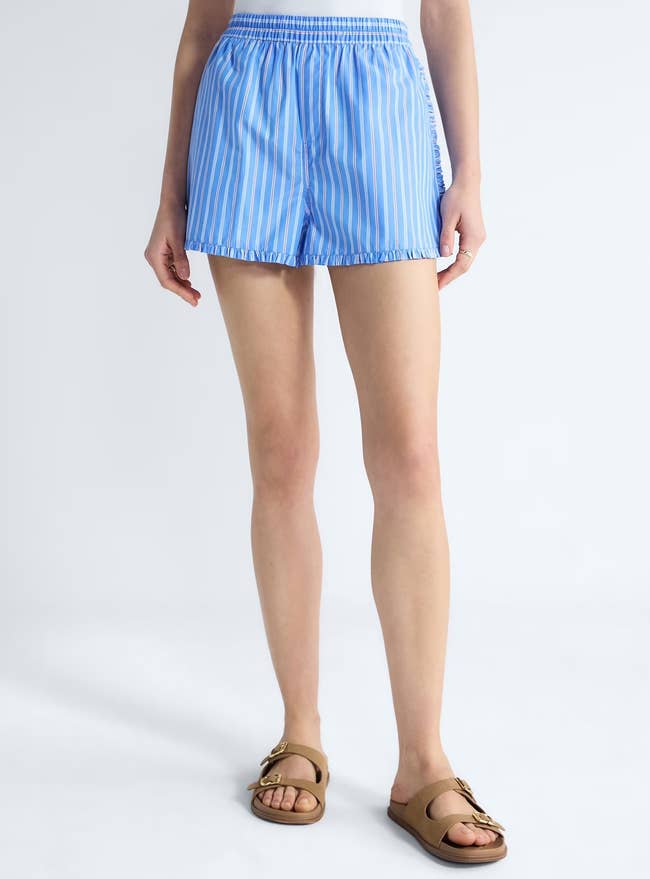
- Drawstring Shorts with Pockets: Available for $14.37, these shorts have become a favorite for travelers. The inclusion of deep pockets—large enough for phones and personal items—has made them a standout for those who refuse to carry a bag on casual outings.
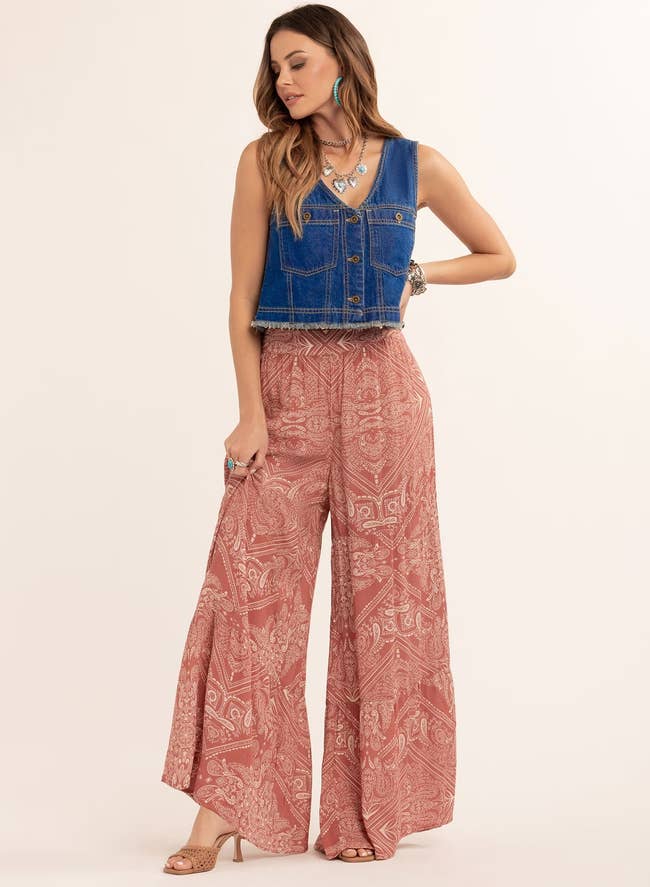
- Wide-Leg Pants: For those who prefer a full-length option, the wide-leg cut provides airflow while maintaining a polished look.
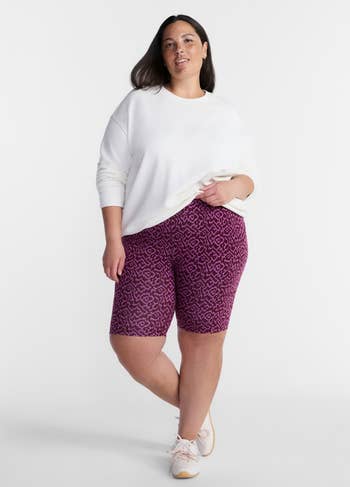
- Bike Shorts with Pockets: Priced at $10.98, these have transcended their athletic origins. Customers report wearing them under dresses to prevent chafing, or as a standalone piece with an oversized tee for a "cozy-chic" aesthetic.
3. One-Piece Wonders: Dresses and Jumpsuits
- Tiered Jumpsuits: At $38.35, the tiered design is celebrated for its ability to provide shape without being restrictive. It is a favorite among taller shoppers who often struggle with torso length.
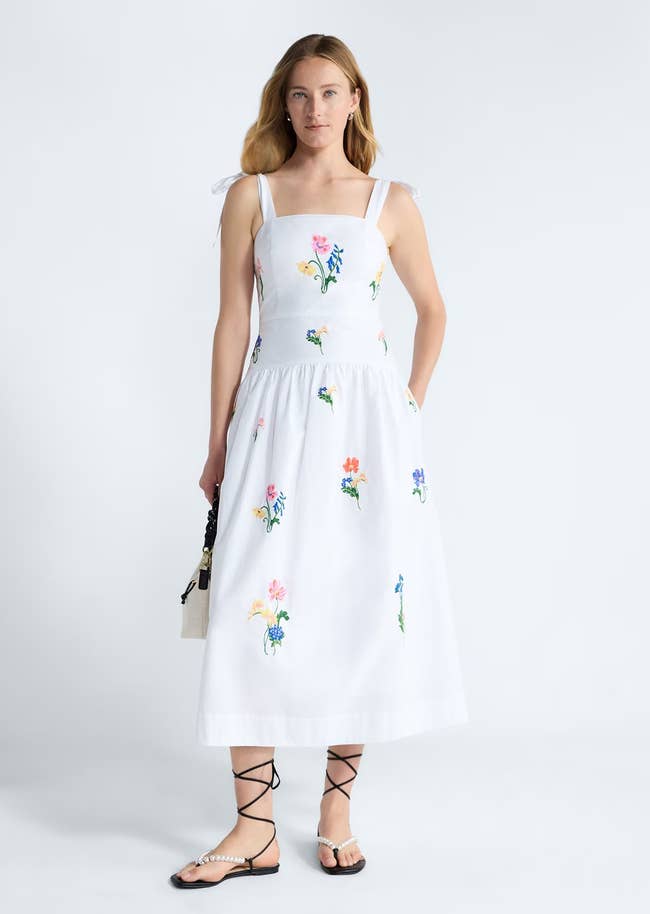
- Embroidered Maxi Dresses: A standout at $22.80, this piece utilizes a back-zipper closure, a design detail that separates it from standard, pull-over sundresses.
- Seamed Midi Dresses: At $14.98, this item is frequently cited as the perfect "nightgown-style" dress that remains appropriate for public settings when accessorized with the right footwear.
4. The Layering Essentials: Navigating Indoor Temperatures
- Cable Knit Cardigans: Priced at $16.98, these are the solution to the "over-air-conditioned" office or restaurant. Their popularity stems from the fabric’s luxurious drape, which defies the typical "cheap" feel of budget knitwear.
- Open-Front Cardigans: At $7.99, these are the most utilitarian layer, light enough to fit in a tote bag but substantial enough to ward off a chill.
Official Industry Perspectives: Why Quality Matters
Industry experts note that "fast fashion" is undergoing a rebranding. "Consumers are no longer just looking for cheap," says a veteran retail strategist. "They are looking for ‘value-driven longevity.’ A $10 shirt that lasts through twenty washes is more valuable to the consumer than a $5 shirt that loses its shape after one. Brands that are succeeding right now are those that have optimized their supply chains to provide a better-than-average textile weight at a competitive price point."
Furthermore, inclusivity has moved from a marketing buzzword to a fundamental business requirement. The success of lines offering sizes from XXS to 5X is proof that the market was previously underserved and that demand for consistent, high-quality sizing remains high.
Implications for the Future of Retail
The current trend toward "functional comfort" suggests that the future of the apparel industry will be defined by versatility. As consumers become more conscious of their spending, the "cost-per-wear" metric will become increasingly important. Pieces that can transition from a casual, work-from-home setting to an evening event are the ones that will dominate the retail landscape.
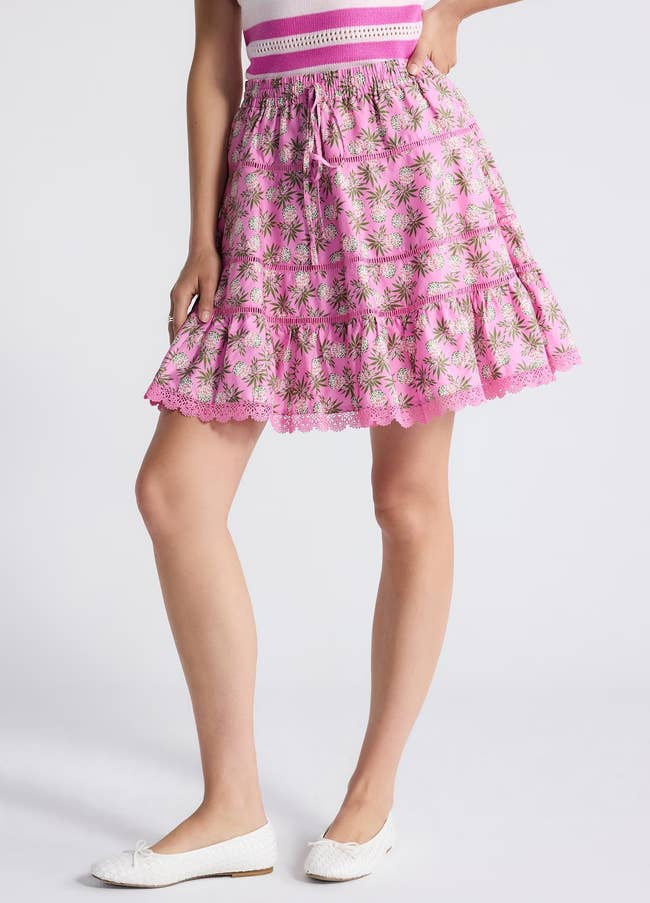
Additionally, the reliance on user-generated content—such as the "promising reviews" cited by shoppers—has shifted the power dynamic. Retailers are now more dependent than ever on the transparency provided by these reviews. When a customer confirms that a dress has "plenty of room in the chest" or that a pair of shorts is "tall-girl friendly," it serves as a form of social proof that traditional advertising cannot replicate.
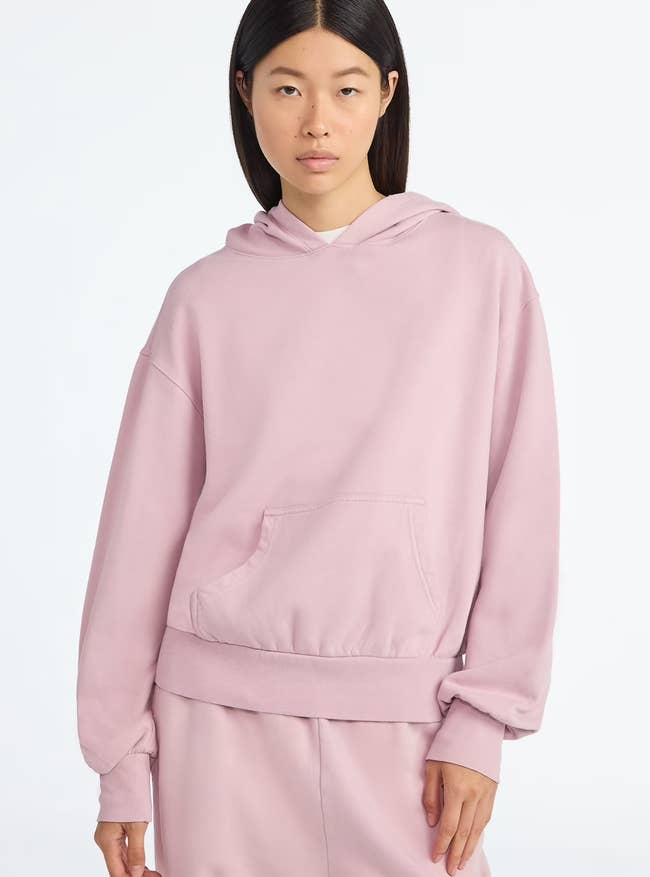
Conclusion: Curating Your Own Summer
Ultimately, the goal of a summer wardrobe is to remove friction from the daily routine. Whether you are opting for a $6 tee or a $38 jumpsuit, the key is to select pieces that offer genuine comfort and ease of movement. By focusing on quality fabrics, thoughtful design features like pockets and zippers, and versatile silhouettes, you can create a rotation of clothing that feels both current and essential.
As we look toward the remainder of the season, the takeaway is clear: fashion should be accessible, comfortable, and above all, a tool that makes your daily life simpler. The current offerings at major retailers like Walmart prove that you do not need to sacrifice style to achieve the perfect balance of form and function.