The Golden Hour: Why Europe’s Outdoor Dining Culture is the Ultimate Travel Incentive

As the winter frost retreats from the cobblestone streets of Europe, a subtle but profound transformation takes place. The rhythm of life shifts from the cozy, candlelit interiors of traditional bistros to the vibrant, sun-drenched expanses of the sidewalk terrace. For the seasoned traveler, this transition marks the arrival of the "golden season"—a window from April through October when the continent truly comes alive.
From the historic, literary-laden boulevards of Paris to the shimmering, azure-kissed cliffs of the Amalfi Coast, Europe’s outdoor dining culture is not merely a logistical convenience; it is a philosophy of living. It is an invitation to slow down, to observe, and to become part of the living tapestry of a city.
The Cultural Anatomy of the European Terrace
In many parts of Northern Europe and North America, dining out is often viewed as a task—a means to fuel the body before moving on to the next appointment. In contrast, the Mediterranean and Continental approach treats dining as an anchor for the day.
The European outdoor dining experience is predicated on the concept of flânerie—the art of wandering and observing. By placing tables on the pavement, restaurants transform public space into a theater. Whether it is a brand-new beach club in Italy or a centuries-old café in France, the seating arrangement is intentional: chairs are almost always oriented toward the street, ensuring that the diner is a spectator to the human parade.
A Chronology of the Open-Air Season
The European outdoor dining season is a predictable yet eagerly anticipated cycle.
- April: The Awakening. As temperatures hover between 15°C and 20°C, the first "brave" terraces open. This is the time for local residents to reclaim their squares, enjoying mid-morning espressos as the cities shed their winter grey.
- May to June: The Golden Window. Arguably the best time to travel. The crowds of high summer have not yet arrived, and the weather is reliably pleasant. It is the peak season for light lunches and early evening aperitifs.
- July to August: The Mediterranean Exodus. Locals and tourists alike migrate toward the coast. Dining shifts from urban plazas to clifftop terraces and beachside decks. The emphasis moves from "people watching" to "seascape gazing."
- September to October: The Indian Summer. As the intensity of the sun wanes, the atmosphere becomes more intimate. It is the season of lingering dinners, where the crisp evening air is countered by heaters or warm blankets provided by thoughtful establishments.
Iconic Destinations: A Study in Atmosphere
The Literary Haunt: Café de Flore, Paris
No discussion of outdoor dining is complete without mentioning the Boulevard St. Germain. Café de Flore remains an institution, standing as a monument to the 20th-century intellectual explosion. Once the primary stomping ground for Jean-Paul Sartre, Simone de Beauvoir, and Pablo Picasso, the café serves as a living museum.
While critics may argue that the influx of tourists has shifted its demographic, the experience remains unparalleled. To sit on the terrace, fringed by lush greenery, while indulging in a classic croque monsieur or a salade niçoise, is to participate in a ritual of Parisian life that has survived wars, revolutions, and the shifting tides of fashion.
The Coastal Sophistication: Amalfi’s New Wave
In stark contrast to the historic weight of Paris, the Amalfi Coast is currently experiencing a renaissance of modern outdoor hospitality. New beach clubs are redefining the landscape, blending high-concept Mediterranean cuisine with dramatic vertical architecture. Here, the "outdoor dining" experience is elevated—literally—to terraces suspended between the limestone cliffs and the Tyrrhenian Sea. The focus has shifted from simple sustenance to immersive sensory experiences, where the salt air and the sound of crashing waves are considered essential ingredients of the meal.
Supporting Data: The Economics of the Terrace
The shift toward outdoor dining is not just a lifestyle preference; it is a significant economic driver. According to recent hospitality industry reports, restaurants with dedicated outdoor seating in major European capitals see an average revenue increase of 25% to 40% during the warmer months.

Furthermore, urban planning studies indicate that "street-side activation"—the process of filling sidewalks with tables—leads to increased pedestrian safety and lower crime rates. By filling public spaces with diners, cities create a natural "eyes on the street" effect, making neighborhoods feel safer and more welcoming at night. For the traveler, this means that the most vibrant, bustling dining districts are also, by proxy, the most inviting places to explore after dark.
Official Responses and Urban Integration
Municipalities across Europe have undergone a paradigm shift regarding outdoor permits. Post-2020, cities like Madrid, Rome, and Lisbon expedited the process for restaurants to expand their outdoor footprints. What began as a temporary health measure has now become a permanent fixture of urban design.
"The sidewalk is no longer just a thoroughfare for cars or pedestrians," says Elena Rossi, an urban planner based in Milan. "It is an extension of the living room. Cities that have embraced this change have seen a surge in tourism engagement, as visitors are naturally drawn to the energy of a street lined with open-air tables."
However, this transition has not been without controversy. Some local residents have voiced concerns over noise pollution and the reduction of space for pedestrians. In response, several cities have implemented "terrace curfews" and zoning regulations to balance the needs of the hospitality sector with the residential quality of life. These regulations demonstrate a maturing of the outdoor dining movement, moving from a chaotic, reactive state to a structured, sustainable model.
Implications for the Modern Traveler
What does this mean for those planning a trip to Europe?
First, it suggests that the "must-see" list should be balanced with "must-sit" time. When booking your itinerary, prioritize neighborhoods known for their café culture. Do not feel the need to rush from monument to museum; the true essence of European travel is often found while nursing a glass of regional wine at a small, wobbly metal table on a quiet side street.
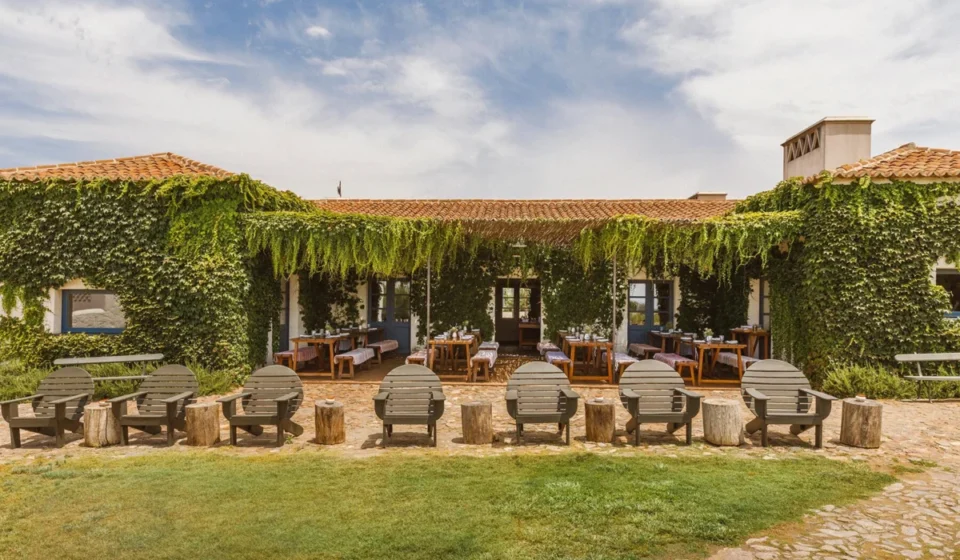
Second, the rise of the high-end beach club and the preservation of the historic bistro represent two sides of the same coin: the desire to connect with the environment. Whether you are in the heart of Paris or on the rugged coast of Portugal, the goal remains the same: to step out of the interior and into the open air.
Conclusion: Booking Your Seat at the Table
As we look toward the upcoming travel seasons, the appeal of Europe’s outdoor dining scene remains a potent lure. It is a reminder that the best travel experiences are rarely found behind closed doors. They are found in the sun-dappled squares, the windy cliffside terraces, and the bustling boulevards where the world happens in real-time.
Whether you are a literary enthusiast looking to channel the ghosts of the Left Bank or a beach-goer seeking the pinnacle of Mediterranean luxury, Europe’s outdoor dining scene is waiting. So, pack your bags, leave your schedule open, and remember: in Europe, the most important seat in the house is the one that faces the street.