Beyond the Transaction: Inside the Multi-Sensory SoHo Oasis of Outside In and Nature of Things

In the rapidly evolving landscape of modern retail, the traditional "store" is undergoing a profound identity crisis. As e-commerce continues to dominate the convenience-driven market, physical brick-and-mortar spaces are being forced to justify their existence through something more ephemeral than inventory: experience.
At 31 Crosby Street in the heart of New York City’s SoHo neighborhood, a new project is setting a high-water mark for this evolution. A collaborative endeavor between the beauty brand Outside In and the botanical-focused Nature of Things, this multifaceted space treats retail as a backdrop rather than a primary objective. By integrating high-end skincare and makeup with fragrance galleries, a specialty café, and a hidden, tranquil garden, the project—spearheaded by industry veteran Carisa Janes—proposes a new architecture of consumption: one rooted in light, sensory exploration, and community gathering.
The Main Facts: A New Paradigm in SoHo
The project at 31 Crosby Street is not merely a store; it is a campus for well-being. Carisa Janes, the visionary behind Hourglass Cosmetics and the driving force behind this venture, has effectively blurred the lines between hospitality, art gallery, and apothecary.
The space functions as a dedicated flagship for both Outside In and Nature of Things, yet it resists the "mall-like" density common in luxury retail. Instead, visitors are greeted by an architectural language that prioritizes flow and natural beauty. The site features a fragrance gallery, a dedicated cosmetics consultation area, and the Outside In Café, which serves as a literal and metaphorical hearth for the brand. The most striking element is the inclusion of a hidden garden, a rare architectural luxury in Manhattan that encourages patrons to linger, socialize, and decompress—activities that have little to do with the immediate purchase of a serum or lipstick.
Chronology: From Vision to Execution
The genesis of this project began with a desire to redefine the "beauty retail" experience, moving away from the sterile, fluorescent-lit aisles of the past.
- Conceptualization: Carisa Janes, leveraging her expertise as the founder of Hourglass Cosmetics and the architect of Nature of Things, sought to create a destination that reflected her philosophy of "Outside In" living—bringing the restorative power of nature into the urban environment.
- The Partnership: To bring this vision to life, Janes tapped the Shanghai-based design studio F.O.G. Architecture. This collaboration marked the studio’s inaugural project in the United States, bringing a fresh, global perspective to the quintessential SoHo retail vernacular.
- Design & Development: The design process was iterative, focusing on "designing beyond the visual." Architects and designers worked to ensure that every texture, scent, and light source contributed to a cohesive narrative.
- The Opening: With the doors now open at 31 Crosby Street, the space serves as both a functional retail site and a hub for planned cultural programming, including artist residencies and private, experiential workshops.
Architectural Philosophy: Light, Texture, and Nature
The physical environment is the star of the show at 31 Crosby. The collaboration with F.O.G. Architecture resulted in two distinct but complementary environments.
The Nature of Things: Tactility as Discovery
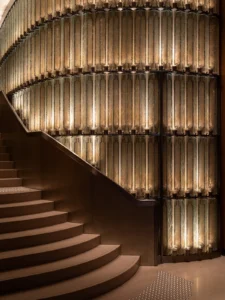
Inside the Nature of Things flagship, the design language is visceral. The store abandons sleek, cold materials in favor of organic, textured surfaces. The most notable architectural feature is the installation of custom curved walls constructed from individual pieces of natural loofah, creating a soft, sound-dampening, and visually intriguing environment. A monolithic stone basin serves as the anchor of the space, inviting customers to physically engage with the brand’s botanical products, turning a simple trial into a meditative ritual.
Outside In: The Architecture of Illumination
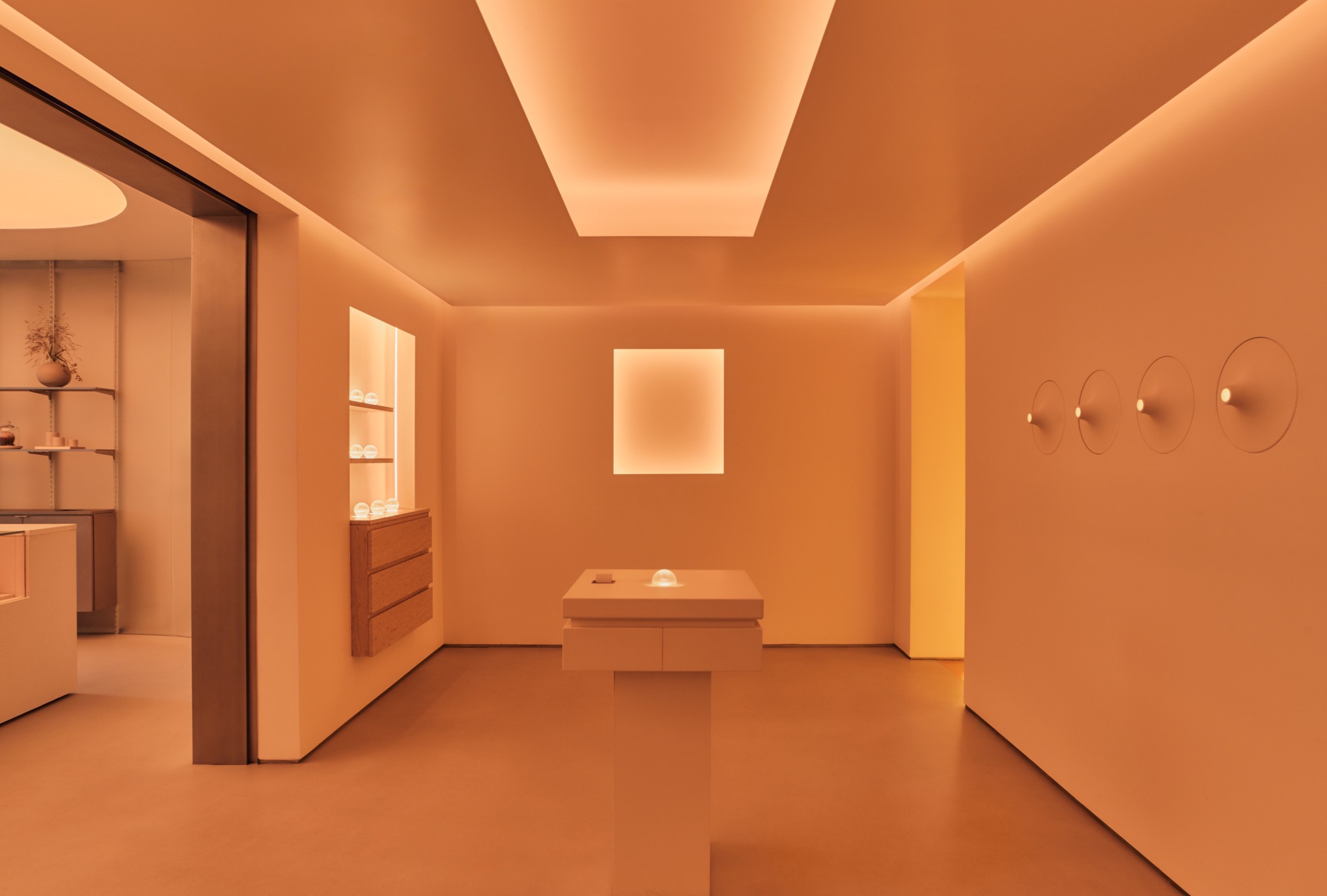
If Nature of Things is about texture, the Outside In side of the store is about light. The ceiling features a sweeping cove design that culminates in a circular oculus, channeling natural light into the heart of the space. Frosted glass and stone surfaces work in tandem to diffuse this light, creating a flattering, soft glow.

The fragrance gallery takes this a step further; the lighting is synchronized to shift in color temperature and intensity, echoing the "notes" of the scents on display. This reactive environment ensures that the atmosphere is never static, mirroring the complexity of the products themselves.
Supporting Data: The Shifting Landscape of Retail
The retail sector is currently in a state of flux. According to recent industry reports on "experiential retail," stores that integrate food and beverage (F&B) with traditional product sales see an increase in "dwell time"—the amount of time a customer spends in a store—by upwards of 40%.
The Outside In Café is a strategic play to leverage this trend. By offering coffee, pastries, and a space for relaxation, the brand effectively lowers the barrier to entry. A consumer who might be intimidated by a luxury beauty consultation may feel perfectly comfortable walking in for a latte. Once inside, the "frictionless" design of the store invites them to move from the café into the fragrance gallery, and eventually to the vanity, creating a customer journey that feels like a natural progression rather than a hard sell.
Official Responses: The Architect’s Perspective
The collaboration between Janes and F.O.G. Architecture was rooted in a shared belief that retail spaces should serve the community.

Leilei Wu, Partner in Charge at F.O.G. Architecture, noted the challenge and the thrill of the project: "This was a rare opportunity to design beyond the visual, to think about how a space can engage people on multiple levels at once. Each space is designed to unfold gradually, encouraging movement and engagement. We wanted to move away from the ‘grab and go’ mentality and create a rhythm to the shopping experience."
For the founders, the success of the project is not measured in daily sales volume, but in the brand equity gained by creating a "third place"—a social environment separate from the home and the workplace.
Implications: The Future of Beauty Retail
The implications of the 31 Crosby Street project for the beauty industry are significant. As luxury brands struggle to differentiate themselves, the move toward "lifestyle integration" is becoming a necessity rather than a luxury.
1. The Death of the Transactional Model
The most significant implication is the shift away from transactional logic. When a brand provides a space for an artist residency, a private event, or a simple morning coffee, they are building a relationship with the consumer that exists outside of a purchase. This is the ultimate form of long-term brand building.

2. Multi-Sensory Branding
By engaging sight, sound, smell, and touch, these brands are creating "sticky" memories. The use of custom ceramics in the café, the shifting light in the fragrance gallery, and the loofah-lined walls create a multi-sensory brand signature that cannot be replicated by an online shopping cart.
3. The "Third Place" as a Retail Anchor
Future retail flagships will likely resemble the 31 Crosby model: a hybrid of commercial and communal space. By inviting the neighborhood into their "hidden garden," Outside In and Nature of Things have positioned themselves as local stakeholders rather than just retailers. This creates a halo effect, where the brand becomes synonymous with the lifestyle and values of the community they occupy.
Conclusion: A New Standard for SoHo
As the retail industry continues to grapple with the digital age, the project at 31 Crosby Street stands as a defiant, beautiful testament to the power of physical presence. It proves that when architecture is designed with empathy and sensory engagement in mind, it can transform a store into a sanctuary.
By prioritizing the human experience—allowing visitors to linger in a garden, enjoy a coffee, or explore textures—Outside In and Nature of Things have not just opened a shop; they have opened a dialogue. In a neighborhood as crowded and competitive as SoHo, this project succeeds not by trying to sell more, but by offering more—more light, more comfort, and more connection. It is a blueprint for the future of retail, where the most valuable commodity is not the product on the shelf, but the time spent in the space itself.