Frozen in Time and Tragedy: The Photographers Who Documented 9/11 Through the Lens

Twenty-five years have passed since the United States suffered the deadliest terrorist attack in modern history. On September 11, 2001, a coordinated assault by 19 al-Qaeda operatives shattered the American landscape, utilizing hijacked commercial airliners to strike the Twin Towers of the World Trade Center in Manhattan, the Pentagon in Virginia, and—thwarted by the extraordinary heroics of passengers—a rural field in Shanksville, Pennsylvania.
Nearly 3,000 lives were lost on that single Tuesday morning, and the death toll continues to climb as first responders, recovery workers, and survivors succumb to long-term illnesses directly linked to the toxic particulate plumes that blanketed New York City and Washington, D.C.
Widely regarded as the most photographed event in human history, the tragedy unfolded during a unique technological transition. Smartphones equipped with ubiquitous cameras were still years away, and the digital photography revolution was only in its infancy; many newsrooms and professional journalists were still firmly tethered to film. Yet, despite these technological constraints, an army of photojournalists raced toward ground zero, driven by an unyielding professional mandate: to bear witness for humanity.
Main Facts: The Anatomy of a Historic Visual Record
The visual archive of September 11, 2001, is vast, haunting, and deeply complex. The attacks occurred in New York City, a global media hub, ensuring that the initial impacts, the catastrophic collapses of the Twin Towers, and the frantic rescue operations were captured from dozens of angles.
The historical significance of these images rests on a paradox. While photography’s greatest power is traditionally celebrated through preserving family milestones, capturing the splendor of nature, or creating fine art, documenting violence, war, and terror forces an ethical reckoning. For the professionals behind the lens, the camera can feel simultaneously like a gift and a curse—a tool that preserves history, but at a severe psychological cost to those who must stare directly into the abyss to record it.
Chronology of a Catastrophe: Through the Viewfinder
The morning of September 11 unfolded with terrifying speed, catching the journalistic community completely off guard with no physical or mental preparation.
8:46 AM – The First Impact
When American Airlines Flight 11 struck the North Tower of the World Trade Center, many civilian witnesses and journalists initially assumed it was a tragic aviation accident. Photographers across the city immediately scrambled. Bill Biggart, a veteran photojournalist, was walking his wife and dog near Union Square when the first plane hit. He rushed home, grabbed his camera gear, and sprinted 20 blocks toward the burning tower, joining firefighters on the scene.
9:03 AM – The Second Strike
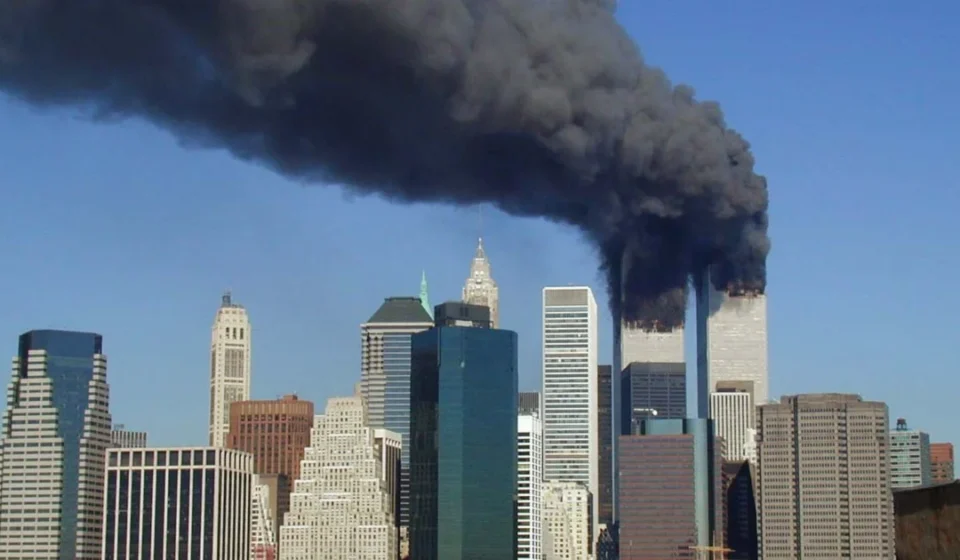
Minutes later, as the North Tower burned, United Airlines Flight 175 tore into the South Tower. Getty photojournalist Spencer Platt captured the horrific moment from his apartment in Brooklyn using a digital back. At that moment, professionals like Platt faced an impossible emotional tightrope: shifting fluidly from civilian witnesses to photojournalists, suppressing their identities as fathers, husbands, and Americans to document history.
The Collapses and the Ultimate Sacrifice
As the towers eventually collapsed, throwing lower Manhattan into a pitch-black, toxic cloud of dust and debris, the danger escalated exponentially. Bill Biggart called his wife to assure her he was safe with firefighters. Moments later, the second tower fell, claiming Biggart’s life at the age of 54.
Months later, through the efforts of fellow photographer Chip East, 154 of Biggart’s final film frames were recovered from his lifeless body. His last exposures—documenting the very collapse that took his life—now reside in the permanent collection of the Imperial War Museum in London, a testament to his fearless dedication.

Supporting Data: Eyewitness Accounts and Perspectives
The psychological burden borne by the visual chroniclers of 9/11 is a central theme in retrospective analyses of the disaster.
- The Pentagon Perspective: Photographers Michael Lutzky and Juana Arias were deployed to the Pentagon on September 11. Lutzky recalls standing in near-total helplessness for five hours, waiting "just in case I am the only one still close enough to witness." Arias, who had covered global conflicts and natural disasters across Central America, noted that previous assignments always allowed her to return to a safe home. September 11 was fundamentally different because the front line was home.
- A Student’s Lesson: Yoni Brook, then a 19-year-old New York University student and summer intern for The Washington Post, reflected on how the day shaped his career as a documentary filmmaker, teaching him "how to document tragedy with proximity and sensitivity."
- From Orbit: Providing a truly singular vantage point, NASA astronaut Frank Culbertson served as the sole American aboard the International Space Station on 9/11. From 250 miles above the Earth, he photographed the thick, dark smoke plumes billowing across metropolitan New York. In letters sent in the days following the attack, Culbertson wrote of the profound psychological jolt of watching life being destroyed from a spacecraft dedicated to improving life on Earth.
Official Responses and Ethical Dilemmas: "The Falling Man"
Perhaps no single image from September 11 encapsulates the agonizing ethical boundaries of photojournalism more than Associated Press photographer Richard Drew’s photograph known as The Falling Man.
Capturing an unidentified individual in the final moments of free fall from the burning North Tower, Drew’s photograph sparked immediate, intense controversy upon publication. Decried by some readers as grotesque and voyeuristic, the image rapidly vanished from mainstream publication, earning the somber moniker among journalists as "the most famous photo nobody has seen."
Drew, a Pulitzer Prize-winning photographer who stood feet away from Robert F. Kennedy during his 1968 assassination, defended his work with unwavering conviction:
"People ask how I could cold-bloodedly photograph someone dying. I never saw it that way. I made a photographic record of someone living the last moments of his life. And every time I look at it, I see him alive."
The psychological fallout for Drew, like many of his peers, was enduring. Decades later, he noted that the sound of overhead aircraft still triggered visceral anxiety, wondering if passing planes were "friend or foe."
Implications: The Legacy of 9/11 Photojournalism
Twenty-five years after the towers fell, the implications of the visual record of September 11 continue to resonate across media ethics, historical education, and human memory.
The photographers who documented the attacks paid a heavy toll. Beyond the immediate physical dangers—exemplified by the tragic death of Bill Biggart and the long-term illnesses suffered by rescue workers and journalists alike—there is an invisible toll exacted upon the human psyche. Witnessing catastrophic suffering on a mass scale leaves permanent scars.
For modern society, these images serve a vital, albeit painful, function. While nothing can undo the loss of 2,977 innocent lives or heal the enduring trauma of the families affected, the photographic record ensures that the reality of that day cannot be sanitized or forgotten. Through the courage of those who looked through the viewfinder when every instinct told them to run, the stories of September 11 remain permanently etched into the global consciousness.