The PetaPixel Podcast Deep-Dive: OM System’s New PEN, Apple Park Innovations, and the Evolution of AI-Powered RAW Editing

Main Facts
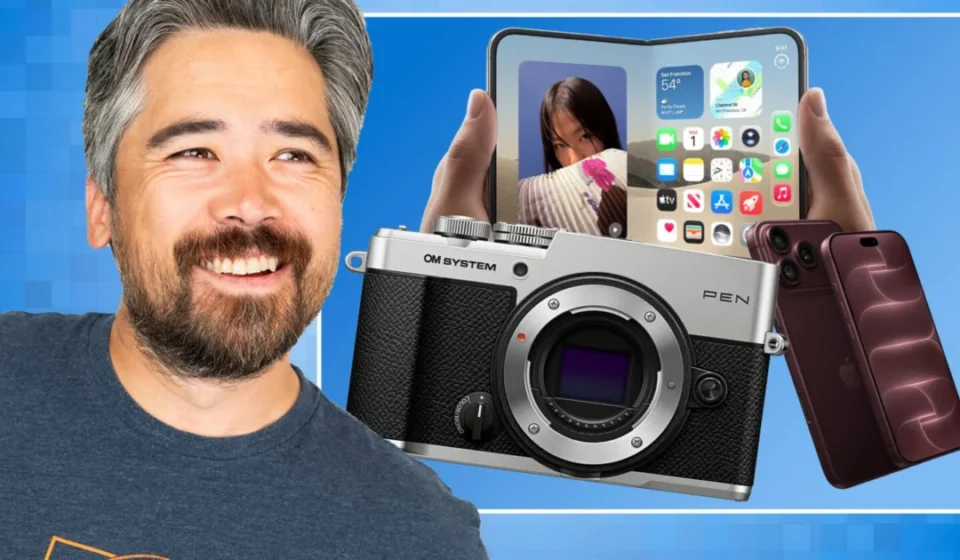
The latest episode of The PetaPixel Podcast delivers a comprehensive look at the shifting landscape of digital photography and consumer technology, bringing together industry insiders to unpack recent hardware and software announcements. This week’s discussion is anchored by two major focal points: the debut of OM System’s latest PEN series camera and an on-location dispatch from Apple Park.
To provide specialized insights on the Apple ecosystem, the podcast team is joined by prominent content creator Jason Vong and Allison Johnson of The Verge. Together, they dissect Apple’s latest product ecosystem, focusing on "Pros and Duo" configurations.
Beyond hardware, the episode highlights significant software developments in the post-processing space, driven by the launch of DxO PhotoLab 10. The latest iteration of the RAW processing software introduces advanced offline AI masking capabilities, localized depth-based adjustments, and workflow optimizations designed to give photographers granular creative control without forcing them into a subscription model.
Chronology
1. Opening Analysis: OM System’s PEN Line Resurgence
The episode kicks off with a breakdown of OM System’s newly announced PEN camera. Known historically for pioneering compact, stylish, and highly capable Micro Four Thirds mirrorless bodies, the PEN series has long occupied a unique niche among street photographers, travel enthusiasts, and content creators looking for portability without sacrificing interchangeable-lens versatility. The podcast team examines how this new addition fits into the modern market, evaluating its design language, ergonomics, and target demographic against an increasingly smartphone-dominated casual photography sector.
2. On Location at Apple Park: Breaking Down "Pros and Duo"
Transitioning from traditional camera gear to consumer electronics and computational photography, the podcast shifts its venue to Apple Park. Joined by Jason Vong and Allison Johnson, the discussion moves to Apple’s latest hardware ecosystem. The panel explores the implications of Apple’s newest professional-tier releases, analyzing how enhancements in mobile processing power, sensor technology, and ecosystem integration continue to blur the lines between dedicated mirrorless systems and high-end smartphones.
3. Practical Post-Processing: DxO PhotoLab 10 Walkthrough
In the latter half of the program, the focus turns to practical editing workflows. DxO—the sponsor of the episode—takes center stage as the team explores PhotoLab 10. Complementing the podcast discussion, PetaPixel’s Michael Bonocore provides a hands-on technical walkthrough. Using a series of challenging landscape and cultural photographs captured during a recent trip to Morocco, Bonocore demonstrates how the software’s new engine handles real-world editing scenarios, offering concrete before-and-after evaluations and actionable tips for photographers.
Supporting Data
DxO PhotoLab 10: Technical Innovations
The release of DxO PhotoLab 10 brings several notable technological updates aimed at accelerating RAW processing while expanding precision masking capabilities:
- Smarter AI Masks: The software introduces advanced machine-learning algorithms capable of isolating people and complex subjects with greater accuracy. Crucially, these AI computations run entirely offline, ensuring user privacy and eliminating cloud-processing latency.
- Depth Masks: A standout feature in version 10, depth masks allow editors to select elements of an image based on their physical distance from the camera sensor. For example, a photographer can selectively brighten a distant mountain range or soften a background without accidentally altering the exposure or tonality of the foreground.
- Enhanced Color Grading: New grading tools provide refined control over color harmonization, split-toning, and cinematic looks, allowing users to establish distinct aesthetic signatures directly within the RAW processing environment.
- Automatic Sensor Dust Removal: Streamlining the cleanup phase of high-resolution editing, the software automatically detects and removes sensor dust spots across image sequences.
- Subscription-Free Model: Reinforcing DxO’s market positioning, PhotoLab 10 remains available as a perpetual license rather than a mandatory cloud-based subscription.
Promotional and Partnership Offers
Listeners and readers are provided with exclusive purchasing opportunities through the episode’s industry partners:
- DxO Software Discount: New customers can save 15% on any DxO software purchase, including PhotoLab 10, by applying the promo code
PetaPixelat checkout on the official DxO website. (Offer excludes software upgrades.) - B&H Photo Payboo Credit Card: The financial integration details highlight the Payboo card, which allows eligible buyers to instantly recover the sales tax on qualifying purchases shipped to eligible states, alongside promotional 6-month ($199 minimum) and 12-month ($599 minimum) financing options through Comenity Capital Bank.
Official Responses
While the podcast functions primarily as an analytical roundtable rather than a corporate press conference, the perspectives shared by the guest contributors—such as Allison Johnson of The Verge and independent creator Jason Vong—reflect broader industry sentiment regarding current technological trajectories:
- On Mobile vs. Dedicated Imaging: The consensus during the Apple Park segment emphasizes that high-end smartphones are no longer attempting to merely mimic traditional cameras; rather, they are establishing a parallel ecosystem defined by computational immediacy, instant sharing, and sophisticated multi-lens synchronization.
- On Creative Independence in Editing: Through the exploration of DxO PhotoLab 10, the discussion underscores a strong market demand for software tools that leverage artificial intelligence as an assistant rather than an automated replacement for human artistic intent. The emphasis on offline AI processing directly addresses growing user concerns regarding data privacy and cloud dependency in modern creative workflows.
Implications
The topics covered in this week’s episode carry several long-term implications for the photography and consumer technology industries:
1. The Resilience of Specialized Hardware
Despite the undeniable dominance of computational mobile photography, the introduction of OM System’s new PEN camera proves that dedicated, tactile imaging tools retain a loyal and active demographic. Photographers increasingly view traditional cameras not as general-purpose pocket devices, but as intentional instruments meant for tactile engagement, optical variety (via interchangeable lenses), and uncompressed sensor performance.
2. The Maturation of On-Device AI in Post-Production
The integration of offline AI masking—specifically depth-aware selection tools like those found in DxO PhotoLab 10—signals a new era in non-destructive editing. By moving beyond simple edge-detection and incorporating spatial awareness (distance from the sensor), software developers are drastically reducing the time required to perform complex, localized masking. Furthermore, the persistence of perpetual license models in the face of widespread industry subscription fatigue provides a vital market alternative for independent photographers who prefer owning their software outright.
3. Convergence of Professional Workflows
Discussions recorded live from Apple Park illustrate how deeply integrated mobile and desktop ecosystems have become. As content creators increasingly produce hybrid workflows—shooting video and stills across iPhones, iPads, and traditional mirrorless bodies—manufacturers on both sides of the aisle are forced to optimize cross-platform compatibility, file sharing speeds, and color science uniformity.
Listeners interested in participating in future episodes can submit feedback, questions, or commentary via SpeakPipe on the PetaPixel platform, with select messages reviewed and addressed by the podcast team in upcoming weekly broadcasts.