
Bridging the Blind Spot: How Modern Brands Are Using Social Intelligence to Master the Customer Experience Audit

In the contemporary digital marketplace, consumers are rarely shy about voicing their opinions. Yet, the traditional channels brands have relied on for decades—formal customer satisfaction surveys, focus groups, and direct support tickets—often tell only half the story. The truest, most unvarnished critiques of a company’s products, services, and operational bottlenecks are frequently happening out of sight: in the comment sections of Instagram reels, on Reddit discussion boards, through Yelp reviews, and across viral TikTok trends.
For Chief Experience Officers (CXOs) and marketing leaders, these unprompted conversations represent a goldmine of consumer sentiment. However, capturing, analyzing, and acting upon this decentralized feedback requires a fundamental shift in strategy. Enter the modern customer experience (CX) audit—a comprehensive evaluation framework supercharged by social intelligence.
By systematically reviewing the entire buyer journey and integrating real-time social listening, brands can unearth hidden friction points, capitalize on emerging consumer behaviors, and transform casual digital chatter into high-ROI business strategies.
The Anatomy of a Modern Customer Experience Audit
To understand the modern CX audit, industry leaders must first look at how consumer expectations have evolved. Historically, a customer experience audit was treated as a periodic, inward-looking exercise—an annual review where internal departments evaluated touchpoints they directly controlled, such as email onboarding sequences, website checkout flows, and call center wait times.
Today, that insular approach is obsolete. Modern consumers fluidly transition between owned brand channels, social media platforms, independent review sites, and peer-to-peer forums. A customer might discover a product via an influencer’s TikTok video, read comparative reviews on Reddit, complete a purchase through social shopping, and later air a support grievance via a public tag on X (formerly Twitter).
A contemporary CX audit acts as an organizational health check, mapping these complex pathways to pinpoint exactly where customer expectations and brand delivery disconnect. Crucially, it dissolves departmental silos, bringing together customer care, marketing, public relations, and data analytics to paint a holistic picture of the customer lifecycle.

Chronology of an Audit: A 5-Step Framework for Action
Implementing a modern customer experience audit requires a disciplined, step-by-step approach. Organizations that rush into data collection without a structured framework often drown in noise rather than finding actionable insights.
Phase 1: Establishing Parameters and Objectives
Before pulling a single metric, cross-functional teams must align on what the audit is designed to achieve.
- Stakeholder Alignment: Because CX spans multiple departments, leadership must assemble a multidisciplinary team—including customer care, marketing, data science, and PR—to ensure no operational gaps are overlooked. Clear roles must be defined regarding who leads the audit, who supplies the data, and who executes the resulting changes.
- Objective Setting: Teams must tie audit goals to measurable outcomes. Are you attempting to diagnose why cart abandonment spikes after social media ad clicks? Are you trying to trim response times on social care channels? Clear objectives dictate which touchpoints demand scrutiny.
- Scoping: To prevent scope creep, brands must set strict boundaries. This might involve auditing a single target audience across their entire lifecycle or zeroing in on a notorious friction stage, such as the post-purchase support phase.
Phase 2: Mapping the Cross-Channel Journey
The second phase involves charting every touchpoint a consumer encounters from initial discovery to long-term loyalty. This map must extend far beyond owned properties. Brands must aggregate direct messages, chatbot transcripts, Google Business Profile ratings, TripAdvisor comments, and untagged brand mentions across the broader web. Utilizing centralized platforms—such as Sprout Social’s Smart Inbox and Social Listening tools—allows organizations to funnel these disparate interactions into a single, cohesive workflow, bridging the gap between direct customer queries and indirect market sentiment.
Phase 3: Diagnosing Friction via Social Intelligence
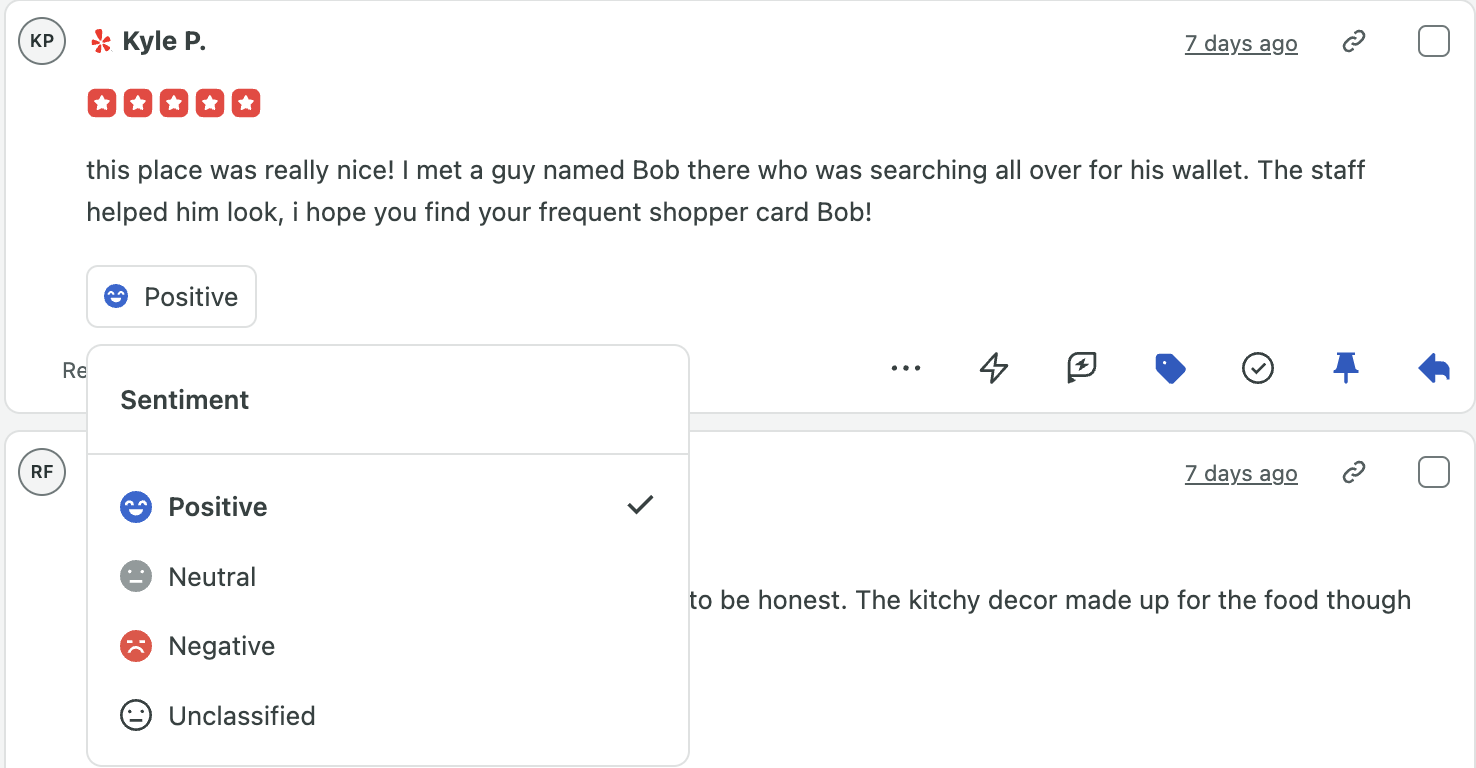
With the journey mapped, teams must deploy social intelligence to analyze audience sentiment, detect shifts in conversation patterns, and evaluate the competitive landscape. Sentiment analysis tools automatically categorize incoming reviews and social mentions as positive, neutral, or negative, highlighting immediate problem areas. Meanwhile, predictive media intelligence flags emerging consumer trends before they balloon into PR crises, giving brands a critical window to adapt their messaging or operational policies.
Phase 4: Prioritizing Findings and Drafting an Action Plan
An exhaustive audit will inevitably reveal more problems than an organization can solve simultaneously. Leaders must separate critical friction points from minor annoyances, focusing on issues that carry the highest ROI. This phase involves isolating high-impact moments—such as identifying a burgeoning, organic product use case within a community forum—and rapidly capitalizing on it through cross-departmental execution.
Phase 5: Continuous Iteration and Benchmarking
A CX audit is not a static report destined for a filing cabinet; it is a baseline for ongoing measurement. Organizations must continuously track their performance against established benchmarks, operationalize regular check-ins, and make iterative adjustments in real time to keep pace with shifting consumer demands.
Supporting Data and Industry Insights
The imperative for integrating social intelligence into customer experience audits is backed by compelling real-world evidence and modern case studies.
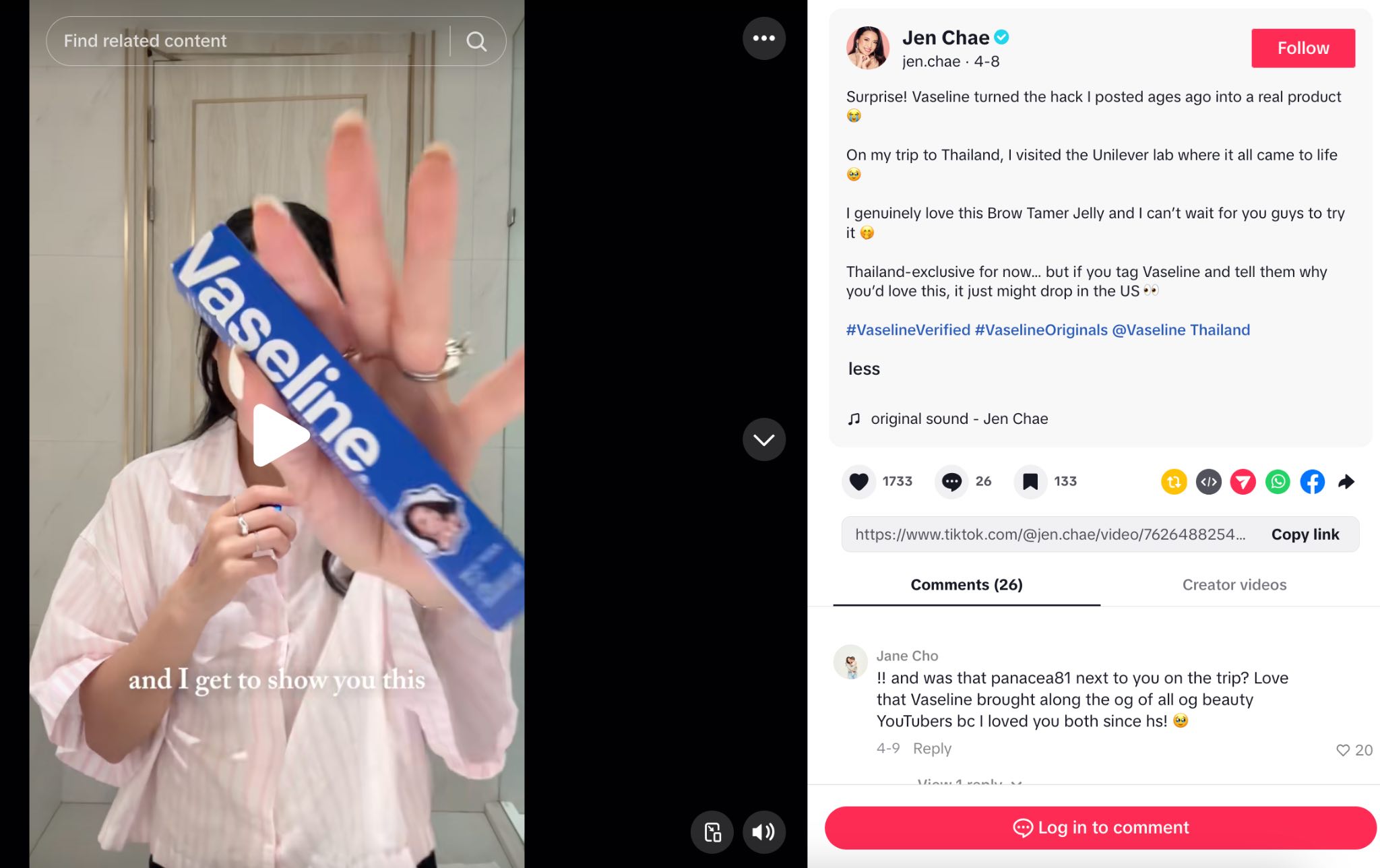
Leading global brands are increasingly proving that listening to unprompted social chatter yields direct commercial success. For instance, global personal care titan Vaseline utilized advanced social listening to monitor unconventional beauty hacks shared by consumers online. Instead of treating these internet trends as mere anomalies, the brand used the data to co-create commercial products with its community. The resulting launches—inspired entirely by viral user-generated content—sold out on TikTok Live within minutes, demonstrating how social intelligence directly fuels product innovation.
Similarly, sports entertainment platform PrizePicks leveraged social listening to uncover an unexploited audience segment.
"Our goal for the year was 10,000 members joining our Reddit community by the end of football season," notes Luke Panosian, Senior Community Manager at PrizePicks. "We launched two weeks ago, and 7,000 people joined in just one week. Social listening helped us realize our audience was on Reddit—so we built and executed the right strategy, and it’s been wonderful to see that response."
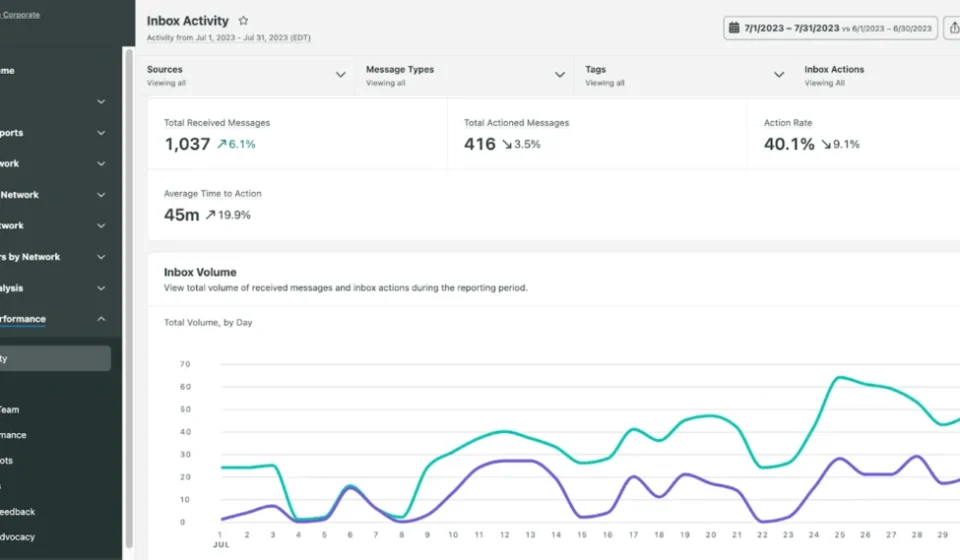
On the operational front, data proves that auditing internal workflows based on social feedback delivers measurable efficiency gains. When Sprout Social’s own customer support team analyzed their Inbox Activity Report, they discovered a dip in response efficiency between 6 p.m. and 8 a.m. CT. By deploying a targeted staffing strategy during those exact hours, the company achieved up to a 55% decrease in average time to action, proving that social analytics can directly optimize human resource allocation.
Official Responses and Strategic Implications
As consumer behavior becomes increasingly digital-first, corporate leadership is being forced to rethink how customer feedback is captured and weaponized. Industry analysts emphasize that traditional metrics—such as Net Promoter Scores (NPS) gathered via post-purchase email surveys—are often skewed by self-selection bias. Customers who are fiercely loyal or profoundly angry are the most likely to fill out surveys, leaving a vast middle ground of passive sentiment unmeasured.
Executives who embrace social-intelligence-driven CX audits position their organizations to act with proactive agility rather than reactive defense.
- Breaking Down Organizational Silos: Official responses from enterprise CX leaders highlight that social intelligence acts as a universal translator between marketing, product development, and customer care. When customer care agents share real-time social sentiment data with product engineers, companies can squash software bugs or clarify confusing product instructions long before they trigger a wave of official support tickets.
- Protecting Brand Equity: In an era where a single viral customer complaint can erode millions of dollars in brand equity overnight, early-detection tools are no longer optional luxuries. Predictive media intelligence allows PR and marketing teams to intercept emerging issues while they are still manageable.
- Driving Sustainable Growth: Ultimately, the implication for the bottom line is clear. Brands that listen closely to what their customers say when they think nobody is watching are the ones best equipped to deliver seamless, empathetic, and profitable customer journeys.
Conclusion
Your customers are constantly leaving clues about where your experience falls short. They are venting in comment threads, debating product flaws on niche forums, and praising innovative use cases on short-form video platforms.
By executing a modern customer experience audit powered by robust social intelligence, businesses can move past the limitations of traditional feedback channels. Whether it involves clarifying ambiguous messaging, reallocating support staff to cover peak social hours, or turning a viral consumer hack into a blockbuster product launch, the path forward is clear: listen closely, audit systematically, and act decisively.