CITGO Announces $310 Million Upgrade to Landmark Lake Charles Refinery: A Strategic Pivot Toward Long-Term Viability

Introduction: Strengthening the Backbone of American Energy
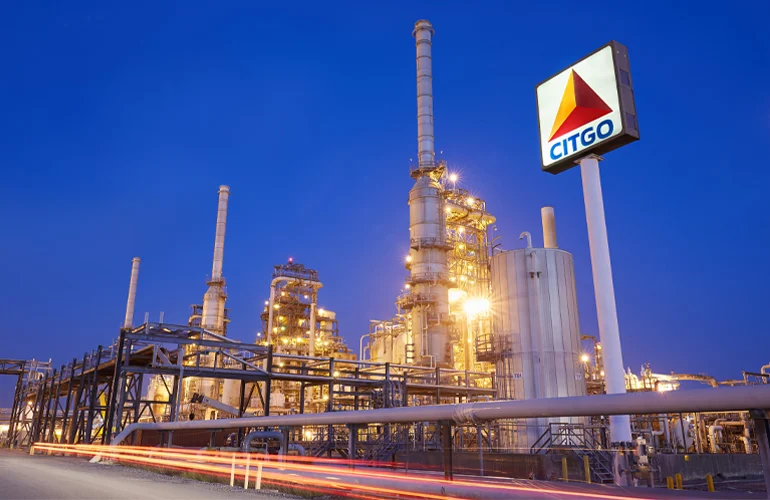
In a move that signals a significant commitment to the domestic energy sector, CITGO Petroleum Corporation has officially announced the commencement of its "Depentanizer Project" at the Lake Charles Refinery in Louisiana. This $310 million capital investment is designed to modernize the facility’s naphtha upgrading capabilities, transforming low-value hydrocarbon streams into high-value gasoline blend components.
As one of the most complex and largest refining assets in the United States, the Lake Charles facility serves as a vital artery in the nation’s energy supply chain. By integrating advanced processing technology, CITGO aims to enhance the refinery’s operational flexibility, ensuring it remains competitive in an evolving global market while continuing to meet the robust domestic demand for transportation fuels. The project, which is slated for completion in 2029, represents more than just a mechanical upgrade; it is a declaration of confidence in the long-term future of the Louisiana energy corridor.
Chronology: From Wartime Necessity to Modern Energy Hub
The story of the Lake Charles Refinery is inextricably linked to the industrial evolution of the United States. To understand the significance of the $310 million Depentanizer investment, one must look at the historical trajectory of the facility.
The Foundation (1944)
The refinery’s history began in 1944, at the height of World War II. It was commissioned to meet the urgent national requirement for high-octane aviation fuel, which was essential for Allied military operations. The facility was engineered for resilience and high-output performance from its inception, setting the standard for what would become a cornerstone of the American refining industry.
Mid-Century Expansion
Following the war, the facility pivoted toward the burgeoning post-war consumer market. Throughout the 1950s and 60s, the refinery expanded its processing capabilities, moving beyond specialized aviation fuels to become a multi-product powerhouse. It integrated systems to produce motor gasoline, heating oil, and chemical feedstocks, mirroring the nation’s rising reliance on the petrochemical sector.
The CITGO Era and Asset Optimization
Since becoming the flagship asset within the CITGO network, the Lake Charles Refinery has undergone various technological refreshes. These efforts have focused on optimizing the "crude slate"—the variety of crude oils the refinery can process—and improving the yield of high-margin products. The Depentanizer Project is the latest, and perhaps one of the most technologically significant, chapters in this eight-decade evolution.
Technical Scope: The Mechanics of the Depentanizer Project
At its core, the Depentanizer Project is an exercise in value-added engineering. The refinery currently processes a diverse range of crude oils; however, the project specifically targets the "naphtha" fraction—a volatile, flammable liquid hydrocarbon mixture.
Enhancing Naphtha Upgrading
Naphtha is a primary feedstock for gasoline production. By installing a new depentanizer unit, CITGO will be able to separate pentanes from the naphtha stream more efficiently. This allows the refinery to optimize the gasoline blending pool, producing a higher-quality, more stable product that meets modern environmental and performance standards.
Improving Processing Flexibility
The energy market is characterized by volatility in crude prices and shifting availability of domestic light crude. The new equipment will allow the Lake Charles Refinery to better handle light, "sweet" domestic crudes, which have become more prevalent in the U.S. market. This ability to adapt to varying feedstocks provides a significant hedge against market fluctuations, ensuring the refinery can operate at maximum efficiency regardless of external supply-side constraints.
Official Perspectives: Leadership on the Strategic Value
The investment has been met with enthusiasm from both the executive suite and local leadership, who view the project as a stabilizing force for the regional economy.
Corporate Strategy: Edgar Rincon, COO
Edgar Rincon, CITGO Executive Vice President and Chief Operating Officer, underscored the disciplined nature of the investment. "The Depentanizer Project reflects CITGO’s commitment to disciplined investments that enhance the strength and resilience of our refining system," Rincon stated. "It also reinforces the strategic importance of the Lake Charles Refinery to our company, our customers, and the broader U.S. energy market."
Community Impact: Sterling Neblett, Site Manager
Sterling Neblett, Vice President and General Manager of the Lake Charles Refinery, highlighted the emotional and economic ties between the plant and the people of Southwest Louisiana. "For generations, the Lake Charles Refinery has helped power Southwest Louisiana’s economy and identity," Neblett noted. "This project reflects our confidence in the refinery’s future and our commitment to supporting the people, businesses, and communities connected to its success."
Economic Implications: Supporting the Gulf Coast Energy Economy
The $310 million investment serves as a catalyst for economic activity far beyond the refinery fence line.
Employment and Construction
The construction phase of the project is expected to create a significant surge in demand for specialized labor. This includes mechanical contractors, pipefitters, electrical engineers, and project managers. For a region that relies heavily on the energy sector, this influx of project-based work provides a substantial boost to the local economy.
Sustaining the Supply Chain
The refinery acts as an anchor for a massive network of local suppliers and service providers. From logistical support and water treatment to maintenance and specialized chemical manufacturing, the "multiplier effect" of the refinery’s operations ensures that thousands of indirect jobs remain secure. By extending the operational viability of the refinery through 2029 and beyond, CITGO is effectively safeguarding the long-term contracts and business relationships that sustain these local entities.
Logistics and Market Access
Located on the Calcasieu Ship Channel, the refinery’s geographic positioning is one of its greatest assets. The project will leverage this location by facilitating the easier movement of high-value refined products to key markets via deep-water marine access and an extensive pipeline network. This logistics advantage ensures that the refined products originating in Lake Charles remain cost-competitive in markets across the United States.
The Future of Refining: Sustainability and Longevity
As the global energy landscape transitions, the role of traditional refineries is being redefined. CITGO’s investment is a pragmatic response to the reality that the world will continue to require reliable transportation fuels for the foreseeable future.
Balancing Innovation and Legacy
The Depentanizer Project is not merely about increasing output; it is about increasing the quality of the output. As regulations surrounding fuel specifications become increasingly stringent, refineries that fail to upgrade their processing capabilities risk obsolescence. CITGO’s preemptive move ensures that the Lake Charles facility remains at the cutting edge of regulatory compliance and product quality.
Environmental Stewardship
Modernizing equipment typically leads to higher energy efficiency and lower emission profiles per barrel processed. While the primary driver of the project is economic, the efficiency gains inherent in new equipment allow for a more streamlined and environmentally responsible operation. By upgrading its infrastructure, CITGO is positioning the refinery to remain a sustainable contributor to the U.S. economy for decades to come.
Conclusion: A Cornerstone for the Next Decade
The announcement of the $310 million Depentanizer Project at the Lake Charles Refinery is a testament to the enduring importance of legacy energy assets. By marrying the facility’s 80-year history with state-of-the-art process engineering, CITGO is ensuring that the refinery remains a competitive, efficient, and essential player in the American energy landscape.
As the industry looks toward 2029 and the successful commissioning of these new units, the Lake Charles community can take pride in the fact that their local landmark is not just surviving, but thriving. Through disciplined investment and a clear strategic vision, CITGO is securing the future of its largest refinery, reinforcing the resilience of the Gulf Coast energy economy, and guaranteeing that the facility will continue to power the nation for generations to come.